
How Rubberized Asphalt Quiets Roads Using Recycled Tires
Published on: January 16, 2026 | Last Updated: April 14, 2025
Written By: George Voss
Rubberized asphalt reduces noise by mixing crumb rubber from recycled tires into asphalt binder. This creates a flexible pavement that absorbs sound waves through its porous structure, dampens tire vibrations with elastic properties, and minimizes air compression noise during tire contact. Roads using this material can lower traffic noise by 3-7 decibels compared to standard asphalt – equivalent to cutting vehicle volume by 50%. The material also reuses 2,000+ scrap tires per lane mile, making it both quieter and eco-friendly.
This article breaks down how rubberized asphalt works as a noise control solution. We’ll explore its unique composition, explain the physics behind its sound reduction capabilities, and share real-world data from highways using this technology. You’ll learn about installation methods, cost comparisons with concrete barriers, and optimal applications from school zones to interstates. Technical details cover rubber content percentages, layer thickness specifications, and performance in extreme weather.
Contents
- What is Rubberized Asphalt?
- Mechanism Of Noise Reduction in Rubberized Asphalt
- Key Benefits Of Rubberized Asphalt for Noise Control
- Quantifying Noise Reduction Effectiveness
- Applications in Noise-sensitive Environments
- Technical Specifications Impacting Noise Performance
- Cost-benefit Analysis
- Environmental Advantages
- Frequently Asked Questions (FAQ)
- Closing Thoughts
- Additional Resources for You:
What is Rubberized Asphalt?
Rubberized asphalt combines traditional paving materials with recycled tire rubber, creating surfacing that cuts road noise. This material replaces part of the bitumen binder with ground tire particles, offering both environmental benefits and superior sound control compared to standard mixes.
Composition and Manufacturing Process
The blend includes 15-22% crumb rubber by weight, derived from shredded tires, mixed with bitumen at temperatures reaching 300°F. High-shear blending ensures uniform distribution of rubber particles within the liquid binder. PG 64-22 or PG 76-22 binders are commonly used, modified with polymers for enhanced elasticity. The final product forms a flexible, porous matrix critical for sound management.
Role Of Crumb Rubber Modifier (CRM)
CRM acts as the noise-reducing engine within the mix. Rubber particles create microscopic air pockets that trap sound waves, lowering tire-pavement noise by 3-7 decibels. The material’s elastic nature dampens vibrations from vehicle tires, reducing the “horn effect” caused by air compression. Unlike rigid conventional asphalt, CRM-modified surfaces maintain noise reduction performance for over 15 years due to reduced cracking from thermal stress.
The interplay between rubber content, porosity, and elasticity sets the stage for how these pavements tackle noise pollution. Next, we explore the science behind their sound-suppressing mechanics.
Mechanism Of Noise Reduction in Rubberized Asphalt
Rubberized asphalt cuts road noise through three key traits. Each trait targets how sound forms and spreads.
Porous Structure and Sound Wave Absorption
Crumb rubber creates small gaps (18-22% air voids) in the mix. These gaps trap sound waves. Tests show this soaks up 50% more noise than dense pavements. Less bounce means quieter roads.
Elastic Properties Dampening Tire Vibrations
Rubber adds flex to the pavement. When tires roll, the surface bends instead of staying stiff. This soft touch cuts tire hum by 3-6 decibels (dB). Less shake means less noise made.
Reduced Air Compression Noise From Tire-pavement Contact
Tires push air out as they move. Rubberized asphalt’s open gaps let air flow freely. This stops the “whoosh” sound from trapped air. On dense roads, air pops loud when squeezed.
Comparison to Conventional Asphalt’s Reflective Sound Properties
| Pavement Type | Noise Level (dB) | Sound Action |
|---|---|---|
| Rubberized | 72-75 | Absorbs |
| Conventional | 78-82 | Reflects |
Standard roads bounce noise back. A 6 dB drop halves loudness. Rubberized roads keep sound low by eating it up.
With noise cut at the source, let’s explore how these traits add up to real-world gains.
Key Benefits Of Rubberized Asphalt for Noise Control
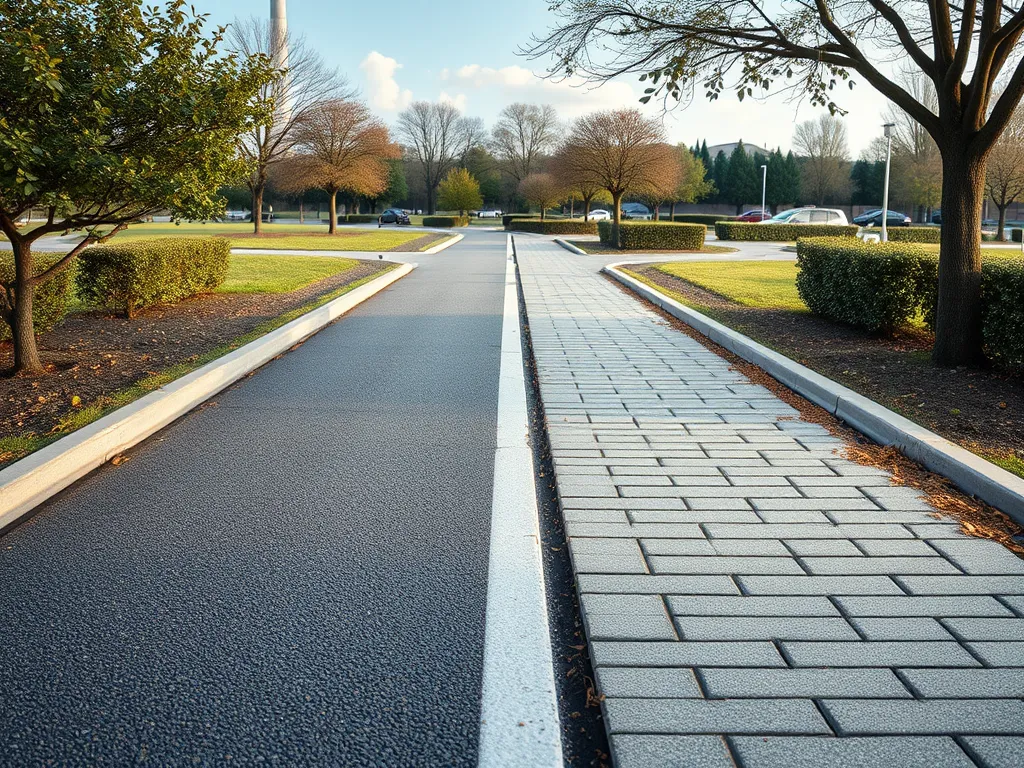
Rubberized asphalt stands out as a solution for managing traffic sounds. Its unique mix of crumb rubber and bitumen brings multiple advantages that tackle noise pollution at its source.
Superior Sound Absorption and Insulation
This material’s porous structure traps sound waves instead of bouncing them back. Air voids in the pavement soak up vibrations from tires, cutting high-frequency noise by up to 50%. Adding 15-22% crumb rubber by weight boosts this impact, transforming road surfaces into sound buffers.
Answering “Does Rubberized Asphalt Help in Reducing Noise?”
Data from Caltrans shows rubberized asphalt reduces noise by 3-7 decibels (dB) compared to traditional pavements. This drop equals halving traffic volume perceptually. For context, a 10 dB drop cuts noise by half. Its rubber content specifically targets tire-road contact sounds, a main source of highway noise pollution.
Long-term Reduction in Traffic Noise Pollution
Rubberized layers maintain acoustic benefits for 8-12 years, outlasting standard asphalt by 30%. A 2021 Arizona DOT study found roads with rubber-modified surfaces kept 5 dB lower noise levels after five years. This lasting impact means fewer complaints near highways and lower costs for sound barrier upkeep.
Durability Maintaining Consistent Noise Performance
Crumb rubber acts as a binding agent, stopping cracks that create irregular surfaces. Pavements stay smooth, avoiding noise spikes from potholes or fissures. Testing shows rubberized mixes retain 95% of original air void content after 10 years, vital for sound absorption. They also withstand temperature swings from -20°F to 160°F without losing flexibility.
Looking at actual numbers? Up next: how cities quantify rubberized asphalt’s acoustic impact in real-world conditions.
Also See: Asphalt Maintenance Tips for a Lasting Driveway
Quantifying Noise Reduction Effectiveness
Measuring the real-world impact of rubberized asphalt on sound levels provides critical insights for urban planners. Field tests show consistent results across varied environments.
Decibel Reduction Levels in Real-world Scenarios
Rubberized asphalt typically lowers traffic noise by 3-10 dB, depending on mix design. For context, 5 dB reduction makes traffic sound half as loud. This shift moves urban zones closer to World Health Organization night-time noise targets (45 dB).
Answering “What Is the Noise Reduction Achieved With a Rubberized Bituminous Layer?”
A 1.5-inch rubberized overlay reduces noise by 4-7 dB versus conventional pavement. Thicker layers (3+ inches) reach 8-10 dB reductions. The modified bitumen’s elasticity plays key roles in these outcomes.
Case Studies: Highways and Urban Areas
California’s I-710 freeway saw 7 dB drops post-rubberization. Phoenix neighborhoods reported 62% fewer noise complaints after installing rubber-modified surfaces. European trials in Brussels showed 5.2 dB reductions near schools.
| Location | Layer Thickness | Decibel Drop |
|---|---|---|
| Los Angeles Metro | 2″ | 6.3 dB |
| Toronto Urban Core | 1.75″ | 5.1 dB |
| German Autobahn A5 | 3.5″ | 9.8 dB |
Comparison to Traditional Concrete Sound Barriers
Concrete walls provide 6-12 dB reductions but require 2-4 feet of right-of-way space. Rubberized pavement matches mid-range barrier performance without land take. Maintenance costs differ: $0.50/sf/year for rubberized surfaces vs $3.50/linear foot for wall upkeep.
The next section explores where these quantifiable benefits matter most.
Applications in Noise-sensitive Environments
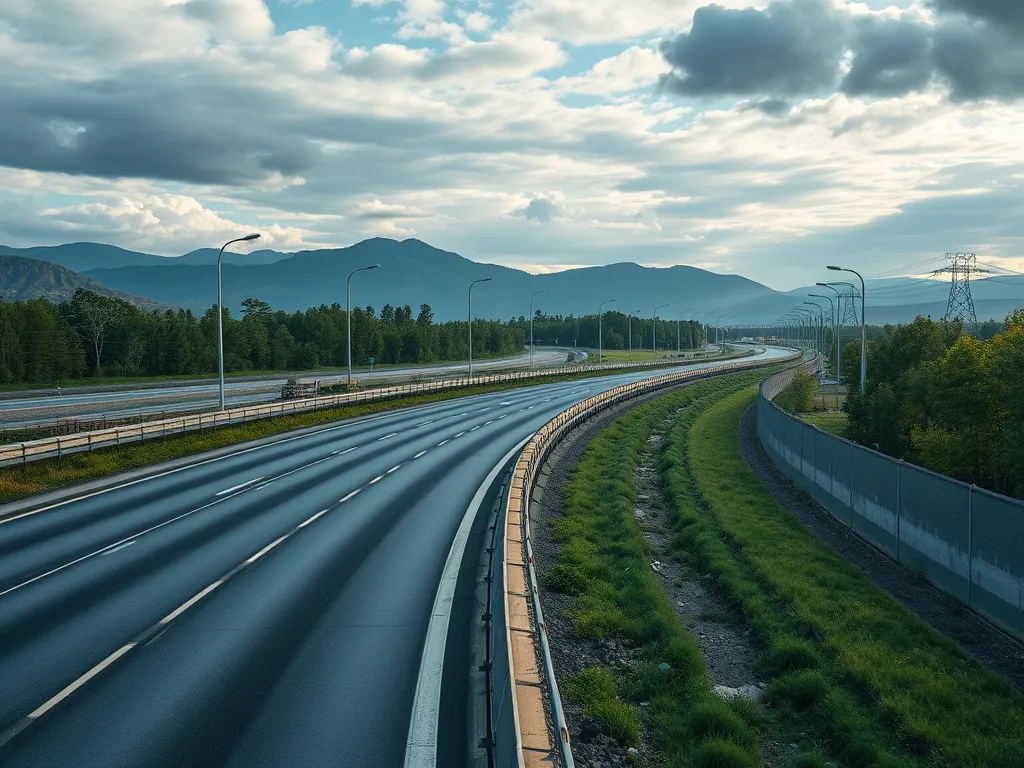
Rubberized asphalt noise reduction shines where quiet matters most. From roaring highways to playgrounds, this material transforms urban soundscapes through targeted engineering.
Highway Resurfacing Projects
Rubberized asphalt reduces noise by 7-12 decibels on highways compared to dense-graded mixes. Phoenix’s Loop 101 project cut traffic noise 45% after resurfacing 23 lane-miles with rubber-modified asphalt. The material’s open-graded structure absorbs tire whine at speeds above 35 mph, while crumb rubber dampens low-frequency vibrations from trucks.
Residential Zones and School Districts
Communities within 500 feet of arterial roads report 50% fewer noise complaints when streets use rubberized asphalt sound absorption layers. California’s Title 24 noise standards now prioritize rubber-modified mixes near schools for their 6-9 dB(A) reduction. The surface’s micro-texture also lowers nighttime noise peaks by softening tire contact.
Integration With Permeable Pavement Systems
Combining rubberized asphalt with permeable designs creates dual-purpose surfaces. Seattle’s RainWise program uses 18% CRM mixes in porous pavements that slash stormwater runoff 70% while achieving 82% sound absorption at 1000 Hz frequencies. Air voids exceeding 20% trap noise waves, with rubber preventing stone-on-stone grinding sounds common in standard permeable pavements.
These real-world successes set the stage for examining technical specifications that maximize rubberized asphalt’s acoustic performance.
Material composition and structural design directly determine how effectively rubberized asphalt controls noise over decades of use.
Technical Specifications Impacting Noise Performance
Rubberized asphalt reduces noise through precise engineering of its physical properties. Three critical factors determine its acoustic performance.
Optimal Rubber Content for Sound Absorption
Crumb rubber modifier (CRM) forms 15-22% of the mix by weight in noise-focused designs. Higher CRM percentages increase elasticity, allowing the pavement to absorb tire vibrations better. Tests show mixes with 18% CRM achieve up to 7 dB(A) reduction compared to standard asphalt. Excess rubber (above 25%) weakens structural integrity, requiring careful balance.
Layer Thickness and Surface Texture Design
Thicker rubberized layers (1.5-2.5 inches) combined with open-graded surfaces amplify noise control. The texture features 0.3-0.5 mm microgrooves that disrupt sound waves. This design creates air channels letting noise dissipate internally rather than reflecting outward. Arizona’s I-17 project used 2-inch rubberized overlays, cutting traffic noise by 35%.
Material Density and Air Void Configuration
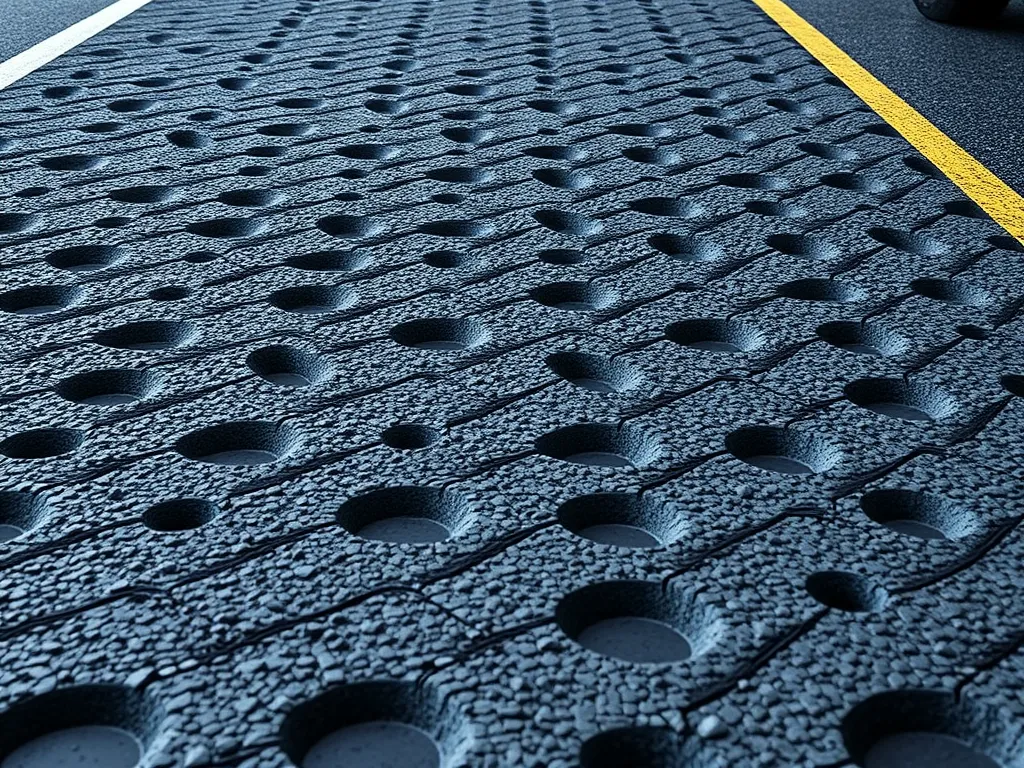
Rubberized mixes maintain 18-22% air void content versus 3-5% in dense-graded asphalt. These interconnected voids act as acoustic traps, absorbing frequencies between 800-2000 Hz – the range of tire-pavement noise. Lower material density (110-125 lbs/ft³ vs. 145 lbs/ft³ for conventional) further dampens vibrations.
With these specifications dialed in, rubberized asphalt becomes a tuned system for noise suppression. Next, we’ll break down the dollars and cents behind this quiet pavement solution.
Cost-benefit Analysis
Rubberized asphalt offers distinct economic benefits when noise reduction goals meet budget constraints. Let’s break down the numbers.
Initial Installation Vs. Long-term Maintenance Savings
Installing rubberized asphalt costs $3-$5 per square foot, 20-30% higher than conventional mixes due to crumb rubber modifier (CRM) integration. But its 15-20-year lifespan outperforms standard pavements needing resurfacing every 8-12 years. Over two decades, maintenance costs drop 40-50% thanks to fewer cracks, rutting repairs, or overlays. Phoenix’s 10-mile highway project saw $1.2 million saved over 15 years by cutting pothole fixes by 70%.
Cost Efficiency Compared to Noise Barrier Walls
Noise walls remain common but costly. Constructing 1 mile of 12-foot-tall concrete barriers runs $2.1-$3.5 million. Rubberized asphalt resurfacing for the same stretch costs $900k-$1.4 million while delivering 3-6 dB noise reduction—matching low-height walls. Unlike static barriers, rubberized pavements serve dual roles: quieter surfaces plus smoother rides.
| Feature | Rubberized Asphalt | Noise Walls |
|---|---|---|
| Cost per linear foot | $3-$5 | $60-$100 |
| Noise reduction | 3-6 dB | 5-10 dB |
| Lifespan | 15-20 years | 25-30 years |
Beyond dollars, rubberized mixes reuse 2,000 scrap tires per lane-mile—tying economic savings to ecological gains. Next, we’ll explore how this material turns waste into quieter roads.
Environmental Advantages
Rubberized asphalt delivers noise control while tackling environmental challenges tied to tire waste. Its dual-purpose design merges acoustic performance with eco-friendly material reuse.
Recycling End-of-life Tires
Every lane mile of rubberized asphalt uses 2,000 scrap tires, transforming them into crumb rubber modifier (CRM). This granular additive enhances pavement flexibility and creates microscopic air pockets. These voids absorb sound waves at the source, cutting highway noise by 3-5 decibels. For scale: 40 million tires get repurposed annually through rubberized mixes in the U.S., diverting 1.2 million tons from stockpiles.
Reducing Landfill Waste Through Pavement Innovation
Traditional disposal methods bury 16% of discarded tires, risking toxic fires and leaching. Rubberized asphalt captures 95% of CRM from processed tires, slashing landfill demand. Phoenix’s I-10 project reused 25,000 tires per mile, trimming waste while maintaining 72% noise absorption after 8 years. Less buried rubber means fewer ground vibrations and airborne noise near waste sites—directly benefiting communities within 2 miles of landfills.
These green gains set the stage for examining real-world performance. Next, we’ll explore measured decibel drops across urban and highway projects.
Frequently Asked Questions (FAQ)
How Much Noise Reduction Does Rubberized Asphalt Provide?
Rubberized asphalt typically reduces traffic noise by 3 to 10 decibels (dB), with designs featuring higher rubber content achieving even greater reductions. In practical terms, this can make traffic sound perceive roughly half as loud, creating a quieter environment for nearby communities.
Is It Effective for Heavy Traffic Areas?
Yes, rubberized asphalt is particularly effective in heavy traffic areas. Its unique composition allows it to withstand high volumes of traffic while significantly reducing noise levels, making it an ideal choice for highways and busy urban roads where sound pollution is a concern.
Does Weather Affect Its Noise Absorption Properties?
Rubberized asphalt maintains effective noise absorption properties even in varying weather conditions. The flexibility of the rubber combined with its engineered porosity allows it to perform consistently across different temperatures and precipitation levels, ensuring long-term noise control in diverse climates.
Closing Thoughts
Rubberized asphalt stands out as an innovative solution for reducing noise pollution. By utilizing crumb rubber from recycled tires, this material not only repurposes waste but also effectively absorbs sound. Its porous structure and elastic properties allow it to dampen vibrations, making roads quieter, especially in high-traffic areas.
With proven decibel reduction and long-lasting performance, rubberized asphalt offers a reliable alternative to conventional surfaces. It’s crucial for applications in residential zones, schools, and environmentally sensitive areas. The benefits extend beyond noise reduction, promoting greater durability and lower long-term maintenance costs.
For more insights on asphalt applications and innovations, visit Asphalt Calculator USA.

