How Your Local Weather Shapes Asphalt Roads
Published on: January 15, 2026 | Last Updated: April 14, 2025
Written By: George Voss
Regional climate directly determines asphalt mix formulas used in road construction. Temperature extremes, rainfall patterns, and freeze-thaw cycles force engineers to adjust three key components: binder types, aggregate sizes, and additive packages. A Phoenix highway needs different asphalt than a Minnesota parking lot because 120°F heat softens pavement, while -30°F cold causes cracks. These climate-driven recipes balance stiffness in summer heat with flexibility during winter cold.
This article explains how asphalt mixes change across climate zones. You’ll learn why Florida uses PG 76-22 binder (Performance Grade rated for 76°C high/ -22°C low temps) while Montana specifies PG 64-34. We break down temperature impacts on installation timing, how mountain snow demands special crack-resistant mixes, and why desert roads need extra stone content. Charts show placement temps from 275°F in winter to 150°F in summer. Real-world examples include polymer-modified asphalt in coastal humidity and porous mixes for flood-prone regions.
Contents
- The Role Of Temperature in Asphalt Mix Design
- Climate Zones and Asphalt Performance Requirements
- Weather-driven Asphalt Mix Design Process
- Optimal Application Temperatures by Region
- Climate-specific Performance Challenges
- Environmental Considerations in Climate-adapted Mixes
- FAQ: Climate and Asphalt Mix Specifications
- Closing Thoughts
- Useful References for You:
The Role Of Temperature in Asphalt Mix Design
Heat and cold shape how asphalt performs. Mix designs shift to match local temps. Builders pick parts that hold up under stress from weather swings.
How Temperature Variations Influence Asphalt Consistency
Asphalt acts like putty—soft when hot, brittle when cold. Binder (the glue in asphalt) must stay stable across yearly highs and lows. Tests like PG grading set binder strength for each zone.
Impact of High Temperatures on Binder Viscosity
Hot climates demand stiff binders. Above 90°F, soft binders let roads sag, forming ruts. PG 76-22 binders resist flow better than PG 64-22. Crushed stone and polymer blends boost heat fight. Key specs:
- Higher binder stiffness (PG 70+ grades)
- More angular rocks for grip
- Fiber or rubber to block rutting
Cold Weather Challenges for Asphalt Compaction
Below 50°F, asphalt cools too fast to pack tight. Poor compaction leads to cracks and water damage. Fixes include:
- Warm mix tech (additives cut pour temps by 50°F)
- Softer binders (PG 58-28 bends in freeze)
- Thicker layers to hold heat longer
In Maine, crews pave at 275°F vs. Arizona’s 325°F. Timing matters—cold jobs wrap by noon.
Temp tweaks set the stage for deeper climate zone needs. Next, we map mixes to weather zones.
Climate Zones and Asphalt Performance Requirements
Asphalt mixes must match local weather to last. Heat, cold, rain, and dry air change what each road needs. Builders pick parts and methods based on where they work.
Asphalt Mix Specifications for Hot Climates
Hot zones need asphalt that won’t bend or dent under heat. Roads here face temps over 100°F. Mix designs focus on stiff binders and strong rocks.
Rutting Resistance and High-Temperature Stability
Rutting forms when trucks push soft asphalt. To stop this, hot mixes use Performance Grade (PG) 76-xx binders. These stay stiff at high temps. Crushed stone with sharp edges locks tight, adding strength. Some states add 2-4% lime to fight moisture harm.
Cold Climate Asphalt Mix Adaptations
Freeze-thaw cycles crack weak asphalt. Cold area mixes bend with temp swings without breaking. Softer binders and small rocks help.
Low-Temperature Flexibility and Crack Prevention
PG 58-34 binders stay flexy below 0°F. Fibers or rubber bits (up to 15%) absorb stress. Air voids stay under 4% to block ice damage. Minnesota uses this in 80% of winter roads.
Temperate Region Balance in Mix Design
Zones with mild summers and cool winters need all-round mixes. PG 64-22 binders handle -20°F to 140°F. Mid-size rocks (3/4”) give grip and drain rain. States like Ohio use 20% recycled asphalt here.
Arid Climate Considerations for Asphalt Durability
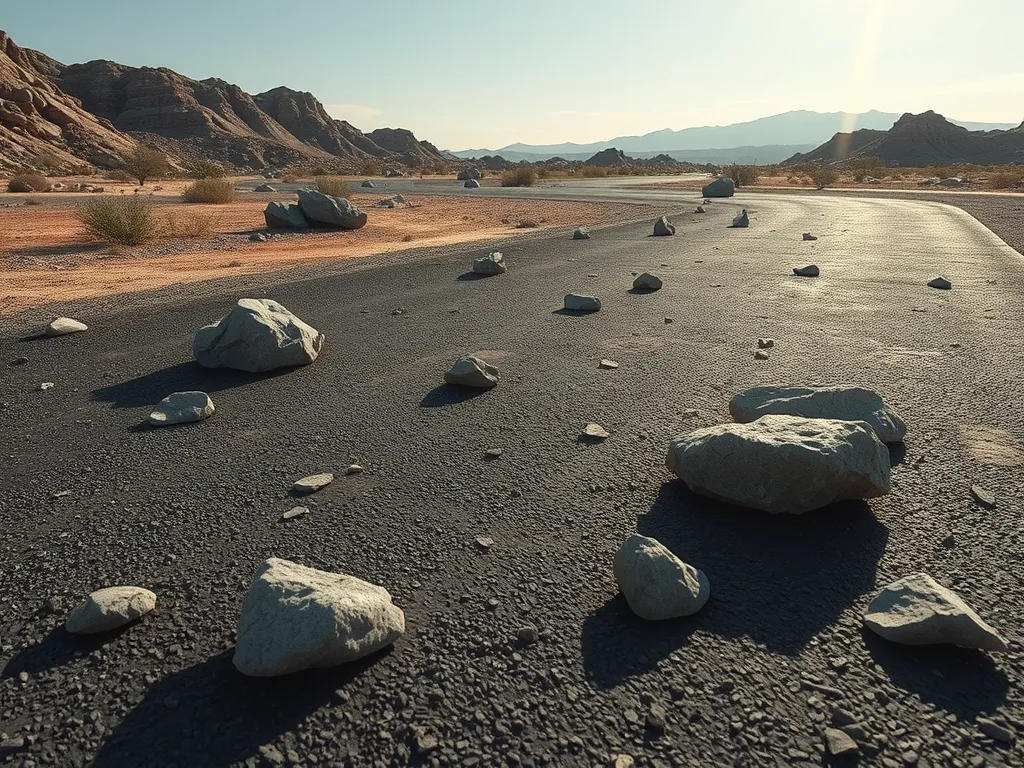
Dry heat and UV rays bake asphalt. Hard PG 82-xx binders fight aging. Seal coats every 3-5 years block cracks. Arizona adds sand for wind wear and uses dark rocks to cut glare.
Weather shapes every mix choice. Next, we break down how pros tweak each step for local skies.
Weather-driven Asphalt Mix Design Process
Climate dictates every asphalt mix decision. Engineers tailor materials to handle local weather extremes while balancing structural needs. This process combines material science with meteorological data.
Aggregate Selection Based on Regional Conditions
Local stone types directly affect pavement performance. In hot climates, crushed granite (Mohs 6-7 hardness) resists rutting better than softer limestone. Northern regions use rounded river gravel for freeze-thaw stability – its shape allows 2-3% more expansion space than angular aggregates. Desert mixes require aggregates with 95% LA Abrasion resistance to withstand sand erosion.
Binder Grade Adjustments for Climate Demands
Bitumen stiffness gets calibrated to regional temperature swings. The PG grading system (Performance Graded) matches binder behavior to climate needs:
PG Grading System and Temperature Ranges
| PG Grade | High Temp (°F) | Low Temp (°F) | Common Regions |
|---|---|---|---|
| PG 58-28 | 58 | -28 | Northern MN, Canada |
| PG 64-22 | 64 | -22 | Midwest USA |
| PG 76-16 | 76 | -16 | Southwest deserts |
The first number shows maximum pavement temperature tolerance. The second indicates minimum cracking temperature. Phoenix roads use PG 76-xx binders to resist softening at 150°F surface temps. Minnesota mixes need PG xx-28 grades to prevent thermal cracks below -20°F.
These climate-specific material choices directly impact installation needs. Let’s examine how regional temps dictate paving schedules…
Also See: Importance Of Edge Restraint in Asphalt Applications
Optimal Application Temperatures by Region
Regional climate dictates precise temperature thresholds during asphalt placement. These requirements ensure proper compaction, bonding, and long-term structural integrity. Mixes designed for Phoenix summers won’t perform in Minnesota winters without temperature-driven adjustments.
Laying Temperature Ranges for Summer Vs Winter
Hot mix asphalt (HMA) demands strict thermal control during installation. Summer paving typically requires mix temperatures between 275°F and 325°F. Winter operations drop to 250°F-300°F, with additives extending workability below 50°F ambient.
Ideal Placement Temperatures in Hot Climates
In zones like the Southwest, mixes reach 300°F-325°F to combat rapid cooling. High solar radiation allows lower initial temps (285°F+) but requires faster roller timing. Polymer-modified PG 76-xx binders maintain viscosity under intense heat, preventing tender mix issues during compaction.
Cold Weather Paving Temperature Thresholds
Northern regions enforce 250°F minimum mix temps when paving below freezing. Warm-mix asphalt (WMA) technologies enable placement down to 220°F using organic waxes or chemical surfactants. Contractors monitor wind speed—above 15 mph halts paving to prevent thermal cracking risks.
Temperature management directly impacts pavement density. Next, we’ll explore how freeze-thaw cycles and sustained heat create distinct failure modes tied to climate-specific mix designs.
Climate-specific Performance Challenges
Asphalt faces unique stress tests based on where it’s laid. Mix designs must tackle region-specific threats to last decades. Two key foes emerge: winter’s freeze-thaw cycles and summer’s relentless heat.
Thermal Cracking in Freeze-thaw Cycles
In cold zones, asphalt contracts as temps drop below 32°F. Water seeps into tiny cracks, freezes, and expands by 9%. This repeated stress causes thermal cracks. Mixes here use PG (Performance Graded) binders like PG 58-34 that stay flexible at -34°F. Polymer modifiers boost crack resistance. States like Minnesota mandate 15-25% RAP (Recycled Asphalt Pavement) in mixes to add toughness against freeze damage.
Bleeding and Rutting in Sustained Heat
Hot climates push asphalt past 120°F. Binder softens, letting aggregates shift under traffic. This creates ruts (grooves) or bleeding (shiny, sticky surfaces). High-stability mixes combat this. Texas specs require stone matrix asphalt (SMA) with 6-7% binder and rugged crushed stone. Binder grades like PG 76-22 handle peak temps. Adding lime or fibers reduces drain-off during laydown in Arizona’s 100°F+ summers.
Solving these challenges requires precise local data. Next, we explore how eco-friendly methods adapt to climate needs while cutting costs.
Environmental Considerations in Climate-adapted Mixes
Climate-driven asphalt specifications impact more than pavement performance – they shape environmental outcomes. Engineers now balance durability with energy use, material sourcing, and recycling potential across climate zones.
Energy Consumption in Hot Mix Production
Producing hot mix asphalt (HMA) requires heating aggregates and binders to 300-350°F. In cold regions, winter production burns 15-20% more fuel to maintain mix temperatures. Southern states offset this with warm-mix asphalt (WMA) technologies that lower mixing temps by 50°F, cutting CO₂ emissions by 30%.
| Climate Zone | Avg. BTU/ton | Common Modifiers |
|---|---|---|
| Arctic | 425,000 | PG 58-34 binders |
| Temperate | 385,000 | SBS polymers |
| Arid | 355,000 | Crumb rubber |
Recycling Strategies for Different Climate Zones
Recycled asphalt pavement (RAP) usage varies by thermal stress levels. Northern freeze-thaw cycles limit RAP to 20-25% content to prevent cracking, while southern mixes tolerate 30-40% RAP. Coastal humid zones require anti-stripping agents like hydrated lime when using recycled materials.
Superpave specifications now include climate-specific RAP guidelines: – Hot climates: 40% RAP with softening agents – Cold climates: 25% RAP + 2% recycled engine oil binder – Wet zones: 30% RAP + 1.5% cellulose fibers
These adaptations show how pavement teams meet both environmental goals and climate demands. Next, we’ll examine real-world solutions through common climate-related paving questions.
FAQ: Climate and Asphalt Mix Specifications
How Does Freeze-thaw Cycling Alter Mix Requirements?
Freeze-thaw cycling poses significant risks for asphalt durability, particularly in cold regions. As temperatures oscillate around the freezing point, moisture seeps into small cracks within the asphalt. When water freezes, it expands, exerting pressure on the asphalt and leading to thermal cracking. To counteract this, mix designs in these areas often include flexible binders like PG 58-34 and may incorporate recycled materials to enhance resilience against cracking.
What Binder Modifiers Work Best in Humid Climates?
In humid climates, asphalt mixes benefit from the use of binder modifiers that enhance properties such as moisture resistance and elasticity. Common additives include polymers like styrene-butadiene-styrene (SBS) or crumb rubber, which improve the overall flexibility and durability of the asphalt against deformation and moisture-related damage. These modifiers help prevent stripping and extend the lifespan of asphalt pavements in areas with high humidity levels.
Closing Thoughts
Regional climate plays a vital role in determining asphalt mix specifications. Temperatures, humidity, and climate zones directly influence the choice of materials and design parameters for asphalt mixtures. For instance, hotter climates require mixes that excel in rutting resistance and high-temperature stability, while cold regions need mixes that are flexible to prevent cracking during freeze-thaw cycles.
By adapting asphalt mixes to specific environmental conditions, engineers enhance performance and durability. This means selecting the right aggregates and adjusting binder grades based on temperature demands. Such careful planning not only improves road longevity but also optimizes costs and reduces environmental impact.
For further insights and detailed calculations related to asphalt specifications, check out Asphalt Calculator USA.
Useful References for You:
- ASTM International (Asphalt & Pavement Standards)
- Asphalt Pavement Thickness and Mix Design – Asphalt Institute
- From Hot to Warm | FHWA
- Warm Mix Asphalt Technologies and Research – WMA – Sustainability – Pavements – Federal Highway Administration
- Regional variations of climate change impacts on asphalt pavement rutting distress – ScienceDirect