How Often Should You Seal Asphalt? Pro Tips to Protect Your Pavement
Published on: January 14, 2026 | Last Updated: April 14, 2025
Written By: George Voss
Seal asphalt every 2-3 years for driveways and 1-2 years for parking lots using coal tar or asphalt-based sealcoating (a protective layer). This prevents cracks, sun damage, and water penetration while extending pavement life up to 15 years. Wait 6-12 months before sealing new asphalt to let oils fully cure. Adjust timing based on traffic levels, weather extremes like UV exposure or freeze-thaw cycles, and visible wear like fading or minor cracks.
This guide explains how weather, usage patterns, and pavement age impact resealing needs. We’ll break down exact timelines for homes versus businesses, spot early warning signs like raveling aggregate or drainage issues, and compare DIY costs ($0.15-$0.25 per sq ft) to professional services ($0.30-$0.60 per sq ft). Explore eco-friendly sealants, application best practices in 50°F+ weather, and answers to common “how soon?” questions.
Contents
- Factors That Determine How Often to Seal Asphalt
- Recommended Sealing Frequency for Asphalt Surfaces
- Signs Your Asphalt Needs Sealing
- Proper Asphalt Sealing Process
- Cost Considerations for Sealing Asphalt
- Environmental Considerations
- FAQs About Asphalt Sealing Frequency
- Closing Thoughts
- Additional Resources for You:
Factors That Determine How Often to Seal Asphalt
Sealcoating frequency depends on four key variables. Each affects asphalt degradation rates and protection needs.
Traffic Volume (Residential Vs. Commercial)
Weight and vehicle count directly influence wear. Residential driveways handling 2-4 cars daily can wait 3 years between sealants. Commercial lots with 500+ daily vehicles require annual sealing. Semi-truck traffic (8,000+ PSI axle loads) demands 6-12 month cycles to prevent rutting and cracks.
Climate and Weather Exposure
Regional weather patterns dictate sealing urgency. Areas with 30+ annual freeze-thaw cycles or 90°F+ summer temps need 18-24 month applications. Coastal zones with salt spray or regions getting 40″+ yearly rainfall benefit from biennial treatments. Use polymer-modified sealants in extreme climates for better flexibility.
Age Of Asphalt Surface
New asphalt needs 6-12 months to fully cure before first sealing. Oxidation accelerates after year 5 – surfaces older than 8 years typically require yearly attention. Porous surfaces over 15 years old may need two sealcoat layers every 24 months.
Visible Surface Wear and Tear
Monitor these degradation markers:
- 1/8″ hairline cracks: Seal within 60 days
- 5%+ surface raveling (loose gravel): Immediate sealing required
- Faded color (40%+ lightness increase): Apply within 90 days
These factors shape your sealing schedule. Up next: recommended timelines based on surface type and usage.
With these variables accounted for, let’s examine standard sealing intervals for different asphalt applications.
Recommended Sealing Frequency for Asphalt Surfaces
Proper timing prevents premature pavement failure. Follow these industry-tested intervals based on surface type and traffic patterns.
Residential Driveways: 2-3 Year Intervals
Home driveways handling 2-4 daily vehicles typically require sealing every 24-36 months. In snowy regions with freeze-thaw cycles or areas with intense sun exposure, lean toward 2-year cycles. Inspect annually for oil stains (common near garage entries) that degrade sealants faster.
Commercial Parking Lots: 1-2 Year Intervals
Parking facilities averaging 300-500 vehicles daily need yearly sealing. High-volume retail centers or truck loading zones may demand semi-annual maintenance. Use commercial-grade coal tar or asphalt emulsion sealants rated for 8-12 PSI tire pressure resistance.
New Asphalt: Minimum 6-12 Month Curing Period
Freshly laid asphalt releases volatile oils for 180-365 days. Sealing before full curing creates surface voids (1-3mm depth) trapping moisture. Test readiness: sprinkle water – if absorbed within 10 seconds, the pavement is seal-ready.
High-traffic Vs. Low-traffic Areas
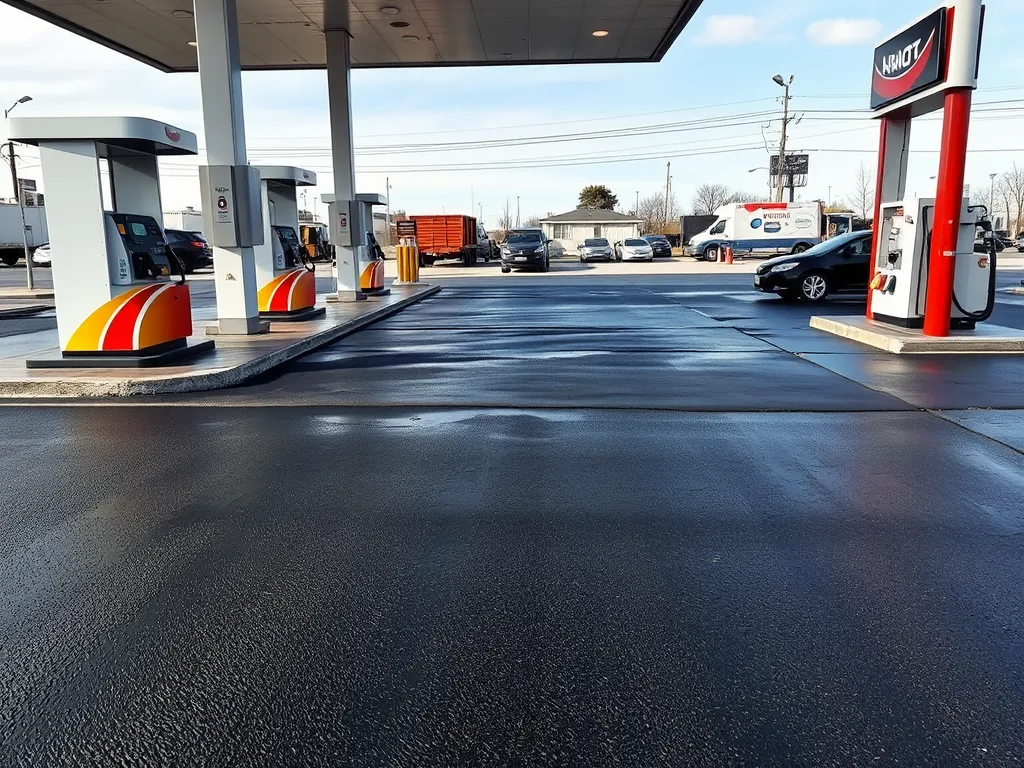
• Gas station forecourts: Seal every 12 months • Apartment complex roads: 18-month cycles • Church overflow parking: 36-48 months • Warehouse loading docks: 6-month touch-ups
These timelines set the baseline – but visible wear patterns dictate final decisions. Next, learn to spot critical signs demanding immediate sealing attention.
Signs Your Asphalt Needs Sealing
Watch for clear clues that your blacktop needs fresh sealant. Spot these issues early to keep costs low and prevent major damage.
Fading Color and Surface Oxidation
Gray streaks or patchy areas show sun damage. UV rays break down the asphalt binder over time. Sealcoating blocks oxidation, keeping surfaces jet-black and flexible. Driveways in sunny states like Arizona may need sealing sooner than shaded lots in Oregon.
Minor Cracks and Edge Deterioration
Hairline cracks (under 1/4 inch wide) let water seep into the base layer. Crumbling edges near grass or curbs speed up wear. Seal fills small gaps before they grow. Fix these flaws now or pay $3-$5 per square foot for crack repairs later.
Surface Raveling or Aggregate Loss
Loose stones or sandy spots mean the top layer is failing. Heavy trucks or freeze-thaw cycles shake binders loose. Sealcoating adds a protective film but works best before severe raveling starts. If you see 10%+ stone loss, repair before sealing.
Water Pooling and Reduced Drainage
Puddles lasting over 24 hours signal trouble. Poor drainage erodes the base and causes cracks. Sealant fills tiny pores to shed water faster. Slopes under 2% grade need extra care – check low spots near drains or curbs.
Caught these red flags? Time to explore the right steps for a smooth, lasting seal job.
Also See: Can You Play Pickleball on Asphalt? What to Know
Proper Asphalt Sealing Process
A lasting seal depends on technique as much as timing. Follow these steps to maximize protection between applications.
Surface Preparation and Cleaning
Pressure-wash asphalt to remove dirt, oil, and vegetation. Stains cut sealant adhesion by 50%. For heavy oil spots, apply trisodium phosphate (TSP) cleaner. Let surfaces dry 4-6 hours before sealing.
Crack Sealing and Repairs
Fill cracks >1/8″ wide with rubberized asphalt emulsion. Use cold-patch compound for potholes. Repaired areas need 4-8 hours to set before sealcoating. Skipping repairs leads to 30% faster sealant failure.
Optimal Weather Conditions for Application
Apply sealcoat between 50-85°F with <50% humidity. Avoid direct sunlight on surfaces >90°F. Rain within 24 hours washes away 40% of fresh sealant. Check 48-hour forecasts.
Sealcoat Application Methods (Spray Vs. Squeegee)
Spray systems cover 2,000 sq ft/hour but require 10-15% more material. Squeegee methods apply thicker coats (0.10-0.15 gal/sq yd) for high-traffic zones. Always maintain 0.08-0.12 gal/sq yd coverage.
Curing Time and Post-application Care
Allow 24-48 hours curing before vehicle traffic. Foot traffic can resume after 4 hours. Avoid gas/diesel spills for 30 days – petroleum solvents degrade fresh sealants. Reapply every 12-18 months in commercial zones.
With the right application strategy, you can stretch sealcoating intervals while maintaining protection. Next, let’s break down the financial aspects of maintaining your asphalt investment.
Cost Considerations for Sealing Asphalt
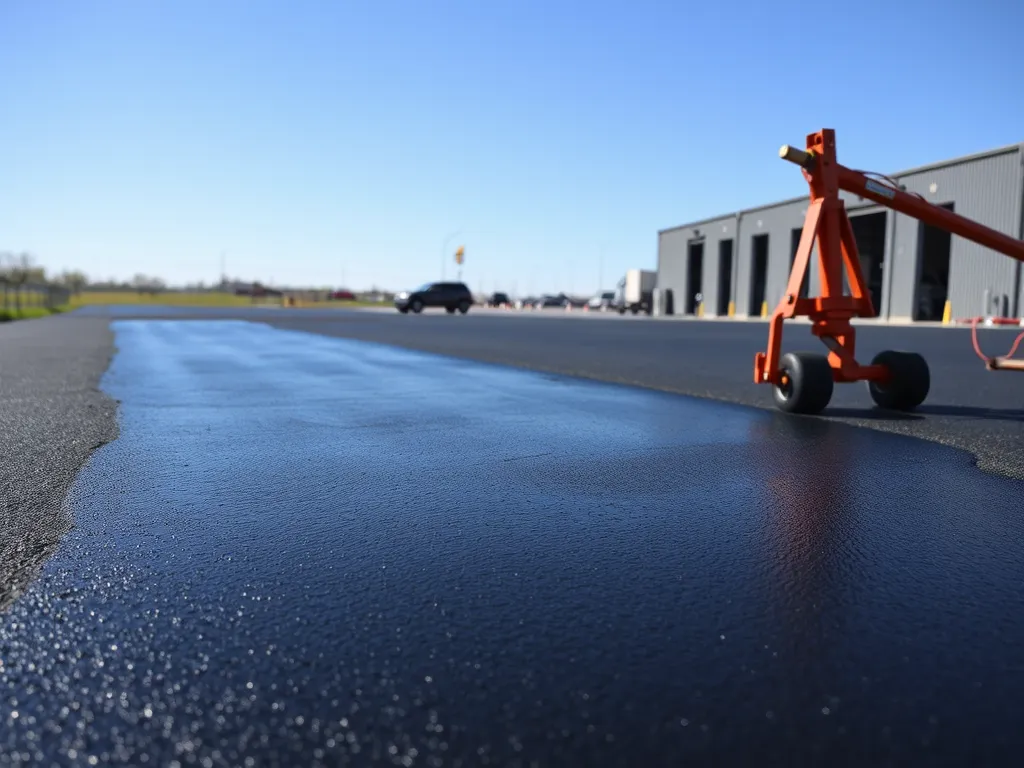
Sealing frequency directly impacts long-term pavement costs. Balancing protection needs with budget requires analyzing key price variables and application methods.
Price Factors: Size, Condition, and Labor
Square footage drives material costs: sealcoat prices range $0.15-$0.35 per sq.ft. for standard coal-tar emulsions. A 1,000-sq.ft. driveway needs 55-60 gallons per coat, costing $180-$420. Degraded surfaces add $0.50-$3.00 per linear foot for crack filling before sealing. Labor accounts for 40%-60% of pro services, with regional rates from $45-$75/hour.
High-traffic commercial lots sealed yearly incur 2-3x more lifetime costs than residential driveways maintained every 3 years. Delaying sealing risks $4-$10 per sq.ft. asphalt replacement versus $0.30-$0.80 maintenance.
DIY Sealing Vs. Professional Services
DIY cuts upfront costs by 60%: materials cost $0.10-$0.25 per sq.ft. versus pro rates of $0.25-$0.55. But rental equipment ($80/day spray systems), prep time (4-6 hours cleaning), and technique errors often reduce sealant lifespan by 30%-50%.
| Factor | DIY | Professional |
|---|---|---|
| Cost per 1,000 sq.ft. | $100-$250 | $250-$550 |
| Expected Longevity | 1-2 years | 2-4 years |
| Time Investment | 8-12 hours | 3-5 hours |
Climate changes sealing math: UV-heavy regions see faster wear, pushing DIYers toward annual applications. Professionals using polymer-modified sealants extend intervals to 2.5-3.5 years in mild zones.
Budget-conscious property managers track pavement age: surfaces under 5 years gain 22% more lifespan with biennial pro sealing versus sporadic DIY efforts.
Sealcoating costs intertwine with weather patterns and use demands – but ecological impacts also shape ideal schedules.
Environmental Considerations
Sealing frequency directly affects ecological impacts. Choosing sustainable methods balances pavement protection with environmental responsibility.
Eco-friendly Sealant Options
Bio-based sealants made from soybean oil or pine tar offer alternatives to traditional coal-tar emulsions. Low-VOC (volatile organic compound) formulas release fewer than 150 grams per liter during application compared to 300+ grams in standard products. Water-based acrylics provide UV resistance without petroleum derivatives. These options maintain performance while cutting toxic runoff by 40-60% in stormwater studies.
Impact Of Regular Maintenance on Longevity
Adhering to asphalt sealcoating frequency guidelines extends pavement lifecycles. Properly sealed surfaces last 25-30 years versus 15-20 years for neglected asphalt. Annual sealing reduces crack-related repairs by 30-50%, cutting aggregate mining and binder production demands. A lifecycle analysis shows each year of added durability prevents 4 tons of CO2 emissions per mile from reconstruction activities.
Balancing protection needs with ecological impacts requires strategic planning. Let’s explore common questions about timing your next sealcoat application.
FAQs About Asphalt Sealing Frequency
How Soon Should You Seal a New Asphalt Driveway?
It’s recommended to wait at least 6 to 12 months before sealing a new asphalt driveway to allow the oils to fully cure. Sealing too early can trap moisture and create voids in the sealant.
Can You Seal Asphalt Too Often?
Yes, sealing asphalt too frequently can lead to an unnecessarily thick build-up of sealant, which may trap moisture and cause surface problems. It’s important to follow recommended intervals based on traffic and wear patterns.
What Happens if I Wait Too Long to Seal My Asphalt?
Delaying sealcoating can lead to significant wear, including cracks and raveling, which may require expensive repairs or full replacement. Regular maintenance prevents these issues and extends the life of the asphalt.
How Do I Know if My Driveway Needs Resealing?
Look for signs like fading color, minor cracks, surface raveling, and pooling water. If you notice significant changes in these areas, it’s likely time to reseal your driveway.
Is DIY Asphalt Sealing Cost-effective?
While DIY sealing can save money, it often requires substantial time and effort. Improper application may reduce the longevity of the sealant, leading to more frequent maintenance than professional services.
What’s the Ideal Season for Sealcoating?
The best season for sealcoating is late spring to early fall, when temperatures are consistently above 50°F, and there is minimal chance of rain. This ensures optimal adhesion and curing of the sealant.
Closing Thoughts
Maintaining your asphalt surface is key to preserving its lifespan and functionality. Regular sealing, ideally every 2-3 years for residential driveways and 1-2 years for commercial lots, helps protect against wear and tear, harsh weather, and traffic stress. Recognizing the right signs for resealing, like fading color and surface cracks, will ensure your pavement remains in top condition.
For detailed guidelines and tools to optimize your asphalt maintenance schedule, consider visiting Asphalt Calculator USA. Here, you’ll find valuable resources to support your sealing efforts.
Additional Resources for You:
- Roberts, F. L., Kandhal, P. S., Brown, E. R., Lee, D. Y., & Kennedy, T. W. (1996). Hot Mix Asphalt Materials, Mixture Design, and Construction (2nd ed.). National Asphalt Pavement Association (NAPA).
- When to Sealcoat or Resurface Your Asphalt Driveway | UNIQUE Paving Materials
- How Often Should I Seal My Asphalt Driveway in Colorado? | Asphalt Doctors
- Driveway Sealcoating: The Why, How and When
- FAQs | Midwest Sealcoat