How Long Does It Take Asphalt to Harden?
Published on: January 10, 2026 | Last Updated: April 14, 2025
Written By: George Voss
Asphalt takes 24–48 hours to harden for light traffic use but requires 6–12 months to fully cure. Drying time depends on weather conditions, layer thickness (typically 2–4 inches), and mix type—like hot mix asphalt (HMA) or polymer-modified binders. For construction schedules, plan for 3–5 days before allowing regular vehicles and 30 days for heavy trucks. Maintain new pavement by avoiding sharp turns, prolonged parking in one spot, and applying sealcoat after 6–12 months.
This article covers how temperature swings, PG (Performance Grade) binders, and base preparation affect hardening speed. Learn timelines for driving on fresh vs. resurfaced asphalt, sealing windows (30–90 days), and cold-weather challenges. Find out risks like rutting from early use and methods to protect surfaces during curing. Environmental impacts like VOC emissions during curing and sustainable practices are also explained.
Contents
- Understanding Asphalt Hardening and Curing
- Key Factors Influencing Asphalt Hardening Time
- Timelines for Asphalt Hardening in Common Scenarios
- Weather-specific Hardening Considerations
- Consequences Of Premature Use
- Best Practices for Asphalt Care During Curing
- Environmental Impact Of Asphalt Hardening
- Frequently Asked Questions
- Closing Thoughts
- Additional Resources for You:
Understanding Asphalt Hardening and Curing
Asphalt hardening transforms hot mix asphalt (HMA) from a pliable material into a load-bearing surface. This phase determines when the pavement can handle traffic, weather, and long-term wear. Let’s break down the science behind it.
What is Asphalt Hardening?
Asphalt hardening occurs as liquid bitumen binds aggregates like crushed stone or sand. At laydown temperatures of 290-330°F, the mix remains workable. As it cools, the bitumen thickens, locking aggregates into place. Full hardness develops over months, with 95% strength achieved within 6-12 months. During this period, volatile organic compounds (VOCs) slowly evaporate, further stabilizing the pavement.
Difference Between Drying, Curing, and Solidifying
These terms describe distinct phases of asphalt’s transformation:
- Drying: Water evaporation from the surface layer. Takes 24-72 hours in temperatures above 50°F. Allows light foot traffic but not vehicle weight.
- Curing: Chemical changes in bitumen that improve flexibility and strength. Lasts 6-12 months, influenced by UV exposure and temperature swings.
- Solidifying: Physical hardening as the mix cools. Surface becomes firm enough for cars in 2-3 days but remains vulnerable to heavy loads.
These stages set the foundation for exploring factors that speed up or slow down hardening times. Let’s examine what affects your pavement’s readiness.
Key Factors Influencing Asphalt Hardening Time
Multiple elements determine how long asphalt takes to harden. These variables affect drying rates, structural integrity, and surface readiness.
Temperature and Weather Conditions
Ambient temperature ranks as the top factor controlling asphalt curing speed. Hot mix asphalt requires ground temps above 50°F for proper compaction.
Impact of Cold Weather on Curing
Below 40°F, asphalt binder viscosity increases dramatically. This slows evaporation of light oils (called cutbacks) in the mix. Cold-weather PG binders extend working time but add 30-50% longer curing periods.
Drying Time After Rain
Rainwater infiltration cools the asphalt mat and creates steam pockets. After a 1/2″ downpour, expect 8-12 extra hours for moisture evaporation before traffic can resume.
Optimal Conditions on Sunny Days
75-90°F air temps with 10-15 mph winds create ideal curing environments. These conditions let fresh asphalt reach walkable firmness in 4-6 hours and full compaction within 24-48 hours.
Asphalt Thickness and Layer Composition
A 2″ residential driveway course hardens faster than 6″ commercial pavement. Multi-layer installations require staged curing:
| Layer Thickness | Foot Traffic Readiness | Vehicle Readiness |
|---|---|---|
| 1.5″ (Resurface) | 6-8 hours | 24 hours |
| 3″ (New Install) | 12-18 hours | 72 hours |
| 6″ (Heavy Duty) | 24-36 hours | 5-7 days |
Type Of Asphalt Mix Used
Hot mix asphalt (HMA) cures fastest at 275-300°F laydown temps. Warm mix additives like Evotherm slow initial hardening by 15% but improve density. Cold patch repairs take 3-5 days to reach 90% strength.
Base Preparation and Ground Conditions
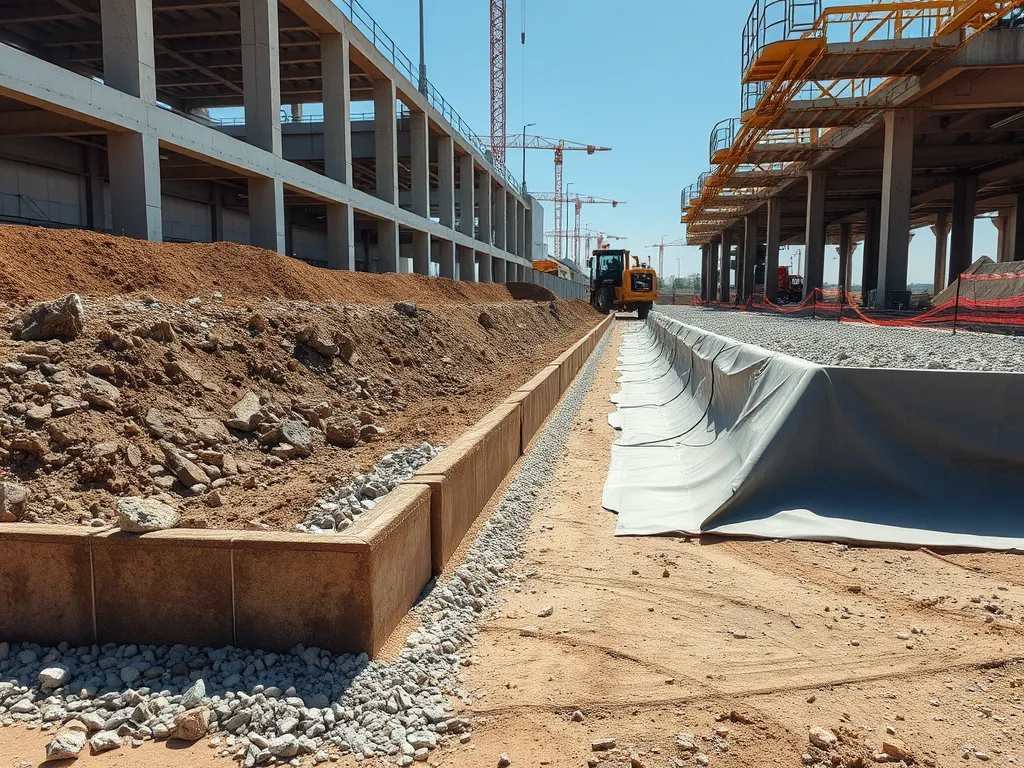
Compacted aggregate bases with 95%+ density prevent heat loss into subgrades. Poor drainage or >8% moisture content in base materials can double hardening times. Geotextile stabilization reduces curing delays caused by unstable soils.
With these factors accounted for, let’s examine real-world timelines for common paving scenarios.
Timelines for Asphalt Hardening in Common Scenarios
Asphalt hardening times vary based on usage type, material thickness, and project scale. These timelines dictate when surfaces become functional or ready for treatments.
How Long Before You Can Drive on Fresh Asphalt
Fresh asphalt reaches walkable hardness in 6-8 hours but needs 24-48 hours before handling vehicle traffic. Light cars can typically drive after one full day. Heavy trucks require 3-5 days to prevent rutting. PG 64-22 binder mixes (common in residential drives) cure faster than polymer-modified commercial grades.
Drying Time for Resurfaced Asphalt
Resurfaced layers (1-2 inches thick) dry in 4-6 hours under 70°F and moderate humidity. Full curing takes 3-7 days depending on underlayer prep. Infrared patched areas harden quicker – often traffic-ready within 2 hours due to retained heat accelerating binder activation.
Curing Time Before Painting or Sealing
Wait 30-90 days before applying sealcoats or paint. Fresh asphalt releases oils that repel liquid treatments. Premature sealing traps volatiles, causing bubbles or poor adhesion. Test readiness by sprinkling water – if it beads, wait longer. Hot-mix asphalt typically cures faster (30 days) than cold-patch (60+ days).
Solidification Time for Different Asphalt Thicknesses
Thicker layers take exponentially longer to harden. A 1.5-inch driveway course solidifies in 48 hours, while 4-inch road bases need 7-10 days. Each additional inch adds ~24-36 hours to curing. Porous asphalt (2-inch depth) dries 40% faster due to air voids aiding vapor release.
Weather dramatically shifts these timelines – let’s examine how temperature extremes alter hardening rates.
Also See: How to Get Asphalt Off Tires Easily
Weather-specific Hardening Considerations
Environmental factors directly affect asphalt curing speed and final durability. Extreme temperatures, moisture levels, and sudden storms create unique challenges during the hardening phase.
Curing in Cold Vs. Warm Temperatures
Temperature swings alter asphalt hardening time significantly. At 50°F or below, thermal contraction slows binder activation, extending curing time to 72+ hours. Warm climates above 70°F accelerate evaporation, allowing foot traffic within 8–12 hours. Note: PG 64-22 binders (common in northern states) resist cracking in cold but require 30% longer curing than warm-weather mixes like PG 76-16.
| Temperature Range | Average Hardening Time |
|---|---|
| Below 50°F | 48–72 hours |
| 50–70°F | 24–48 hours |
| Above 70°F | 12–24 hours |
Managing Humidity During the Drying Process
High humidity above 60% traps moisture within asphalt layers, delaying vapor release. Contractors use infrared thermography to monitor surface moisture content, ensuring levels stay below 5% before allowing traffic. Pro tip: Schedule paving when relative humidity drops below 50% for optimal drying rates.
Protecting Fresh Asphalt From Rain
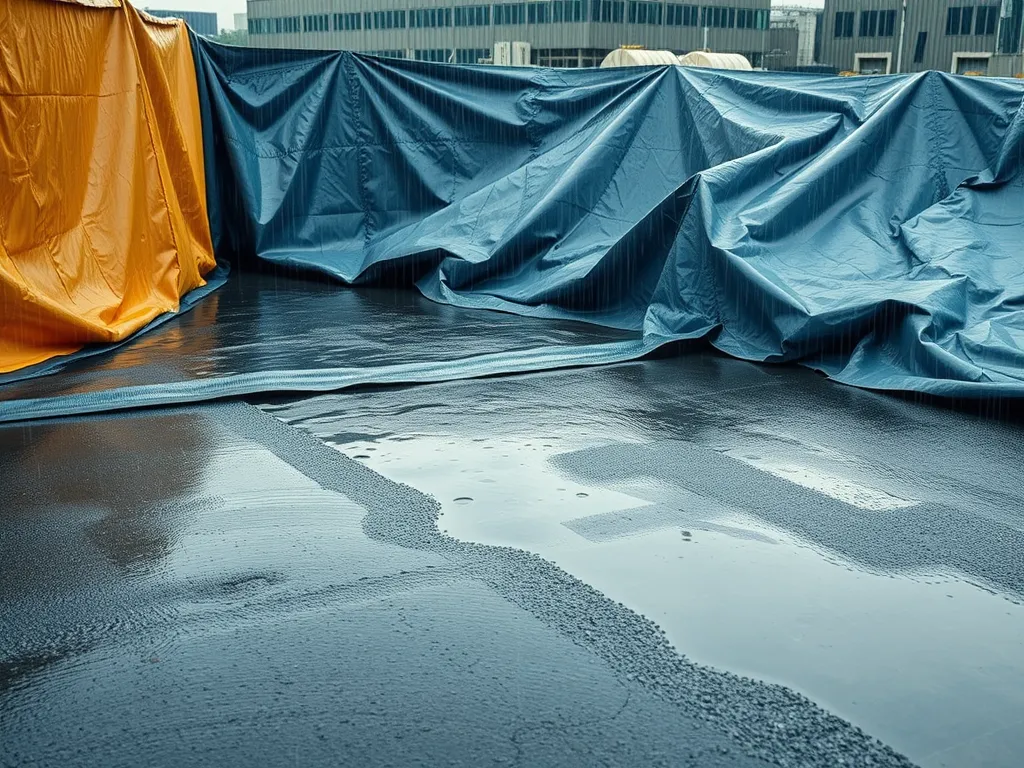
Rain within 48 hours of installation causes surface voids and aggregate displacement. Use waterproof tarps or temporary shelters during unexpected storms. For large projects, apply cationic asphalt emulsions as a protective layer—these seal the surface while permitting gradual curing. Data shows proper rain protection reduces pothole formation by 40% in year one.
Weather challenges demand adaptability, but even minor planning prevents costly repairs. Next, explore what happens when vehicles or foot traffic access asphalt too soon.
Consequences Of Premature Use
New asphalt needs time to reach full strength. Using it too soon risks costly damage and cuts its life span by up to 40%.
Damage Risks From Driving Too Early
Drive on fresh asphalt before 72 hours pass, and you risk:
- Tire marks that won’t smooth out
- Surface cracks from weight stress
- Rutting (dents up to 2″ deep)
- Raveling (loose gravel spots)
Heavy trucks cause 3x more harm than cars. Repairs cost $3-$7 per square foot – 50% more than regular fixes.
Identifying Fully Cured Asphalt
Check these signs to know when asphalt hits 95% hardness:
- Color shifts from jet black to slate gray
- No tacky feel in 85°F+ heat
- Thumb pressure leaves no dent
- Water beads up, doesn’t soak in
Full cure takes 7-30 days. Use a penetrometer for exact data – 350 kPa means road-ready.
Let fresh asphalt cure right, and it lasts 15-20 years. Next, learn how to shield your pavement during this key phase.
Best Practices for Asphalt Care During Curing
Fresh asphalt needs proper care to reach full strength. Follow these steps to guard your pave job while it sets.
Protective Measures for New Surfaces
Block traffic for 24-72 hours post-install. Use cones or tape to stop cars, bikes, or foot steps. Even light loads leave marks if applied too soon. Keep water off the surface – no hose sprays or puddles for 48 hours. Cover edges with sand if rain threatens. Check temps: below 50°F adds 2-3 days to set time.
Accelerating the Hardening Process Safely
Use thermal blankets in cold snaps to trap heat. Apply thin seal coats after 72 hours if temps stay above 60°F. Mixes with PG 64-22 binder cure 20% faster than standard grades. Roller compactors add density – aim for 93% max density during laydown. Avoid chemical hardeners; they risk surface cracks in heat over 85°F.
Smart care cuts cure time by 30% without weak spots. Next, we’ll break down how weather shifts change hardening rates – including frost risks and sun gains.
Environmental Impact Of Asphalt Hardening
While focusing on timelines for pavement readiness, the curing process affects more than project schedules. Emissions rise during volatile compound release, while sustainable methods balance ecological concerns with hardening efficiency.
Emission Considerations During Hardening
Newly laid pavement releases volatile organic compounds (VOCs) as bitumen cools. These emissions peak within the first 72 hours—the critical window when surfaces reach 50% hardness. PG (Performance-Graded) binders emit 15-30% fewer VOCs than conventional mixes, directly influencing curing duration. Higher temperatures speed up VOC release but shorten hardening phases, creating trade-offs between air quality goals and project timelines.
Pavement thickness modifies emission patterns. Thin overlay courses (1.5-2 inches) off-gas faster but require more frequent resealing, while structural layers (4+ inches) emit steadily over 5-7 days. Monitoring PM2.5 levels near worksites remains vital during this phase to meet EPA air quality standards.
Sustainable Curing Practices
Warm-mix asphalt technologies cut production temperatures by 50°F, reducing VOC emissions while maintaining 8-12 hour initial curing windows. Contractors now blend up to 40% reclaimed asphalt pavement (RAP) into mixes, leveraging pre-aged binders that set 20% faster than virgin materials.
Solar reflective seal coats gain traction for managing surface temps during curing. These coatings lower thermal stress by reflecting UV rays, preventing rapid surface hardening that leads to subsurface voids. Misting systems using recycled water also curb dust without delaying the 24-48 hour pedestrian readiness phase.
Looking at the bigger picture, balancing eco-friendly methods with project timelines requires knowing your local climate and mix specifications. Next, we’ll explore common questions about balancing these priorities during pavement projects.
Frequently Asked Questions
How Long Until You Can Drive on Fresh Asphalt?
Fresh asphalt typically requires 24-48 hours of curing time before light vehicles can drive on it, while heavier vehicles may need 3-5 days to avoid damaging the surface.
Does Asphalt Cure Faster in Cold Weather?
No, asphalt does not cure faster in cold weather. In fact, temperatures below 40°F can significantly slow down the curing process, prolonging the time it takes for asphalt to reach its full strength.
How Long Does Resurfaced Asphalt Take to Dry?
Resurfaced asphalt can dry in approximately 4-6 hours under ideal weather conditions (around 70°F). Full curing may take several days depending on the underlying conditions and preparation.
Drying Time After Rain Exposure
After rain exposure, expect an additional 8-12 hours for the asphalt to dry sufficiently before it can handle traffic again, as moisture infiltration can create challenges in curing.
Curing Time Before Painting or Sealing
It is generally recommended to wait 30-90 days before applying any sealcoats or paint to new asphalt. This allows the oils within the asphalt to dissipate properly, ensuring better adhesion of the sealant.
Closing Thoughts
Understanding how long it takes asphalt to harden is essential for successful paving and long-lasting surfaces. Key factors like weather, asphalt type, and layer thickness play significant roles in the hardening timeline. Generally, you can expect fresh asphalt to be ready for light foot traffic within 24 hours, while vehicle traffic may take several days to a week, depending on conditions.
It’s crucial to allow proper curing to avoid damage. Premature use can lead to costly repairs and reduced lifespan of the asphalt. Utilize best practices, such as protecting your new surface from rain and managing humidity, to ensure optimal hardening.
For more information and resources on asphalt hardening and related topics, check out Asphalt Calculator USA.
Additional Resources for You:
- Kett, I. (1999). Asphalt Materials and Mix Design Manual. Oxford: Elsevier Science.
- What is the cure time for asphalt? – Asphalt magazine
- Care of Your New Asphalt Driveway: The First 12 Months
- How Long Does It Take for Asphalt to Cure and Dry?
- Average Asphalt Driveway Drying Time: How Long To Wait To Drive Over New Asphalt – Limitless Golden Construction