How Long Do Asphalt Roads Last? The Lifespan Factors You Need to Know
Published on: January 9, 2026 | Last Updated: April 14, 2025
Written By: George Voss
Asphalt roads typically last 15 to 25 years, depending on traffic loads, climate conditions, and maintenance quality. Highways handling heavy trucks may need replacement in 10-15 years, while residential roads often reach 20+ years with proper care. Three elements determine longevity: base layer strength (6-8 inches for heavy traffic), surface thickness (2-3 inches minimum), and timely repairs like crack sealing within 48 hours of formation.
This article breaks down asphalt durability state-by-state, compares costs versus concrete, and reveals maintenance tricks used by DOT engineers. You’ll learn why Texas roads face different challenges than Florida pavements, how sealcoating adds 3-5 years to surfaces, and when potholes signal deeper base failures. We’ll cover lifespan extension techniques, climate-specific wear patterns, and cost data from recent FHWA studies.
Contents
- Average Lifespan Of Asphalt Roads
- Key Factors Influencing Asphalt Road Longevity
- Maintenance Strategies to Extend Asphalt Road Life
- Signs Your Asphalt Road Needs Replacement
- How Location Affects Asphalt Road Lifespan
- Asphalt Vs. Concrete: Comparing Pavement Longevity
- Frequently Asked Questions
- Closing Thoughts
- Additional Resources for You:
Average Lifespan Of Asphalt Roads
Asphalt roads typically last 15-30 years with standard maintenance. This range accounts for variables like traffic patterns, climatic conditions, and construction quality. Roads built using PG (Performance Graded) binders – asphalt formulated for specific climatic thresholds – often reach upper limits of this span.
Typical Lifespan Range for Asphalt Pavement
Most asphalt pavements function optimally for 15-20 years before requiring major rehabilitation. High-quality installations with Superpave mix designs (advanced asphalt formulas that tailor materials to local conditions) can push this to 25-30 years. Thickness matters: A 4-inch thick highway layer lasts 8-12 years between resurfacing, while 6-inch structural sections may go 15+ years without major work. Proper installation adds 5-7 years to a road’s service life compared to substandard paving methods.
How Life Expectancy Varies by Usage Type (Highways Vs. Residential)
Highways carrying trucks daily typically show wear within 10-18 years. Residential roads with light traffic often surpass 20-30 years with care. Key distinctions:
Highways: Built to handle 10,000+ ESALs (Equivalent Single Axle Loads) daily. Include 6-8 inches of compacted aggregate base below asphalt. Require milling and overlays every 8-12 years.
Residential: Designed for 500 ESALs or less daily. Use 3-4 inches of asphalt over 6-inch granular bases. Crack sealing every 2-3 years can prevent 75% of premature failures.
Climate amplifies these differences. Florida’s Gulf Coast highways may survive 8-12 years due to humidity and storms, while Arizona’s arid interstates might last 15-20 years. Driveways with 2-3 inches of wearing course typically need replacement at 20-25 years.
While traffic volume plays a significant role in asphalt longevity, it’s just one factor determining pavement survival. Upcoming analysis of climate impacts and installation methods reveals why some roads outlive projections by decades.
Key Factors Influencing Asphalt Road Longevity
Asphalt roads last 15-30 years, but six key factors shape this range. Let’s break them down.
Traffic Volume and Heavy Load Impact
Heavy trucks crush asphalt 10x faster than cars. Roads handling 10,000+ ESALs (18,000-pound truck trips) daily wear out in 8-12 years. Busy highways need thicker bases and high-grade binders to resist rutting.
Climate and Weather Conditions
Heat softens asphalt. Cold causes cracks. Florida roads face 90°F+ temps and rain, needing PG 76-22 binders. Northern states use PG 64-34 mixes to handle freeze-thaw cycles. UV rays fade surface oils over time.
Construction Quality and Installation Methods
Proper compaction (92-96% density) prevents air pockets. A 6-inch base of crushed stone stops sinking. Superpave mixes (stone, sand, binder) last 5-7 years longer than standard blends when laid at 290°F.
Drainage System Effectiveness
Water under pavement causes 80% of road failures. Slopes with 1-2% grade push runoff to ditches. Clogged drains cut lifespan by 30%. Permeable asphalt lets 5 gallons/ft²/hour pass through.
Maintenance Practices and Frequency
Sealcoating every 3 years blocks water. Fixing cracks within 48 hours stops base erosion. Roads with yearly care last 25+ years. Ignored surfaces fail in 10-15 years.
Pavement Thickness and Structural Design
Highways use 6-8 inch layers over 12-inch bases. Driveways need 3 inches. AASHTO’s 1993 guide calculates thickness using traffic data and soil tests. Thin roads rut 2x faster under heavy loads.
Proper upkeep builds on these factors. Next, let’s explore proven ways to stretch your asphalt’s lifespan.
Maintenance Strategies to Extend Asphalt Road Life
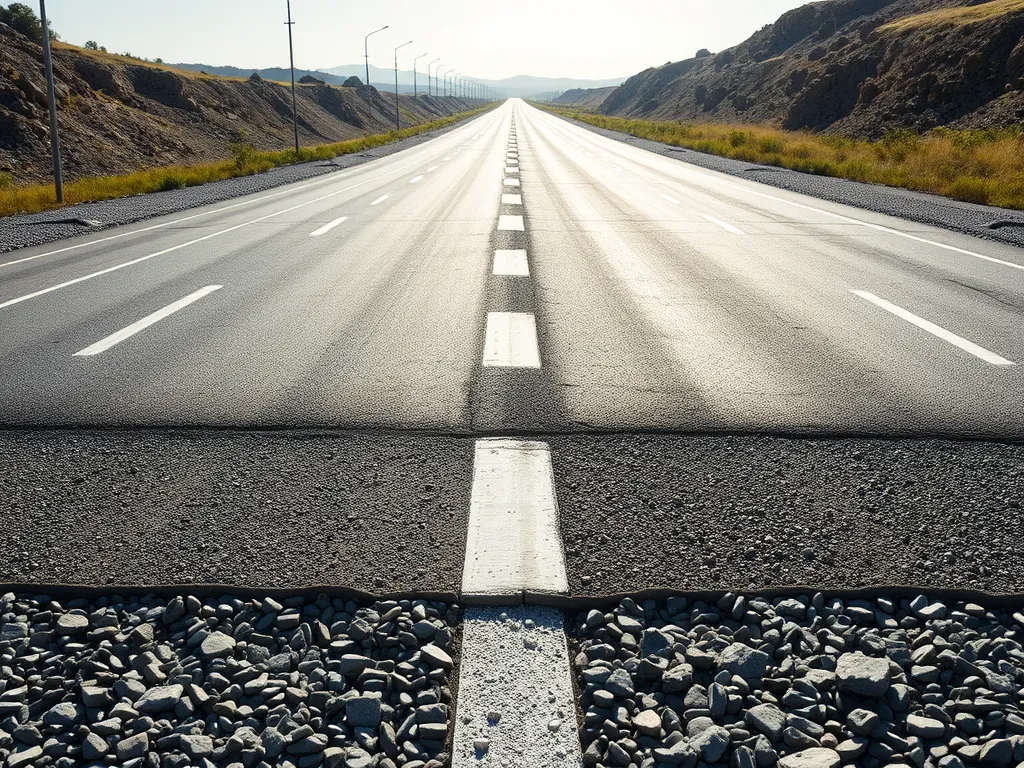
Proper care keeps asphalt roads functional beyond their base lifespan. Targeted treatments combat wear from traffic, weather, and time. These four methods add 5-15 years to pavement life when applied consistently.
Importance Of Timely Crack Sealing
Unsealed cracks let water penetrate base layers. Seal cracks under 0.5 inches wide within 48 hours using rubberized asphalt emulsion. This stops 95% of moisture infiltration – the top cause of pavement breakdown. Delayed repairs let cracks widen, tripling repair costs.
Benefits Of Regular Sealcoating
Fresh sealcoat shields asphalt from UV rays, oil spills, and de-icing salts. Apply coal-tar or asphalt-based coatings every 3-5 years. Properly sealed roads show 70% fewer potholes than unsealed surfaces. Costs average $0.15-$0.25 per square foot – a fraction of full replacement expenses.
Preventing Water Damage Through Drainage Maintenance
Standing water softens asphalt and erodes subgrades. Clean catch basins monthly and maintain 2% minimum pavement slope. Use permeable asphalt mixes (20% void space) or install French drains near road edges. These methods cut water-related failures by 40% in flood-prone areas.
Addressing Alligator Cracking Early
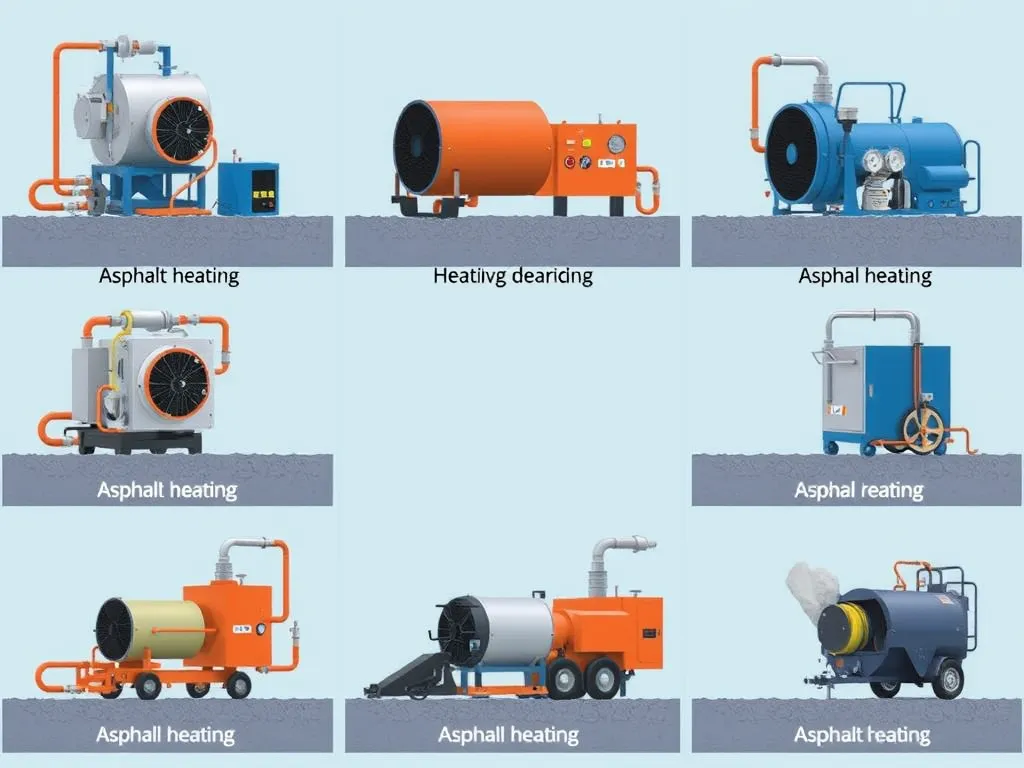
Interconnected cracks resembling reptile skin signal structural failure. Treat small alligator cracks (under 10 sq ft) with infrared patching ($3-$5 per sq ft). Larger damaged areas require full-depth replacement down to the subbase. Immediate repairs prevent 80% of total pavement collapses in high-traffic zones.
While these methods boost asphalt road longevity, eventually all pavements show irreversible damage. The next section details key signs indicating when repairs won’t suffice – and full replacement becomes necessary.
Also See: How is Asphalt Made? A Simple Overview Of the Process
Signs Your Asphalt Road Needs Replacement
Know when your road has passed its peak. Spot these red flags to plan for repair or new pave work.
Severe Surface Deformation
Ruts, dips, or waves in the road point to base issues. These bends form when heavy trucks press down on weak spots. Depth matters: ruts over 1 inch deep harm tires and steering. Roads with bad bends lose 30-50% of their life span. Shoving (waves near stops) hints at poor mix or thin layers.
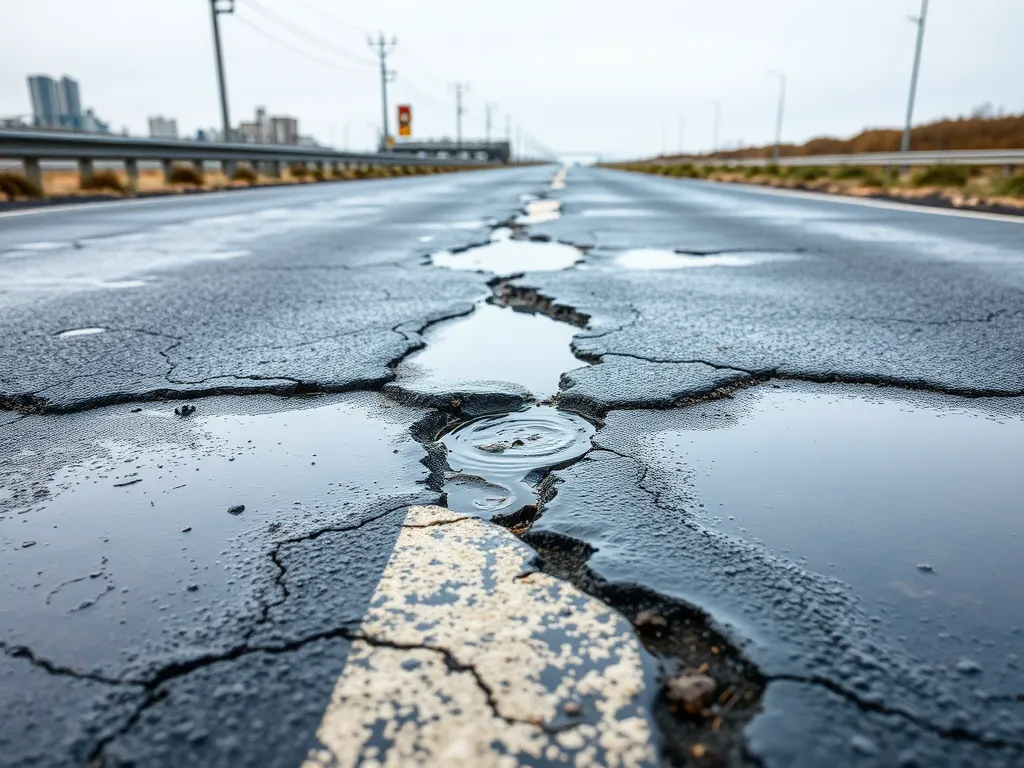
Deep Structural Cracks and Potholes
Alligator cracks (like reptile skin) mean base stress. Potholes deeper than 2 inches let water eat the road base. One pothole can spread 10 feet in 6 months if not fixed. Seal coats won’t work here—full depth repairs cost $3-$5 per square foot.
| Crack Type | Depth | Action Needed |
|---|---|---|
| Hairline | <0.25" | Seal |
| Alligator | >0.5″ | Replace |
| Edge | Varies | Patch |
Base Layer Failure Indicators
Sinking spots or standing water show the base is gone. Cracks wider than 0.5 inches let base wash out. Load tests find weak zones: areas under 95% strength need full rebuild. Base fails cut road life by half in most cases.
Roads with these signs face short life spans. Next, see how place shapes pave life—like heat in Texas or wet in Florida.
How Location Affects Asphalt Road Lifespan
Where roads sit changes how fast they wear. Heat, wet, and soil type all play roles. Let’s see how two states face unique tests.
Asphalt Durability in Florida’s Humid Climate
Florida’s high wet air and rain push roads hard. Daily storms dump 50+ inches yearly. Water seeps into cracks, eats base layers. Salt air near coasts speeds decay. Roads here last 8-12 years – 3-5 years less than dry zones.
Builders fight back with tight mixes. Polymer-linked binders (like PG 76-22) block moisture. Sloped roads shed water fast. Crews fill cracks quick, seal coats every 2-3 years. Still, floods can wash out weak spots in 5-7 years if drains clog.
Asphalt Performance in Texas’ Extreme Temperatures
Texas roads bake at 100°F summers, dip near freeze in north winters. This swing makes asphalt swell, shrink, crack. UV rays dry out binders. Heavy trucks on I-35 grind worn spots faster. Most highways need redos every 10-15 years.
New Superpave mixes handle the heat. PG 82-22 binders stay soft in cold, firm when hot. Reflective coats cut surface temps by 10°F. But poor joints still split in 3-5 years. Wise teams add 30% more rock in hot zones. Check ups every spring catch early splits.
Next, see how asphalt stacks up against concrete over time. Choice of mix matters, but so does your ground’s grit.
Asphalt Vs. Concrete: Comparing Pavement Longevity
Choosing between asphalt and concrete for road construction involves weighing lifespan against cost. Both materials have distinct advantages that impact their performance over decades.
Lifespan Differences Between Materials
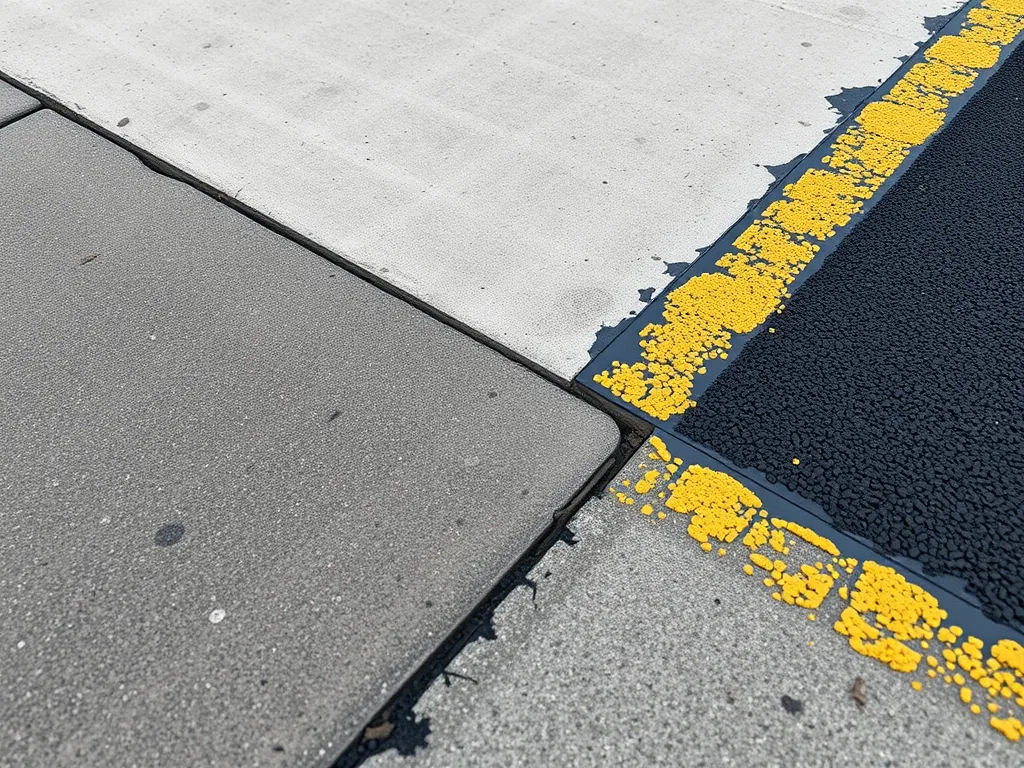
Asphalt roads typically last 15-20 years with proper maintenance, while concrete pavements average 30-40 years. The gap stems from material composition: asphalt uses flexible bitumen binders (PG 64-22 or PG 76-22 grades), whereas rigid concrete relies on Portland cement. Extreme weather causes asphalt to develop cracks faster, but its flexibility allows easier repairs. Concrete resists surface wear better but cracks structurally under soil shifts, requiring full-panel replacements.
Cost-benefit Analysis Over Time
Asphalt costs $2-$5 per square foot installed, compared to concrete’s $4-$10 range. While concrete lasts longer, its 40-year lifecycle costs rise due to complex repairs. Asphalt requires more frequent upkeep but offers lower per-service expenses:
| Factor | Asphalt | Concrete |
|---|---|---|
| Initial Cost | $2-$5/sq ft | $4-$10/sq ft |
| Lifespan | 15-20 years | 30-40 years |
| Annual Maintenance | $0.25-$0.50/sq ft | $0.10-$0.30/sq ft |
| Common Repairs | Patching, sealcoating | Joint sealing, slab replacement |
Asphalt’s 100% recyclability adds long-term value – reclaimed asphalt pavement (RAP) reduces material costs by 20-30% in resurfacing projects. Concrete recycling exists but requires energy-intensive crushing.
Climate plays a pivotal role in how these materials perform. Let’s examine how regional weather patterns impact asphalt durability.
Frequently Asked Questions
What is the Life Of an Asphalt Road?
The life of an asphalt road can range from 15 to 30 years, depending on various factors such as traffic loads, maintenance practices, and environmental conditions.
How Often Do Asphalt Roads Need to Be Replaced?
Asphalt roads typically need major rehabilitation or replacement every 15 to 25 years, though heavily trafficked highways may require attention sooner, often within 10 to 15 years.
How Long Does Asphalt Last Compared to Concrete?
Asphalt roads generally last 15-20 years with proper maintenance, while concrete surfaces can last 30-40 years, making concrete a more durable but initially more expensive option.
How Long Do Asphalt Roads Last in Florida?
In Florida, asphalt roads typically last about 8 to 12 years due to the effects of humidity and frequent rain, which can accelerate wear and damage.
How Long Do Asphalt Roads Last in Texas?
Texas asphalt roads can last between 10 to 15 years, influenced by extreme heat during summers and freeze conditions in the northern areas during winters.
How Long Does an Asphalt Driveway Last?
An asphalt driveway can last approximately 20 to 30 years with proper installation and regular maintenance, including timely repairs and sealcoating.
Closing Thoughts
Asphalt roads exhibit an impressive lifespan, typically lasting from 15 to 30 years. Their durability is influenced by factors such as traffic volume, climate, construction quality, and maintenance practices. Proper care, like timely crack sealing and sealcoating, can significantly extend this lifespan.
Always be attentive to signs of deterioration, like severe surface deformation or deep cracks, as they signal the need for repairs or replacement. With appropriate maintenance and timely interventions, you can maximize your asphalt road’s durability and investment.
For more information on asphalt properties, longevity, and maintenance strategies, visit Asphalt Calculator USA.