
How Long Do Asphalt Driveways Last? Lifespan, Durability, & Maintenance
Published on: January 11, 2026 | Last Updated: April 14, 2025
Written By: George Voss
An asphalt driveway typically lasts 15-20 years with proper care. This lifespan depends on climate, installation quality, and traffic levels. Regular maintenance like sealcoating every 3-5 years adds 5-10 years to its service life. Immediate repairs of cracks and proper drainage prevent premature deterioration.
This guide examines key factors affecting driveway longevity. Learn how weather patterns impact pavement in different regions. Compare asphalt vs. concrete durability and costs. Identify warning signs for repairs or full replacement. Get actionable tips to maximize your driveway’s performance decade after decade.
Contents
- Average Lifespan Of an Asphalt Driveway
- Factors Influencing Asphalt Driveway Longevity
- Installation Process and Initial Cure Time
- Maintenance Practices to Extend Lifespan
- Asphalt Vs. Concrete Driveway Longevity
- Cost Considerations
- Signs Your Driveway Needs Replacement
- Environmental Impact Of Asphalt Driveways
- FAQs About Asphalt Driveway Lifespan
- Closing Thoughts
- Additional Resources for You:
Average Lifespan Of an Asphalt Driveway
Asphalt driveways typically serve property owners for 15-20 years under standard conditions. This range accounts for variables like regional weather patterns, vehicle traffic frequency, and routine upkeep. Pavement experts use PG (Performance-Graded) binders tailored to local climates to optimize durability.
Typical Asphalt Driveway Life Expectancy
Most asphalt driveways last 15-20 years before needing major repairs or full replacement. Annual temperature swings, snowplow use, and oil spills can shorten this timeline. Driveways in mild climates with minimal freeze-thaw cycles often reach the upper end of the lifespan spectrum.
How Long Should a Well-Maintained Asphalt Driveway Last?
With proactive care, asphalt driveways can perform for 20-25 years. Sealcoat every 3-5 years using coal-tar or asphalt-based emulsions. Fill cracks wider than ¼ inch promptly with rubberized crack sealant. Ensure proper drainage to prevent water pooling – a key cause of base layer erosion.
Do Asphalt Driveways Last More Than 20 Years?
Yes – but only with expert construction and rigorous upkeep. Driveways built using full-depth reclamation (6-8 inch compacted aggregate base) often exceed 20-year benchmarks. Expect to spend $3-$5 per square foot for this premium base preparation. Note: UV oxidation causes surface fading within 5-7 years but doesn’t structurally compromise the pavement.
Next, let’s explore how environmental forces and usage patterns directly affect your driveway’s service timeline.
Factors Influencing Asphalt Driveway Longevity
Multiple elements determine whether your pavement driveway asphalt surface lasts 15 years or exceeds 25. Let’s break down the key variables.
Climate and Geographical Impact
Temperature swings, UV exposure, and freeze-thaw cycles directly affect asphalt driveway lifespan. Regions with harsh winters see faster deterioration from ice melt chemicals and repeated expansion/contraction. Coastal zones face saltwater corrosion. Areas with heavy rainfall require proper slope design (≥2% grade) to prevent water pooling.
How Long Do Asphalt Driveways Last in Florida?
Florida’s heat and humidity cut the average lifespan of asphalt driveway surfaces to 10-18 years. High temperatures soften asphalt binder, while frequent rain tests drainage systems. Use PG 76-22 performance-graded binders for enhanced heat resistance. Apply sealcoating every 2-3 years to combat UV damage.
Installation Quality and Base Layer Durability
A 6-8 inch compacted aggregate base extends asphalt driveway life expectancy by 30% compared to thin or poorly graded bases. Properly compacted layers prevent potholes and cracking. Opt for crushed stone (¾” minus) with 95% compaction density. Avoid shortcuts like using sand or recycled concrete as base substitutes.
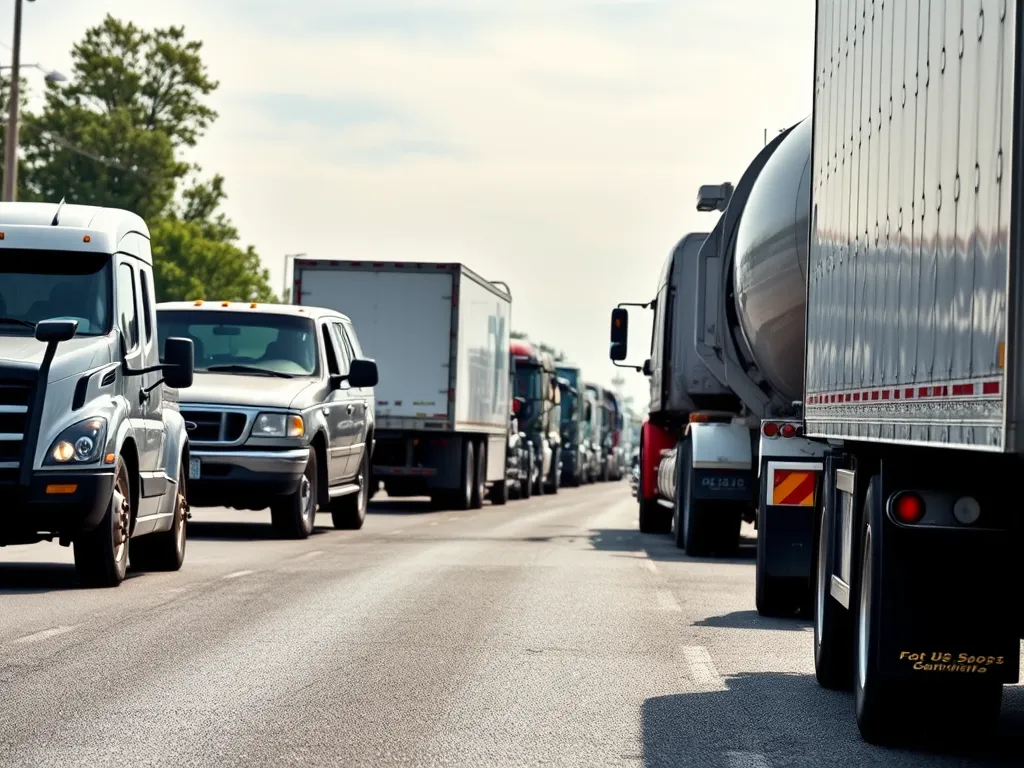
Traffic Volume and Weight Loads
Residential driveways handling 2-4 passenger cars daily typically last 20+ years. Those with RVs, delivery trucks, or construction vehicles need thicker designs. Each 1,000 lbs over standard 3,000-lb axle loads reduces asphalt driveway lifespan by 15-20%. Reinforce high-traffic areas with 3” asphalt layers vs standard 2”.
| Vehicle Type | Axle Weight | Lifespan Impact |
|---|---|---|
| Passenger Cars | 3,000 lbs | Baseline |
| Pickup Trucks | 5,000 lbs | 10-15% reduction |
| Delivery Vans | 10,000 lbs | 25-30% reduction |
| Concrete Trucks | 26,000 lbs | Requires full rebuild |
Next, let’s examine how proper curing and sealant timing during installation set the stage for maximum durability.
Installation Process and Initial Cure Time
Proper installation directly affects how long asphalt driveways last. A well-executed pour with quality materials sets the foundation for a surface that withstands wear.
How Long Does Asphalt Take to Dry?
Fresh asphalt needs 24-72 hours to dry enough for foot traffic. Ambient temperature plays a key role: hot summer days accelerate drying, while humidity above 70% extends the timeline. Note that drying ≠ curing. Full curing – where PG (Performance Grade) binders fully bond with aggregates – takes 6-12 months. Premature sealcoating or heavy loads during this period risk surface deformations.
How Long Before a New Asphalt Driveway Can Be Driven on?
Light vehicles can use the driveway after 3-5 days. Trucks/RVs require 14 days minimum. For optimal asphalt driveway lifespan, avoid parking in the same spot for 30 days. Heat softens new asphalt at 140°F+ – common in southern states. A 2022 National Asphalt Pavement Association study found driveways with early heavy use required resurfacing 3 years sooner than those given proper cure time.
When to Seal a New Asphalt Driveway
Apply the first sealcoat 6-12 months post-installation. This allows volatile oils in the asphalt binder to evaporate. Use coal-tar or asphalt-based sealants rated for 3-5 years of protection. Seal too soon, and you’ll trap moisture; wait too long, and UV rays oxidize the surface. Costs average $0.15-$0.25 per sq ft. Pro tip: Check for aggregate exposure – if rocks become visible, seal within 30 days.
With the cure phase complete, attention shifts to preserving your investment. Next, we’ll explore maintenance strategies proven to add years to your pavement’s service life.
Also See: How to Calculate the Amount Of Asphalt Needed
Maintenance Practices to Extend Lifespan
Good care keeps your asphalt strong for years. Fix small issues fast to stop big problems later. Learn key steps to guard your drive.
How Often Should You Sealcoat an Asphalt Driveway?
Seal every 2-3 years. Wait 6-12 months after install. Hot states like Florida need it every 1-2 years. This layer blocks sun damage, oil spills, and water. Costs $0.15-$0.25 per sq.ft per coat.
Signs Your Driveway Needs Sealcoating
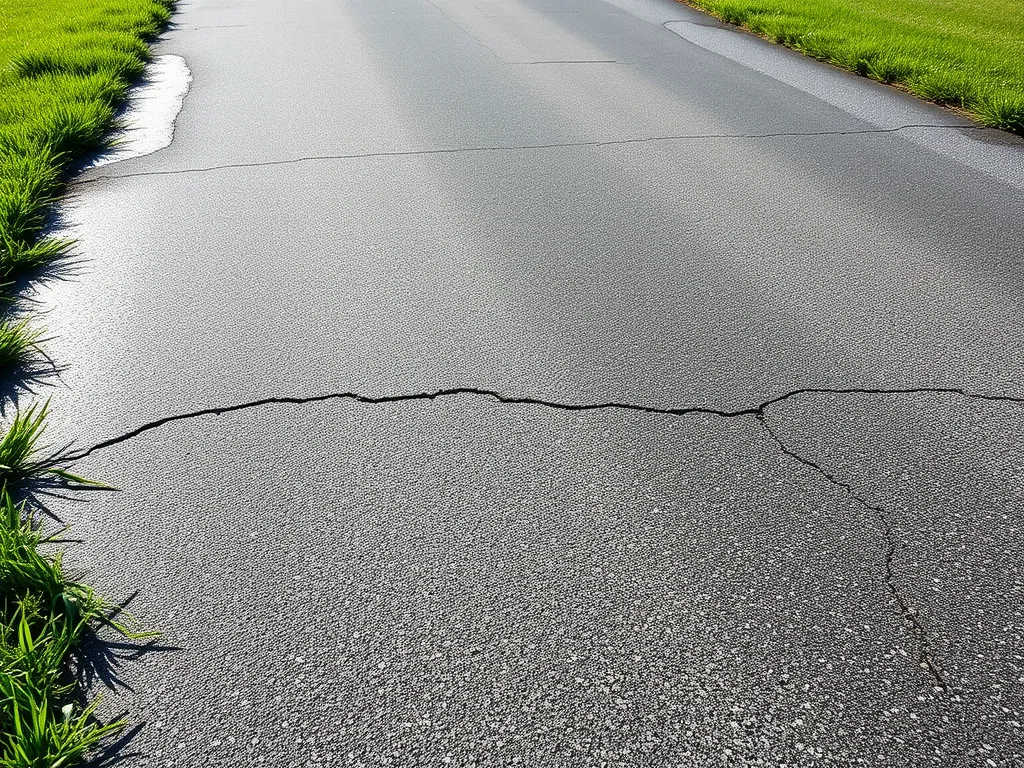
Watch for gray fade, rough spots, or cracks wider than 1/8 inch. If rain soaks in fast, it’s time. Delaying cuts asphalt life by up to 5 years.
Repairing Cracks and Potholes
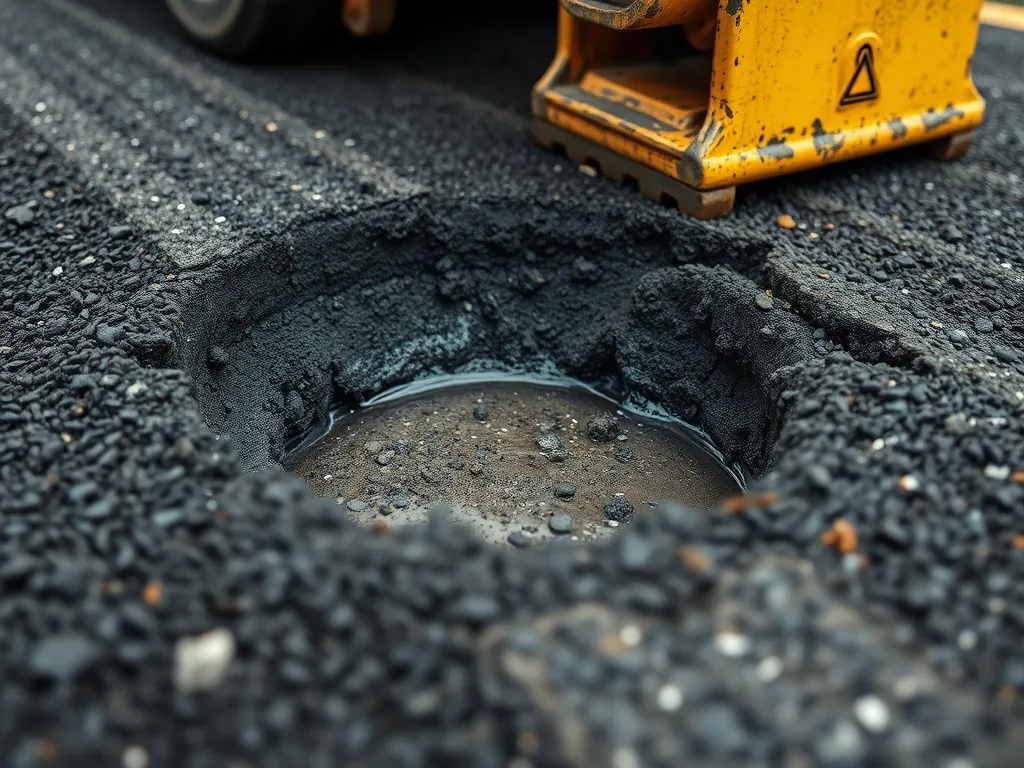
Fill cracks 1/4 inch or more with rubber sealant. Fix potholes fast with cold mix asphalt ($3-$5 per sq.ft). Let repairs cure 24-48 hours. Left alone, cracks let water eat the base layer.
Managing Drainage Issues
Pooled water softens asphalt. Check slopes – aim for 2% grade away from home. Add drain pipes or gravel trenches near edges. Fix dips fast to stop cracks.
While upkeep plays a key role, material choice also affects how long your surface lasts. Let’s compare asphalt vs. concrete next.
Asphalt Vs. Concrete Driveway Longevity
Homeowners often weigh asphalt against concrete when choosing driveway materials. Lifespan ranks as a top concern. Let’s break down how these surfaces stack up over time.
How Long Does Asphalt Last Compared to Concrete?
Asphalt driveways typically last 15-25 years with routine care. Concrete averages 30-40 years. But material durability isn’t the full story. Climate, usage, and upkeep heavily sway these numbers.
| Factor | Asphalt | Concrete |
|---|---|---|
| Initial Cost | $3-$5/sq.ft. | $6-$10/sq.ft. |
| Sealcoating Needs | Every 2-5 years | Not required |
| Freeze-Thaw Resistance | Moderate | High |
Asphalt’s bitumen binder softens under extreme heat but handles light cracks better. Concrete resists UV fading but cracks harder to repair once damaged.
Key Disadvantages Of Asphalt Driveways
Asphalt’s shorter lifespan stems from specific vulnerabilities:
Temperature Sensitivity: Thermal expansion cycles cause cracks over time. Regions with frequent freeze-thaw cycles see faster wear.
Surface Oxidation: UV exposure dries out bitumen, leading to fading and brittleness. Unsealed surfaces degrade 2-3x faster.
Weight Load Limits: Heavy vehicles leave depressions. Driveways supporting trucks or RVs may need resurfacing every 10-15 years.
Maintenance Demands: Sealcoating costs $0.15-$0.25/sq.ft. every 2-5 years. Skipping cuts asphalt driveway life expectancy by 30-40%.
Up next: How budget choices shape driveway investments, from fresh pours to full replacements.
Cost Considerations
Balancing upfront costs with long-term value is key when planning asphalt driveway installation. Smart budgeting directly impacts how long your pavement lasts.
Average Asphalt Driveway Installation Costs
Nationally, asphalt driveways cost $7-$13 per square foot installed. A standard 600 sq.ft. driveway runs $4,200-$7,800. Factors affecting price:
- Base layer quality: 6-8 inches of compacted gravel adds $1.50-$3/sq.ft.
- Asphalt thickness: 2-3 inches is standard for residential use
- Regional material costs: Northern states pay 12-18% more than southern regions
Proper installation extends asphalt driveway life expectancy to 15-25 years. Skimping on base prep cuts lifespan by 40%.
Budgeting for Repairs Vs. Full Replacement
Sealcoating every 3-5 years costs $0.15-$0.25/sq.ft. Crack filling averages $0.50-$1.50/linear foot. Compare to replacement:
- Resurfacing (1.5” layer): $3-$5/sq.ft. – lasts 8-15 years
- Full replacement: 70-100% of original installation cost after 20+ years
Driveways with >25% surface damage or base failures need full replacement. Annual maintenance budgets of $0.30-$0.50/sq.ft. can delay this for decades.
Spotting early wear patterns helps choose between repairs and replacement. Let’s examine key signs your driveway needs major attention.
Signs Your Driveway Needs Replacement
Even with proper care, driveways reach their service limit. Spotting decline early prevents costly fixes down the road.
Top Indicators Of Structural Failure
Look for these red flags signaling major issues:
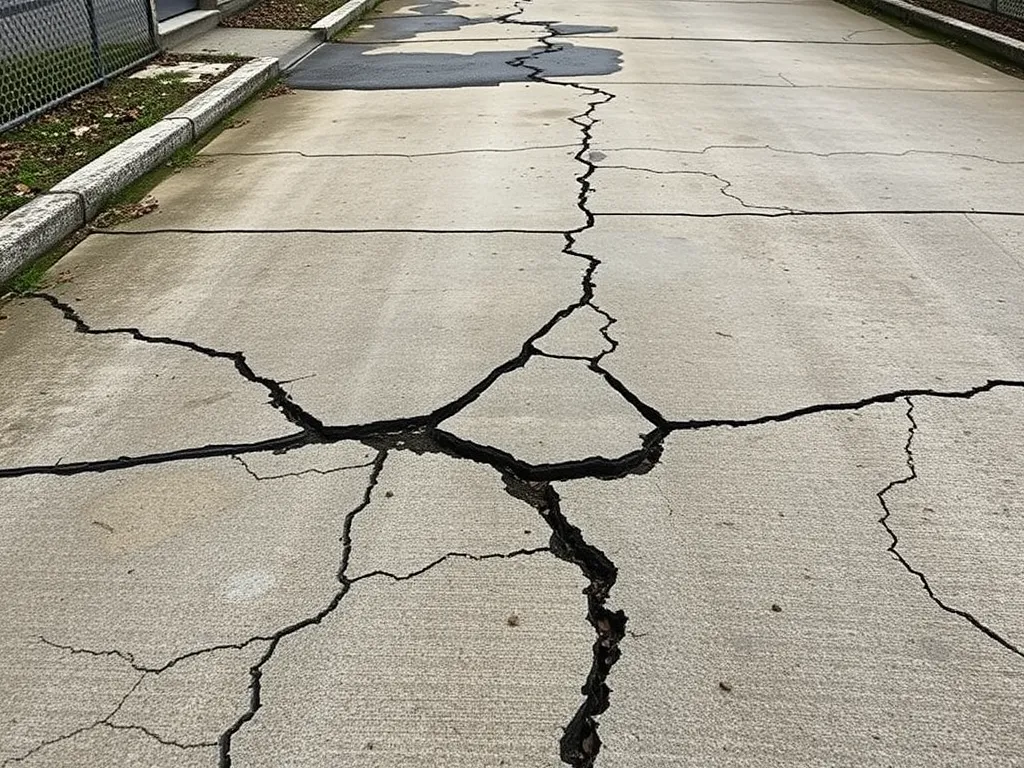
- Alligator cracking: Web-like patterns wider than ¼” indicate base layer failure
- Potholes deeper than 2″: Show compromised structural integrity
- Edge cracks spreading inward: Suggest drainage problems eroding support
- Sinking sections: Uneven surfaces exceeding 1″ difference pose tripping hazards
When over 25% of the surface shows these defects, full replacement becomes more economical than repeated repairs.
How Often Should You Replace an Asphalt Driveway?
Most last 15-25 years depending on three key factors:
| Factor | Impact on Replacement Timeline |
|---|---|
| Freeze-thaw cycles | Reduces lifespan by 3-7 years in snowy regions |
| Sealcoating frequency | Every 3-5 years adds 5-8 years of service |
| Base thickness | 4″ gravel base extends life 30% vs. 2″ base |
Track repair costs: If spending $800+ yearly on fixes, new installation ($4,500-$7,500 for 1,000 sq ft) might prove smarter long-term.
Up next: Explore how recycled materials boost sustainability while extending pavement performance.
Environmental Impact Of Asphalt Driveways
Asphalt driveways affect the earth in two key ways: reuse potential and heat gain. Both shape how long your pave lasts and its eco-footprint.
Recyclability and Sustainability Factors
Old asphalt stays useful. It gets ground into RAP (recycled asphalt pave) for new mixes. RAP makes up 30% of fresh jobs without cutting quality. This reuse slashes mining needs by 20% and costs by 25%. Driveways with RAP last 15-20 years when set right—just like virgin mixes. When your pave wears out, 95% gets reused again. Less waste means fewer dumps and lower harm over time.
Heat Absorption and Urban Heat Island Effects
Black tops trap heat. Summer temps can hit 140°F on asphalt—60°F hotter than grass. This “urban heat isle” effect strains roads, speeding up cracks from daily swell-shrink cycles. Hot zones may cut pave life by 2-5 years. Cool fixes help: sealcoats with light quartz chips reflect sun, drop temps by 30°F, and add 3+ years to your drive. Proper care fights heat harm.
Balancing eco-smart picks with tough builds keeps driveways strong for the long run. Up next: how costs shape repair vs. replace choices.
FAQs About Asphalt Driveway Lifespan
How Long Do Asphalt Driveways Last in Extreme Climates?
Asphalt driveways can last significantly shorter periods in extreme climates. For instance, in very hot areas, high temperatures can soften the asphalt, leading to deformation. In contrast, regions with harsh winters can experience freeze-thaw cycles that cause cracking. Depending on conditions, asphalt may last 10-15 years in these environments, compared to 15-25 years in more moderate climates.
Can Fading Affect Asphalt Longevity?
Yes, fading due to UV exposure can impact asphalt longevity. While fading itself does not compromise structural integrity, it signifies that the asphalt binder is breaking down. This makes the surface more susceptible to cracking and other forms of deterioration. Regular sealcoating can mitigate fading and extend the lifespan of the driveway.
Does Base Layer Quality Determine Overall Lifespan?
Absolutely. The quality of the base layer is critical in determining the longevity of an asphalt driveway. A well-compacted base layer can enhance durability and resistance to cracking, while a poor-quality base may lead to premature failures such as potholes and structural weakness. Invested time and resources in proper base preparation can greatly increase your pavement’s lifespan.
Closing Thoughts
Asphalt driveways can last anywhere from 15 to 30 years, depending on maintenance and conditions. Regular sealcoating, crack repairs, and drainage management are crucial for maximizing their lifespan. Understanding factors like climate, installation quality, and traffic volume helps homeowners make informed decisions about their driveways.
For those weighing their options, asphalt typically offers a more affordable, faster installation than concrete but may require more frequent upkeep. Keep an eye out for signs of wear, and don’t hesitate to address issues early to avoid costly repairs or replacements.
For further information and resources on asphalt driveways, visit Asphalt Calculator USA.
Additional Resources for You:
- Roberts, F. L., Kandhal, P. S., Brown, E. R., Lee, D. Y., & Kennedy, T. W. (1996). Hot Mix Asphalt Materials, Mixture Design, and Construction (2nd ed.). National Asphalt Pavement Association (NAPA).
- How long does new asphalt last before needing to be repaved again? – Quora
- How Long Does An Asphalt Driveway Last? | Blacktop Concepts
- Elements That Have an Impact on How Long Does An Asphalt Driveway Lasts – JR Paving & Construction Co., Inc.
- r/HomeImprovement on Reddit: How soon does a new asphalt driveway require seal coating?

