How Long Can Asphalt Be Reworked Once Poured?
Published on: January 9, 2026 | Last Updated: April 14, 2025
Written By: George Voss
Asphalt can be reworked for 10 to 30 minutes after placement. This workability window lets crews compact, shape, and fix surface issues before the mix cools below 185°F. The liquid asphalt binder (a petroleum-based glue holding aggregates together) hardens as temperatures drop, locking crushed stone and sand in place. Missing this window means removing hardened material – adding $3-$7 per square foot in extra costs.
This guide breaks down how weather, mix designs like PG 64-22 binders, and layer thickness impact your timeline. Find temperature monitoring tricks for summer vs winter jobs, methods to slow cooling, and how humidity changes curing speeds. We’ll also cover fixing cracks before sealing and when to safely open roads to traffic.
Contents
Understanding the Asphalt Workability Window
Hot mix asphalt stays pliable for a short span post-placement. This workability window allows fixing flaws but shrinks fast as paving mix cools. Missing this timing causes lasting defects or costly do-overs.
Defining the Critical Timeframe for Reworking
Most asphalt stays workable 15-30 minutes after pouring. PG (Performance Graded) binders in Superpave mixes extend this to 45 minutes in cool conditions. Three factors dictate exact timing:
- Mix temp at laydown: 275°F-325°F optimal
- Base preparation: Cold bases cool asphalt faster
- Wind speed: 15+ mph winds cut workability by 40%
After 45 minutes, mix temps drop below 175°F. At this point, reworking risks aggregate fracturing.
How Temperature Affects Workability
Asphalt cools at 3°F-5°F per minute in normal conditions. This thermal transfer dictates your working clock:
| Ambient Temp | Workability Window | Max Rework Depth |
|---|---|---|
| 50°F | 12-18 mins | 1.5″ |
| 70°F | 20-30 mins | 2″ |
| 90°F | 25-35 mins | 3″ |
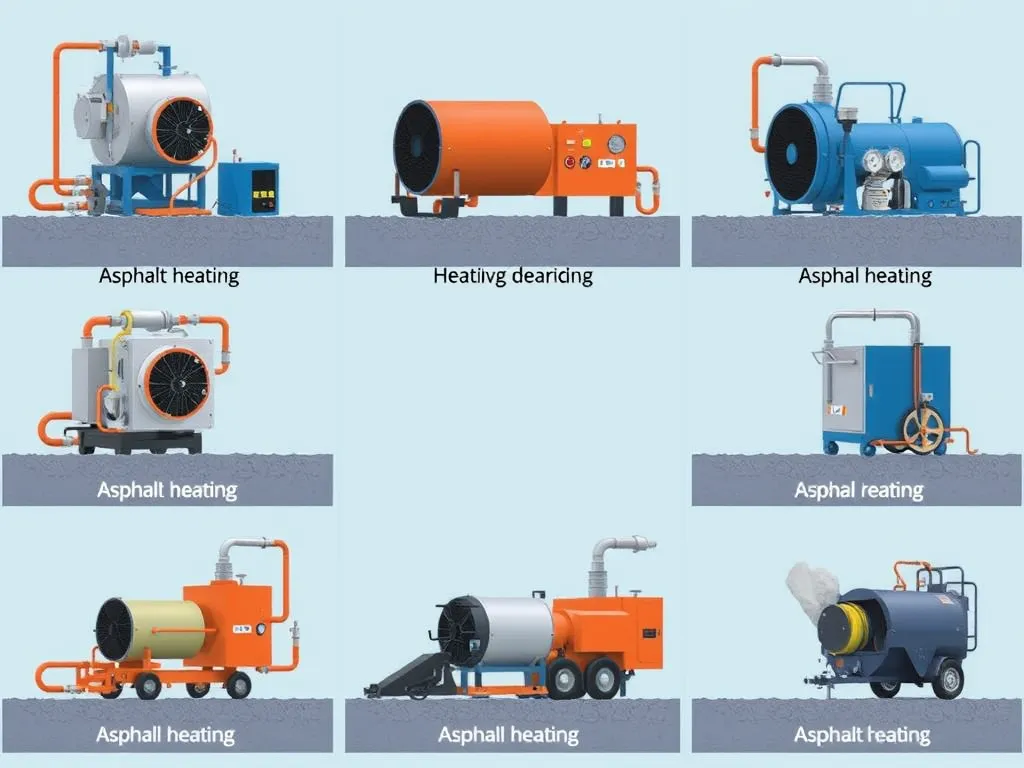
Polymer-modified mixes slow cooling by 15% compared to standard PG 64-22 binders. Infrared heaters add 8-12 minutes of workability for spot repairs.
Relationship Between Drying and Workability
Asphalt starts losing volatiles immediately. Moisture evaporation stiffens the mix, impacting compaction. At 2% moisture loss, density gains drop by 30% – a key reason rollers must work fast. While full curing takes 24-72 hours, the surface forms a skin in 4-6 hours that blocks deep reshaping.
For overlays, aim to finish all rolling before mix hits 185°F. Beyond this, achieving 92% density becomes tough without additives like warm-mix tech.
With thermal dynamics setting strict limits, paving crews must also account for job size, material specs, and application tools. Up next: how project variables impact your rework clock.
Key Factors Influencing Reworkability
Multiple variables determine how long crews can adjust asphalt after placement. These elements directly impact the asphalt curing period and final surface quality.
Ambient Temperature &Amp; Weather Conditions
Temperature dictates asphalt cooling rates. At 85°F, hot mix asphalt (HMA) stays workable for 15-30 minutes. In cooler climates (50-70°F), crews gain up to 60 minutes for adjustments. High humidity slows evaporation, extending the asphalt drying period. Wind speeds above 15 mph accelerate surface hardening. Frost or rain during placement can halt reworkability entirely.
Asphalt Mix Composition
Polymer-modified binders (PG 76-22) harden faster than standard PG 64-22 binders. Mixes with 30% recycled asphalt pavement (RAP) cool 20% quicker due to aged binder content. Larger aggregate sizes (1.5” stone) reduce thermal retention versus finer mixes. Warm-mix asphalt additives extend workability by 15% compared to traditional HMA.
Layer Thickness &Amp; Project Scale
A 4-inch base layer retains heat for 90+ minutes, while 1.5-inch overlays cool in 45 minutes. Large parking lots (10,000+ sq ft) allow staggered reworking zones. Small repairs (<100 sq ft) require immediate finishing due to rapid heat loss. Infrared thermometers verify subsurface temps – below 175°F signals reduced malleability.
Application Method &Amp; Equipment Used
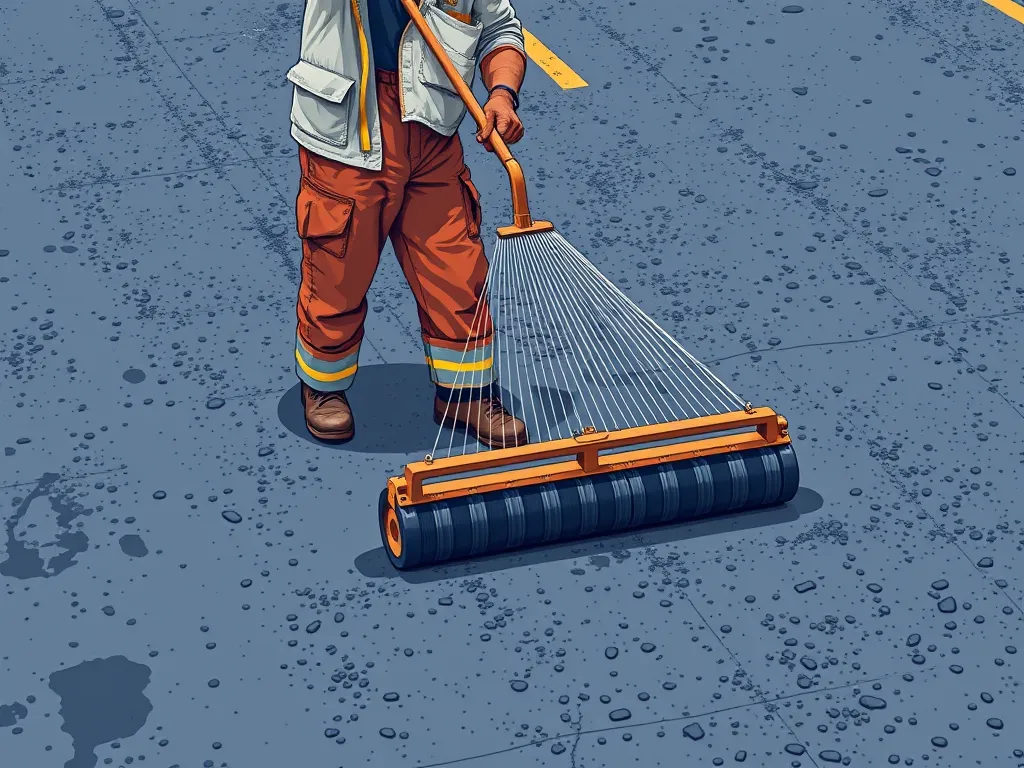
Infrared heaters add 10-15 minutes to the asphalt cure time by reheating surfaces to 300°F. Pneumatic rollers compact material 25% faster than static steel rollers, shortening adjustment windows. Hand tools like lute rakes work best within the first 20 minutes, while vibratory screeds handle cooler mixes (below 200°F).
These variables create a complex equation for determining exact workability timelines. Up next: actionable strategies to maximize your adjustment window during paving operations.
Best Practices for Effective Reworking
Mastering asphalt rework requires balancing temperature management, timing precision, and strategic techniques. These methods determine whether crews can achieve smooth joints, proper compaction, and defect-free surfaces within the limited workability window.
Monitoring Surface Temperature
Track surface temps with infrared thermometers every 10-15 minutes. Hot-mix asphalt stays workable between 275°F and 200°F. Below 185°F, compaction becomes challenging. At 175°F, the binder stiffens, ending rework options. Night crews face faster cooling rates—expect 25°F drops per hour in 50°F ambient conditions.
Timing Adjustments for Different Seasons
Summer paving allows 90-120 minutes of workability but risks mix oxidation. Schedule rolling before 10 AM or after 3 PM to avoid midday heat. Winter projects shrink rework windows to 45-75 minutes. Use warm-mix asphalt (WMA) additives to boost low-temperature performance. For cold-weather patches, apply heated tack coats to extend adhesion time by 20%.
Techniques for Extending Workability Period
Deploy thermal blankets on edges and joints to slow heat loss. Apply rejuvenators at 0.2-0.4 gallons per square yard to reactivate surface binders. Use oscillating drum rollers for low-temperature compaction, maintaining 95% density targets. For large pours, stage trucks to keep mix above 300°F during placement. These tactics add 15-30 minutes to the rework clock.
Even with precise temp control and timing adjustments, paving teams still face obstacles during the curing phase—especially when environmental factors shift rapidly.
Also See: How Much to Repave Asphalt Driveway? Find Out Now!
Common Challenges in Asphalt Reworking
Even with strict time checks, reworking asphalt poses risks. Crews face three key hurdles when fixing poured mix after placement.
Identifying the Point Of No Return
Asphalt hits a “no fix” state when temps drop below 175°F. Use infrared guns to track heat loss. If the mix cools past this mark, bonds form that can’t be broken without harm. Cracks or weak spots form if you roll or rake cold asphalt. Watch for color shifts from glossy black to flat gray – a visual cue to stop work.
Handling Premature Curing
Sudden wind gusts or low humidity speed up drying. Hot mix may set in 10-15 minutes vs. the usual 30. Fight fast cures with tack coats (thin adhesive layers) between lifts. For small areas, propane heaters can reheat the top 1-2 inches. Large zones need full removal – adding $3-$5 per square foot to costs.
Addressing Surface Flaws
Ruts, cracks, or uneven spots must get fixed within 20-45 minutes after pouring. Use steel rakes for fine flaws under 1/4 inch. Deeper issues need a reclaimer to tear up set mix. Add fresh hot asphalt ASAP – delays over 2 hours cause weak seams. New eco-friendly warm mix additives extend this window by 15% for better fixes.
These challenges link tight to air temps, ground heat, and crew skill. Next, we’ll break down how rain, sun, and green methods shape your rework plan.
Environmental Considerations
Weather patterns and eco-friendly methods directly affect how long crews can reshape asphalt after placement. These elements determine whether you’ll get a smooth surface or face costly do-overs.
Impact Of Humidity on Workability
High humidity slows water evaporation from the asphalt mix, extending the workable window by up to 20% compared to arid conditions. But there’s a catch: moisture-laden air above 70% relative humidity can weaken bonds between aggregates and the PG binder (Performance-Graded asphalt cement). Contractors in coastal regions like Florida often battle this by adjusting roller timing or using polymer-modified mixes rated for 300-400 psi adhesion strength.
Sustainable Reworking Practices
Warm-mix asphalt technologies cut production temperatures by 50°F, adding 15-30 minutes to the rework window. Blends with 30% recycled asphalt pavement (RAP) require precise heat management – old binder reactivation drops below 275°F, leaving just 90-120 minutes for adjustments. New bio-based rejuvenators now let crews rework RAP mixes for up to 3 hours without compromising density targets above 92%.
These environmental factors set the stage for common questions about curing timelines and surface durability. Let’s tackle those next.
Frequently Asked Questions (FAQs)
Can an Existing Asphalt Driveway Be Resurfaced?
Yes, an existing asphalt driveway can typically be resurfaced if the underlying structure is sound. This involves adding a new layer of asphalt on top of the old surface, which can extend the life of the driveway and improve its appearance.
How Long Does an Asphalt Overlay Last?
An asphalt overlay can last between 10 to 15 years, depending on factors such as traffic load, maintenance, and environmental conditions. Regular upkeep, like sealing and prompt repairs, can help maximize its lifespan.
How Long Does Asphalt Need to Cure Before Painting?
Asphalt usually requires at least 30 days to cure properly before it can be painted. This waiting period allows the asphalt to achieve its full hardness and prevents issues with paint adhesion.
When Can Vehicles Safely Use Reworked Asphalt?
Vehicles can typically use reworked asphalt once it has cooled and reached appropriate density, which usually occurs within 24 to 48 hours of application. However, it’s best to consult with the paving contractor for specific timelines based on conditions and work performed.
Closing Thoughts
Reworking asphalt after it’s poured requires timing and precision. The workability window typically ranges from a few hours to a full day, depending on temperature and mix composition. Understanding these variables is key to ensuring a durable surface.
Pay attention to environmental conditions and adjust your techniques accordingly. Proper management not only extends the reworking window but also improves the overall quality of the asphalt surface. Challenges like premature curing or imperfections can arise; addressing these in a timely manner is vital for long-lasting results.
For detailed insights on asphalt and tools to assist you in your project, check out Asphalt Calculator USA. Your project’s success starts with the right information.
Additional Resources for You:
- American Association of State Highway and Transportation Officials (AASHTO). (2008). Mechanistic-Empirical Pavement Design Guide (MEPDG). Washington, DC: AASHTO.
- Asphalt Parking Lot Aftercare: Do’s and Don’ts – Murphree Paving
- How Soon Can I Drive on a New Asphalt Driveway?
- How long before I can walk on my new asphalt? – Pavage Massie
- How Long Asphalt Take to Dry? Everything You Need to Know – Asphalt Industrial