How Local Climate Shapes Your Asphalt Driveway Maintenance Plan
Published on: January 7, 2026 | Last Updated: April 14, 2025
Written By: George Voss
Local climate directly determines how often you’ll repair cracks, apply sealant, or combat weather damage on your asphalt driveway. Heat softens asphalt, cold creates cracks, rain erodes surfaces, and freeze-thaw cycles break pavement apart. Matching maintenance to your region’s weather patterns prevents premature wear, saving $500-$2,000+ in repair costs over a driveway’s 15-25 year lifespan.
This guide breaks down climate-specific asphalt care. Learn how temperature extremes, precipitation types, and seasonal shifts impact maintenance. Compare strategies for desert heat versus snowy winters. Discover regional tips like UV-resistant sealcoating (cost: $0.15-$0.25 per sq ft) or cold-weather crack fillers. We’ll cover drainage fixes, material choices, and eco-friendly solutions tailored to your weather zone.
Contents
- Introduction to Climate-driven Asphalt Driveway Care
- Key Climate Factors Impacting Asphalt Driveways
- Regional Climate Impacts on Asphalt Maintenance
- Seasonal Asphalt Maintenance Strategies
- Environmental Considerations for Asphalt Care
- Frequently Asked Questions (FAQ)
- Closing Thoughts
- Additional Resources for You:
Introduction to Climate-driven Asphalt Driveway Care
Driveway upkeep depends heavily on your region’s weather patterns. Temperature shifts, moisture levels, freeze-thaw cycles, nd humidity directly influence how often you need repairs nd which methods work best. Neglecting these elements cn cut pavement life by 40% in extreme zones.
Four core elements dictate maintenance needs:
- Thermal stress: Expansion from heat nd contraction in cold create cracks
- Precipitation: Water penetration weakens the base layer over time
- Freeze-thaw cycles: Ice formation in pores forces surfaces apart
- Coastal erosion: Salt particles degrade binders faster
For instance, PG 64-22 binder performs better in colder zones thn PG 76-16, which suits high-heat regions. Homeowners in wet climates might need 50% more frequent sealcoating thn those in dry areas. These differences show why cookie-cutter approaches fail.
Next, we’ll break down how specific weather patterns shape your yearly maintenance plan.
Key Climate Factors Impacting Asphalt Driveways
Climate directly shapes how asphalt driveways age and require care. Four weather forces demand specific maintenance strategies.
Temperature Extremes: Heat Vs. Cold Effects
Asphalt softens at 120°F and cracks below 20°F. In hot climates like Arizona:
- UV rays oxidize binder, fading surfaces 2-3x faster
- Rut depths exceed 0.5″ without proper PG 64-22 binder grades
Northern states face thermal cracking – fractures up to 1″ wide from contraction. Installers use PG 58-28 binders for cold flexibility.
Precipitation: Rain, Snow, and Moisture Challenges
Water causes 80% of asphalt failures. Driveways need 2% minimum slope to prevent pooling. Heavy snow regions require:
- 6″ base layers (vs standard 4″)
- Coarse 3/4″ aggregate for better drainage
What If It Rains on My New Asphalt Driveway?
Fresh asphalt needs 48-72 dry hours to cure. Polymer-modified mixes (cost: $3.50/sq ft vs $2.80 standard) withstand rain within 6 hours. Use waterproof tarps if storms threaten during installation.
Freeze-thaw Cycles and Asphalt Degradation
One freeze-thaw cycle can widen cracks by 0.25″. Michigan’s 60 annual F-T cycles cause more damage than Maine’s 45. Combat this with:
- 4-6% air voids in asphalt mix design
- Spring crack sealing using rubberized fillers
Humidity and Coastal Climate Considerations
90%+ humidity slows asphalt curing by 40%. Coastal zones face salt corrosion – chloride penetration reaches 2″ depth in 5 years. Solutions:
- Galvanized steel edge restraints
- Quarterly fresh water rinses
- Calcium magnesium acetate de-icer ($25/bag)
These climate-driven challenges require tailored responses. Next, we’ll map regional maintenance strategies to specific weather patterns.
Regional Climate Impacts on Asphalt Maintenance
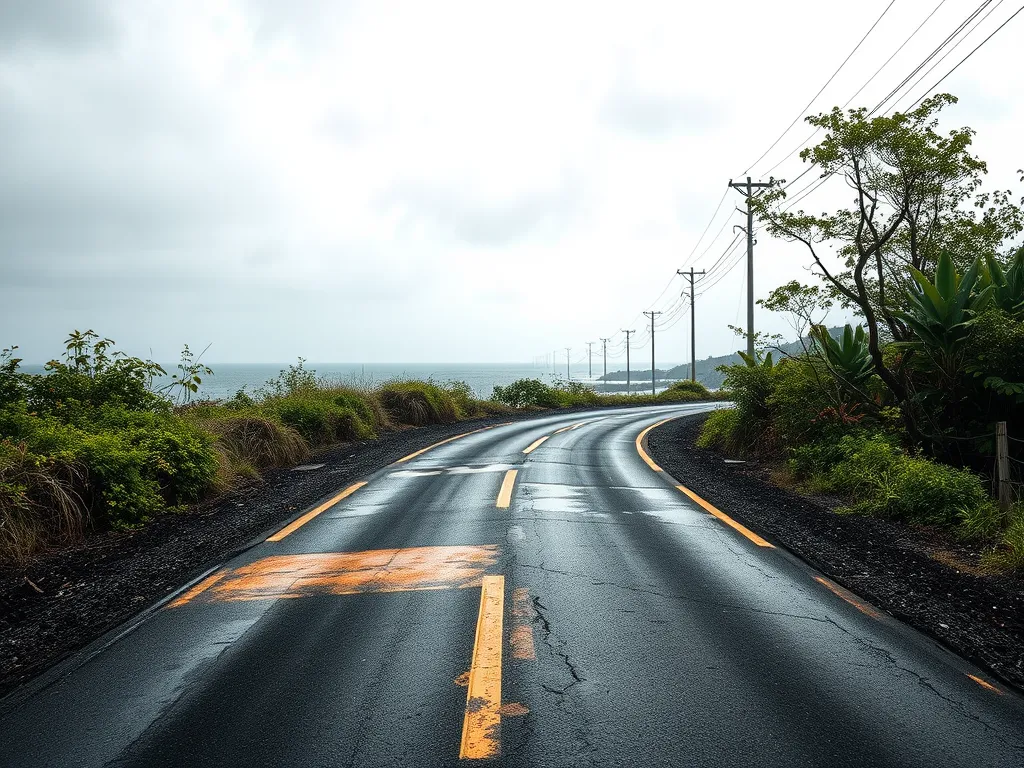
Driveway care shifts with regional weather patterns. Learn how heat, cold, salt, and elevation changes shape asphalt upkeep needs.
Hot & Dry Climates
Sun-baked areas face unique asphalt threats. High temps and UV rays speed wear.
UV Damage and Asphalt Softening Prevention
Daily UV exposure breaks down asphalt binders. Use sealcoats with UV blockers every 2-3 years. Choose PG 64-22 grade binders – they resist softening up to 150°F. Light-colored top coats reflect 30% more heat than black surfaces.
Cold & Snow-dominated Regions
Freeze-thaw cycles test driveway strength. Snow removal adds extra risks.
Is Concrete Better Than Asphalt for Driveways in Cold Climates?
Asphalt outlasts concrete in sub-zero zones. Its flexibility handles ground shifts better. Concrete cracks at -20°F need $8-$15/sq.ft repairs. Asphalt fixes cost $2-$5/sq.ft. Proper drainage and 2-inch thick layers prevent frost damage.
Snowplow Use and Asphalt Surface Protection
Steel blades scrape off 1/8-inch of asphalt per winter. Use rubber-tipped plows and keep blades 2 inches above pavement. Fill cracks before first snow – water expands 9% when frozen.
Humid & Coastal Zones
Moisture and salt air attack driveways year-round.
Saltwater Exposure and Corrosion Prevention
Salt speeds binder breakdown, causing surface raveling. Rinse driveways weekly in coastal zones. Use polymer-modified sealants that block chloride ions. Check joints and edges monthly – salt creeps in through gaps.
Mountainous Areas
Altitude changes bring wild temp swings. Daily heat-cool cycles stress materials.
Temperature Fluctuations and Crack Formation
50°F daily shifts cause 1/4-inch asphalt movement. Install driveways with PG 58-34 binders that flex from -34°F to 136°F. Seal cracks twice yearly – spring and fall. Use fiberglass mesh on existing cracks wider than 1/2 inch.
With these climate-specific fixes covered, let’s explore seasonal care plans that adapt to your local weather patterns.
Also See: Future Innovations in Asphalt Testing Procedures
Seasonal Asphalt Maintenance Strategies
Tailoring care to seasonal shifts counters climate effect on driveways. These tactics protect against temperature swings, moisture, and physical wear.
Summer: Sealcoating and Heat Stress Management
Heat above 85°F softens asphalt binders, increasing rutting risk. Apply coal tar or asphalt-based sealants every 2-3 years to block UV damage. For extreme climates:
- Schedule work at dawn/dusk to avoid midday heat
- Choose light-reflective sealants in desert regions
- Fill minor cracks before they expand in thermal stress
Southwestern states with 100°F+ summers show 40% faster surface aging without protection.
Winter: Crack Sealing and Ice Damage Prevention
Cold below 20°F makes asphalt brittle. Seal cracks wider than 1/4″ before first frost using rubberized asphalt filler ($1.50-$3 per linear foot). Key steps:
- Remove ice with plastic-blade shovels
- Apply calcium chloride instead of rock salt
- Install heated driveway mats in snowbelt zones
Unsealed cracks tripled in size after 3 freeze-thaw cycles during Michigan field tests.
Year-round Drainage Maintenance
Standing water erodes asphalt 8x faster in wet climates. Maintain 2% slope grade and clear debris from:
- Perimeter channels
- Catch basins
- French drain systems
Coastal homes need monthly checks – tidal surges push moisture into sublayers, causing 80% of structural failures in Florida driveways.
These climate-specific methods set the stage for exploring eco-conscious material choices in asphalt care.
Environmental Considerations for Asphalt Care
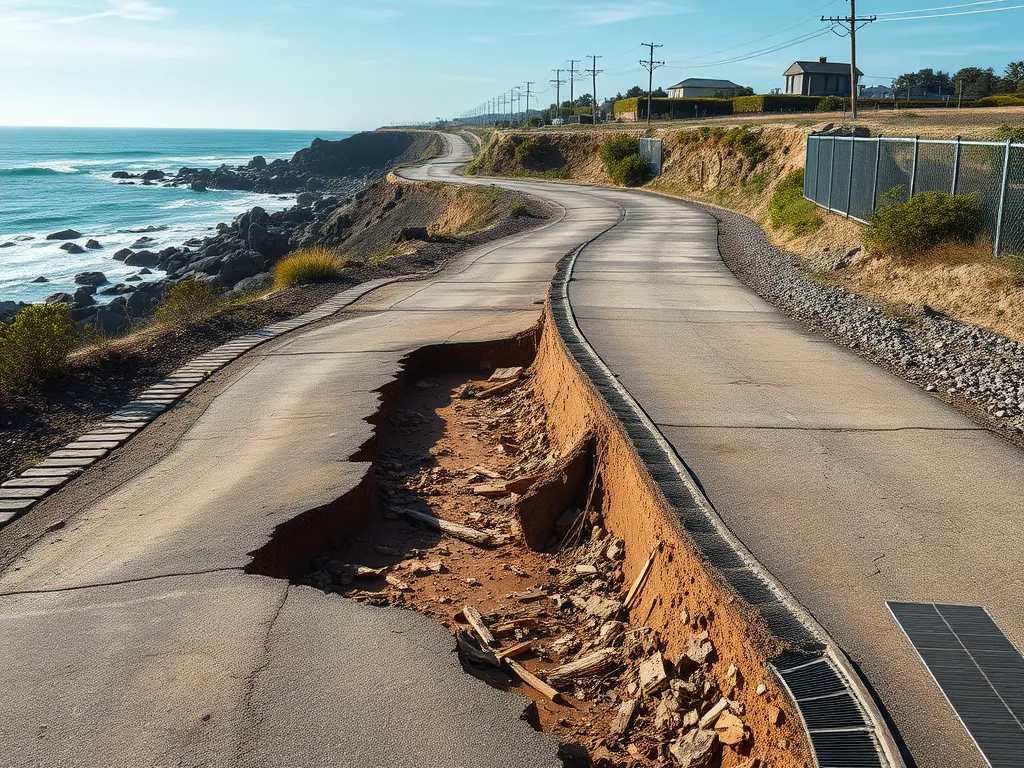
Climate conditions shape not just maintenance schedules but also material choices. Sustainable asphalt care balances durability with ecological responsibility while addressing regional weather patterns.
Eco-friendly Sealants and Repair Materials
Driveways in sun-drenched areas benefit from plant-based sealants with UV blockers. These products reflect solar radiation, reducing surface temps by 15-20°F compared to conventional options. Coastal zones require sealers with rust inhibitors to combat salt spray – look for formulations containing soybean oil derivatives.
Cold regions demand crack fillers that remain flexible below freezing. New bio-polymer blends maintain elasticity at -30°F without petroleum additives. For rainy climates, permeable patching mixes allow water drainage while preventing aggregate erosion.
Recycling Asphalt in Climate-specific Repairs
Reclaimed asphalt pavement (RAP) now accounts for 95% of recycled material in US road projects. Climate-tailored mixes combine RAP with fresh binders: polymer-modified asphalt for freeze-thaw zones, high-stability PG 76-22 binders for heat-prone areas.
| Climate Type | Recycled Mix Features | Cost Savings |
|---|---|---|
| Hot/Dry | Added lime stabilizers | 18-22% |
| Cold/Wet | Rubberized binder blend | 15-20% |
| Coastal | Anti-corrosion additives | 12-15% |
Northern states reuse milled asphalt in pothole repairs using cold-mix techniques that withstand frost heave. Southern contractors apply 100% recycled surface courses rated for 145°F pavement temps.
These green practices set the stage for tackling common concerns about weather-related driveway care – let’s examine the most frequent queries from homeowners.
Frequently Asked Questions (FAQ)
Does Snow or Cold Weather Damage Asphalt Driveways?
Yes, snow and cold weather can damage asphalt driveways. The freeze-thaw cycles common in colder climates can widen existing cracks and create new ones. Additionally, snow removal techniques, especially with metal shovels or plows, can also lead to surface wear if not done carefully. It’s important to seal cracks and use appropriate snow removal equipment to minimize damage.
How Quickly Should Wet Weather Repairs Be Addressed?
Repairs for wet weather damage should be addressed as soon as possible to prevent further degradation. Left unattended, moisture can infiltrate cracks and lead to more substantial damage, especially in freeze-thaw conditions. It’s advisable to schedule repairs during dry weather whenever possible for optimal results.
How Does Humidity Affect Asphalt Driveway Maintenance?
High humidity levels can slow the curing process of asphalt and lead to moisture-related issues such as softening or raveling of the surface. In coastal areas, the combination of humidity and salt exposure can accelerate binder breakdown. Regular maintenance, including rinsing off salt and using appropriate sealants, is crucial in mitigating these effects.
What Impact Do UV Rays Have on Asphalt Driveways?
UV rays can weaken the asphalt binder, leading to surface fading and premature wear. In regions with high sun exposure, it’s recommended to apply UV-resistant sealcoats every few years to protect the asphalt and extend its lifespan. Also, using lighter-colored sealers can help reduce heat absorption and damage from UV rays.
What Materials Are Best for Driveways in Coastal Areas?
In coastal areas, it’s essential to use materials that can withstand salt exposure and humidity. Polymer-modified asphalt mixes with rust inhibitors are ideal, as they provide better resistance to corrosion from salt. Sealants specifically designed for coastal climates can also help protect the driveway from the damaging effects of saltwater and moisture.
How Often Should I Reseal My Asphalt Driveway?
The frequency of resealing an asphalt driveway depends on local climate conditions but is generally recommended every 2-3 years. In hot, dry climates, you may need to reseal more often due to increased UV exposure and asphalt softening. In contrast, driveways in humid or coastal areas may require more frequent inspections and maintenance due to moisture-related deterioration.
Are There Eco-friendly Options for Driveway Maintenance?
Yes, there are eco-friendly options for driveway maintenance. Look for biodegradable sealants made from plant-based materials, which can offer UV protection without harmful chemicals. Additionally, using recycled asphalt or permeable materials can be environmentally friendly choices that allow for better drainage and reduced heat retention.

Closing Thoughts
Understanding how local climate influences asphalt driveway maintenance is vital for homeowners. Each region presents unique challenges, from temperature extremes to moisture variations. Hot and dry areas require strategies to prevent UV damage, while cold climates need attention to snowplow use and freeze-thaw cycles. Coastal regions face the added challenge of saltwater exposure, emphasizing the importance of proactive care.
Implementing seasonal maintenance strategies year-round ensures your driveway remains in top shape. Regular sealcoating, crack sealing, and proper drainage can prolong the life of your asphalt, reducing long-term costs. By employing eco-friendly materials and techniques, you not only protect your investment but also contribute to environmental sustainability.
For more detailed information on asphalt maintenance tailored to your climate, visit Asphalt Calculator USA. With the right knowledge, you can ensure your driveway withstands the test of time and weather.
Additional Resources for You:
- Federal Highway Administration (FHWA) – Asphalt Pavement Technologies
- Asphalt Repair: How Weather Affects Asphalt Surfaces in Perth – Claremont Asphalt
- The pros and cons of 6 driveway materials – The Washington Post
- Learn the Effects Snowy Weather has on Asphalt Pavement
- Winter Weather’s Effect on Asphalt Pavement – Pavement Solutions