How to Cut Asphalt: Tools, Techniques, and Safety
Published on: January 3, 2026 | Last Updated: April 14, 2025
Written By: George Voss
Cutting asphalt requires power tools with diamond blades to slice through the tough mix of aggregates and bitumen. Use a circular saw with a 14-inch diamond blade for most projects, or an angle grinder for smaller repairs. Always wear ANSI-approved safety goggles, a respirator, and cut-resistant gloves to block dust and sharp fragments.
This guide covers blade types for different asphalt thicknesses, how to set cutting depths up to 4 inches, and OSHA-recommended worksite setups. You’ll learn to handle walk-behind saws for large pavements, control silica dust with wet cutting, and recycle 95% of removed asphalt. We break down each step from marking lines with chalk to sealing edges with emulsion sealant.
Contents
Essential Tools for Cutting Asphalt
Selecting the right equipment makes or breaks asphalt cutting projects. Match tools to job size, material thickness, and required precision. Below are the top options for clean cuts and efficient work.
Best Tools for Cutting Asphalt
From driveways to roads, each task demands specific gear. Power tools handle heavy-duty jobs, while manual methods work for minor fixes.
Circular Saw with Diamond Blade
A 14-inch diamond blade circular saw slices through 4-6 inch asphalt layers at 4,000-5,000 RPM. Use wet cutting modes to limit dust. Ideal for straight lines on driveways or road surfaces. Segmented rim blades prevent overheating during prolonged use.
Angle Grinder with Masonry Disc
For cuts under 2 inches deep, a 7-inch angle grinder paired with a turbo masonry disc works. Perfect for trimming edges near walls or utility boxes. Keep the tool at a 15° angle to avoid blade binding. Not recommended for full-depth pavement cuts.
Chisel and Hammer for Small Repairs
Cold chisels and 3-pound hammers tackle cracks under 12 inches long. Score the area first, then strike at 45° angles to break off chunks. Costs under $20 for basic sets. Limited to non-structural repairs.
Walk-Behind Asphalt Saw
Gas-powered walk-behind saws cut 8-14 inches deep for roadwork or overlay projects. Features like blade guards and water tanks support 10-hour shifts. Rentals cost $150-$300 daily. Requires two operators for safe handling.
Specialty Asphalt Cutting Blades
Asphalt-specific blades have wider gullets (0.25-0.5 inches) to handle aggregate. Look for PG (Performance Graded) markings confirming heat resistance up to 300°F. Avoid concrete blades—they wear out 3x faster on asphalt.
With tools covered, the next step involves prepping your site for safe, efficient cutting. Proper setup prevents costly errors and ensures smooth operations.
Preparation Steps Before Cutting Asphalt
Cutting asphalt demands precise planning. Skipping prep work risks uneven cuts, tool damage, or safety hazards. Follow these steps to ensure clean results.
Marking the Cutting Area
Use chalk lines or spray paint to outline your cut. For curves or angles, stencils ensure accuracy. Measure twice: asphalt repair costs $3–$7 per square foot if errors require rework. Mark 6–12 inches beyond damaged areas when prepping for overlays.
Choosing Wet Vs. Dry Cutting Methods
Wet cutting uses water to cool blades and suppress dust. Ideal for thick pavement (>4 inches) or enclosed spaces. Dry cutting works faster but generates silica dust—require OSHA-approved respirators. For driveways, wet methods extend diamond blade life by 30%.
| Method | Best For | Blade Life | Dust Control |
|---|---|---|---|
| Wet | Deep cuts, indoor | 500–700 linear ft | 95% reduction |
| Dry | Shallow repairs, speed | 200–400 linear ft | Requires vacuum |
Inspecting Asphalt Thickness and Condition
Check pavement depth with a core drill or probe. Driveways average 2–3 inches; roads 4–6 inches. Brittle or cracked asphalt needs slower cutting speeds (under 4,500 RPM) to prevent chipping. Look for rebar or steel mesh in highways—switch to abrasive blades if detected.
Clearing Debris and Obstacles
Remove loose gravel, vegetation, or drainage pipes within 3 feet of the cut. Debris deflects blades, causing jagged edges. For road projects, sweep with a broom or air compressor. Cover nearby vehicles—asphalt chunks can travel 20+ feet at 8,000 RPM.
Proper setup ensures smoother execution. Next, master the step-by-step methods to cut asphalt pavement efficiently.

Step-by-step Cutting Methods
Cutting asphalt demands accuracy and tool mastery. Pick a method based on job size, tool access, and finish goals.
How to Cut Asphalt With a Circular Saw
A circular saw fitted with a diamond blade (14+ teeth) works for roads or driveways. Start by marking lines with chalk or spray paint.
Setting Blade Depth for Asphalt Pavement
Adjust blade depth to 1/4 inch past pavement thickness. For a 3-inch road surface, set to 3.25 inches. Lock depth settings to avoid shifting mid-cut.
Maintaining Steady Pressure and Speed
Push forward at 2-3 inches per second. Let the blade do the work—forcing it causes jagged lines. Run at 5,000 RPM for smooth results. Stop every 30 seconds to cool blades if dry-cutting.
Cutting Asphalt With an Angle Grinder
Use a 4-inch angle grinder with a masonry disc for tight spots or partial-depth jobs. Ideal for fixing cracks under 6 inches wide.
Precision Techniques for Driveway Repairs
Score lines first at 1/4-inch depth. Follow up with full cuts in 1/2-inch increments. Hold the tool at 15 degrees to avoid binding. Works for cutting asphalt on driveways near walls or utility boxes.
Breaking Up Asphalt by Hand
Manual methods suit patches under 10 sq ft. Start with a pry bar to lift slab corners.
Using Chisels and Sledgehammers
Drive a cold chisel into joints with a 4-lb sledge. Strike at 45-degree angles to split material along aggregate lines. Remove chunks no bigger than 12×12 inches for hauling.
Cutting Asphalt for Overlay Projects
Prepping roads for fresh layers needs clean vertical edges. A walk-behind saw with 12-inch diamond blades cuts 2 inches into existing pavement.
Creating Clean Edges for Seamless Repairs
Cut full-depth along repair boundaries at 90-degree angles. This allows new hot mix asphalt (HMA) to bond without voids. Allow 1/8-inch gap for expansion in climates with frost cycles.
With your cuts complete, focus shifts to guarding against physical risks. What safety protocols apply during asphalt cutting?
Also See: Advanced Safety Gear for Asphalt Projects
Safety Precautions for Asphalt Cutting
Cutting asphalt demands strict safety protocols. Ignoring hazards can lead to injuries or long-term health risks. Follow these guidelines to protect yourself and your crew.
Protective Gear Requirements
Proper gear shields against flying debris, noise, and harmful particles. Never operate tools without these essentials.
Eye, Ear, and Respiratory Protection
Wear ANSI-approved safety goggles to block rock chips and asphalt fragments. Use earplugs or muffs when running loud equipment like circular saws (85-110 decibels). An N95 respirator filters silica dust, which causes lung damage over time.
Gloves and Steel-Toe Boots
Heat-resistant gloves improve grip on saw handles and prevent blisters. Steel-toe boots with slip-resistant soles protect feet from dropped tools or blade kickbacks.
Minimizing Dust and Fumes
Asphalt cutting releases carcinogenic fumes and fine particulate matter. Control exposure with these methods.
Wet Cutting to Reduce Hazards
Wet cutting sprays 1-2 gallons of water per minute onto the blade. This reduces airborne silica dust by 85-90% and cools the blade, extending its life. Use walk-behind saws with built-in water systems for large jobs like cutting asphalt road surfaces.
Avoiding Common Physical Strains
Repetitive motions and heavy equipment strain muscles. Keep elbows bent at 90° when holding saws. Lift broken asphalt chunks with leg muscles, not your back. Take 5-minute breaks every 30 minutes to stretch wrists and shoulders.
Proper safety measures ensure smooth transitions to post-cut tasks like sealing edges or recycling debris. Next, let’s explore how to maintain your tools and pavement after cutting.

Post-cutting Maintenance and Care
Once you cut asphalt, care steps keep your work solid. Fix flaws fast to stop cracks from spreading.
Filling Gashes and Cracks
Fill holes with cold patch asphalt for small fixes. Pack it down with a hand tamper. Use sand mix or liquid fill for splits over 1/4 inch. Let repairs set for 1-2 hours before use. This blocks water from eating at the base layer.
Sealing Cut Edges for Durability
Seal fresh cuts with coal tar or asphalt sealant. Brush it on clean edges in thin coats. Allow 4-6 hours to dry. Sealing stops edge chips and sun damage. Reapply every 12-18 months on driveways.
Cleaning and Storing Tools
Rinse blades with water to clear grit. Check diamond teeth for missing segments. Dry metal parts to fight rust. Store saws in dry sheds or hang on pegboards. Oil chisel heads to stop corrosion. Sharp tools save time on the next cut asphalt job.
Proper care now leads to smarter eco-steps next. Let’s explore how asphalt work impacts the land around us.
Environmental Considerations
Cutting asphalt generates debris and runoff requiring responsible management. Proper handling reduces ecological impact while meeting local regulations.
Recycling Asphalt Debris
Asphalt ranks as North America’s most recycled material, with over 95 million tons reused annually. Debris from cutting asphalt pavement can be processed into Reclaimed Asphalt Pavement (RAP). RAP mixes with fresh aggregates and binder to create new surfaces, reducing virgin material use by 20-30%.
Contractors typically haul millings to asphalt plants for crushing and reheating. Recycled material cuts project costs by 15-25% while maintaining pavement strength. Use RAP for driveway repairs, pothole filling, or road base layers.
Minimizing Water Runoff During Wet Cutting
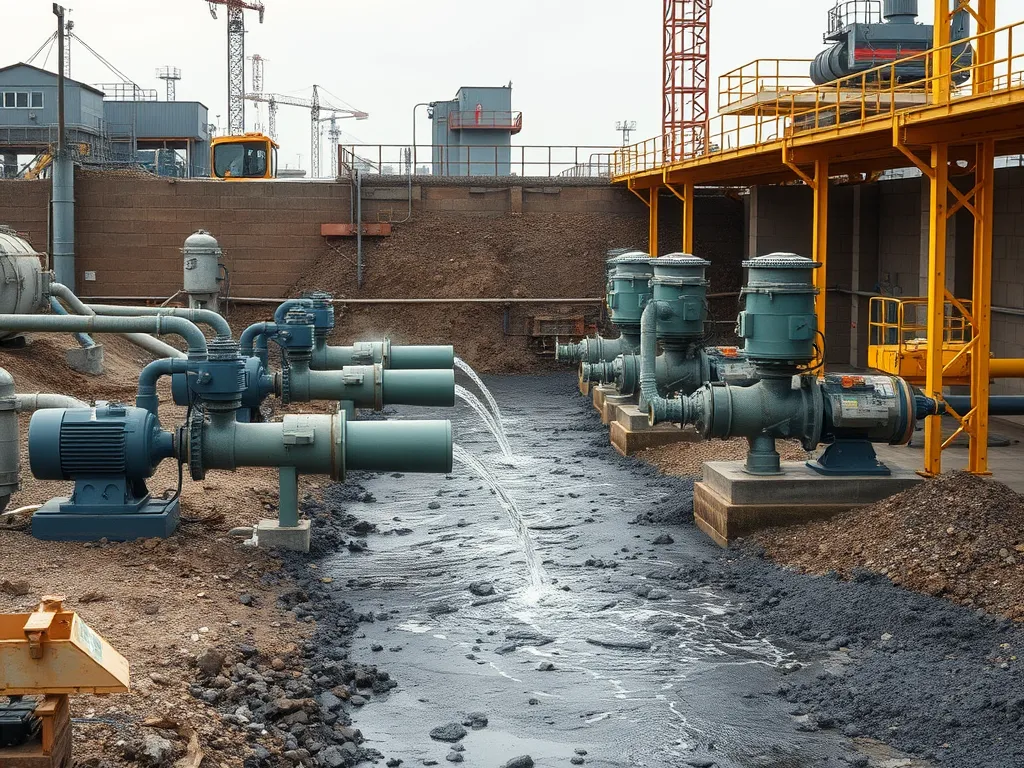
Wet cutting asphalt with circular saws or walk-behind saws controls dust but creates slurry containing bitumen and fine particles. Unmanaged runoff contaminates soil and waterways. Follow EPA guidelines using containment berms, silt fences, or vacuum systems to capture wastewater.
For driveway projects, position pumps to redirect water to filtration systems. Test runoff pH levels – asphalt slurry often ranges between 8.5-9.5, requiring neutralization before discharge. Some states mandate permits for wet cutting near storm drains.
Balancing efficient asphalt cutting with eco-friendly practices ensures compliance and community safety. Next, we’ll explore solutions to frequent challenges faced during pavement modification projects.
FAQs About Cutting Asphalt
What is the Best Tool to Cut Asphalt?
The best tool for cutting asphalt generally depends on the thickness of the material and the precision needed. A circular saw with a diamond blade is ideal for larger jobs, while an angle grinder is better for smaller or detailed cuts.
Do You Cut Asphalt Wet or Dry?
Whether to cut asphalt wet or dry depends on the specific circumstances. Wet cutting is preferable for deeper cuts and indoor jobs as it minimizes dust and prolongs blade life, while dry cutting is faster but releases more harmful particles into the air.
How to Cut Asphalt Without a Saw?
You can cut asphalt without a saw by using a chisel and a hammer for small repairs. This method is labor-intensive but effective for breaking up small areas of asphalt.
Can a Circular Saw Cut Asphalt Pavement?
Yes, a circular saw fitted with a diamond blade can efficiently cut through asphalt pavement. Ensure that you are using the appropriate blade and adjust the depth to suit the thickness of the asphalt.
What Blade Type is Ideal for Asphalt?
The ideal blade type for cutting asphalt is a diamond blade specifically designed for asphalt cutting. These blades have wider gullets to handle the aggregates within the asphalt and reduce wear compared to standard concrete blades.
Closing Thoughts
Cutting asphalt can seem daunting, but with the right tools and techniques, it becomes manageable. Whether you’re using a circular saw, an angle grinder, or breaking up asphalt by hand, preparation and safety are key. Take the time to gather necessary equipment and ensure you’re wearing protective gear. Understanding how to approach each project methodically will yield clean edges and durable results.
For more helpful tips on asphalt cutting and other related topics, check out Asphalt Calculator USA. Stay informed and elevate your asphalt projects with quality knowledge!