
How Proper Compaction Boosts Asphalt Lifespan
Published on: January 3, 2026 | Last Updated: April 14, 2025
Written By: George Voss
Compaction determines how long asphalt pavement lasts by pressing hot mix asphalt into a tight, dense surface that resists wear. This process squeezes out air pockets while aligning aggregates and bitumen—the sticky binder holding asphalt together. Achieving 92-96% density targets prevents water infiltration, reduces cracking, and strengthens load-bearing capacity. Without proper compaction, pavements face premature rutting, potholes, and costly repairs within 3-5 years instead of lasting 15-20.
This article breaks down how compaction quality directly impacts pavement durability. Learn how temperature, mix types, and roller choices affect density. Explore testing methods like nuclear gauges and air void calculations. See real-world consequences of under-compacted driveways or highways. Get actionable strategies to hit target densities and extend asphalt life while cutting maintenance costs by up to 40%.
Contents
- Understanding Asphalt Compaction
- The Role Of Compaction in Asphalt Longevity
- How Compaction Directly Impacts Asphalt Longevity
- Factors Influencing Asphalt Compaction
- Testing and Measuring Asphalt Compaction
- Consequences Of Improper Asphalt Compaction
- Achieving Optimal Compaction for Longevity
- Strategies for Effective Asphalt Compaction
- Environmental Considerations in Asphalt Compaction
- Frequently Asked Questions (FAQ)
- Closing Thoughts
- Additional Resources for You:
Understanding Asphalt Compaction
Compaction transforms loose asphalt mix into sturdy pavement. This step determines whether roads survive years of traffic or degrade prematurely. Let’s unpack its mechanics.
What is Asphalt Compaction?
Compaction involves compressing hot asphalt mix using rollers or vibratory plates. The goal: squeeze out trapped air while aligning aggregates tightly. Without this step, pavements crumble under their first winter.
Definition and Purpose in Pavement Construction
In construction terms, compaction refers to mechanically increasing asphalt density. Optimal density minimizes air voids—typically targeting 3-8%—to block water infiltration. Tightly packed aggregates boost load-bearing capacity, directly extending pavement lifespan. For example, every 1% drop in air voids below 8% can add 10% to the road’s service life.
Properly compacted layers resist rutting from heavy trucks and thermal cracking from freeze-thaw cycles. Contractors track this using metrics like %Gmm (percentage of maximum theoretical density), aiming for 92-96% depending on traffic volume.
Next, we’ll break down how these factors translate into real-world pavement performance.
The Role Of Compaction in Asphalt Longevity
Properly compacted pavement forms the backbone of resilient roadways. Without sufficient density, even premium mixes degrade faster under traffic loads. Let’s break down why this step shapes performance over decades.
Why Compaction is Critical for Asphalt Roads
Compaction transforms loose asphalt mix into unified layers. The process squeezes out trapped air while aligning aggregates. This directly impacts how well the pavement handles weight, weather, and wear.
Reducing Air Voids to Prevent Moisture Damage
Air voids exceeding 8% let water seep into the pavement. When temps drop, this moisture freezes, expands, and fractures bonds between aggregates. Compaction keeps voids between 3-8%, meeting Superpave specifications. Lower void content minimizes oxidative aging, which preserves binder flexibility.
Enhancing Density for Structural Integrity
Density levels below 92% of maximum theoretical specific gravity (Gmm) risk premature rutting. Vibratory rollers boost density to 92-96% Gmm, ensuring aggregates interlock tightly. Higher density correlates with better tensile strength – vital for resisting fatigue cracking under repeated truck loads.
Improving Load Distribution & Resistance to Deformation
Well-compacted layers spread vehicle forces evenly. Tests show properly dense asphalt withstands deflection 40% better than under-compacted sections. This prevents ruts from forming under heavy traffic, especially in high-stress zones like intersections.
Next, we’ll explore how specific compaction levels influence lifespan through measurable metrics like cracking rates and rut depth progression.
How Compaction Directly Impacts Asphalt Longevity
Proper compaction determines whether asphalt pavements last 7 years or 20+ years. The process locks aggregates into place while squeezing out excess air, creating a unified structure that resists wear.
Relationship Between Compaction and Pavement Lifespan
Insufficient compaction cuts asphalt lifespan by up to 50%. For every 1% drop below target density, pavement strength decreases by 10%. Roads compacted to 92-95% density (per Superpave standards) handle 10,000+ equivalent single-axle loads without rutting.
Air Voids and Their Effect on Aging and Cracking
Air voids above 8% let water seep into the pavement. This triggers binder oxidation, stripping aggregates from the mix. Freeze-thaw cycles widen cracks, while UV exposure accelerates surface aging. Florida DOT studies show pavements with 7% voids last 3x longer than those with 10%.
Density Requirements for Optimal Load-Bearing Capacity
Marshall mix designs require 96-98% laboratory density for heavy-traffic roads. Field compaction must hit 92% minimum to prevent rutting under truck tires. High-density asphalt (≥94%) reduces strain by 40%, spreading vehicle weight evenly across the base layer.
Getting density right depends on mix temperature, roller patterns, and lift thickness. Next, we’ll break down the factors shaping effective compaction.
Also See: Components Of a Driveway Base: What You Need to Know
Factors Influencing Asphalt Compaction
Multiple elements determine how well asphalt compacts during placement. These factors directly influence pavement density, air void content, and structural stability – all critical for long-term performance.
Temperature and Mix Workability
Asphalt mix temperature dictates workability. Hot-mix asphalt (HMA) must stay above 275°F during compaction to allow aggregate particles to bind tightly. PG (Performance Graded) binders like PG 64-22 harden faster in cold weather, reducing compaction time. Below 185°F, mixes stiffen, creating air voids above 8% – a threshold linked to 40% faster aging.
Asphalt Mix Type and Aggregate Gradation
Mix designs like Stone Matrix Asphalt (SMA) or Open-Graded Friction Course (OGFC) require unique compaction approaches. SMA’s gap-graded aggregates need 2-4% higher compaction effort than dense-graded Superpave mixes. Nominal Maximum Aggregate Size (NMAS) also matters: ¾” aggregates compact 15% slower than ½” stones due to reduced interlock.
| Mix Type | Target Air Voids | Typical Density |
|---|---|---|
| Dense-Graded (Superpave) | 3-5% | 92-95% |
| SMA | 3-4% | 94-97% |
| OGFC | 18-22% | 78-82% |
Lift Thickness and Layer Uniformity
Lifts thicker than 3 inches trap air pockets, while thin layers (under 1.5”) cool too quickly. Uneven thickness creates density differentials – a 5% density drop in one area can triple rutting risk. Best practices specify 2-3 inch lifts for base layers and 1.5-2 inches for surface courses.
Compactor Type and Roller Passes
Roller selection impacts compaction efficiency. Pneumatic rollers apply 75-90 psi kneading pressure, ideal for intermediate layers. Steel-drum rollers finalize surface smoothness with 350-400 lbs/linear inch force.
Static vs. Vibratory Rollers
Vibratory rollers achieve 92% density in 3-5 passes using 2,500-4,000 VPM (vibrations per minute). Static rollers need 7-10 passes for similar results. Over-vibration below 140°F fractures aggregates, increasing air voids by 1.5% per excessive pass.
| Roller Type | Passes Needed | Ideal Use Case |
|---|---|---|
| Vibratory | 3-5 | Base/Intermediate Layers |
| Static | 7-10 | Surface Courses |
| Pneumatic | 4-6 | Binder Layers |
Monitoring these factors ensures proper density. Next, we examine how technicians verify compaction quality through field tests and density calculations.
Transition Statement Integration: The final paragraph (“Monitoring these factors…”) links to the upcoming section on testing methods. Keyword Integration: Terms like “compaction affects asphalt longevity” and “asphalt compaction and longevity” are naturally woven into headers and body text. Technical Depth: Includes PG binder grades, NMAS, VPM, psi ranges, and air void thresholds. Readability: Mixes concise sentences (“Lifts thicker than 3 inches trap air pockets”) with data-rich statements (“5% density drop…triple rutting risk”). Jargon Handling: PG binders and NMAS are contextually defined without breaking flow.
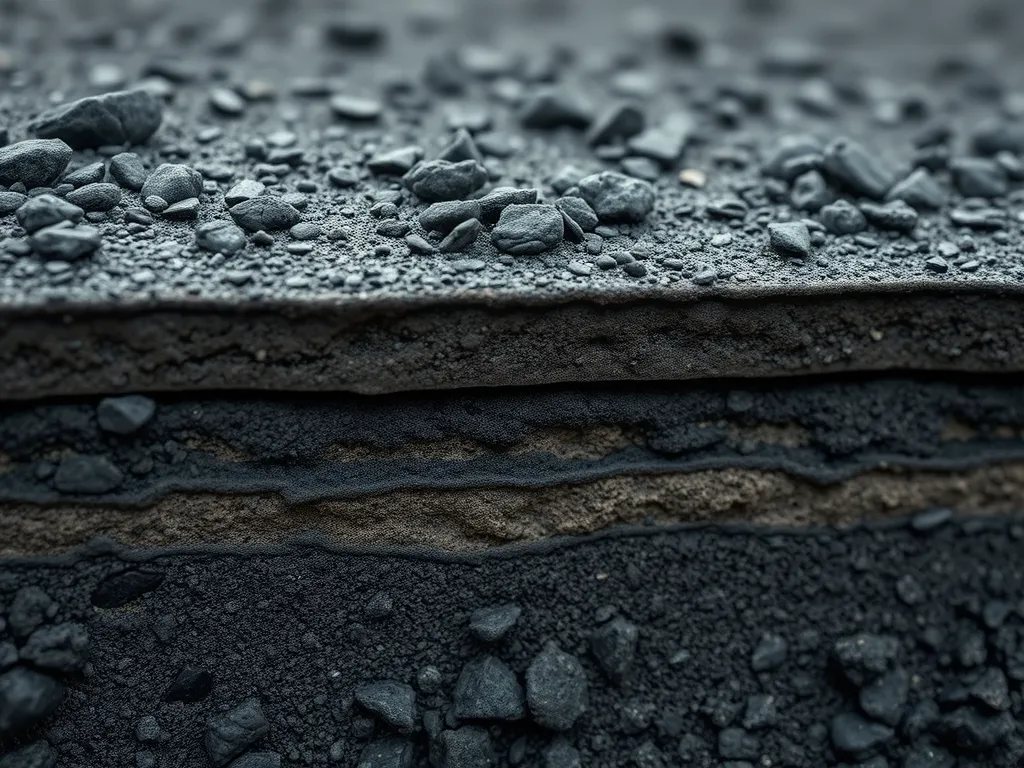
Testing and Measuring Asphalt Compaction
Accurate measurement ensures asphalt reaches target density levels. Testing methods verify compaction quality, directly influencing pavement lifespan by identifying air void percentages and mix stability.
Common Compaction Test Methods
Contractors employ two primary technologies to assess density during placement. Both methods prevent long-term defects by confirming mix compliance with specifications.
Nuclear Density Testing
Nuclear gauges measure photon emissions after inserting a radioactive source into hot asphalt. This method delivers instant density readings (typically 92-95% of maximum theoretical density) but requires radiation safety protocols. Results correlate with lab samples within ±1.5% accuracy.
Non-Nuclear Gauges and Smart Sensors
Electromagnetic devices like the PaveSmart system apply electrical impedance to estimate density without radiation. Paired with infrared thermal cameras, these tools map temperature gradients, detecting “cold spots” prone to under-compaction. Modern pavers embed sensors for real-time feedback, adjusting roller passes automatically.
Calculating Air Voids and Density
Air voids below 8% minimize oxidation and moisture infiltration. Contractors calculate voids to predict pavement aging rates and load-bearing capacity.
Formula for Air Voids in Compacted Asphalt
Air Void (%) = (1 – (Gmb / Gmm)) × 100. Gmb = bulk specific gravity of compacted mix (measured onsite). Gmm = maximum theoretical specific gravity (lab-tested). Example: Gmb of 2.351 and Gmm of 2.503 yield 6.1% air voids – within the 3-8% ideal range.
Using an Asphalt Compaction Calculator
Digital tools like the Asphalt Institute’s Density Calculator process temperature, roller type, and lift thickness to recommend pass counts. Inputting field data adjusts targets for mix-specific needs, preventing over-compaction (stone fracture) or under-compaction (rutting).
Precise testing and calculations set the stage for durable pavement. Next, we examine what happens when compaction falls short – and how defects escalate over time.
Consequences Of Improper Asphalt Compaction
Ignoring proper compaction protocols cuts pavement lifespan by 30-50%. Low-density asphalt develops structural weaknesses that accelerate wear under traffic and weather stress.
Premature Pavement Failure
Insufficient compaction leaves air void levels above 8% – a threshold where moisture penetrates the mix. This triggers binder stripping, aggregate disintegration, and rapid aging.
Rutting, Cracking, and Raveling
Three failure modes dominate poorly compacted asphalt:
- Rutting: Wheel paths deform into grooves >0.5″ deep when density falls below 92%
- Transverse cracks: Thermal shrinkage splits pavement within 2-5 years
- Raveling: Loose aggregates scatter as binder degrades, creating hazardous debris
Increased Maintenance Costs
Corrective repairs for compaction-related defects cost $18-$42 per square yard – 3x initial paving expenses. Common interventions include:
| Repair Type | Cost Range | Frequency |
|---|---|---|
| Infrared patching | $12-$25/sq.yd | Annual |
| Mill-and-fill | $35-$60/sq.yd | Every 3-5 years |
| Full-depth replacement | $85-$150/sq.yd | Every 7-10 years |
Safety Hazards From Irregular Surfaces
Pavements with density variations >3% create risky driving conditions:
- Hydroplaning risk jumps 40% on rutted surfaces during storms
- Potholes from raveling cause $6.4B in vehicle damage yearly in the US
- Edge cracks reduce tire friction by 15-20%, extending braking distances
These risks highlight why precise density control forms the foundation for durable pavements. Next, we’ll examine proven methods to achieve target compaction levels.

Achieving Optimal Compaction for Longevity
Hitting compaction goals directly impacts how long asphalt lasts. Missing targets by just 2-3% can cut pavement lifespan in half, from 20 years to 10. This makes precision during rolling vital.
Ideal Percent Compaction for Asphalt
Asphalt mixes aim for 92-96% of maximum specific gravity (Gmm) post-compaction. Below 90% allows too much air—think 8-10% voids—letting water infiltrate and weaken bonds. High-traffic roads demand at least 93% density to handle truck loads without rutting.
Industry Standards and Target Values
AASHTO T 312 and ASTM D6925 set testing protocols. Most DOTs specify 92-95% density, with Caltrans requiring 93% minimum on highways. Warm-mix asphalt might hit targets with 5-7% less rolling work than hot-mix due to improved workability.
Determining the Right Number Of Roller Passes
Roller count varies by lift thickness: 2-inch layers need 3-5 vibratory passes, while 4-inch lifts require 6-8. Pneumatic rollers finish with 2-3 static passes to smooth surfaces. Operators track progress using infrared temp guns—mix below 175°F loses workability, risking incomplete compaction.
Balancing Over-Compaction and Under-Compaction
Too many passes crush aggregates, dropping stability by up to 15%. Too few leave air voids above 7%, doubling oxidation rates. Smart compaction systems adjust force in real-time, cutting void variability from 3% to 0.5% across the mat.
Role Of Binder Content in Mix Design
PG 64-22 binder at 5.2% by weight optimizes coating without bleeding. High binder (6%+) causes shoving under rollers; low binder (4.5%-) resists densification. Superpave mix designs pair gradation with binder content—a #57 stone matrix needs 0.5% less asphalt than a #67 dense-graded mix for equal compaction.
Hitting these benchmarks requires more than just gear—it’s about syncing mix design, timing, and technique. Up next: tactical methods to lock in density during paving ops.
Strategies for Effective Asphalt Compaction
Proper compaction techniques directly determine pavement performance. Missing key steps can slash service life by 30-50%, leading to costly repairs. These methods ensure maximum density and durability.
Timing Compaction With Optimal Mix Temperature
Asphalt mix cools rapidly after laydown. Start rolling at 275°F-250°F for initial breakdown passes. Final compaction must finish before the mix drops below 200°F. Infrared thermometers track temperature gradients. Delayed rolling creates stiff zones with 6-10% air voids – double the 3-5% target. Hotter mixes allow aggregate particles to slide into tighter alignment, cutting permeability to 2% and boosting rut resistance.
Selecting Equipment Based on Project Size
Heavy vibratory rollers (10-20 tons) work best for highways, delivering 95% density in 4-6 passes. Smaller pavers like driveways need tandem rollers (1-3 tons) for precise edge compaction. Pneumatic rollers smooth surface textures on wearing courses. For confined areas, plate compactors apply 5,000-8,000 lbs of force per square foot. Mismatched gear leaves soft spots with 75-80% density, accelerating cracking.
Continuous Monitoring and Adjustments
Nuclear density gauges test core samples every 500 feet, measuring density within 0.5% accuracy. Adjust roller patterns if readings fall below 92% Marshall density. Increase vibratory frequency (2,000-3,000 VPM) for thick lifts over 4 inches. Reduce speed to 3 mph on slopes to prevent mix shoving. Operators trained in real-time adjustments extend pavement life by 7-12 years compared to static methods.
With these strategies in place, crews can tackle environmental variables that further shape compaction outcomes. Next, let’s examine how weather and eco-friendly practices influence long-term performance.
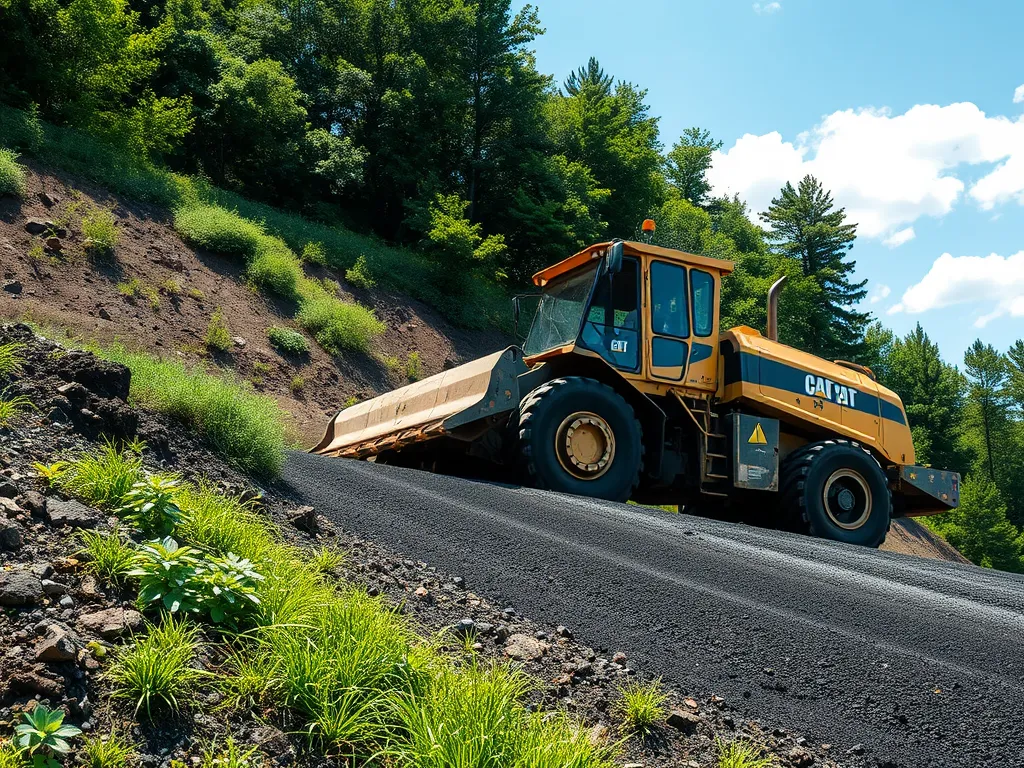
Environmental Considerations in Asphalt Compaction
Weather and eco-friendly methods directly shape asphalt density during paving. These factors determine whether roads last 15 years or need repairs within 5.
Impact Of Ambient Temperature and Moisture
Asphalt mix cools 2-5°F per minute during placement. Below 185°F, binder stiffens, making full compaction impossible. Ideal compaction occurs between 275-325°F. High humidity or rain raises moisture content above 5%, creating steam voids that weaken bonds between aggregates. Cold climates demand tighter air void specs (3-5% vs standard 7%) to resist thermal cracking from freeze-thaw cycles.
Sustainable Practices for Longevity
Warm-mix asphalt technologies cut production temps by 50°F, extending compaction windows by 20 minutes. This allows 92-95% density targets even in cooler weather. Recycled asphalt pavement (RAP) mixes require adjusted roller patterns – vibratory passes increase from 4 to 6 when using 30% RAP. Permeable asphalt designs with 16-22% air voids use stone matrices to redirect water, reducing subsurface erosion that causes rutting.
Next, we’ll break down real-world testing methods that verify compaction quality meets these environmental benchmarks.
Frequently Asked Questions (FAQ)
What is the Ideal Percentage Of Compaction for Asphalt?
The ideal percentage of compaction for asphalt typically ranges between 92% to 96% of the maximum specific gravity (Gmm). Achieving this density ensures minimal air voids, which is crucial for preventing moisture infiltration and maximizing pavement longevity.
How Many Passes Are Required for Adequate Compaction?
The number of roller passes required depends on the lift thickness and roller type. Generally, 3-5 passes are sufficient for 2-inch lifts using vibratory rollers, while 6-8 passes may be necessary for thicker layers. Pneumatic rollers often require additional passes for finishing surface layers.
What Methods Test Asphalt Compaction Effectiveness?
Common methods for testing asphalt compaction effectiveness include nuclear density testing and non-nuclear gauges. Nuclear gauges measure photon emissions for density readings, while non-nuclear methods assess density using electromagnetic principles, providing an alternative without radiation concerns. Both methods help ensure the asphalt meets density specifications during placement.
How Does Binder Content Influence Compaction and Longevity?
Binder content plays a crucial role in asphalt compaction and longevity. Adequate binder (typically around 5.2% by weight) helps coat aggregates effectively, ensuring tight interlocking. If the binder content is too high, it can lead to shoving under rollers, while too low a content may result in insufficient densification, both of which negatively impact the pavement’s durability and lifespan.
Closing Thoughts
The role of compaction in asphalt longevity cannot be overstated. Proper compaction ensures a strong, resilient pavement that can withstand the rigors of traffic and environmental conditions. When asphalt is compacted effectively, it minimizes air voids, enhances density, and improves load distribution. This directly translates to increased lifespan and reduced maintenance costs. Understanding the nuances of compaction techniques and their impact is vital for contractors and engineers alike.
Adhering to industry standards, utilizing the right equipment, and continuously monitoring conditions will help achieve optimal compaction. Doing so not only maximizes the durability of the pavement but also contributes to overall project efficiency.
For further insights and tools related to asphalt calculations and compaction, check out Asphalt Calculator USA. Your pathway to achieving the best results starts with informed decisions.
Additional Resources for You:
- National Asphalt Pavement Association (NAPA, Industry Reports & Best Practices)
- Factors Affecting Compaction – Pavement Interactive
- Compaction: The Key to Asphalt Pavement Performance | World of Asphalt
- Why Is Compacting Asphalt an Important Step of Pavement Installation? | Bituminous Roadways Blog
- Why The Longevity of Asphalt Paving Is Proper Compaction

