
Hot Mix Asphalt Surface Treatments: Road Repair That Lasts
Published on: December 31, 2025 | Last Updated: April 14, 2025
Written By: George Voss
Hot mix asphalt surface treatments are high-temperature paving solutions combining 95% stone aggregates with 5% asphalt binder. Applied between 300°F and 350°F, these treatments fix cracks, seal pavement, or add protective layers. Unlike cold mix asphalt (applied below 200°F) or chip seals (stone-and-emulsion sprays), hot mix bonds tighter, resists wear, and handles heavy traffic. Contractors use them for thin overlays, pothole repairs, and road preservation projects needing fast curing times.
This guide breaks down hot mix asphalt treatments step by step. Learn which type works best for your project – seal coats, thin overlays, or recycled mixes. Get specs on PG 64-22 binders (Performance Graded for heat resistance), aggregate size charts (#8 to #57 stone), and mix designs. Compare costs ($2-$5 per sq.ft.), lifespan data (7-12 years average), and eco-friendly options with 30% recycled content. We’ll also cover installation tricks, like compacting at 275°F for maximum density.
Contents
- Understanding Hot Mix Asphalt Surface Treatments
- Common Types Of Hot Mix Asphalt Treatments
- Materials and Composition Specifications
- Advantages and Disadvantages Analysis
- Application Best Practices
- Durability and Service Life Expectations
- Cost Analysis and Budget Considerations
- Environmental Considerations
- Frequently Asked Questions
- Closing Thoughts
- Additional Resources for You:
Understanding Hot Mix Asphalt Surface Treatments
Hot mix asphalt surface treatments form a critical part of road maintenance and construction. This paving solution combines high-quality materials with strict production standards to maintain or restore pavement integrity.
Definition and Primary Purpose
Hot mix asphalt surface treatments involve applying a layer of asphalt combination mix hot (typically 150-300°F) to existing pavements. Primary goals include sealing cracks, stopping water intrusion, and restoring skid resistance. These treatments add structural support without full-depth reconstruction, making them cost-saving options for roads with minor damage.
Key Components and Material Composition
Hot mix asphalt contains three main parts: aggregates (90-95% by weight), asphalt binder (4-8%), and filler materials (1-5%). Aggregates like crushed granite or limestone provide structural strength. Binders—commonly PG (Performance Grade) 64-22 or PG 76-16—act as glue. Fillers such as stone dust or portland cement fine-tune mix properties.
Role of Filler Materials in Asphalt Mix
Fillers boost hot asphalt quality surface paving by filling voids between larger aggregates. This increases mix density and stiffness. Lime-based fillers cut moisture damage by up to 40%, while fly ash improves workability. Optimal filler content stays below 8% to avoid brittleness in surface asphalt treatments.
Now that we’ve outlined core materials and functions, let’s break down common hot mix asphalt treatment methods used across the U.S.
Common Types Of Hot Mix Asphalt Treatments
Multiple methods exist for restoring or improving pavement using hot mix asphalt surface treatments. Each technique serves distinct functions based on traffic volume, existing surface conditions, or budget constraints.
Bituminous Surface Treatment Methods
Bituminous treatments remain widely used for quick fixes or preventive maintenance. These methods blend heated binder with graded stone to create resilient surfaces.
Seal Coats and Surface Sealing
Seal coats involve spraying emulsified binder onto existing pavement followed by stone particles. This process seals minor cracks, prevents water intrusion, and restores skid resistance. Typical application rates range from 0.15-0.35 gallons per square yard for binders paired with 3/8-inch stone. Costs average $0.85-$1.50 per square foot.
Thin Overlay Applications
Thin overlays place 0.75-1.5 inches of hot mix asphalt over existing pavement. Using PG 64-22 binder mixed with crushed stone, these layers smooth ride quality while adding structural support. Properly installed overlays extend pavement life by 5-8 years without requiring full-depth reconstruction.
Hot In-Place Recycling Techniques
This method heats existing pavement to 300°F, mills it, then reprocesses it with fresh binder and stone. Hot in-place recycling handles up to 100% reclaimed materials, cutting project costs by 30-50% versus conventional methods. It’s ideal for roads needing deeper structural repairs without removing old layers.
Skim Coats and Deferred Surface Treatments
Skim coats apply a thin layer (3/8 inch) of hot mix containing fine stone to correct surface irregularities. Deferred treatments delay final surfacing until underlying layers stabilize—common for new bases needing settlement time. Both options reduce material use by 20-40% compared to standard overlays.
Selecting the right treatment depends on more than just method—material specifications play equally vital roles in performance outcomes.
Materials and Composition Specifications
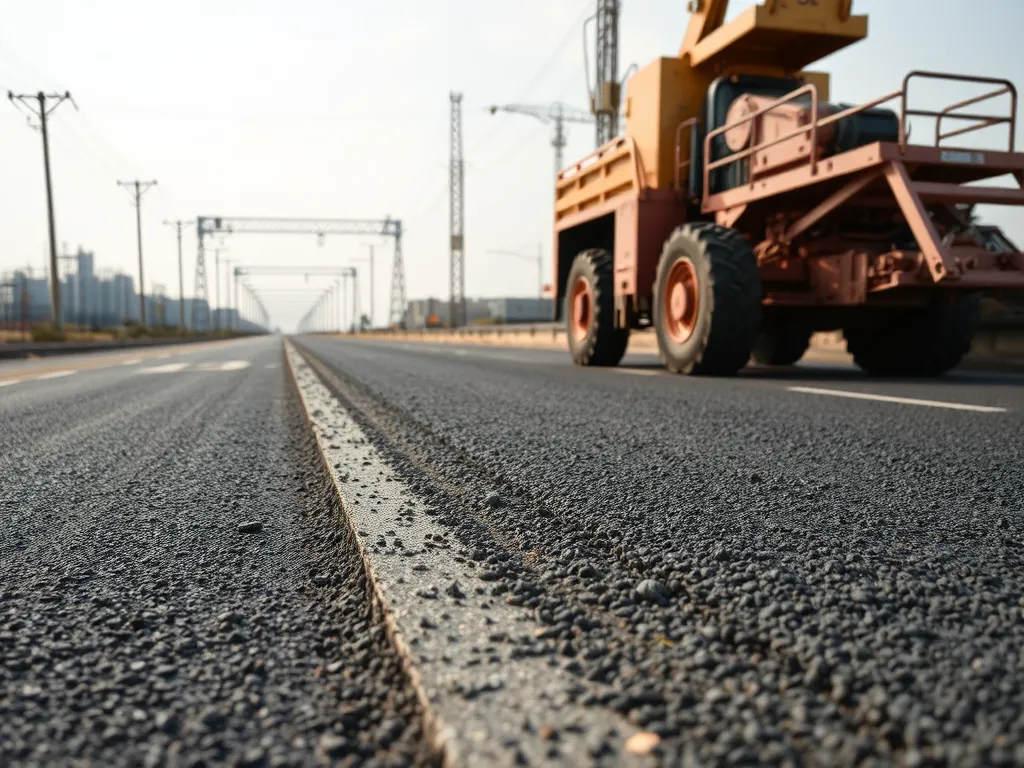
Precise material selection defines success in hot mix asphalt surface treatments. Strict specifications ensure surfcing withstands traffic loads while resisting wear over time.
Aggregate Selection for Durable Surfaces
Crushed stone with 90% fractured faces forms the backbone of surfcing mixes. Aggregates graded between 3/8″ to No. 8 sieve sizes create tight interlock. Limestone or granite meeting Los Angeles Abrasion loss below 35% prevents premature breakdown. Sharp-edged particles improve skid resistance while reducing rutting by 18-22% versus rounded gravel.
Asphalt Binder Types and Performance Grades
PG 64-22 binders dominate surface treatments in temperate zones, withstanding 64°C highs without bleeding. Modified PG 76-28 binders work for heavy traffic zones, containing 3-5% SBS polymers. Warm mix techniqes using chemical additives let binders coat aggregates at 135-150°C versus traditional 150-165°C ranges.
Optimal Mix Design Ratios for Surface Treatments
Surface layers use 5.5-6.5% binder content by weight. Stone Matrix Asphalt (SMA) mixes require 6-7% binder with cellulose fibers preventing drainage. Job mix formulas balance voids in mineral aggregate (VMA) between 16-18% for proper densification under rollers. Open-graded friction courses maintain 18-22% air voids for stormwater infiltration rates up to 200 inches/hour.
With materials precisely engineered, next consider how these specifications translate into real-world performance benefits versus potential limitations.
Also See: Impact Of Driveway Materials on Property Value
Advantages and Disadvantages Analysis
Hot mix asphalt surface treatments balance strength with work limits. Let’s break down their pros and cons.
Key Benefits Of Hot Mix Asphalt Treatments
Hot mix asphalt creates tough road skins. PG binders (asphalt graded for heat/cold) bond rock chips tight. This mix:
- Resists rutting under heavy trucks (lasts 8-12 years)
- Seals cracks fast – roads reopen in 2-4 hours
- Works in most climates (temps above 40°F)
Hot lay jobs cost $2.50-$4.00 per square foot. They beat full rebuilds by 60% in price.
Limitations and Operational Challenges
Heat rules make timing strict. Mixes cool fast below 250°F, causing patchy bonds. Key issues:
- High plant energy use (1.5M BTU per ton)
- Fumes need scrubbers ($200k+ gear)
- Max 30% recycled asphalt in new batches
Cold rain delays jobs. Crews lose $1k/day idling trucks.
Comparing Warm Mix vs Hot Mix Asphalt Drawbacks
Warm mix asphalt (WMA) cooks at 50°F less. It cuts fuel by 20% but has trade-offs:
| Factor | Hot Mix | Warm Mix |
|---|---|---|
| Rut Strength | High | Medium |
| Night Work | No | Yes |
| Additive Cost | $0 | $3-$7 per ton |
Hot mix beats WMA in freeze zones. Warm mix cracks sooner under -10°F cold snaps.
Proper install starts with heat control. Next, we’ll break down temp tips for paving success.
Application Best Practices
Following strict protocols during installation boosts hot mix asphalt surface treatment longevity. Two factors govern success: thermal control during placement and structural calibration through compaction.
Temperature Requirements for Proper Installation
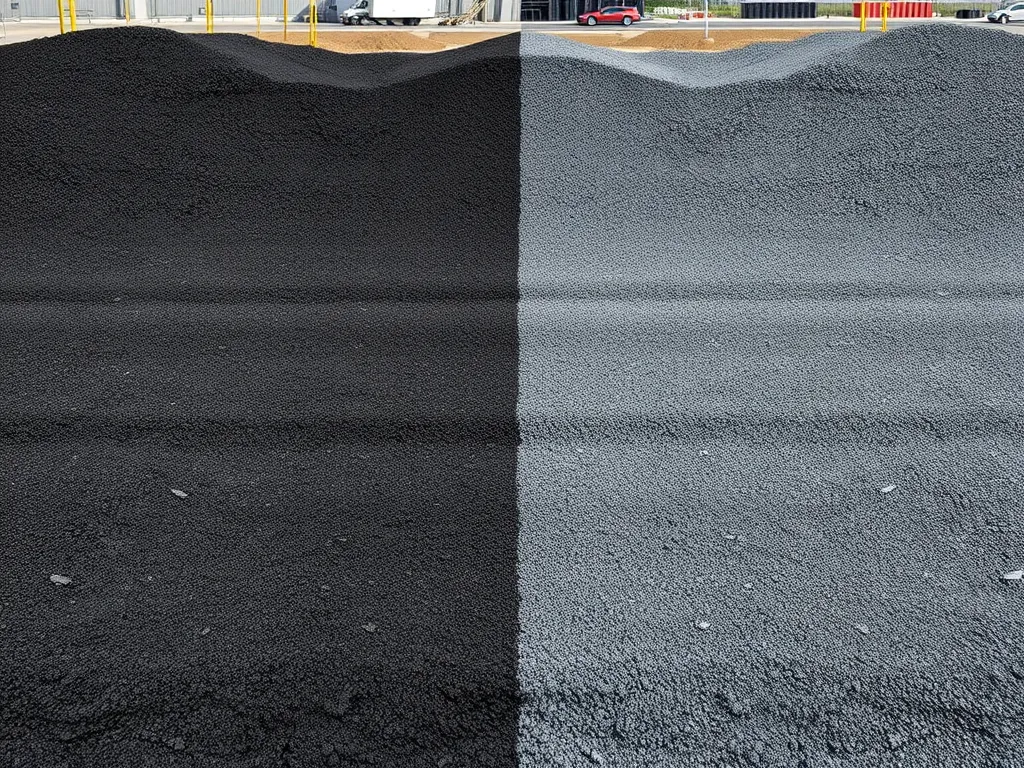
Hot mix asphalt must maintain 280-330°F at mixing plants. During laydown, truck beds hold material above 275°F to avoid thermal cracking. Pavers spread mix at 265-300°F, while rolling starts before temps dip below 220°F. Ambient air should stay above 50°F; cold winds or rain can slash workability. Infrared guns track thermal consistency—a 15°F drop across a truckload risks poor bonding in asphalt surface treatments.
Thickness Guidelines and Compaction Methods
Most hot mix asphalt surface treatments apply 1.5-2 inch lifts. High-traffic zones like truck lanes demand 3-inch layers. Vibratory rollers make 2-4 passes at 3-5 mph for 92-96% density. Static rollers finish surfaces, locking aggregate into asphalt combination mix hot binders. Cold joints require fresh tack coats; gaps wider than ¼ inch trap moisture, cutting hot asphalt pavement lifespan by up to 30%.
Following these standards builds roads that last, but what conditions impact how long they hold up? Up next: how climate, traffic, and mix design shape durability.
Durability and Service Life Expectations
Hot mix asphalt surface treatments balance immediate performance with long-term resilience. Service life depends on material quality, application precision, and environmental conditions.
Factors Affecting Longevity Of Asphalt Surfaces
Six elements dictate how long hot mix asphalt treatments last:
- Traffic Load: Heavy vehicles cause faster wear. Surfaces handling 30 million ESALs (equivalent single-axle loads) degrade 40% faster than those with 5 million ESALs.
- Climate: Freeze-thaw cycles or temperatures exceeding 100°F accelerate cracking. PG binders (performance-graded asphalt) like PG 64-22 improve temperature resistance.
- Aggregate Quality: Aggregates with under 35% LA abrasion loss prevent premature raveling. Angular stones enhance interlock.
- Binder Content: Mixes with 5.5-7% asphalt cement by weight optimize flexibility and strength.
- Installation: Layering at 290-330°F ensures proper compaction. Density below 92% ideal voids leads to water infiltration.
- Maintenance: Crack sealing every 2-3 years extends life by up to 50%.
Typical Lifespan Across Treatment Types
Hot mix asphalt surface treatments vary in durability based on design and use:
| Treatment Type | Lifespan Range | Key Variables |
|---|---|---|
| Thin Overlays (1.5-2″) | 5-8 years | Traffic volume, aggregate size |
| Seal Coats | 2-4 years | Binder type, UV exposure |
| Hot In-Place Recycling | 7-10 years | RAP content (15-30%), compaction |
| Deferred Treatments | 3-5 years | Timing of application, base integrity |
Thin overlays with polymer-modified binders last 25% longer than standard mixes. Seal coats using emulsified asphalt require reapplication every 36 months in high-sun regions.
Durability directly affects project economics. Upfront costs and lifecycle expenses shape decisions – a balance we’ll analyze next.
Cost Analysis and Budget Considerations
Hot mix asphalt surface treatments balance cost with long-term gains. Break down the numbers to make smart choices for road projects.
Price Factors for Surface Treatment Projects
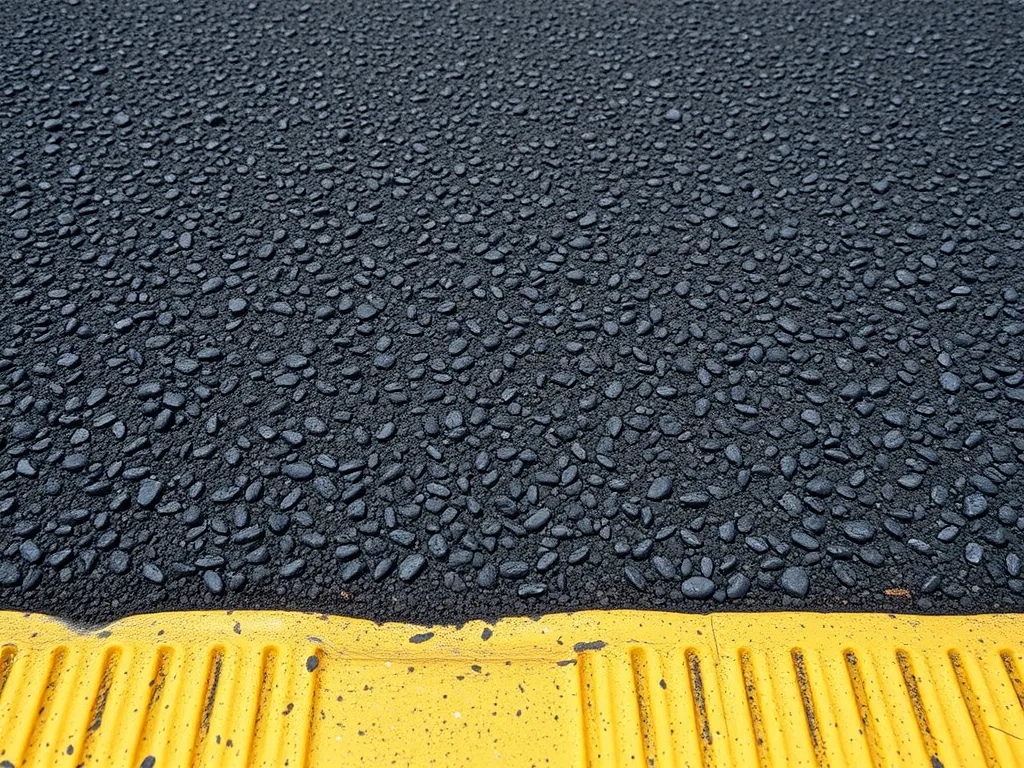
Costs for hot mix asphalt surface treatments swing based on three key parts: materials, labor, and site needs. Asphalt prices shift with oil costs—$100-$200 per ton for binder. Aggregates like crushed stone or sand add $15-$30 per ton. Project size cuts cost per square foot. A 10,000 sq.ft. job may run $2.50-$4.50 per sq.ft., while smaller sites hit $5+. Additives (polymers, fibers) boost mix costs by 15-30%. Haul distance and fuel rates impact budgets—every extra mile adds $0.10-$0.25 per ton.
Cost Comparison With Alternative Solutions
Hot mix asphalt beats concrete by 20-40% upfront. Cold mix costs less ($1.50-$3.00 per sq.ft.) but lasts just 3-5 years vs. hot mix’s 7-10. Using 20% RAP (recycled asphalt) trims costs by 10-20%. Microsurfacing offers short-term fixes at $1.80-$3.50 per sq.yd. but needs more upkeep. Hot in-place recycling slashes new material use by 50%, saving $12-$18 per ton. Lifecycle costs favor hot mix—$0.15 per sq.ft. yearly vs. $0.22 for chip seal.
Smart spending now shapes road life and green goals. Next, let’s weigh how these picks affect the earth.
Environmental Considerations
Hot mix asphalt surface treatments balance performance with ecological impacts. Modern methods prioritize material reuse and energy reduction while maintaining pavement integrity.
Recycled Material Usage in Hot Mix Asphalt
Reclaimed Asphalt Pavement (RAP) forms 30-50% of many hot mix asphalt treatment formulas. RAP combines crushed old pavement with fresh binders like PG 64-22 or PG 76-28 grades. This process cuts raw aggregate demand by 25% and lowers project costs 15-30% per ton. ASTM D4887 standards ensure recycled mixes meet strength thresholds exceeding 1,500 psi. States like California now mandate 40% RAP inclusion for highway projects.
Energy Efficiency During Production and Application
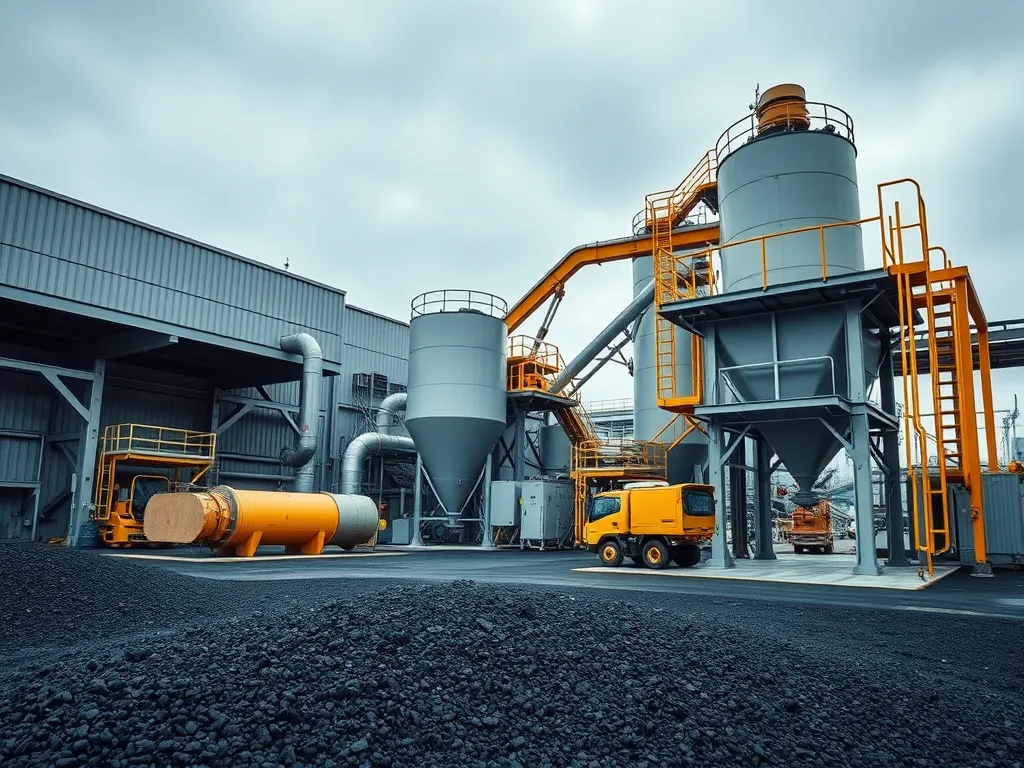
Producing hot mix asphalt surface treatments traditionally required 300°F temperatures. New plants use warm-mix additives such as Evotherm DAT or Sasobit to drop heating needs to 250°F. This reduces fuel consumption 20% and slashes greenhouse gas emissions 35%. Infrared heaters repair surface cracks with 40% less energy than conventional methods. Efficient transfer vehicles maintain mix heat during application, cutting fuel use 15% per mile.
These green strategies directly influence long-term costs and durability – key factors explored in budget planning for asphalt surface treatments.
Frequently Asked Questions
What Are the Best Hot Mix Asphalt Surface Treatments?
The best hot mix asphalt surface treatments depend on specific project needs, such as traffic volume and surface condition. Options like thin overlays and hot in-place recycling are favored for their durability and cost-effectiveness, while seal coats provide quick restoration for minor damage.
How Long Does Hot Mix Asphalt Typically Last?
Hot mix asphalt surface treatments typically last between 5 to 12 years, depending on the type of treatment and factors such as traffic load and maintenance practices. For example, thin overlays generally last 5-8 years, while hot in-place recycling may extend service life to 7-10 years.
What Filler Materials Are Used in Asphalt Mixes?
Common filler materials in asphalt mixes include stone dust, fly ash, and lime. These fillers enhance the density, stiffness, and overall performance of the asphalt while helping to prevent moisture damage.
Cost Differences Between Treatment Options
The cost of hot mix asphalt surface treatments varies significantly. Thin overlays typically range from $2.50 to $4.00 per square foot, while seal coats are less expensive, averaging $0.85 to $1.50 per square foot. In contrast, alternatives like cold mix asphalt are cheaper but have shorter lifespans, making hot mix more economical in the long run.
Warm Mix Vs Hot Mix Asphalt Performance Issues
Warm mix asphalt (WMA) has advantages, such as lower production temperatures and reduced fuel consumption, but may have lower rut resistance compared to hot mix asphalt (HMA). WMA can perform well in cooler climates but may crack sooner in extreme low temperatures. Understanding the environmental conditions for a project is vital for determining which mix is most appropriate.
Closing Thoughts
Hot mix asphalt surface treatments offer a versatile solution for extending the life and enhancing the performance of pavements. These treatments, from seal coats to overlays, allow for efficient maintenance while minimizing costs. With careful selection of materials and adherence to best practices, you can achieve durable surfaces that meet both structural and aesthetic needs.
Keep in mind the factors affecting longevity, such as climate and load conditions, to maximize the lifespan of your asphalt treatments. Balancing cost considerations with performance is key, especially when comparing various treatment options.
For detailed calculations and further insights, be sure to check out Asphalt Calculator USA. We provide the tools and information you need for successful asphalt projects.
Additional Resources for You:
- Lavin, P. (2003). Asphalt Pavements: A Practical Guide to Design, Production, and Maintenance for Engineers and Architects. London: Taylor & Francis.
- Things to Know About Hot Mix Asphalt Pavement | Types of Hot Mix Asphalt
- UG-Ap-Asphalt Concrete Pavement | Recycled Materials Resource Center
- What is Hot Mix Asphalt Pavement? – Asphalt Pavement Association of Michigan
- HOT MIX ASPHALT – McAsphalt

