Hot Mix Asphalt Paving Innovations: What’s Changing the Game?
Published on: December 31, 2025 | Last Updated: April 14, 2025
Written By: George Voss
Hot mix asphalt paving innovations blend cutting-edge materials, advanced equipment, and eco-friendly methods to create stronger roads faster. Unlike traditional asphalt, these updates slash production temperatures by 50-100°F, integrate 30-40% recycled content, and use additives like polymers for 2x longer lifespan. Contractors now deploy GPS-guided rollers, AI-powered mix designs, and real-time density sensors to boost quality. These upgrades tackle rising demands for durable infrastructure and lower carbon footprints.
This article breaks down the tech reshaping road construction. You’ll learn how Warm Mix Asphalt cuts emissions, why Perpetual Pavement designs last 50+ years, and how recycled materials save $15-$25 per ton. We’ll explore cost factors, compare performance data, and show how new compaction systems prevent potholes. From plant to pavement, get the details on smarter mixes, greener methods, and budget-saving strategies.
Contents
- What is the Latest Technology in Asphalt Paving?
- Understanding Hot Mix Asphalt Tech
- How Much Does 1 Ton Of Hot Mix Asphalt Cost?
- Warm Mix Asphalt: Benefits and Limits
- Advanced Techniques in Asphalt Mix Design
- Sustainable Innovations in Asphalt Paving
- Frequently Asked Questions (FAQ)
- Closing Thoughts
- Additional Resources for You:
What is the Latest Technology in Asphalt Paving?
Hot mix asphalt paving innovations now shape roads faster, smarter, and greener. Four breakthroughs redefine industry standards.
Warm Mix Asphalt (WMA) Innovations
WMA allows production at 30-120°F lower than traditional hot mix asphalt. Additives like synthetic zeolites or organic waxes create foaming effects, cutting energy use by 20%. Contractors save $3-$7 per ton in fuel costs while slashing CO₂ emissions by 50%. PG 64-22 binders work seamlessly with WMA, maintaining 99% density targets. States like Texas now mandate WMA for all DOT projects over 2,000 tons.
Perpetual Pavement Design
Three-layer systems built with high-modulus asphalt concrete extend road life beyond 40 years. A fatigue-resistant base, flexible intermediate layer, and rut-proof surface distribute traffic loads efficiently. Ohio’s I-76 project achieved 0.12 inches of rutting after 15 years—75% less than conventional designs. Lifecycle costs drop 35% by eliminating full-depth reconstructions.
High-performance Polymer-modified Asphalt
Styrene-butadiene-styrene (SBS) polymers boost binder elasticity by 300%, resisting cracking at -20°F. Mixes with 5% SBS handle 20,000+ ESALs (equivalent single-axle loads) annually. Florida’s Turnpike saw pothole repairs drop 90% after switching to PMA. Costs run $8-$12 per ton higher, but lifespan jumps from 12 to 22 years.
Intelligent Compaction Systems
GPS-guided rollers with infrared thermometers ensure uniform 95% density across mats. Sensors adjust vibration frequency in real-time, preventing over-compaction near joints. Minnesota DOT reported 40% fewer density failures since adopting IC. Projects finish 15% faster, with operators monitoring progress via cloud-based dashboards.
These hot mix paving methods set the stage for deeper exploration of material science behind the mixes. Next, we break down how aggregates, binders, and production tech make these advancements possible.
Understanding Hot Mix Asphalt Tech
Hot mix asphalt tech forms the base for strong roads. New ideas in this field boost how we build and fix pavements.
Core Parts and Material Science
Hot mix asphalt blends crushed stone (aggregate), sand, and bitumen. Bitumen acts as glue to bind the mix. PG binders—short for Performance Grade—adjust based on local weather. For cold zones, PG 64-28 resists cracks. Warm areas use PG 70-22 to fight rutting. Tests like the Superpave system check if the mix can handle heavy trucks and heat shifts.
New Ways to Make It
Plants now use drum mixers that heat and blend parts in one step. Batch plants mix exact amounts for custom jobs. Sensors track stone size and bitumen flow to cut waste. Some plants add up to 30% recycled asphalt (RAP) without losing strength. This cuts new rock use by 1.5 tons per 100 tons of mix.
Why Heat Matters
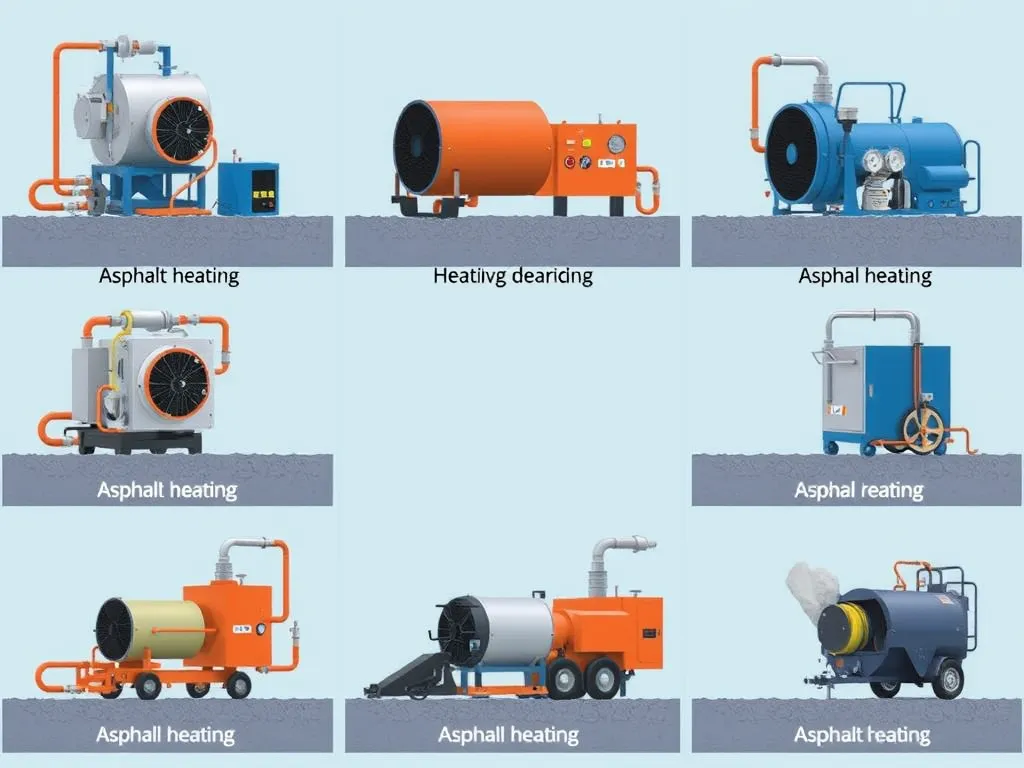
Hot mix must stay between 300°F and 350°F during laydown. Too cool, and it won’t compact. Too hot, and the bitumen burns. New heaters with infrared scans keep temps even. Warm mix tech lets crews work at 250°F, saving 20% fuel. Proper heat also helps the mix last 15+ years with less cracks.
These steps set the stage for lower costs and greener roads. Next, we’ll break down how price per ton shapes your project.
How Much Does 1 Ton Of Hot Mix Asphalt Cost?
Pricing for hot mix asphalt varies between $80-$200 per ton. Location, crude oil fluctuations, production methods, or recycled content usage drive this range. Projects using newer hot mix paving technology often see lower long-term expenses despite upfront costs.
Key Cost Drivers in Asphalt Production
Bitumen prices—linked to crude oil—account for 40-60% of total costs. Energy-intensive heating (290-330°F) raises fuel bills by 15-30%. Transportation adds $3-$15 per ton based on distance. Innovations like Warm Mix Asphalt (WMA) cut energy use by 20% through lower mixing temperatures (230-275°F). Polymer-modified blends or specialized aggregates (e.g., granite, limestone) push costs higher but boost longevity.
Strategies for Cost-effective Mix Designs
- Blend 20-40% Reclaimed Asphalt Pavement (RAP) to lower virgin material needs
- Use optimized gradation curves (Superpave specs) to reduce binder content by 0.5-1.5%
- Deploy liquid anti-strip additives ($0.50-$2 per ton) to prevent moisture damage
- Select PG 64-22 binders over PG 76-28 where traffic loads permit
Impact Of Recycling on Material Expenses
Recycling RAP slashes costs by $15-$35 per ton. Modern milling machines reclaim 95-98% of existing pavement, while rejuvenators restore aged bitumen properties. High-RAP mixes (up to 50%) with precision blending cut project budgets by 18-25%. Cold recycling techniques lower energy use further, saving $8-$12 per ton versus traditional methods.
These cost-saving measures set the stage for exploring environmental benefits tied to Warm Mix Asphalt.
Also See: Can Asphalt Be Laid Over Concrete? Find Out Here
Warm Mix Asphalt: Benefits and Limits
Warm mix asphalt (WMA) cuts heat needs in hot mix paving. Made at 250-300°F—50-100°F cooler than old hot mix—it reshapes how crews lay roads.
Eco and Work Gains
Lower heat slashes fuel use by 20-35%. Fewer fumes mean cleaner air—VOCs drop 30-50% vs hot mix. PG binders (heat-rated glue) stay strong in cool temps. Crews pave longer in cold months. Haul trucks drive farther since mix cools slower.
Warm Mix Shortfalls
While WMA wins on green goals, some trade-offs exist. Builders must weigh these in heavy-use zones.
First-Set Hurdles
WMA may harden slower. Early traffic can cause rut depths up to 0.2 inches deeper than hot mix in year one. Freeze-thaw tests show 5-15% more cracks if not packed right. New wax adds help speed set time without high heat.
Sheer Force Factors
Sheer strength—how well layers resist slide forces—dips 10-20% in WMA. High truck zones need extra base work. Steel fiber blends boost shear scores by 25% in trials. Proper roller passes (8-10 vs 5-7 for hot mix) fix layer bonds.
As crews master these tweaks, fresh tech in mix recipes promises to close the gap with hot mix. Next, see how smart designs tackle paving’s toughest tests.

Advanced Techniques in Asphalt Mix Design
Modern hot mix asphalt technology relies on precise engineering to meet increasing demands for durability and sustainability. These three breakthroughs are reshaping how pavements get built today.
Optimized Aggregate Gradation Methods
New digital modeling tools allow engineers to fine-tune aggregate blends with exact stone sizes. Laser scanning identifies voids between particles, ensuring tighter packing. This creates mixes that distribute loads better, reducing rutting by up to 40%. Projects now use gradation curves matching traffic levels – coarser stones for highways, finer blends for parking lots.
Smart Liquid Additives for Enhanced Performance
Chemical innovations like nano-silica-modified binders boost pavement life. These additives bond with bitumen at a molecular level, resisting moisture damage and thermal cracking. Polymer-based agents let mixes stay workable at 250°F, 50°F lower than traditional hot mix. Field tests show rut resistance improvements exceeding 60% in high-traffic zones.
Integration Of Recycled Materials (RAP)
Mills now blend up to 45% reclaimed asphalt pavement (RAP) into fresh hot mix without compromising PG binder grades. Advanced heaters restore aged bitumen’s viscosity, cutting virgin binder needs by 20-30%. This slashes material costs by $8-$12 per ton while meeting AASHTO M323 specs. Contractors report RAP-based mixes achieving equal or higher density during compaction versus conventional designs.
These asphalt paving advancements set the stage for even greener methods. Next, we’ll examine how sustainable practices are pushing boundaries further.
Sustainable Innovations in Asphalt Paving
New green steps in hot mix asphalt tech cut waste and boost road life. Firms now blend smarter stuff, slash fumes, and reuse old scraps. These shifts help roads last longer while easing harm to earth.
Eco-friendly Binders and Additives
Bio-binders swap oil with plant stuff like lignin or soy. These stick agents cut CO2 by 15-20% versus old oil-based types. Some firms mix in ground rubber from old tires or recycled plastic bits. Tests show these blends handle heat better, with rut scores under 5mm after 10k load cycles.
Reducing Emissions Through Temperature Control
Warm mix asphalt tech lets crews cook mix at 50°F lower than normal hot batches. Foaming guns blow steam into liquid tar to keep work temps near 250°F. This trim cuts fuel burn by 30% and fumes by 40% per ton. Lower heat means less smoke on site, keeping air clean for crews and towns.
Upcycling Waste Materials Into Durable Mixes
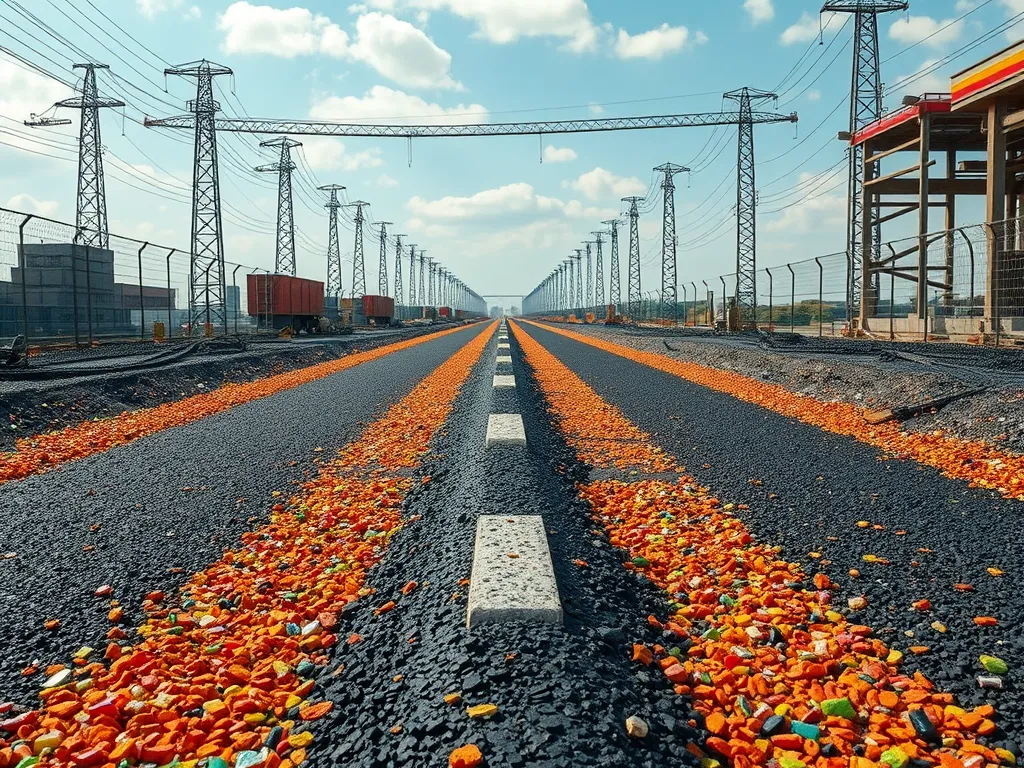
Road teams now blend 30-40% recycled asphalt (RAP) into fresh hot mix. Crushed glass, steel slag, and tire crumbs add grip and cut crack risks. One Ohio job used 50% RAP with rubber crumbs, saving $8 per ton. These upcycled blends still hit 20-year life spans, per ASTM D6932 tests.
These green steps in hot mix pave the way for smarter road care. Next, we break down key price points and cost-cut tricks in asphalt work.
Frequently Asked Questions (FAQ)
What Makes Warm Mix Asphalt a Viable Alternative?
Warm Mix Asphalt (WMA) is considered a viable alternative due to its ability to reduce energy consumption during production and lower emissions. By allowing for the mixing and laying down of asphalt at lower temperatures (250-300°F), WMA not only decreases fuel usage—which can lead to significant cost savings—but also minimizes air pollution compared to traditional hot mix methods. Additionally, WMA allows for extended working hours in cooler temperatures, which can boost productivity on construction sites.
How Do Innovations Lower Long-term Maintenance Costs?
Innovations in hot mix asphalt, such as the use of polymer-modified asphalts and perpetual pavement designs, extend the lifespan and durability of roads. As a result, these advanced materials reduce the need for frequent repairs and maintenance. Furthermore, technologies like intelligent compaction systems ensure a better-quality installation, leading to fewer failures and long-term savings on maintenance costs. Overall, these innovations contribute to less frequent resurfacing and lower lifecycle costs for roadways.
What Are the Environmental Benefits Of Utilizing Recycled Asphalt?
Utilizing recycled asphalt pavement (RAP) significantly reduces the demand for new raw materials, lowering the carbon footprint associated with asphalt production. By incorporating 30-40% or more of RAP into new asphalt mixes, projects help conserve natural resources, reduce landfill waste, and lessen the energy consumption linked to producing virgin asphalt materials. Additionally, incorporating recycled materials can enhance the performance of the asphalt while lowering overall production costs.
How Do Smart Liquid Additives Enhance Asphalt Performance?
Smart liquid additives, such as nano-silica and polymer-based agents, enhance the performance of asphalt mixes by improving their binding properties and resistance to moisture damage and thermal cracking. These additives enable asphalt to maintain workability at lower temperatures, which can improve the efficiency of the paving process. They also help extend the lifespan of the pavement by providing better resistance against wear and tear from heavy traffic loads.
How Does Temperature Control Impact Emissions in Asphalt Paving?
Temperature control technologies allow for the production of asphalt at lower temperatures, significantly reducing the emissions generated during mixing and laying. By employing methods like foaming, the mixing temperature can be kept around 250°F, which decreases fuel consumption and lowers toxic emissions by up to 40% compared to traditional hot mix processes. This not only helps protect the environment but also creates a healthier working condition for the crew involved in the paving process.
Closing Thoughts
Hot mix asphalt paving is evolving rapidly, driven by new technologies and sustainable practices. Innovations such as Warm Mix Asphalt (WMA) and intelligent compaction systems are redefining efficiency and performance standards. These advancements enable not just cost savings but also environmental benefits during production and application.
By harnessing high-performance materials and optimizing mix designs, the industry is paving the way for stronger, more durable roadways. As professionals and municipalities seek cost-effective and sustainable solutions, the landscape of asphalt paving continues to transform.
For more detailed insights and resources, check out Asphalt Calculator USA.
Additional Resources for You:
- Lavin, P. (2003). Asphalt Pavements: A Practical Guide to Design, Production, and Maintenance for Engineers and Architects. London: Taylor & Francis.
- What Are The Different Types Of Asphalt Hot Mix?
- Hot Mix Paving
- Hot Mix Vs. Cold Mix Asphalt: What’s The Difference?
- The Road to Durability: All About Hot Mix Asphalt – LeeBoy®