Master Hot Mix Asphalt Maintenance: Protect Your Pavement
Published on: January 2, 2026 | Last Updated: April 14, 2025
Written By: George Voss
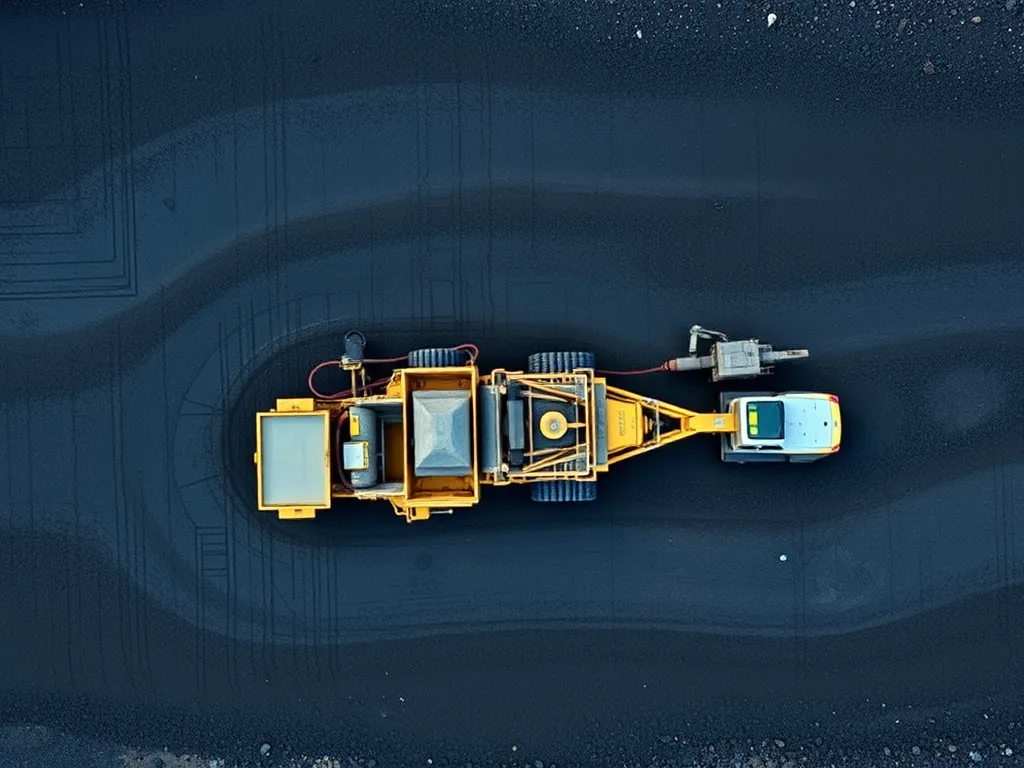
Hot mix asphalt maintenance techniques preserve pavement by addressing cracks, potholes, and surface wear. These methods differ from cold mix repairs by using heated asphalt (160-300°F) with performance-graded (PG) binders for stronger, longer-lasting fixes. Regular maintenance prevents costly replacements, extending pavement life up to 25 years.
This guide covers crack sealing for alligator and edge cracks, hot mix patching for potholes, and overlay installation. Learn how sealcoating every 3-5 years blocks water damage, why proper drainage prevents rutting, and when to use Hot In-Place Recycling (HIR) for sustainable repairs. Get step-by-step methods for each technique.
Contents
Introduction to Hot Mix Asphalt Maintenance
Hot mix asphalt (HMA) combines stone, sand, recycled materials, and bitumen heated between 300°F and 350°F during production. This blend creates surfaces built to withstand traffic loads up to 40 million ESALs (Equivalent Single Axle Loads). Proper upkeep preserves structural integrity while delaying costly replacements. Maintenance focuses on preserving flexibility, sealing surface voids, and stopping water infiltration—three factors that dictate pavement longevity.
Modern HMA maintenance relies on PG (Performance-Graded) binders tested under the Superpave system. These binders resist rutting in summer heat and cracking in freezing temperatures. For example, PG 64-22 binder performs optimally in climates where pavement temps range from 64°C (147°F) to -22°C (-7.6°F). Such innovations let crews address wear patterns specific to regional weather conditions.
Ignoring minor defects like edge cracks or raveling raises repair costs by 30% over five years. Timely interventions—sealcoating every 3-5 years or filling cracks under 0.5 inches wide—extend service life beyond 20 years. Recycling practices like hot in-place recycling (HIR) further cut expenses by reusing 95% of existing materials during resurfacing.
Proactive care sets the stage for exploring core methods to combat deterioration. Next, we’ll break down the most effective hot mix asphalt repair strategies used in the industry today.
With these fundamentals in mind, let’s examine the essential techniques that keep pavements functional under heavy use.
Essential Hot Mix Asphalt Maintenance Techniques
Proactive care keeps hot mix asphalt surfaces functional for decades. Proper methods address surface flaws before they escalate into structural failures.
Crack Repair Methods for Asphalt Preservation
Unsealed cracks let water erode base layers. Hot mix asphalt techniques target specific damage patterns to restore integrity.
Identifying Types of Asphalt Cracks (Alligator, Block, Edge)
Alligator cracks form interconnected webs from heavy loads or weak bases. Block cracks appear as large rectangular patterns due to temperature shifts. Edge cracks develop along pavement margins from poor drainage or soil erosion.
Hot Pour Crack Sealing Procedures
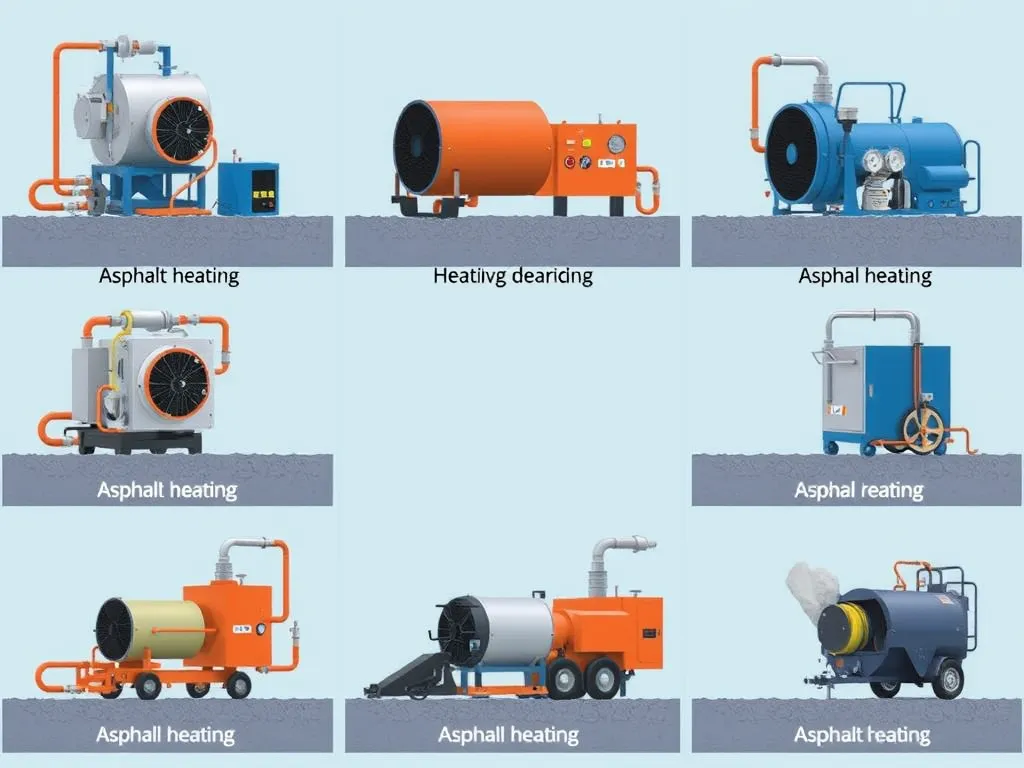
Heat rubberized asphalt sealant to 375°F and pour into cleaned cracks. This creates a flexible barrier against moisture. Contractors use melter-applicator trucks for precise fills on roads or driveways.
Pothole Repair Using Hot Mix Asphalt
Potholes worsen rapidly if not fixed with durable materials. Hot mix asphalt repairs outperform temporary solutions in high-traffic zones.
Cold Mix vs. Hot Mix Asphalt for Potholes
Cold mix works for emergency winter fixes but lacks bonding strength. Hot mix asphalt methods (160-300°F) fuse with existing pavement, lasting 3-5 times longer. Choose PG 64-22 binder mixes for moderate climates.
Step-by-Step Hot Mix Patching Process
1. Square edges with a saw. 2. Remove debris. 3. Apply tack coat. 4. Fill with hot mix compacted in 2″ layers. 5. Crown the patch 1/4″ above surrounding asphalt.
Resurfacing With Hot Mix Asphalt
Overlays restore smoothness on worn pavements. Proper installation prevents delamination and extends service life by 12-15 years.
Overlaying Old Asphalt: Tack Coat Application
Apply SS-1h emulsion tack coat at 0.05 gal/sy. This sticky layer bonds new hot mix to old surfaces. Skipping tack coats leads to layer separation under traffic.
Thickness Guidelines for Hot Mix Overlays
Residential driveways: 1.5-2″ Local roads: 2-3″ Highways: 3-4″ Thinner overlays require full-depth repairs first.
While surface treatments solve visible issues, lasting pavement health demands deeper preventive measures. Let’s explore strategies that protect asphalt from the ground up.
Preventive Strategies for Asphalt Longevity
Proactive care extends hot mix asphalt lifespan while cutting long-term repair costs. Three core strategies protect pavement integrity against weather, traffic, and environmental stress.
Sealcoating With Asphalt Emulsion
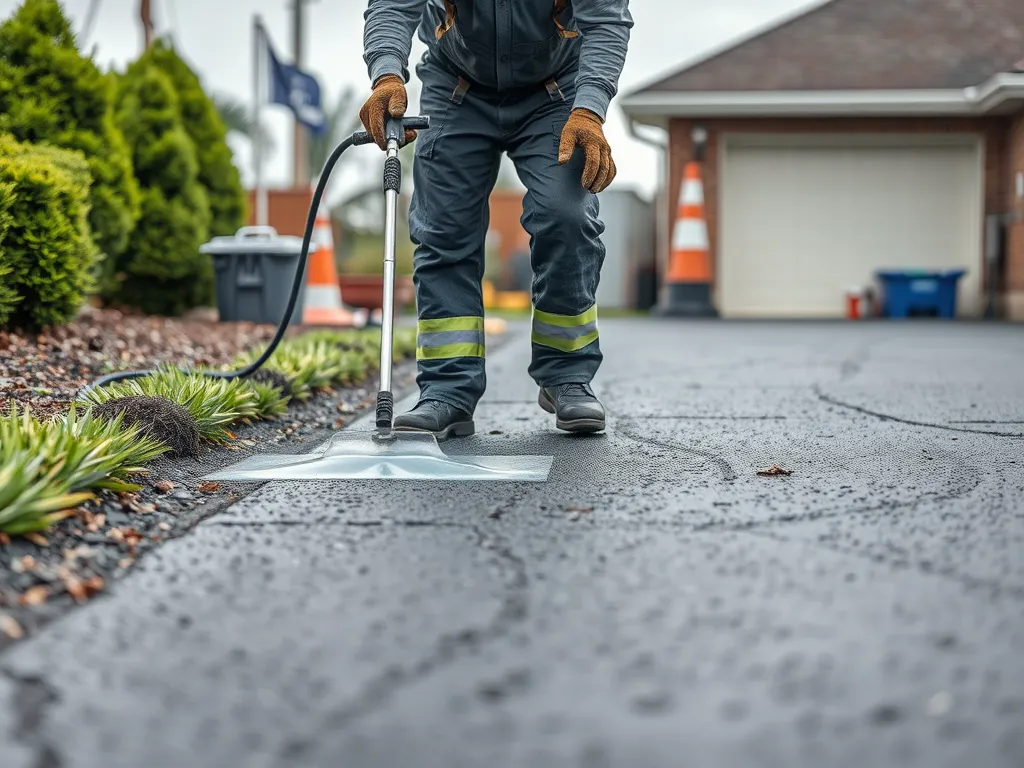
Asphalt emulsion sealcoats act as a protective shield for hot mix surfaces. This coal-tar or asphalt-based liquid fills tiny voids, blocking water infiltration and UV damage.
Benefits of Regular Sealcoating
- Blocks 70-80% of UV radiation that degrades bitumen binders
- Reduces crack formation rates by 60% when applied every 2-3 years
- Maintains friction coefficients above 35 BPN for safer driving
Proper Storage of Sealcoating Materials
Store emulsion sealers at 50-80°F in sealed containers. Use steel drums instead of plastic to prevent material separation. Stir weekly with paddle mixers if stored over 30 days.
Drainage Management Techniques
Water causes 90% of asphalt failures. Effective drainage systems remove moisture before it weakens base layers.
Installing Edge Drains for Water Runoff
Perforated PVC pipes (4-6″ diameter) along pavement edges collect subsurface water. Space drains 20-30 feet apart with 1% minimum slope. Pair with aggregate-filled trenches for optimal flow.
Root Intrusion Prevention
Install root barriers (24-36″ deep) within 10 feet of pavement edges. Use geotextile fabrics combined with herbicides like Imazapyr to stop vegetative growth into asphalt layers.
Traffic Load Management
Heavy vehicles cause structural damage through repeated loading. Mitigate impacts with these engineering controls.
Reducing Rutting from Heavy Vehicles
- Limit axle loads to 12,000 lbs on pavements with 3″ base layers
- Install geogrid reinforcement at 6″ depth for high-traffic zones
- Specify PG 76-22 binders in hot mix designs for truck routes
Preventing Fatigue Cracking
Maintain pavement deflection below 0.25 inches under 40-kN loads. Use 4-inch overlays when surface cracks exceed 10% of total area. Apply SAMI (stress-absorbing membrane interlayers) at 0.15 gal/sy rates.
These preservation methods work best when paired with scheduled inspections – the focus of our next segment on pavement assessment protocols.
Also See: Evaluating the Cost-effectiveness Of Asphalt Driveway Repairs
Hot Mix Asphalt Maintenance in Road Applications
Road surfaces face constant stress from traffic loads, weather cycles, and environmental exposure. Regular upkeep extends pavement life while lowering long-term repair expenses. Proactive care preserves structural integrity and skid resistance.
Routine Inspection Protocols
Effective maintenance starts with systematic evaluations. Road crews assess surface conditions every 3-6 months, increasing frequency after extreme weather events. Standardized checklists align with ASTM D6433 guidelines for pavement surveys.
Visual Assessments for Raveling and Crazing
Raveling appears as loose aggregate particles on the surface, signaling binder degradation. Crazing shows as interconnected hairline cracks forming web-like patterns. Both conditions accelerate water infiltration – a leading cause of base failures. Address areas with over 10% surface deterioration using hot mix asphalt repair methods like infrared patching or mill-and-overlay.
Stability Checks at Asphalt Edges
Edge failures account for 23% of road repairs. Use a straightedge to measure vertical displacement along pavement margins. Gaps exceeding ½ inch require stabilization with hot mix asphalt wedges or tack-coated edge milling. Compact repairs to 92-96% density using vibratory plate compactors.
Surface Cleaning Best Practices
Contaminants reduce friction coefficients and promote binder erosion. Schedule mechanical sweeping every 14 days in high-traffic zones. Combine with manual debris removal near curbs and expansion joints.
Debris Removal for Optimal Performance
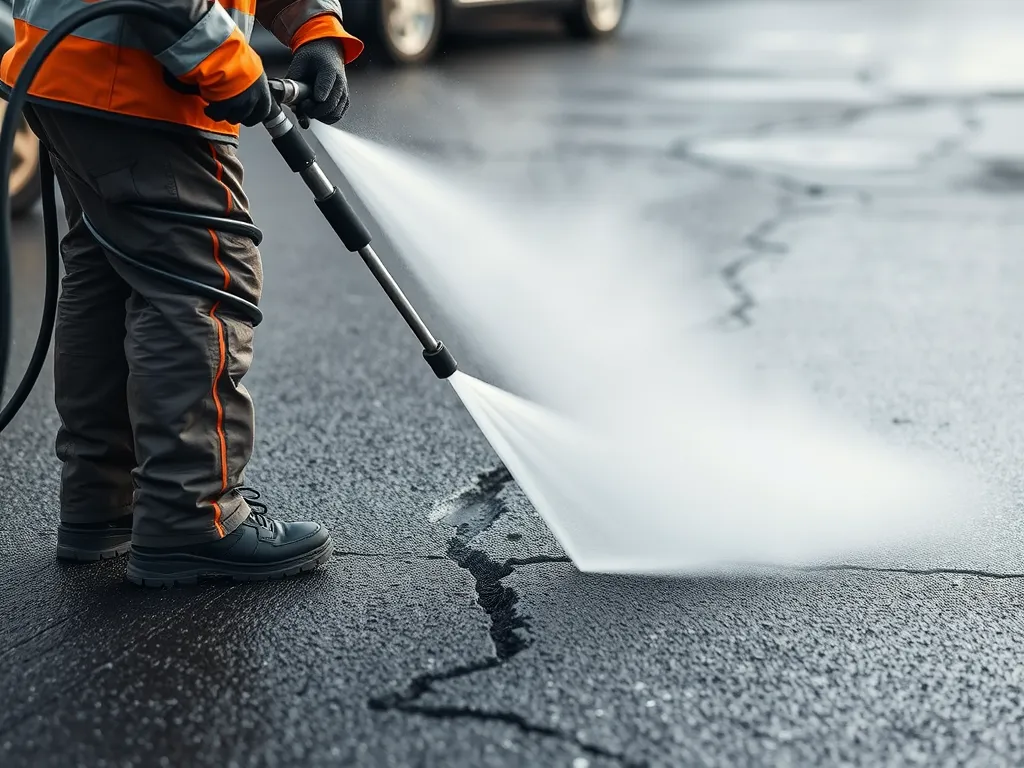
Persistent gravel, leaves, or oil stains block drainage and weaken surface bonds. High-pressure air blasters (150-200 PSI) clear particles from cracks before sealant applications. Follow with rotary brooms for final surface prep. For oil spots, apply absorbent materials like calcined clay, then scrub with emulsified detergent solutions.
Consistent care prevents minor flaws from escalating into costly rebuilds. Up next: How eco-friendly innovations are reshaping asphalt maintenance techniques.
Environmental Considerations
Modern asphalt maintenance balances durability with ecological responsibility. Two approaches—Hot In-Place Recycling and eco-material integration—address sustainability without compromising pavement performance.
Hot In-place Recycling (HIR) Techniques
HIR reuses existing asphalt layers during repairs, slashing material waste. Crews heat the surface to 300-350°F, mill the softened mix, blend it with rejuvenators or fresh binder, then recompact. Projects recycle up to 100% of old pavement, cutting costs 20-30% versus full-depth replacement.
This method lowers truck trips by 60-70%, reducing CO₂ emissions. Agencies like the Federal Highway Administration promote HIR for road preservation, noting 15+ years of extended service life when paired with polymer-modified binders.
Eco-friendly Materials in Asphalt Maintenance
Reclaimed Asphalt Pavement (RAP) dominates green material use. Mixes now incorporate 25-40% RAP without sacrificing stability. Warm-Mix Asphalt (WMA) tech drops production temps by 30-100°F, trimming fuel use 20% and fumes 95%.
Bio-based additives like lignin or recycled engine oil replace 5-15% of bitumen. These enhance flexibility at low temps while diverting waste from landfills. Porous asphalt mixes, with 16-22% void spaces, manage stormwater runoff, meeting EPA guidelines for permeable pavements.
These green strategies set the stage for road maintenance protocols that blend performance with planetary care.
Hot Mix Asphalt Maintenance FAQs
What Are the Maintenance Strategies for Asphalt Pavement?
Maintenance strategies for asphalt pavement include regular sealcoating, crack sealing, pothole repairs, resurfacing, and implementing effective drainage systems. These techniques aim to address surface issues, preserve structural integrity, and extend the lifespan of the pavement.
Can You Put Hot Asphalt Over Old Asphalt?
Yes, hot asphalt can be applied over existing asphalt surfaces, provided that the old pavement is in good condition. Preparation such as cleaning the old surface and applying a tack coat is essential to ensure proper bonding of the new layer to the existing one.
How Can I Make My Asphalt Last Longer?
To make asphalt last longer, regular maintenance is critical. This includes timely crack sealing, routine sealcoating every 3-5 years, ensuring proper drainage to prevent water damage, and conducting routine inspections to catch and address issues early.
How Do You Keep Asphalt Looking New?
Keeping asphalt looking new involves regular sealcoating, which protects against UV damage and moisture, as well as immediate attention to cracks and potholes. Regular cleaning to remove debris and stains can also maintain its appearance.

Closing Thoughts
Maintaining hot mix asphalt not only enhances its appearance but also prolongs its life, saving you significant costs in the long run. Employ essential techniques like crack repair, pothole patching, and effective resurfacing. Implement preventive strategies such as sealcoating, drainage management, and traffic load control to keep your asphalt in prime condition.
Regular inspections and surface cleaning are vital for identifying and addressing issues early. Consider eco-friendly practices, like hot in-place recycling, to reduce your environmental footprint while maintaining durability. Armed with the right methods, you can maximize the performance and longevity of your asphalt surfaces.
For more information and resources, visit Asphalt Calculator USA.
Additional Resources for You:
- Huang, Y. H. (2004). Pavement Analysis and Design (2nd ed.). Upper Saddle River, NJ: Pearson/Prentice Hall.
- The Road to Durability: All About Hot Mix Asphalt – LeeBoy®
- Hot Mix Vs. Cold Mix Asphalt: What’s The Difference?
- Hot Mix Asphalt 101 – A.L. BLAIR CONSTRUCTION
- Modified Hot Mix Asphalt for Road Maintenance