Hot Mix Asphalt Installation: Your Step-by-step Roadmap
Published on: January 2, 2026 | Last Updated: April 14, 2025
Written By: George Voss
Hot mix asphalt (HMA) installation uses heated aggregates and asphalt binder to create durable road surfaces, driveways, and parking lots. Unlike cold mix asphalt, HMA requires temperatures between 275°F and 325°F during mixing for optimal compaction. This process involves six key stages: site preparation, base construction, material calculation, asphalt delivery, paving, and final compaction. Property owners use this guide to plan DIY projects or evaluate contractor bids for residential or commercial jobs.
This article breaks down HMA installation into actionable steps. You’ll learn how to compact subgrades, calculate material needs (like tons per square yard), and operate equipment like vibratory rollers. We cover costs ($3-$5 per square foot for residential driveways), material choices (PG 64-22 binders or Superpave mixes), and eco-friendly practices (30% recycled content options). Whether tackling a patio repair or managing a highway project, these insights ensure informed decisions.
Contents
- Table Of Contents
- What is Hot Mix Asphalt?
- Hot Mix Asphalt Installation Process: Step-by-step
- Essential Tools and Materials for Asphalt Installation
- Cost Considerations for Hot Mix Asphalt Installation
- Key Advantages Of Hot Mix Asphalt
- Environmental Considerations
- Frequently Asked Questions (FAQ)
- Closing Thoughts
- Useful References for You:
Table Of Contents
This guide breaks the hot asphalt installation process into key phases. Each stage demands precise execution to ensure lasting results. Below are the core elements covered in detail.
What is Hot Mix Asphalt?
Learn the science behind hot mix asphalt (HMA), including its blend of aggregates (95%) and PG-graded bitumen binders. PG binders, performance-graded for climate resilience, ensure stability across temperature shifts.
Hot Mix Asphalt Installation Process: Step-by-step
Six stages transform raw materials into durable pavement. From soil testing to roller passes, every action impacts longevity.
Step 1: Site Preparation and Permitting
Clear debris, test soil bearing capacity, and secure permits. Poor subgrade compaction below 95% density risks cracks within months.
Step 2: Base Layer Construction
Install 6-8 inches of crushed stone base. Proper drainage slopes (1-2% grade) prevent water pooling under pavement.
Step 3: Calculating Asphalt Requirements
Use the formula: Square footage × thickness (inches) ÷ 12 × 145 lbs/cubic foot. A 1,000 sq ft driveway at 3” requires 36,250 lbs (18 tons).
Step 4: Delivering and Handling Hot Mix Asphalt
Maintain mix temperatures between 275°F-300°F. Trucks must unload within 30 minutes to prevent heat loss below 250°F.
Step 5: Laying Hot Mix Asphalt
Paver screeds spread mix at 10-20 feet per minute. Hand-laying for patches under 100 sq ft demands rakes set to 1/8” above final height.
Step 6: Compaction and Finishing
Three roller types apply 95% density: breakdown (steel-wheel), intermediate (pneumatic), finish (static steel). Missed spots reduce lifespan by 40%.
Essential Tools and Materials
Paver machines, vibratory rollers, infrared thermometers, and tack coat sprayers form the core toolkit. #57 stone bases cost $15-$30 per ton.
Cost Considerations
Average $3-$5 per square foot includes materials, labor, and equipment. Steep slopes add 15%-20% due to slower paving rates.
Key Advantages
HMA withstands 20+ years with maintenance. Full curing takes 6-12 months but becomes traffic-ready in 24-48 hours.
Environmental Considerations
Recycled asphalt pavement (RAP) usage reaches 99% in mixes. Warm-mix tech cuts plant emissions by 20%-35%.
Frequently Asked Questions
Get answers to temperature thresholds, hand-laying tips, and cost-saving tactics for DIY projects.
With the framework clear, let’s dive into the first phase: defining hot mix asphalt’s unique properties.
What is Hot Mix Asphalt?
Hot mix asphalt (HMA) forms the backbone of modern roads, driveways, and parking lots. This material blends 95% aggregates (crushed stone, sand, gravel) with 5% liquid asphalt cement. Heated to 300°F at production plants, the mixture becomes pliable for precise placement.
Three primary HMA types dominate projects:
- Dense-Graded Mix: Standard choice for high-traffic areas with tight aggregate packing
- Stone Matrix Asphalt (SMA): Adds cellulose fibers for extreme durability and noise reduction
- Open-Graded Mix: Allows water drainage through 15-20% air voids
| Type | Key Features | Common Uses |
|---|---|---|
| Dense-Graded | 95% compaction, smooth finish | Highways, streets |
| SMA | Fiber-reinforced, rut-resistant | Heavy truck routes |
| Open-Graded | Permeable surface | Shoulders, overlays |
PG binders (performance-graded asphalt cement) determine temperature tolerance. A PG 64-22 rating means the asphalt performs at 64°C heat and -22°C cold. Modern Superpave mix designs match regional climates and traffic loads.
Properly mixed HMA reaches jobsites at 275-300°F. Crews have 30 minutes to spread it before cooling below 220°F, the critical threshold for effective compaction.
Next, we’ll break down the six-stage asphalt paving process that turns raw materials into lasting pavement.
Hot Mix Asphalt Installation Process: Step-by-step
Proper execution of the hot mix asphalt installation process ensures long-lasting pavement. Follow these steps for commercial-grade results.
Step 1: Site Preparation and Permitting
Start with securing permits and assessing site conditions. Local regulations often require erosion control measures like silt fences.
Soil Evaluation and Subgrade Compaction
Conduct California Bearing Ratio (CBR) tests to measure soil strength. Compact subgrades to 95% Proctor density using sheepsfoot rollers. Weak soils may need stabilization with 6-8% cement additives.
Drainage System Design
Slope surfaces at 2% minimum grade. Install perforated PVC pipes (4-6″ diameter) in gravel trenches for subsurface drainage. French drains prevent water pooling under pavement layers.
Step 2: Base Layer Construction
A 6-12″ aggregate base provides structural support. Use these materials:
- Crushed limestone (3/4″ minus)
- Recycled concrete aggregate (RCA)
- Geotextile fabric (6 oz/sq yd)
Compacting the Aggregate Base
Compact in 4″ lifts with vibratory plate compactors. Achieve 98% density verified by nuclear density gauge. Proper base compaction reduces asphalt thickness needs by up to 30%.
Step 3: Calculating Asphalt Requirements
Measure area length × width × depth. For driveways, use 3″ compacted thickness (3.75″ loose). Hot mix asphalt weighs 145 lbs/sq yd per inch – a 20’x30′ driveway needs 16.5 tons.
Determining Thickness and Volume
High-traffic areas require 4-6″ layers. Multiply square yards by 0.167 (2″ thickness) for cubic yards. Add 5-7% waste factor for irregular shapes.
Step 4: Delivering and Handling Hot Mix Asphalt
Schedule deliveries within 30 minutes of paver readiness. Maintain mix temperature above 275°F during transport using insulated dump trucks.
Optimal Temperature for Installation
Lay HMA between 290-330°F. Below 275°F causes poor compaction; above 350°F burns binders. Infrared thermometers monitor temperature during asphalt hot mix process.
Step 5: Laying Hot Mix Asphalt
Use tracked asphalt pavers for large areas. Set screed height 0.25″ above final thickness to account for compaction.
Spreading and Leveling Techniques
Paver augers distribute mix evenly. Adjust strike-off plates to prevent segregation. Maintain 10-15 feet between paver and compaction crew.
Hand-Laying Methods (For Small Areas)
Use lute rakes and vibratory tampers for patches. Compact in 2″ layers. Edge with 4×4 lumber forms for clean lines.
Step 6: Compaction and Finishing
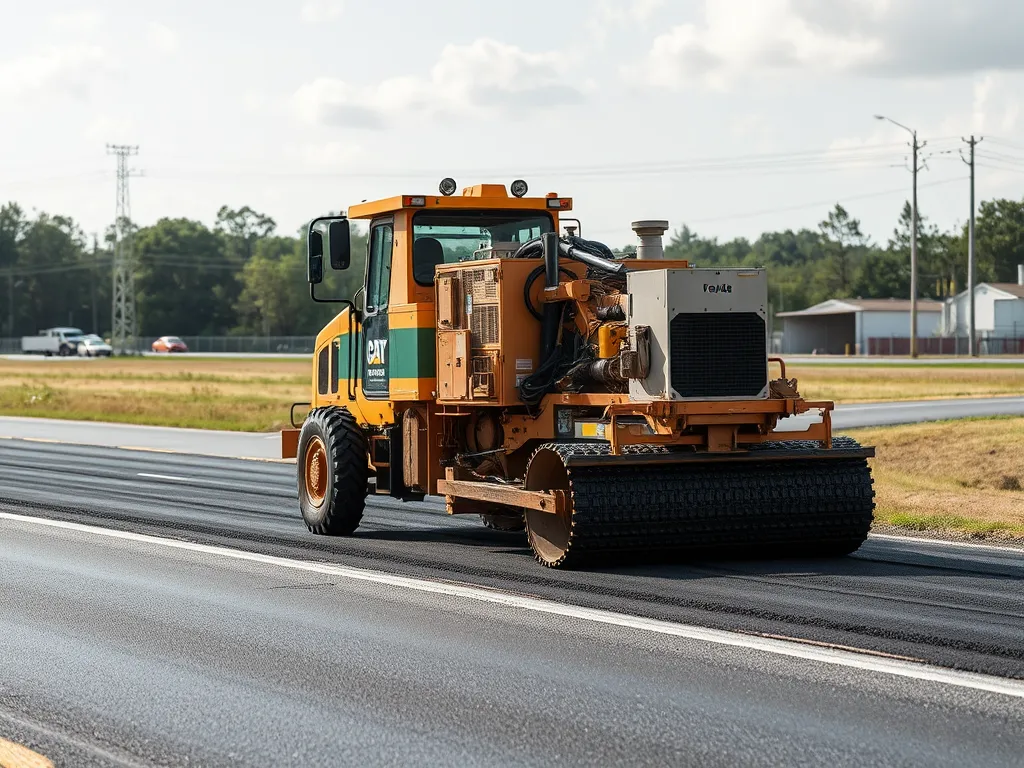
Start rolling when mix reaches 260°F. Follow three-phase compaction: breakdown, intermediate, finish.
Roller Types and Compaction Timing
Use 10-ton double drum rollers (3-5 passes) then pneumatic tire rollers (8-10 psi). Complete compaction before mix cools below 185°F.
Edging and Surface Smoothing
Shape edges with wedge-shaped hand tools. Apply 0.1-0.2 gal/sq yd asphalt emulsion sealant within 24 hours.
With the pavement now in place, proper tool selection becomes critical for maintenance. Next, we’ll examine equipment choices that impact project longevity.
Also See: Degradation Of Asphalt During Heating: Causes & Solutions
Essential Tools and Materials for Asphalt Installation
Having proper tools and materials shapes a smooth hot mix asphalt installation. Without this foundation, projects face delays, poor compaction, or structural flaws. Quality materials paired with industry-grade machinery form lasting surfaces.
Equipment List for Hot Mix Asphalt Projects
Hot asphalt installation demands specialized gear. Asphalt pavers spread mix at 300°F to 350°F using augers and screeds. Steel-wheel rollers compact layers at 280°F minimum, while pneumatic rollers finalize surface texture. Infrared thermometers track mix temps, and skid-steer loaders handle small areas. For hand-laying, rakes, lutes, and plate compactors manage tight spaces or patches under 500 sq ft.
Role Of Binders and Aggregates
Binders (PG 64-22 or PG 76-22 grades) glue aggregates in the hot mix asphalt process. Superpave-designed mixes use 90-95% stone, sand, or recycled asphalt (RAP) sized from 3/4 inch to fines. Aggregates provide load-bearing strength; angular shapes lock better during compaction. Binder viscosity adjusts for climate—softer in cold zones, stiffer where temps top 100°F. Modern mixes may contain 30-40% RAP without losing structural integrity.
With tools prepped and materials tested, projects shift focus to budgeting. Managing costs starts with grasping material volumes and labor inputs.

Cost Considerations for Hot Mix Asphalt Installation
Budget planning requires evaluating material needs, labor rates, and site conditions. Prices range from $100-$200 per ton for hot mix asphalt (HMA), with installation adding $2-$5 per square foot.
Factors Affecting Project Costs
Three elements dominate asphalt paving process expenses: material volume, workforce requirements, and terrain challenges.
Material Quantity and Labor Expenses
Hot mix asphalt installation costs rise with project scale. A 10,000 sq ft parking lot needs 250+ tons of HMA at 3″ thickness. Labor adds $50-$75 per hour for crews using pavers, rollers, and compactors. Using recycled asphalt pavement (RAP) can cut material costs by 15-20%.
Site Complexity and Accessibility
Steep slopes, tight spaces, or poor soil add 20-35% to base costs. Projects requiring rock removal or subgrade stabilization with geotextile fabric incur $1.50-$3 extra per sq ft. Limited truck access delays the hot mix asphalt process, risking temperature drops below 275°F – the minimum for proper compaction.
Example: Cost Estimate for a 20×20 Driveway
| Item | Calculation | Cost Range |
|---|---|---|
| Material (3″ layer) | 400 sq ft ÷ 80 sq ft/ton = 5 tons | $500-$750 |
| Labor | 400 sq ft × $3.50/sq ft | $1,400 |
| Base Preparation | 6″ crushed stone base | $800-$1,200 |
| Total | $2,700-$3,350 |
Actual prices vary with regional HMA rates and equipment availability. Permits or drainage upgrades add $300-$1,000.
With cost factors clarified, let’s explore how hot mix asphalt’s performance traits balance initial investments.
Key Advantages Of Hot Mix Asphalt
Hot mix asphalt remains the go-to choice for surfacing roads, driveways, and parking lots due to unique benefits tied to its composition. Let’s break down two critical perks linked directly to the hot mix asphalt installation process.
Durability and Weather Resistance
Hot mix asphalt withstands extreme temperatures ranging from -30°F to 120°F without cracking. Its blend of PG (Performance Graded) binders—polymer-modified liquids that bind aggregates—creates flexible layers that resist rutting under heavy loads. Limestone, granite, or recycled materials form the 95% aggregate portion, locked into place during the hot mix asphalt laying phase. Properly compacted layers yield tensile strength up to 300-400 psi, outlasting alternatives like concrete by decades.
Freeze-thaw cycles pose minimal risk when installed correctly. The mix’s density prevents water infiltration, reducing frost heave. Contractors often pair the asphalt paving process with drainage systems to divert moisture, boosting longevity beyond 20 years with routine maintenance.
Quick Installation and Curing Time
Hot mix asphalt installation thrives on speed. Delivered at 280-330°F, crews spread the material rapidly using pavers or hand tools for smaller zones. Steel-drum rollers compact it within minutes while temperatures stay above 220°F, ensuring optimal density. Unlike concrete needing weeks to cure, traffic can use the surface within 24-48 hours post-installation.
Projects spanning 10,000 sq.ft. often finish in one day. This efficiency stems from precise temperature control during the hot mix asphalt process—cooler mixes slow work, while overheated ones become brittle. Proper timing cuts labor costs by up to 35% compared to lengthier paving methods.
Beyond performance perks, hot mix asphalt’s recyclability positions it as a sustainable option. Next, let’s explore how modern techniques reduce environmental impacts during production and installation.
Environmental Considerations
Modern asphalt projects balance performance with ecological responsibility. The hot mix asphalt installation process now prioritizes material reuse and emission controls without sacrificing pavement quality.
Recyclability Of Asphalt Materials
Asphalt stands as North America’s most recycled material, with 95% of reclaimed pavement reused annually. Reclaimed Asphalt Pavement (RAP) – milled material from old roads – gets blended into new hot mix at ratios up to 40%. This closed-loop system cuts virgin aggregate use by 1.2 million tons yearly and lowers binder demand by 10-20% per ton.
- RAP integration reduces material costs by $3-$5 per square yard
- Plants achieve 300°F energy savings versus virgin production
- PG 64-22 binders maintain flexibility in recycled mixes
Emission Reduction Best Practices
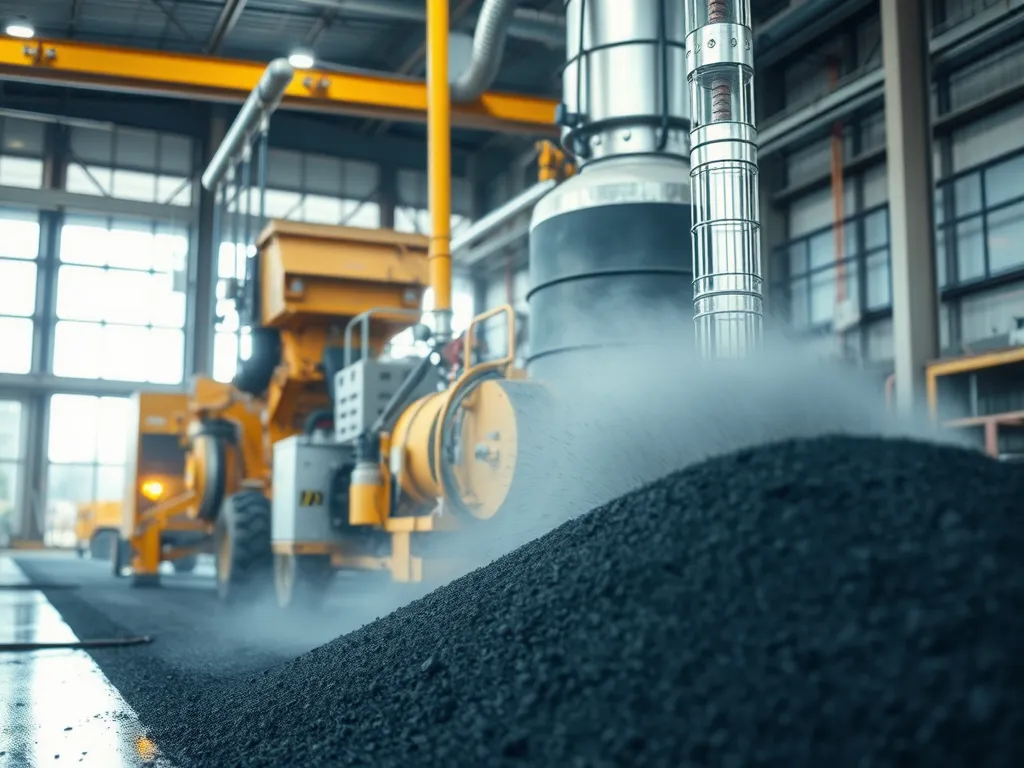
Warm Mix Asphalt (WMA) technology revolutionized the asphalt paving process. By adding organic waxes or chemical additives, plants lower production temps from 300°F to 250°F. This 50°F drop slashes fuel use by 20% and cuts greenhouse gases by 35% per ton laid.
Field-proven strategies include:
- Electric vibratory rollers (8-10 tons) replacing diesel models
- Baghouse filtration capturing 99% of plant particulates
- Route optimization software cutting truck fuel use by 15%
These eco-focused methods prove durable pavements don’t require high environmental costs. With proper planning during the hot mix asphalt installation procedure, projects meet both performance specs and sustainability goals.
Up next: Answers to common queries about the asphalt hot mix process – from material choices to curing timelines.
Frequently Asked Questions (FAQ)
What is the Expected Lifespan Of Hot Mix Asphalt After Installation?
Hot mix asphalt can last 15 to 20 years, depending on factors like traffic volume, climate, and maintenance practices. Proper installation and routine maintenance, such as sealing cracks and resurfacing, can significantly extend its lifespan.
How Does Weather Affect the Hot Mix Asphalt Installation Process?
Weather plays a crucial role in hot mix asphalt installation. Ideally, the process should occur during dry, mild conditions. Excessive moisture can disrupt compaction and lead to issues like cracking. Cold temperatures can cause the asphalt to cool too quickly, while high temperatures might burn off essential oils in the asphalt binder.
Can Hot Mix Asphalt Be Installed During Winter or Cold Weather?
While it is possible to install hot mix asphalt in colder weather, specialized techniques and equipment are often required to ensure proper consolidation and prevent cooling before compaction. Typically, it is advisable to install hot mix asphalt when temperatures are consistently above 50°F for optimal results.
What Maintenance is Required After Asphalt Installation?
Routine maintenance for hot mix asphalt includes sealing cracks, filling potholes, and periodically applying sealcoats. Regular inspections and prompt repairs can help prevent more significant issues and extend the pavement’s lifespan.
How Can I Check the Quality Of Hot Mix Asphalt After Installation?
Quality checks can involve assessing surface smoothness, density, and adhesion. You can also request a nuclear density test to measure the asphalt’s compaction. Observing how the surface performs under traffic over time can also give insights into quality and durability.
Closing Thoughts
The hot mix asphalt installation process is a vital undertaking that requires careful planning and execution. Each step, from site preparation to compaction, plays a critical role in ensuring longevity and performance. Mastery of techniques and materials can significantly enhance the outcome, resulting in a durable and smooth surface.
Investing time in understanding the intricacies of this process pays off in long-lasting results. For further insights into asphalt projects, including calculators and resources to assist you, visit Asphalt Calculator USA. Your asphalt journey can start with informed decisions and well-made plans!
Useful References for You:
- Yoder, E. J., & Witczak, M. W. (1975). Principles of Pavement Design (2nd ed.). New York, NY: Wiley.
- Hot Mix Vs. Cold Mix Asphalt: Which One Is Better For Your Road Project? – LeeBoy®
- The Road to Durability: All About Hot Mix Asphalt – LeeBoy®
- What Is The Hot Mix Plant Working Process
- What Goes Into Making Hot Mix Asphalt? – Reliable Contracting Co. Inc.