Hot Mix Asphalt Applications: Where and Why It Works Best
Published on: December 30, 2025 | Last Updated: April 14, 2025
Written By: George Voss
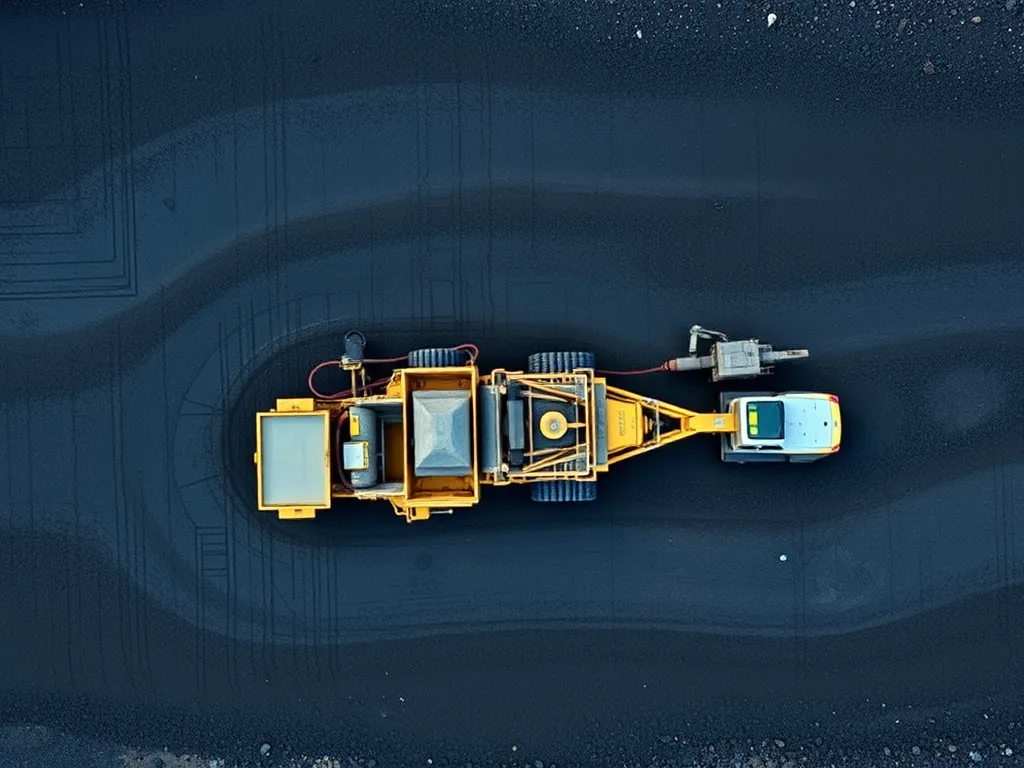
Hot mix asphalt (HMA) is a paving material made of 95% stone, sand, or gravel (aggregates) bonded with 5% asphalt binder (called bitumen), heated between 300-350°F during production. Unlike cold mix asphalt used for temporary patches, HMA forms durable surfaces for roads, highways, driveways, parking lots, airport runways, and industrial yards. Its high-temperature mixing creates tight bonds that handle heavy traffic, resist cracking in extreme weather, and last 15-20 years with proper maintenance—often costing $100-$200 per ton installed.
This article breaks down how HMA works across different projects. You’ll learn about its production using PG (Performance Graded) binders and Superpave mix designs, explore uses from residential driveways to interstate highways, compare costs per ton versus long-term savings, and see why it’s the top choice for 94% of U.S. paved roads. We’ll also cover recycling methods that reuse 100 million tons of HMA annually and compare it to warm mix or cold mix alternatives.
Contents
- What is Hot Mix Asphalt (HMA)?
- Primary Applications Of Hot Mix Asphalt
- Benefits Of Using Hot Mix Asphalt
- Hot Mix Asphalt Application Methods and Processes
- Types Of Hot Mix Asphalt for Specific Jobs
- Calculating Hot Mix Asphalt Requirements and Cost
- Comparing Hot Mix Asphalt With Other Asphalt Types
- Environmental Impact and Sustainability
- Frequently Asked Questions (FAQs)
- Final Summary: Key Takeaways on HMA Applications
- Useful References for You:
What is Hot Mix Asphalt (HMA)?
Hot mix asphalt (HMA) is a top pick for paving roads, lots, and more. Made by heating stone, sand, and a sticky binder, it forms a strong layer when cooled. Its use spans from highways to home driveways due to its tough build and smooth finish.
Composition Of Hot Mix Asphalt
HMA blends three core parts:
- Aggregates (95%): Crushed stone, gravel, or sand form the base
- Binder (5%): Bitumen (a black, tar-like fluid) bonds the mix
- Additives: Polymers or fibers boost strength in harsh zones
PG binders (Performance Graded) set the mix’s heat range. For example, PG 64-22 works in temps from -22°F to 64°F. This mix locks out water and resists cracks.
How Hot Mix Asphalt is Produced
HMA is made in asphalt plants at 300°F to 350°F. Steps include:
- Heat dry aggregates to remove moisture
- Mix hot aggregates with liquid bitumen for 30-60 seconds
- Test the mix for air gaps and density
Plants can add RAP (Recycled Asphalt Pavement) up to 30% to cut costs. Trucks haul the mix to sites, where crews lay it fast before it cools below 220°F. Costs range $50-$150 per ton based on specs.
With the HMA basics clear, let’s dive into where it’s put to work every day.
Primary Applications Of Hot Mix Asphalt
Hot mix asphalt (HMA) serves as the backbone for modern paving. Its mix of stone, sand, and liquid asphalt binder handles heavy loads and tough weather. Let’s break down where it works best.
Road Construction and Resurfacing
HMA builds new roads and fixes old ones. Crews lay 2-4 inches of mix at 300°F for a smooth finish. Over 90% of U.S. paved roads use HMA. It bonds fast, letting cars drive on it within 24 hours.
Highway Paving and Maintenance
Highways need HMA that lasts. PG 64-22 binder grades handle truck traffic and freeze-thaw cycles. Crews often use perpetual pavement designs – multiple HMA layers that last 50+ years with top layer repairs every 12-15 years.
| Highway Type | HMA Thickness | Mix Type |
|---|---|---|
| Interstate | 8-12 inches | Dense-Graded |
| State Route | 6-8 inches | Stone Mastic |
Driveway Installation and Repair
A 3-inch HMA layer costs $3-$5 per sq.ft. for homes. Small batch plants make 160°F mixes for driveways. Proper slope (2% grade) stops water pooling. Sealcoating every 3 years extends life to 15-20 years.
Parking Lot Construction and Renovation
Parking lots use 4-6 inches of HMA over 6-12 inches of base. Reflective glass beads in surface mixes make lines visible at night. ADA rules require smooth transitions (1/4” max height) between stalls and walkways.
Airfield and Runway Surfaces
FAA specs demand 18-inch HMA layers for runways. Polymer-modified binders prevent jet fuel damage. Grooved surfaces improve wet weather grip – 1/4” wide cuts spaced 1.5” apart drain 500 gallons per minute.
Industrial Yard and Bridge Deck Paving
Port yards use 8-10” HMA with steel fibers to handle 50-ton cranes. Bridge decks get 2” epoxy-modified HMA over waterproof membranes. Skid-resistant mixes with 55+ polish value keep trucks safe on ramps.
These hma applications show why it’s the top pick for tough jobs. Now let’s explore how its built-in strengths make projects last longer.
Benefits Of Using Hot Mix Asphalt
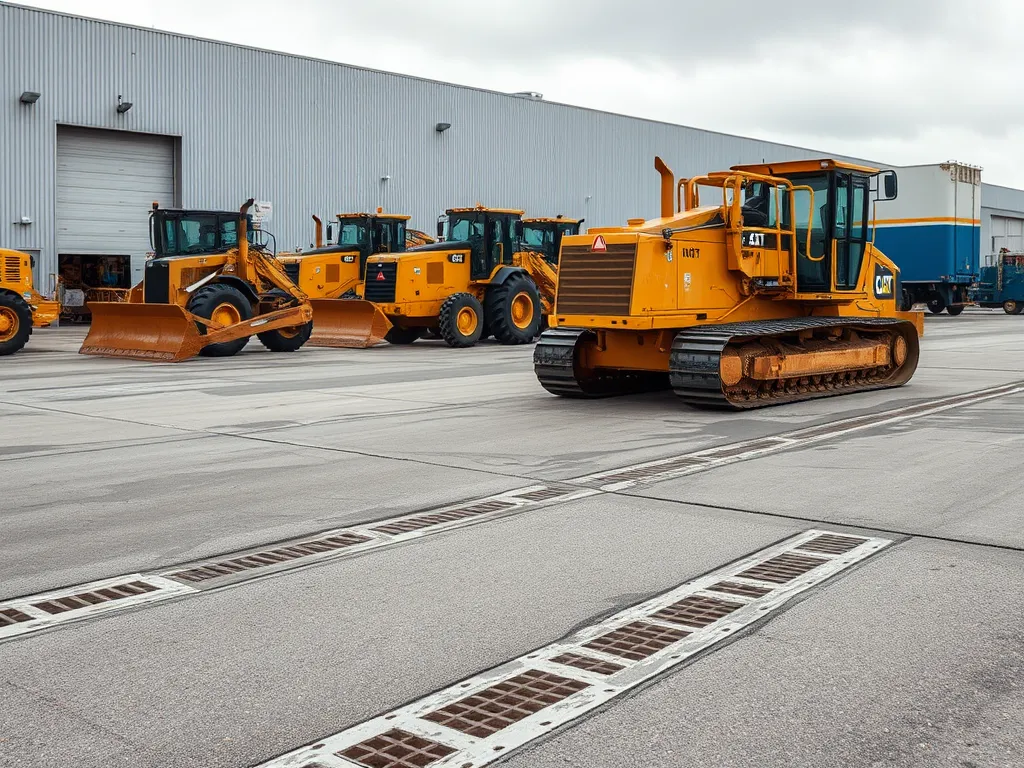
Hot mix asphalt applications dominate infrastructure projects nationwide for three core reasons. Let’s break down why engineers and contractors rely on HMA for roads, runways, and heavy-use surfaces.
Durability in Heavy Traffic Conditions
Hot mix asphalt withstands 18-wheelers, airport traffic, and industrial loads through its stone-dominant design. With 90-95% aggregates and polymer-modified PG binders (performance-graded asphalt cement), HMA resists rutting and deformation. Highways using PG 64-22 binder handle 40,000+ vehicles daily without surface failures for 15+ years. This makes hot mix asphalt paving applications ideal for interstates, ports, and logistics hubs.
Weather and Moisture Resistance
HMA’s impermeable structure blocks water infiltration – the #1 cause of pavement damage. Bitumen seals cracks while additives like hydrated lime improve freeze-thaw durability. Tests show HMA maintains integrity from -20°F to 120°F. Open-graded mixes enhance drainage, reducing hydroplaning risks by 60% compared to concrete. For flood-prone regions or mountain passes, hot mix asphalt application methods prioritize slope-specific compaction to prevent washouts.
Cost-effectiveness Over Long-term Use
While initial hot mix asphalt costs average $100-$150/ton, its 20-year lifecycle slashes expenses. Agencies save $3-$10 per square foot versus concrete repairs. Recycled asphalt pavement (RAP) cuts material costs by 20-30% when blended at 15-30% rates. With proper maintenance, perpetual pavement designs last 50+ years using only surface renewals. For parking lots or municipal roads, HMA’s rapid curing (4-8 hours) minimizes downtime-related revenue losses.
Proper installation techniques maximize these benefits. Next, we’ll break down how hot mix asphalt application methods and processes ensure optimal performance.
Also See: How to Remove Asphalt Sealer From Concrete: Easy Tips
Hot Mix Asphalt Application Methods and Processes
HMA installation follows strict protocols to maintain structural integrity. From initial groundwork to final compaction, each phase impacts pavement performance.
Surface Preparation for HMA Installation
Solid foundations start with grading and compaction. Crews first clear debris, fix cracks over 0.25 inches, and level substrates. A tack coat—a thin asphalt emulsion—is sprayed at 0.05 gallons per square yard to bond old and new layers. Subgrade compaction hits 95% Proctor density to avoid shifting under loads.
Step-by-step Paving Process
Haul trucks dump HMA at 275-325°F into pavers. Screeds spread mix in 2-4 inch lifts at 5-10 feet per minute. Breakdown rollers apply 8-12 passes for 92% density. Intermediate rollers smooth ridges, while finish rollers eliminate marks. Joints are cut vertically to stop raveling.
Drying Time and Temperature Requirements
HMA cools at 2°F per minute in 70°F air. Thin 1.5-inch layers handle traffic in 4-6 hours. Thick 4-inch sections need 48 hours. Mixes laid below 250°F risk poor compaction; above 350°F causes binder aging. Infrared thermometers confirm surface temps drop to 160°F before opening roads.
Nailing mix selection boosts project success. Up next: how HMA types match distinct paving needs.
Types Of Hot Mix Asphalt for Specific Jobs
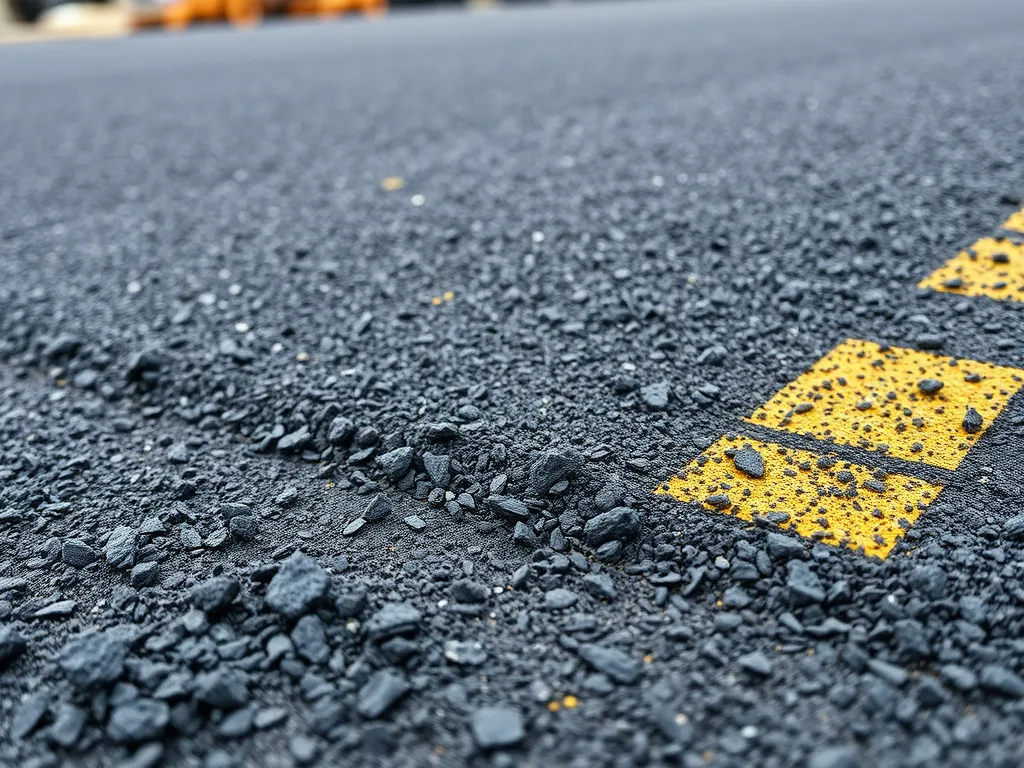
Hot mix asphalt (HMA) comes in blends made for exact needs. Each type solves unique issues faced in paving work. Let’s break down four key mixes used today.
Dense-graded Asphalt for High-stress Areas
Dense-graded HMA packs crushed stone, sand, and bitumen tight. It hits 95% density under rollers. This mix handles heavy truck loads on interstates or city streets. PG 64-22 binder (a type of asphalt glue) resits cracks in cold snaps. Ideal for roads with 1,000+ cars per day.
Stone Mastic Asphalt for Enhanced Durability
Stone mastic asphalt (SMA) locks stones in place with thick bitumen. It uses 6-7% binder vs. 5% in standard HMA. Cellulose fibers stop drain-down during lay-down. SMA lasts 40% longer than dense mixes on bus routes. Its rough face cuts tire noise by 3-5 decibels.
Open-graded Mix for Drainage Efficiency
Open-graded HMA has 15-25% air gaps between stones. Water flows through at 400+ gallons per minute. Used on highway edges or lots that flood. Downside? Debris clogs pores over time. Needs jet washing every 2-3 years. Lasts 8-12 years vs. 15+ for dense mixes.
Perpetual Pavement for Longevity
Perpetual pavement stacks three HMA layers. A soft base bends under weight. A stiff mid-layer spreads loads. A top layer fights wear. Fix just the top 1.5″ every 15-20 years. Costs 20% more upfront but slashes rebuild costs by 60% over 50 years.
Picking the right HMA type shapes how long your pave lasts. Next, see how to plan amounts and costs for these mixes.
Calculating Hot Mix Asphalt Requirements and Cost
Planning a hot mix asphalt application starts with math. Knowing how much material to buy and what it costs impacts project viability. Get this wrong, and you risk delays or going over budget.
Using an Asphalt Calculator for Accurate Estimates
An asphalt calculator cuts guesswork. Inputs include paving area (length x width), thickness (4-6 inches for driveways, 8-12 inches for highways), and mix density (145 lbs/ft³ for standard HMA). For a 1,000 sq ft driveway at 4-inch depth: 1,000 x (4/12) x 145 = 48,333 lbs (24 tons). Always add 5-10% for compaction loss and trimming.
Factors Influencing Hot Mix Asphalt Prices
HMA costs swing from $100 to $200 per ton. Why such a gap? Bitumen (50-60% of mix cost) links to oil markets—a $10/barrel jump can lift HMA prices by 8%. Location matters: hauling beyond 50 miles adds $3-$5 per ton. Mix type plays a role—stone mastic asphalt costs 15% more than dense-graded. Using 20% RAP (recycled asphalt pavement) trims bills by 12-18%.
Cost Per Ton Vs. Project-specific Budgeting
Quoting by ton works for small jobs. Bigger hot mix asphalt paving applications need full-scope math. A 5-acre parking lot requiring 2,500 tons might show: – Materials: 2,500 tons x $140 = $350,000 – Site prep/compaction: $4.50/sq yd x 24,200 sq yd = $108,900 – Tack coat: $0.15/sq yd x 24,200 = $3,630 Total: $462,530. Always factor in local disposal fees ($40-$80/ton) if milling old pavement.
Up next: How hot mix asphalt applications stack up against cold mix, warm mix, and recycled options in both function and finances.

Comparing Hot Mix Asphalt With Other Asphalt Types
Hot mix asphalt applications dominate paving projects, but alternative asphalt types serve niche roles. Each material suits specific scenarios based on climate, traffic loads, and project timelines.
Hot Mix Vs. Cold Mix Asphalt: Key Differences
Hot mix asphalt (HMA) requires heating aggregates and bitumen to 300°F-350°F during production. This creates a dense, durable surface used for highways, driveways, and airfields. Cold mix asphalt blends emulsified asphalt with unheated aggregates, curing at ambient temperatures. While cheaper ($25-$50 per ton vs. HMA’s $80-$120), cold mix works best for temporary patches or low-traffic rural roads.
- HMA lifespan: 15-20 years under heavy traffic
- Cold mix lifespan: 6-12 months before needing replacement
- Installation window: HMA requires dry, warm conditions (>50°F); cold mix can be applied year-round
Hot Mix Vs. Warm Mix Asphalt: Performance Trade-offs
Warm mix asphalt (WMA) uses additives like zeolites or waxes to lower production temps by 50°F-100°F. This cuts fuel use by 20% and allows paving in cooler weather. But HMA still outperforms WMA in rut resistance (1.5x longer service life) under heavy truck traffic. Federal Highway Administration data shows WMA costs $3-$5 less per ton but may need more frequent maintenance in freeze-thaw zones.
Recycled Asphalt in HMA Production
Up to 30% recycled asphalt pavement (RAP) gets blended into new HMA mixes without sacrificing quality. Advanced plants now achieve 95% reuse rates for milled asphalt. Adding RAP cuts material costs by 15%-25% while maintaining PG binder grades. Tests show recycled HMA meets AASHTO M323 specs for high-stress applications like interstate highways.
- Energy savings: 25% less fuel needed when using RAP
- CO2 reduction: 1.5 tons per 10 tons of RAP reused
- Common HMA blends: 15% RAP for driveways, 25% for arterial roads
While HMA remains the gold standard for permanent surfaces, emerging techniques continue refining its production and environmental profile. Next, we examine how these innovations impact sustainability goals across the paving industry.
Environmental Impact and Sustainability
Hot mix asphalt applications now prioritize sustainability without sacrificing structural integrity. Production innovations and recycling protocols transform how this material supports infrastructure growth while protecting natural resources.
Recycling Processes for Hot Mix Asphalt
HMA ranks as America’s most recycled material, with 95% of old pavement getting new life. Reclaimed Asphalt Pavement (RAP) forms the backbone of this cycle. Milling machines strip worn surfaces, creating RAP chunks later crushed into aggregate. Plants mix RAP with virgin binder at 300-330°F, restoring workability. Modern blends contain 20-40% RAP, cutting virgin bitumen needs by 15% per ton.
| RAP Percentage | Cost Savings | Virgin Material Reduction |
|---|---|---|
| 20% | $8-12/ton | 18% |
| 30% | $12-18/ton | 27% |
| 40% | $15-22/ton | 35% |
Reducing Carbon Footprint With HMA Reuse
Each ton of RAP in hot mix asphalt applications slashes CO₂ output by 21% compared to all-virgin mixes. Reusing materials cuts quarrying needs, saving 60 million cubic yards of landfill space annually. Warm-mix tech lowers production temps by 50°F, trimming fuel consumption 20%. Pavements with 30% RAP score LEED points for sustainable construction.
Transportation gains add to carbon savings. Local RAP sourcing reduces truck trips – 1 mile saved per ton hauled prevents 0.92 lbs of emissions. National Asphalt Pavement Association data shows HMA recycling avoids 350,000 tons of CO₂ yearly, matching 75,000 cars’ annual output.
Up next: Tools and formulas for planning hot mix asphalt applications, from small driveways to airport runways.
Frequently Asked Questions (FAQs)
How Long Does Hot Mix Asphalt Take to Dry?
The drying time for hot mix asphalt can vary but generally, thin layers (1.5 inches) can handle traffic in about 4-6 hours. Thick applications (4 inches) may take up to 48 hours to fully cure before being opened to traffic.
How is Hot Mix Asphalt Priced Per Ton?
The pricing of hot mix asphalt per ton typically ranges from $100 to $200, depending on factors such as the blend type, location costs, and market conditions related to bitumen prices. It’s important to consider these variables when budgeting for your project.
Can HMA Be Recycled for New Projects?
Yes, hot mix asphalt can be recycled. Up to 30% of recycled asphalt pavement (RAP) can be incorporated into new HMA mixes, which retains quality while reducing material costs and environmental impact.
What is the Role Of an Asphalt Plant in HMA Production?
An asphalt plant is crucial for producing hot mix asphalt. It heats aggregates and mixes them with bitumen at high temperatures to create a durable product. Additionally, modern plants have the capability to incorporate recycled materials efficiently.
Final Summary: Key Takeaways on HMA Applications
Hot Mix Asphalt (HMA) is a versatile material, ideal for various applications. From road construction to driveway repairs, its reliability stands out. The durable surface withstands heavy traffic, weather conditions, and moisture, making it a popular choice for both municipalities and private projects.
Understanding the production methods and types of HMA helps ensure optimal performance for specific needs. Dense-graded asphalt serves high-stress areas, while stone mastic asphalt is perfect for enhancing longevity. Open-graded mixes improve drainage, and perpetual pavement offers extended lifespan.
Accurately calculating HMA requirements and costs can significantly impact project budgets. Factors like material grade, location, and project specifics influence pricing. Using an asphalt calculator simplifies this process, enabling precise estimates.
For more information on hot mix asphalt applications and detailed cost analyses, visit Asphalt Calculator USA.
Useful References for You:
- American Association of State Highway and Transportation Officials (AASHTO). (2008). Mechanistic-Empirical Pavement Design Guide (MEPDG). Washington, DC: AASHTO.
- Hot Mix Asphalt Mixing Facilities
- Hot Mix Vs. Cold Mix Asphalt: Which One Is Better For Your Road Project? – LeeBoy®
- Understanding the differences between hot mix asphalt and warm mix asphalt
- What is Hot Mix Asphalt Pavement? – Asphalt Pavement Association of Michigan