
The Complete Guide to Hiring a Contractor for Your Asphalt Driveway
Published on: December 27, 2025 | Last Updated: April 14, 2025
Written By: George Voss
Hiring a contractor for an asphalt driveway means choosing experts to install a weather-resistant surface that lasts 15-25 years. Costs average $3-$7 per square foot, influenced by materials like hot mix asphalt (HMA), labor rates, site grading, and local climate conditions. This guide breaks down how to vet contractors, compare itemized quotes, check licenses and insurance, and avoid common pitfalls like poor drainage or thin base layers.
You’ll get cost comparisons for a standard 20×20 driveway ($1,200-$2,800), concrete vs. asphalt pricing, and tips to evaluate contractor experience. Learn what to ask about equipment (e.g., vibratory rollers), material specifications (minimum 2.5″ thickness), and warranties (3+ years). We also cover maintenance schedules, eco-friendly recycled asphalt options, and red flags like unusually low bids.
Contents
Understanding Asphalt Driveway Costs
Accurate budgeting starts with knowing current pricing trends. Costs vary based on materials, labor, and regional factors. Let’s break down the numbers.
Average Cost Per Square Foot for Asphalt Driveways
Asphalt driveways average $3–$7 per square foot for full installation. This includes excavation, base layers (6–8” crushed stone), and 2–3” hot mix asphalt (HMA) with PG 64-22 binder. Recycled asphalt (RAP) lowers costs by 15–20% but requires experienced contractors for proper compaction. Permits add $50–$300 depending on local codes.
Cost Estimate for a 20×20 Asphalt Driveway
A 400 sq.ft. driveway costs $1,200–$2,800. Breakdown:
- Site prep: $400–$800 (grading, drainage, base layer)
- Materials: $600–$1,200 (HMA delivered at $100–$150/ton)
- Labor: $200–$800 (crew rates of $45–$75/hour)
Steep slopes or poor soil add 20–35% to total costs.
Asphalt Vs. Concrete Driveways: Cost Comparison
Asphalt costs 30–50% less upfront than concrete ($6–$12/sq.ft.). While concrete lasts 30+ years, asphalt requires sealcoating every 3–5 years ($0.15–$0.25/sq.ft.). Over 20 years, asphalt’s lifecycle costs remain 25% lower with proper maintenance.
Factors Influencing Asphalt Driveway Installation Costs
Key variables when hiring asphalt driveway contractors:
- Base preparation: 40% of total cost – poor soil requires geotextile fabric ($0.50–$1.00/sq.ft.)
- Material quality: Polymer-modified asphalt adds $0.75–$1.50/sq.ft.
- Drainage systems: French drains or culverts increase quotes by $800–$2,500
- Local labor rates: Northeast crews charge 18% more than Midwest averages
With cost variables clarified, the next step is vetting professionals. Proper evaluation ensures your budget translates to lasting quality.
Selecting a Qualified Asphalt Driveway Contractor
Choosing the right team determines your driveway’s durability and performance. Focus on credentials, track record, and material standards to avoid costly errors.
How to Verify Licenses and Coverage for Asphalt Contractors
Confirm contractors hold valid state licenses and proper coverage. General liability coverage (at least $1 million) protects against property damage. Workers’ compensation covers employee injuries onsite. Ask for certificates and verify dates with providers. Bonded contractors add extra financial security for project completion.
Evaluating Contractor Experience With Asphalt Projects
Look for teams with 5+ years specializing in residential driveways. Ask how many asphalt jobs they complete annually. Seasoned crews handle subgrade prep, drainage slopes, and compaction to 92% density. Request photos of past projects—properly installed driveways show smooth surfaces with tight joints between pavement and edging.
Requesting and Comparing Detailed Asphalt Driveway Quotes
Demand itemized bids breaking down material costs ($3-$5/sq ft), labor rates, and equipment fees. Reputable contractors specify asphalt type (hot mix with PG 58-28 binder), aggregate size (3/4” crushed stone), and layer thickness (2-3” base plus 1.5” surface). Avoid vague estimates lacking compaction testing or cleanup details.
Checking References and Past Asphalt Driveway Work
Visit 2-3 recent job sites to inspect surface smoothness and edge integrity. Talk to past clients about adherence to timelines and responsiveness to issues. Red flags: excessive cracking within 12 months or standing water due to poor grading. Verify Better Business Bureau ratings and online reviews focused on asphalt-specific work.
Significance Of Quality Asphalt Materials and Machinery
Superior mixes contain 5-7% asphalt cement by weight with RAP (recycled asphalt pavement) under 30%. Contractors should use vibratory rollers achieving 145°F compaction temps and infrared heaters for seamless repairs. Subpar equipment leads to premature raveling or potholes. Confirm delivery from certified asphalt plants meeting ASTM D3515 standards.
With your contractor vetted, next comes the physical build—a step-by-step process demanding precision at every stage.
The Asphalt Driveway Installation Process
Working with a skilled asphalt driveway contractor guarantees a smooth build that lasts. Knowing how pros tackle jobs aids in spotting top talent during hiring.
Site Preparation for Asphalt Driveway Installation
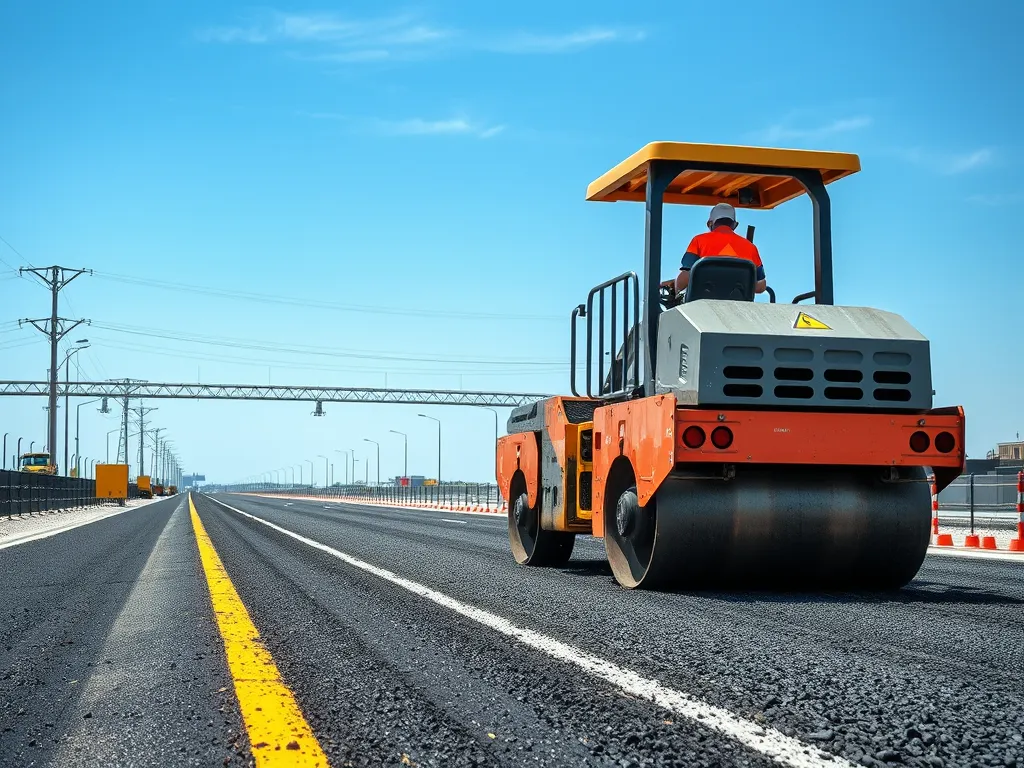
A solid start matters. Contractors first clear debris, mark boundaries, and grade soil for drainage. Soil compaction using a vibratory roller hits 95% density to avoid sinking. Pros may add a crushed stone base (4-6 inches thick) if ground lacks stability. Ask if your hired asphalt driveway contractor tests soil moisture—ideal levels sit below 20%.
Understanding Layers and Thickness Of Asphalt Driveways
Quality builds use three layers: base, binder, and surface. Base layers (3-4 inches) mix large aggregates with asphalt cement. Binder courses (2-3 inches) hold smaller stones for strength. Top layers (1.5-2 inches) apply finer mix for smoothness. Total thickness should hit 3-5 inches. Confirm your asphalt contractor follows ASTM D3515 specs for mix designs.
| Layer | Material | Thickness |
|---|---|---|
| Base | Crushed stone + asphalt | 3-4″ |
| Binder | Coarse aggregate + PG 64-22 binder | 2-3″ |
| Surface | Fine aggregate + polymer-modified binder | 1.5-2″ |
Timeline for Asphalt Driveway Paving Projects
Most jobs wrap in 2-4 days. Day 1: grading and base work. Day 2: binder application. Day 3: surface layer. Curing takes 48-72 hours before driving. Hot-mix asphalt (290-330°F) cools faster but needs temps above 70°F. Ask asphalt paving contractors about weather plans—rain delays cost $50-$150/day.
Post-installation Care for New Asphalt Driveways
Wait 6-12 months before applying coal-tar sealant ($0.15-$0.25/sq ft). Avoid sharp turns or heavy trucks for 30 days. Fix cracks under ¼ inch quickly with rubberized filler. Top contractors give 1-3 year warranties—check if hiring asphalt driveway contractors near you includes this.
Solid installation sets up long-term success. Up next: tactics to keep your driveway in top shape for 15+ years.
Also See: Importance Of Layering in Asphalt Durability
Maintaining Your Asphalt Driveway
Proper maintenance protects your investment after hiring asphalt driveway contractors. A well-installed driveway needs care to reach its full lifespan potential.
Preventative Maintenance Tips for Asphalt Driveways
Top asphalt driveway contractors near me recommend these strategies:
- Sealcoating: Apply every 2-3 years ($0.15-$0.25 per sq ft) to block UV damage and water penetration
- Crack filling: Use rubberized filler on cracks >1/4″ wide within 48 hours of spotting
- Drainage checks: Ensure 1-2% slope away from structures to prevent pooling
- Weight limits: Avoid parking heavy vehicles (>10,000 lbs) for extended periods
Signs Your Asphalt Driveway Needs Repairs or Resurfacing
Contact asphalt paving contractors hire if you notice:
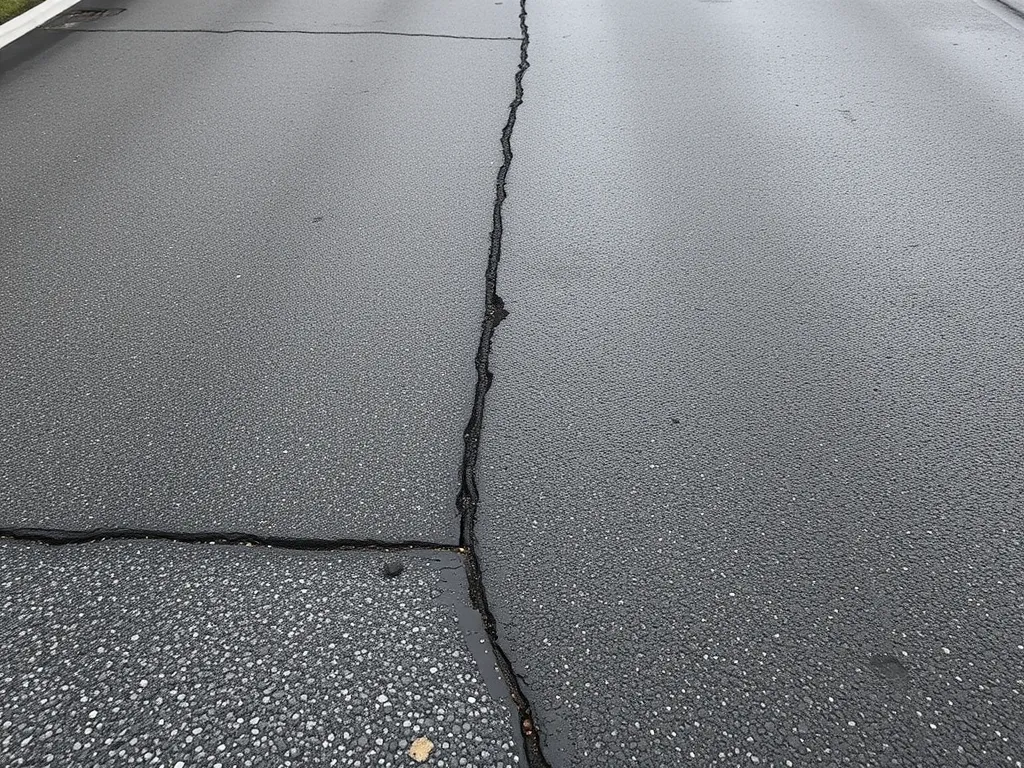
- Alligator cracking: Interconnected cracks resembling reptile skin (indicates base failure)
- Raveling: Loose aggregate creating rough surfaces (reduces skid resistance)
- Potholes: Holes deeper than 2″ require immediate attention
- Edge cracks: Vertical splits along perimeter signal inadequate support
Expected Lifespan Of a Professionally Installed Asphalt Driveway
When you hire asphalt driveway contractors with proper expertise:
- Base layer thickness: 4-6″ compacted aggregate (determines structural integrity)
- Surface course: 1.5-2″ PG 64-22 binder mix (weather-resistant wearing layer)
- Typical lifespan: 15-25 years with maintenance vs 8-12 years for DIY jobs
Contractors for asphalt driveway projects often provide 3-5 year warranties on materials and workmanship.
With proper care, your paved surface will serve reliably for decades. Next, let’s explore how modern asphalt contractors balance durability with environmental responsibility.
Environmental Considerations for Asphalt Driveways
When hiring asphalt driveway contractors, ask about green methods. Smart picks cut harm to earth and may save cash over time.
Recycled Asphalt Materials and Sustainability
Top crews use RAP (Recycled Asphalt Pavement) – old pavement ground into new mix. RAP cuts mining needs by 25% and costs $2-$5 less per ton. Demand:
- Do you use RAP or virgin stone?
- What percent recycled stuff is in your mix? (Aim for 20-30%)
Asphalt leads U.S. recycling – 95% gets reused. Contractors with RAP gear often list this in quotes.
Eco-friendly Practices in Asphalt Driveway Installation
Look for crews using these steps:
- Porous asphalt: Lets rain soak in, cuts flood risk
- Warm-mix tech: Lowers heat needs by 50°F, trims fuel use
- Local stone: Slashes truck trips (check haul distance in bids)
Ask about plant type. Batch plants within 30 miles beat drum plants for clean air. Sealcoats matter too – low-VOC options curb fumes by 40%.
Ready to pick your pro? Next, learn key queries to ask before signing deals.
FAQs About Hiring Asphalt Driveway Contractors
How Much Should I Budget for an Asphalt Driveway?
Budgeting for an asphalt driveway typically involves estimating costs of materials, labor, and site preparation, which usually ranges from $3 to $7 per square foot. Consider additional expenses for site grading, drainage, and permits.
What Questions Should I Ask Before Hiring an Asphalt Contractor?
Essential questions to ask include: What is your experience with asphalt driveways? Can you provide references? What type of asphalt mix do you use? Do you offer warranties, and what do they cover?
Is Asphalt More Cost-effective Than Concrete for Driveways?
Yes, asphalt is generally 30-50% less expensive to install compared to concrete. While it has a shorter lifespan, proper maintenance can help offset costs over time, making it a cost-effective choice for many homeowners.
How Do I Find Reliable Asphalt Driveway Contractors Near Me?
To find reliable contractors, seek recommendations from friends or family, check online reviews, and consult local business directories. Visiting job sites and requesting references can also help verify a contractor’s credibility.
Final Thoughts
Hiring a contractor for your asphalt driveway can be a straightforward process if you approach it with the right knowledge. Understanding costs, evaluating contractor qualifications, and recognizing the installation process are all critical steps to ensure a successful project. Prioritizing communication and transparency with your chosen contractor sets the foundation for a smooth experience.
As you prepare to embark on your asphalt driveway project, keep in mind the importance of hiring qualified professionals who use high-quality materials. This not only ensures durability but also enhances the longevity of your driveway.
For more insights and tools related to asphalt projects, visit Asphalt Calculator USA. Our resources can help you make informed decisions every step of the way.
Additional Resources for You:
- Federal Highway Administration (FHWA) – Asphalt Pavement Technologies
- How to hire a commercial asphalt paving contractor – Quora
- 12 Questions for Hiring an Asphalt Maintenance Contractor
- Hiring an asphalt paving company
- 7 Things to Keep in Mind When Hiring an Asphalt Paving Contractor – Ford Asphalt Company

