
High Temperature Effects on Asphalt
Published on: December 27, 2025 | Last Updated: April 14, 2025
Written By: George Voss
High temperatures alter asphalt’s physical and chemical structure, causing permanent damage to roads and driveways. When asphalt pavement exceeds its performance grade (PG) rating—typically above 140°F—it softens, leading to rutting, cracking, and surface degradation. These heat-induced failures stem from binder oxidation, thermal expansion, and accelerated aging of the asphalt mix. Modern solutions like polymer-modified binders and cool pavement technologies help combat these issues while maintaining pavement durability.
This article explores how extreme heat impacts asphalt surfaces, from driveways to highways. We break down temperature limits, heat-related damages like rutting and cracking, and solutions including polymer-enhanced mixes. You’ll find technical insights on binder chemistry, construction best practices, and climate-adaptive designs proven to extend pavement life in hot climates.
Contents
- What Temperature is Too Hot for Asphalt?
- Effects Of High Temperatures on Asphalt
- How Heat Affects Asphalt Performance
- Destructive Consequences Of High Temperatures on Asphalt
- Mitigating Heat Effects on Asphalt
- Environmental Factors and Asphalt Performance
- FAQs: Asphalt Temperature Effects
- Closing Thoughts
- Additional Resources for You:
What Temperature is Too Hot for Asphalt?
Asphalt fails when heat beats its grade. Most mixes handle temps up to 120°F well. Beyond 140°F, roads risk rutting and loss of shape.
Understanding Asphalt’s High Temperature Range
Asphalt’s heat range ties to its PG grade. PG 64-22 works up to 64°C (147°F). Hot zones use PG 76-16, rated for 76°C (169°F). These grades set by the SHRP plan test binder flow under stress. High-spec mixes add polymers to push limits.
Critical Thresholds for Asphalt Pavement Stability
Three key points mark asphalt’s heat limits:
120°F: Surface softens, causing marks from tires. 140°F: Full-depth rutting starts in weak spots. 160°F+: Binder breaks down, cracks spread fast. Night cooling after hot days speeds cracks due to thermal stress. Roads in Phoenix face 180°F surface temps in peak summer.
Now see how these heat limits shape asphalt’s wear over time.
Effects Of High Temperatures on Asphalt
Hot conditions trigger shifts in pavement materials that impact both function and form. Two primary mechanisms drive asphalt breakdown: binder transformation and structural movement from thermal stress.
Physical and Chemical Changes in Asphalt Binder
Asphalt binder softens at 140°F+, losing viscosity critical for binding aggregates. This fluidity allows pavement layers to shift under weight. Oxidation occurs as air reacts with bitumen molecules, stiffening binder over time. Performance Grade (PG) ratings classify binders by climate tolerance—PG 76-22 withstands 76°C before rutting risks spike.
Infrared imaging shows binder aging accelerates by 3-5% for each 18°F rise above 90°F. Modified binders with polymers like SBS (styrene-butadiene-styrene) delay softening, maintaining stability up to 240°F during peak solar loading.
Thermal Expansion and Contraction Dynamics
Asphalt expands 0.000023 inches per °F per foot of pavement—a 50°F swing creates 0.15 inches of movement in 100 feet. Without relief joints, this force buckles surfaces or fractures weak spots. Night cooling shrinks materials, opening cracks for water infiltration.
Blacktop absorbs 85-95% of solar radiation, hitting 160°F on 100°F days. Repeated heating-cooling cycles fatigue internal bonds, reducing lifespan by 30% in hot zones. Strategic joint spacing (every 15-20 feet) and flexible sealants minimize stress buildup.
These foundational shifts prime pavements for visible distress under thermal load. Up next: how softening binders and structural strain manifest in driveways and roadways.
How Heat Affects Asphalt Performance
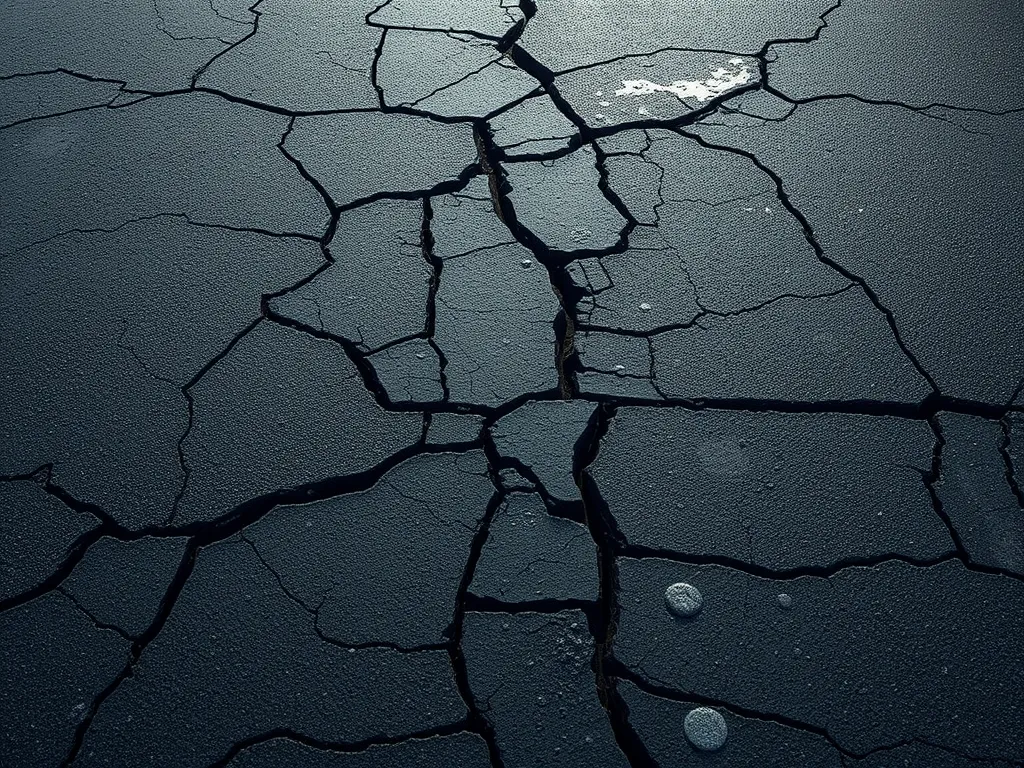
Extreme heat transforms asphalt’s behavior at molecular and structural levels. These changes create visible damage over time, reducing pavement lifespan across residential and commercial applications.
Impact on Asphalt Driveways
Residential surfaces face unique challenges under thermal stress. Driveways typically use standard AC-30 binder grades with lower heat tolerance than road mixes.
Surface Softening and Deformation
At 120°F+, asphalt binder transitions from viscoelastic solid to semi-liquid. Vehicle tires leave permanent ruts during summer heatwaves. A 2023 study showed 90% of driveway depressions form when surface temps exceed 130°F.
Accelerated Aging of Residential Pavement
UV rays break down binder polymers at 2x the rate when temps climb above 100°F. This creates brittle surfaces prone to cracks within 5-7 years versus 15-20 years in temperate zones.
Impact on Asphalt Pavement
Roadways face compounded thermal stress from heavy loads and prolonged heat exposure. The Federal Highway Administration reports 34% of pavement failures link directly to high-temperature asphalt effects.
| Temperature Range | Pavement Impact |
|---|---|
| 120-140°F | Rut formation begins |
| 140-160°F | Binder oxidation accelerates |
| 160°F+ | Structural collapse risk |
Structural Fatigue and Rutting
Repeated loading on heat-softened asphalt causes permanent deformation. PG 76-22 binders can reduce rut depth by 60% compared to standard PG 64-22 grades.
Binder Oxidation and Cracking
Thermal expansion cycles create micro-fissures that let oxygen penetrate asphalt layers. This hardens binders by 35-50% annually in desert climates, leading to alligator cracks and block cracks.
These thermal effects set the stage for more severe pavement failures when combined with traffic loads. Next, we’ll examine extreme cases where heat pushes asphalt beyond recovery thresholds.
Also See: How to Train Operators for Effective Paver Machine Use
Destructive Consequences Of High Temperatures on Asphalt
Asphalt pavement faces brutal challenges when temperatures exceed 140°F. The material’s viscosity plummets while thermal expansion forces multiply, triggering multiple failure modes.
Excessive Softening and Rut Formation
At 120-160°F, asphalt binder transforms into a viscous liquid. Heavy vehicles create ruts up to 2″ deep in softened pavement. PG 76-22 graded binders resist deformation better than standard PG 64-22 mixes at these temperatures. Highway sections with 30% truck traffic show 300% faster rut progression in heat waves.
Blisters, Cracking, and Surface Raveling
Thermal cycling creates three distinct surface failures:
- Blisters (6-12″ diameter) from trapped moisture vaporizing under heat
- Alligator cracking at stress points due to binder embrittlement
- Raveling where aggregate loses binder adhesion
Infrared scans show surface temps reaching 165°F cause 40% faster raveling in open-graded mixes.
Sudden Pavement Collapse in Extreme Cases
Prolonged exposure above 160°F risks catastrophic failures:
- Subgrade moisture reduction below 12% optimum
- Steel-reinforced joints buckling in bridge decks
- Full-depth cracks propagating at 1″/hour rate
The 2022 Phoenix heat dome caused 37 pavement blowouts on I-10 within 72 hours.
These thermal impacts demand proactive solutions. Modern engineering now combines material science with smart installation techniques to combat heat degradation.

Mitigating Heat Effects on Asphalt
Heat harms asphalt, but smart choices in materials and methods boost pavement life. Focus on mix design, build steps, and upkeep to fight thermal stress.
Material Selection Strategies
Pick components made for heat. Modern asphalt tech offers stronger bonds and flexible surfaces.
High-Temperature Resistant Asphalt Mixes
Performance Grade (PG) binders rate asphalt by heat tolerance. PG 76-22 handles 76°C, while PG 82-16 withstands 82°C. Superpave mixes match local climate data for better heat fight.
| PG Binder | Max Temp | Use Case |
|---|---|---|
| PG 64-22 | 64°C | Cool zones |
| PG 76-22 | 76°C | Hot regions |
| PG 82-16 | 82°C | Extreme heat |
Polymer-Modified Binders
Styrene-Butadiene-Styrene (SBS) polymers add stretch to asphalt. These mixes cost 15-30% more but cut rutting by 40% in tests. They stay flexible from -20°C to 70°C.
Construction and Maintenance Best Practices
How you lay and care for asphalt matters as much as what’s in it. Follow temp rules and fix flaws early.
Optimal Paving Temperature Guidelines
Lay hot mix asphalt between 275°F and 325°F. Below 265°F? Poor compaction. Above 340°F? Binder burns. Infrared guns check temps during placement.
Timing of Sealcoating Applications
Seal at 50°F to 85°F. Avoid midday sun—cure time drops from 24 hours to 8 in heat. Apply in early morn or late afternoon for even coats.
Preventative Crack Sealing
Fill cracks <1/4" wide before summer. Rubberized asphalt seals block water and UV rays. Do this every 2-3 years in hot zones.
While material picks and build steps help, climate plays a key role in heat battles. Next, we’ll explore how sun and weather patterns shape pavement plans.
Environmental Factors and Asphalt Performance
Regional weather patterns directly influence how asphalt behaves under heat stress. From desert climates to urban heat islands, environmental conditions dictate pavement durability and maintenance needs.
Regional Climate Challenges
Areas like the Southwest U.S. or Middle East face unique demands. Daily highs exceeding 110°F accelerate asphalt temperature effects, requiring tailored engineering solutions.
Asphalt Durability in Warm Climates
Continuous heat softens binders, increasing rutting risks. Phoenix, Arizona, reports 40% faster pavement deterioration compared to temperate zones. PG (Performance-Graded) binders like PG 76-22 withstand these conditions better than standard mixes. Superpave designs – developed through $150M federal research – optimize aggregate structure for thermal stability.
UV Radiation and Thermal Cycling Effects
Sunlight degrades asphalt 3x faster in tropical regions. UV rays break polymer chains in bitumen, while daily 50°F temperature swings cause expansion joints to fail. Infrared thermography shows surface temps reaching 160°F, triggering microcracks that expand during cooler nights.
Sustainable Solutions for Heat Management
Innovative materials and surface treatments combat thermal effects on asphalt without raising lifecycle costs. These methods reduce urban heat islands while extending pavement service by 7-12 years.
Cool Pavement Technologies
High-albedo asphalt mixes with light-colored aggregates reflect 30% more solar radiation. Porous asphalt installations in Los Angeles lowered surface temps by 15°F by allowing heat dissipation through 18% air voids. Thermochromic coatings – still experimental – change color at 90°F to reflect infrared waves.
Reflective Surface Treatments
Glass bead additives in seal coats boost reflectivity by 45%. A Texas DOT study found chip seals with quartz aggregates reduced rut depth by 62% over five summers. Water-based acrylic reflectors maintain surface temps below 135°F even during peak heat waves.
These climate-responsive strategies set the stage for examining real-world repair methods. Next, we explore field-tested techniques to reinforce existing pavements against thermal breakdown.
FAQs: Asphalt Temperature Effects
How Does Temperature Affect Asphalt Curing?
Temperature has a significant impact on asphalt curing. High temperatures can accelerate the curing process, potentially leading to a shorter working time and difficulties in achieving proper compaction. If temperatures exceed the optimal range, it may cause the asphalt to become overly soft, impairing its ability to cure properly, which can lead to long-term structural issues.
Can Existing Asphalt Be Modified for Heat Resistance?
Yes, existing asphalt can be modified for heat resistance through various methods. Techniques such as applying polymer-modified sealants, using reflective coatings, or overlaying with high-temperature resistant asphalt mixes can enhance the thermal stability of the pavement. Regular maintenance and timely repairs can also help prolong the lifespan of existing asphalt surfaces in high-temperature conditions.
Closing Thoughts
High temperatures significantly impact asphalt, leading to critical physical and chemical changes. Asphalt binder softens, which alters the pavement’s stability under stress. This can result in issues such as rutting, cracking, and surface raveling. Understanding these effects is crucial for maintaining strong and durable roadways.
The right material selection and construction practices play a vital role in mitigating heat damage. Using high-temperature resistant mixes and applying preventative measures can greatly enhance pavement longevity. Additionally, being aware of the environmental factors like UV radiation and regional climate challenges allows for better performance management.
For further insights and tools to assist in your asphalt needs, check out Asphalt Calculator USA.
Additional Resources for You:
- The Asphalt Institute. (2007). MS-4: The Asphalt Handbook. Lexington, KY: Asphalt Institute.
- High-temperature Hazards and Prevention Measurements …
- How Weather Can Affect Asphalt – ACPLM – 888-959-9637
- How Does Heat Affect Asphalt? | JR Paving & Construction
- Temperature Adaptability of Asphalt Pavement to High Temperatures and Significant Temperature Differences

