High Performance Asphalt Technologies
Published on: December 28, 2025 | Last Updated: April 14, 2025
Written By: George Voss
High performance asphalt technologies are advanced paving systems combining polymer-modified binders, high-grade aggregates, and engineered designs like Superpave (a precision mix method). These systems outperform traditional asphalt with 50% longer lifespans, extreme temperature resistance (using PG 76-22 binders rated for -22°F to 76°F), and heavy-load capacity up to 30 million ESALs (Equivalent Single Axle Loads). Ideal for highways, airports, and urban hubs, they reduce cracks, rutting, and maintenance needs.
This article breaks down how these technologies work. Explore Stone Matrix Asphalt’s stone-on-stone structure for wet weather safety, Warm Mix’s 50°F lower production temperatures, and Ultra-Thin Whitetopping’s concrete-asphalt hybrid durability. Compare costs ($90-$150 per ton vs. traditional $60-$100), analyze recycling rates exceeding 95%, and learn why interstate expansions like I-35 now mandate high-performance mixes.
Contents
- What is High Performance Asphalt Technology?
- Latest Innovations in Asphalt Technologies
- Types Of High Performance Asphalt Mixes
- Applications Of High Performance Asphalt
- HMA Vs. HPA: Comparing Asphalt Technologies
- Cost Analysis Of High Performance Asphalt
- Environmental and Maintenance Benefits
- FAQ: High Performance Asphalt Technologies
- Closing Thoughts
- Additional Resources for You:
What is High Performance Asphalt Technology?
High performance asphalt technology combines advanced materials and engineering to create road surfaces that handle heavier loads, extreme weather, and increased traffic. These mixes extend pavement life while cutting long-term repair costs by up to 30% compared to standard asphalt.
Defining High Performance Asphalt
High performance asphalt refers to engineered mixes designed for specific stress conditions. Unlike traditional asphalt, these blends use polymer-modified binders (PG 76-22 or higher) and optimized aggregate gradation. The Superpave system—a performance-based specification method developed under the Strategic Highway Research Program (SHRP)—guides material selection based on climate and traffic data.
Key Components Of Performance Asphalt Concrete
Three elements define high performance asphalt concrete: superior binders, precisely graded aggregates, and advanced compaction techniques. These components work together to resist rutting, cracking, and moisture damage even under 20,000+ daily vehicle passes.
Advanced Binders and Aggregates
Performance-grade (PG) binders are tailored to withstand temperature extremes. For example, PG 82-16 remains flexible at -16°F while resisting softening at 82°F. Aggregates like granite, slag, or high-quality recycled asphalt pavement (RAP) are crushed to exact sizes—typically ¾” to #200 sieve—to improve interlock and density. Some mixes incorporate fibers or crumb rubber for added crack resistance.
Engineering for Strenuous Durability
Durability starts with mix designs achieving 93-97% density during paving. Technologies like intelligent compaction (IC) use GPS and real-time sensors to monitor temperature and density. Life cycle cost analysis (LCCA) often shows a 20-year service life for these pavements, versus 12-15 years for conventional asphalt. Rut depths stay below 0.2” even after 15 years in high-traffic zones.
These material and process innovations pave the way for examining how new technologies are reshaping road construction standards.
Latest Innovations in Asphalt Technologies
Modern engineering drives progress in high performance asphalt concrete, pushing boundaries for road surfacing. Three technologies stand out: refined Stone Matrix Asphalt, efficient Warm Mix processes, nd Ultra-Thin Whitetopping systems. These solutions tackle diverse challenges, from extreme weather to heavy traffic loads.
Cutting-edge Asphalt Performance Technology
Today’s high asphalt and performance surface mixes blend smart design with precise material science. Innovations focus on boosting lifespan while cutting energy use during production. Let’s break down the frontrunners.
Stone Matrix Asphalt (SMA) Advancements
SMA mixes now use polymer-modified binders with 6-7% bitumen content, up from traditional 5.5%. This creates stone-on-stone contact that resists rutting under 18,000+ daily vehicle passes. New cellulose fibers stabilize the binder, reducing drain-off by 40%. SMAs last 15-20 years versus 8-12 for conventional mixes, cutting long-term costs by $3.50 per square yard.
Warm Mix Asphalt (WMA) Efficiency
WMA tech lowers production temps to 230-275°F, down from 300-350°F for Hot Mix. Foaming processes or chemical additives like Evotherm cut fuel use by 35%. This shrinks CO₂ emissions by 30 tons per 10,000 tons produced. Contractors gain extended paving seasons – WMA stays workable at 40°F versus HMA’s 50°F minimum.
Ultra-Thin Whitetopping (UTW) Applications
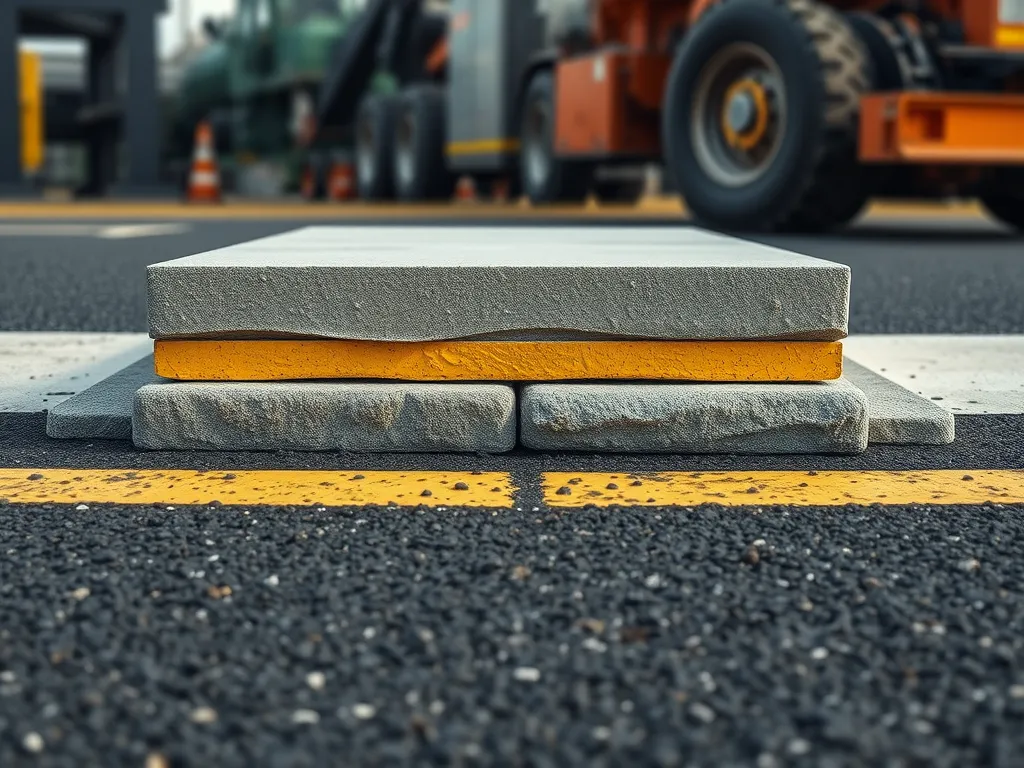
UTW bonds 2-4” concrete layers over existing asphalt pavement. Engineered with high-early-strength concrete (5,000 psi in 24 hours), it extends service life by 12-15 years. Joint spacing under 4 feet prevents reflective cracking. UTW handles up to 10 million ESALs (Equivalent Single Axle Loads), ideal for bus lanes or port yards.
These technologies for asphalt set new benchmarks, but material selection remains vital. Next, we’ll explore how specific mix designs match distinct project needs.
Types Of High Performance Asphalt Mixes
Modern construction relies on specialized mixes designed to meet exact needs. These blends balance strength, environmental needs, and budget while outperforming traditional options.
High-performance Asphalt Concrete Mixes
Engineered for extreme loads, these mixes use modified binders like PG 76-22 graded liquid asphalt. Their design focuses on resisting rutting, cracking, and weathering under heavy use.
Porous Asphalt for Drainage Solutions
Porous asphalt reduces flooding by letting water pass through at rates up to 500 inches per hour. Its 16-24% void structure directs runoff into underlying soil, cutting stormwater system strain. Ideal for parking lots or low-speed roads, it lasts 20+ years with minimal clogging.
Thin Lift Hot Mix Asphalt (HMA)
Thin lift HMA layers (0.75-1.5 inches thick) bond tightly to existing surfaces. Using polymer-modified binders, they restore roads faster than standard overlays. Projects see 30-40% cost savings due to reduced material needs. Perfect for urban repairs needing quick turnaround.
Specialized Surface Mixes for Road Surfacing
Surface mixes prioritize safety and noise control. Stone Matrix Asphalt (SMA), for example, uses crushed stone skeletons filled with cellulose fibers. This creates textured surfaces boosting skid resistance by 15-20% while lowering tire noise by 3-5 decibels. Mixes often include recycled rubber or glass for enhanced grip in wet conditions.
These mixes set the stage for exploring their real-world impact on roads, runways, and cities. Next, we’ll examine how they perform under extreme demands.
Also See: Common Causes Of Asphalt Cracks Explained
Applications Of High Performance Asphalt
High performance asphalt mixes solve tough problems in modern builds. They handle heavy loads, last longer, and cut repair needs. Let’s see where they work best.
High-traffic Road Pavement Performance
Busy roads face non-stop wear from trucks, buses, and cars. High performance asphalt concrete uses stone matrix asphalt (SMA) and polymer-modified binders. These mixes resist rutting and cracks. Tests show SMA roads last 30-40% longer than standard hot mix asphalt (HMA). Cities like Los Angeles use them for interstates, seeing 15+ years with less upkeep.
Airport Runways and Heavy-duty Surfaces
Planes need ultra-strong pavements. High asphalt and performance surface mixes handle 800,000-pound jet loads. Ultra-thin whitetopping (UTW) bonds asphalt with concrete for crack control. Runways also use open-graded friction courses to drain water fast, reducing skid risks. Dallas/Fort Worth Airport cut flight delays by 12% after switching to these techs.
Urban Infrastructure and Longevity Solutions
Cities pick porous asphalt for streets and lots. This mix soaks up 5 gallons of water per square foot each minute, easing flood risks. Thin lift HMA overlays fix old roads in hours, not days. Reflective coatings cut urban heat by 7°F. Phoenix saved $4.2 million in 2023 using cool pavements citywide.
From highways to hubs, these asphalt techs prove their worth. Next, let’s break down how they stack up against older methods.

HMA Vs. HPA: Comparing Asphalt Technologies
Hot Mix Asphalt (HMA) and High Performance Asphalt (HPA) serve distinct roles in road construction. While HMA remains a standard for general paving, HPA targets extreme conditions with engineered resilience. Let’s break down their contrasts.
Differences in Composition and Performance
HMA combines aggregates (95%) and liquid asphalt binder (5%), typically using PG 64-22 binders. HPA integrates polymer-modified binders like PG 76-22 or 82-22, boosting elasticity and thermal stability. Aggregates in HPA often include granite or slag, graded for interlock density. SMA (Stone Matrix Asphalt) mixes add cellulose fibers to prevent drain-down, achieving 70% higher rutting resistance than HMA. HPA withstands 400% more load cycles in Hamburg Wheel Tracking tests, making it ideal for truck lanes or airport runways.
Cost and Durability Analysis
HMA costs $60-$80 per ton, while HPA ranges from $85-$110 due to advanced materials. Initial savings with HMA fade faster: HPA lasts 15-20 years versus HMA’s 8-12 years. Lifecycle costs drop 35-50% with HPA, factoring in fewer repairs. For example, HPA resists thermal cracking at -20°F, cutting winter maintenance by 40%. HMA requires milling every 5-7 years; HPA needs surface treatments only after 10+ years. Projects using 30% RAP (Reclaimed Asphalt Pavement) in HPA save $12-$18 per ton without compromising strength.
These cost-benefit tradeoffs set the stage for detailed project budgeting. Next, we’ll explore how material choices and logistics shape asphalt pricing.
Cost Analysis Of High Performance Asphalt
High performance asphalt technologies bring superior pavement life but require detailed cost evaluation. Projects using these solutions balance upfront spending with long-term savings from reduced repairs. Let’s break down the numbers.
Estimating Costs Per Ton Of Asphalt
Current pricing for high performance asphalt mixes ranges between $80-$150 per ton. Polymer-modified binders or specialty additives like fibers push costs toward the upper end. Traditional hot mix asphalt (HMA) sits lower, at $50-$90 per ton. The gap narrows when considering lifecycle costs: high-performance options last 15-25 years versus 8-12 for conventional pavements.
Factors Influencing Project Pricing
Three elements drive final budgets: material specifications, logistics, and site demands. Projects in urban zones or with tight timelines often see 20-30% higher costs due to these variables.
Material Quality and Mix Design
Performance asphalt concrete relies on engineered components. PG 76-22 binders, which withstand extreme temperatures, add $12-$18 per ton. Steel slag aggregates improve skid resistance but increase material costs by 15%. Mix designs like Stone Matrix Asphalt (SMA) require higher binder content—6-7% versus 4-5% for HMA—raising production expenses.
Transportation and Installation Complexity
High-performance mixes often need shorter haul times due to strict temperature controls. Warm Mix Asphalt (WMA) eases this by allowing 50°F lower laying temps, cutting fuel use by 30%. Projects needing Ultra-Thin Whitetopping (UTW) demand specialized milling equipment, adding $3-$5 per square yard. Cold weather or night work escalates labor fees by up to 40%.
With cost variables mapped, the next layer examines how these technologies benefit ecosystems while keeping roads resilient.
Environmental and Maintenance Benefits
High performance asphalt technologies balance durability with ecological responsibility. These solutions tackle climate challenges while extending pavement life cycles.
Reduced Environmental Impact
Warm Mix Asphalt (WMA) cuts production temperatures by 30-75°F compared to traditional hot mix. Lower heat means 20% fewer greenhouse gases and 35% less fuel consumption. Porous asphalt mixes manage stormwater runoff by allowing 400-600 gallons per minute per acre infiltration, reducing urban flooding risks. PG (Performance Graded) binders with recycled plastics further lower carbon footprints by 15-25%.
Long-term Maintenance Advantages
High performance asphalt concrete lasts 20-30 years with proper design—twice the lifespan of conventional mixes. Cracking resistance improves by 40% using stone matrix asphalt (SMA), slashing repair frequency.
Recyclability of Asphalt Materials
Reclaimed Asphalt Pavement (RAP) reuse rates hit 40% in modern mixes. Every ton of recycled asphalt saves $18-25 in material costs and diverts 1 cubic yard from landfills. Cold recycling techniques restore 90% of aged pavements without full-depth reconstruction.
Energy-Efficient Production Methods
Advanced drum plants recover 85% of thermal energy during production. Solar-powered asphalt facilities now cut grid reliance by 30%, while low-emission burners trim NOx output by 50%. These methods align with LEED v4.1 standards for sustainable construction.
As eco-friendly practices reshape paving, cost considerations become equally critical. Next, we break down the economics driving adoption.
FAQ: High Performance Asphalt Technologies
What is the Latest Technology in Asphalt?
The latest technologies in asphalt include advancements like Stone Matrix Asphalt (SMA), Warm Mix Asphalt (WMA), and Ultra-Thin Whitetopping (UTW), each designed to enhance durability, efficiency, and environmental sustainability in road construction.
Can You Layer New Asphalt Over Old Asphalt?
Yes, it is possible to layer new asphalt over old asphalt. This process is called an overlay and can restore the surface of the existing pavement, provided that the underlying structure is sound. Proper preparation is essential to ensure good bonding between layers.
What is the Cost Of 1 Ton Of Asphalt?
The cost of 1 ton of asphalt typically ranges from $80 to $150 for high performance asphalt, depending on the mix design and materials used. In comparison, traditional hot mix asphalt generally falls between $50 and $90 per ton.
How Does HPA Differ From Traditional HMA?
High Performance Asphalt (HPA) differs from traditional Hot Mix Asphalt (HMA) in its composition and performance characteristics. HPA utilizes polymer-modified binders and engineered aggregates designed to withstand heavier loads and extreme weather, resulting in better longevity and reduced maintenance needs compared to HMA.
Closing Thoughts
High performance asphalt technologies are revolutionizing the way we construct roadways and other surfaces. By prioritizing durability, efficiency, and sustainability, these innovations address modern infrastructure demands. The advancements in materials, such as Stone Matrix Asphalt and Warm Mix Asphalt, not only improve longevity but also reduce environmental impacts.
Understanding the differences between high-performance asphalt (HPA) and traditional hot mix asphalt (HMA) is critical for project planning. Both the initial costs and long-term maintenance benefits should be evaluated to ensure optimal performance and financial efficiency. With specialized mixes tailored for high-traffic areas and urban infrastructure, the applications of HPA are versatile and increasingly necessary.
For more detailed information on high performance asphalt technologies and cost-effective solutions, be sure to check out Asphalt Calculator USA. Stay informed and elevate your asphalt projects with the latest industry insights.
Additional Resources for You:
- Kett, I. (1999). Asphalt Materials and Mix Design Manual. Oxford: Elsevier Science.
- High polymer-modified asphalt mixtures: a battle of strategies – Asphalt magazine
- Asphalt Engineering and Testing Services | Universal Testing Machines | Asphalt Testing Equipment Sales and Repair – Leading in Asphalt Testing and Equipment
- Latest Innovations in Asphalt Technology | Phillips Paving
- Asphalt – Pavement & Materials – Pavements – Federal Highway Administration