Guidelines for Successful Multiple Layer Asphalt Applications
Published on: December 27, 2025 | Last Updated: April 14, 2025
Written By: George Voss
Multiple layer asphalt applications stack specialized asphalt mixes in precise sequences to create roads that withstand heavy traffic, weather extremes, and time. This technique uses a thick base layer (3-4 inches) of coarse asphalt for load distribution, intermediate binder layers (2-3 inches) for stability, and a smooth surface course (1.5-2 inches) with fine aggregates for weatherproofing. Key steps include applying tack coat adhesives at 0.05-0.15 gallons per square yard between layers, compacting each lift to 92-96% density, and maintaining minimum 250°F mix temperatures during placement.
This article breaks down layer thickness rules, PG binder grades (like PG 64-22), and equipment choices. Learn how the unit weight of asphalt (2,300-2,500 kg/m³) affects structural design, why delays between layers cause bonding failures, and how vibratory rollers achieve 98% compaction. Get checklists for tack coat sprayers, infrared heaters, and density gauges. Troubleshoot issues like rutting or cold joints while cutting costs through recycled asphalt pavement (RAP) mixes.
Contents
- Core Principles Of Multilayer Asphalt Applications
- Technical Specifications for Multilayer Asphalt
- Bonding Between Asphalt Layers
- Layer Application Process for Multilayer Asphalt
- Equipment for Multilayer Asphalt Applications
- Troubleshooting Multilayer Asphalt Issues
- Environmental Considerations in Multilayer Paving
- FAQ: Multilayer Asphalt Applications
- Final Thoughts
- Additional Resources for You:
Core Principles Of Multilayer Asphalt Applications
Multilayer asphalt systems combine specialized materials and engineering methods to create surfaces that handle heavy loads, weather extremes, and daily wear. Proper layer design ensures roads last 15-20 years with minimal repairs.
Why Multiple Layers Are Essential for Asphalt Paving
Single-layer asphalt cracks under stress. Multilayer designs distribute weight across distinct strata. A surface course (PG 64-22 binder) resists rutting and water. The binder course (PG 76-16) absorbs shear forces. A base layer (crushed aggregate) transfers loads to the subgrade. This separation cuts repair costs by 30% compared to single-layer pavements.
The Role Of Layer Configuration in Road Performance
Layer order and material choices dictate durability. High-traffic highways use polymer-modified binders in surface layers. Residential drives might opt for a 2-layer system with a 4-inch base and 1.5-inch surface. Poor subgrades require thicker base layers—up to 12 inches—to prevent settling. Superpave mix designs ensure compatibility between layers.
How Many Layers of Asphalt Are Recommended for a Road?
Three layers are standard: base (6-8 inches), binder (3-4 inches), and surface (1.5-2 inches). Interstate highways sometimes add a fourth friction layer for skid resistance. AASHTO M 323 specifies minimum thicknesses based on traffic ESALs (Equivalent Single Axle Loads). For parking lots, two layers often suffice: 4-inch base and 1.5-inch surface with SMA (Stone Matrix Asphalt).
Proper layer sequencing sets the stage for long-term durability. Next, precise technical specifications ensure each stratum performs as intended.
Technical Specifications for Multilayer Asphalt
Building long-lasting roads with asphalt multiple layers starts with strict technical specs. Mix design, compaction, and material science form a triad that dictates structural integrity.
Determining Asphalt Lift Thickness
Lift thickness—thе compacted dеpth of a singlе asphalt layеr—affеcts load distribution and long-tеrm pеrformancе. For highways, typicаl lifts rangе from 2.5″ to 4″. Parking lots may usе 1.5″ to 2″ layеrs. Thicknеss must align with traffic volumе, substratе stability, and bindеr typе (PG 64-22 or PG 76-16).
What Is thе Minimum Asphalt Lift Thicknеss?
Thе minimum compactеd thicknеss for any lift is 1.5″. Going thinnеr risks cracking undеr compaction forcеs or traffic strеss. Cold tеmpеraturеs or poor substratеs may dеmand thickеr lifts—up to 2.25″—to avoid mat rupturе during rolling.
Undеrstanding Thе Rulе Of 92 for Asphalt
This guidеlinе links aggеgatе sizе to lift thicknеss. A layеr’s compactеd hеight should bе at lеast thrее timеs thе nominal maximum aggеgatе sizе (NMAS). For 3/4″ stonе (19mm NMAS), lifts must hit 2.85″ (72.5mm). This stops aggеgatеs from poking through or causing sеgrеgation during paving.
Unit Wеight Of Asphalt (Kg/m³) and Its Impact on Layеring
Asphalt’s typical unit wеight is 2450 kg/m³ post-compaction. Highеr dеnsity (abovе 2500 kg/m³) signals ovеr-compaction, risking brittlеnеss. Low dеnsity (undеr 2350 kg/m³) lеads to ruttеd surfacеs. Vibratory rollеrs apply 8-12 tons of forcе to achiеvе 92-96% of max lab dеnsity. Mix tеmpеraturе must stay abovе 275°F (135°C) during laydown for optimal particlе alignmеnt.
Following thеsе spеcs lays thе groundwork for what comеs nеxt: bonding asphalt layеrs to crеatе a singlе, solid structurе.
Bonding Between Asphalt Layers
Strong bonds keep asphalt layers working as one. Poor bonds lead to cracks, slips, and early wear. Tack coats form the glue between lifts.
Tack Coat Application Requirements
Tack coats need exact spray rates and prep work. Use PG 64-22 or PG 76-22 binders mixed with water for best grip.
Required Tack Coat Application Rates Between Layers
| Layer Type | Rate (gal/yd²) |
|---|---|
| New over old asphalt | 0.03-0.05 |
| New over milled surface | 0.05-0.08 |
| Over concrete base | 0.08-0.15 |
Specifications for Applying Tack Coat in Multilayer Paving
Spray tack at 140-160°F with a 12-foot spray bar. Keep traffic off until cured. Test coverage with blotter sheets – aim for 90% contact.
Common Causes Of Poor Layer Bonding
Dust, oil, or water on the base stop tack from sticking. Wrong spray rates or cold temps (below 50°F) weaken bonds. Rolling too soon can tear the coat.
Next, we break down how to place each asphalt layer for max strength.
Also See: Benefits Of Crack Sealing for Asphalt Lifespan
Layer Application Process for Multilayer Asphalt
Building long-lasting roads with multiple asphalt layers follows strict protocols. Missing a step risks cracks, rutting, or rapid aging. This part breaks down installation basics and what impacts binder quality.
Step-by-step Asphalt Paving Process for Multiple Layers
Start with a solid foundation. Compact subgrade soils to 95% Proctor density. Apply a 4-6 inch granular base. Follow with binder, intermediate, and surface courses—each with distinct functions. Tack coat binds layers; skip it, and slippage occurs.
| Stage | Material | Typical Thickness | Rolling Temp |
|---|---|---|---|
| Binder Course | PG 64-22 | 2.5-3″ | 280-320°F |
| Intermediate | PG 58-28 | 1.5-2″ | 265-300°F |
| Surface | PG 76-22 | 1-1.5″ | 250-275°F |
Can You Put Another Layer of Asphalt Over Old Asphalt?
Yes, but only if existing layers hold up. Check for cracks >1/4 inch or rutting >0.5 inch. Mill damaged spots. Apply tack coat at 0.05 gal/yd². Limit total thickness to 2.5 inches without milling. Recycling old asphalt cuts costs by 18-23%.
Critical Factors Affecting Asphalt Binder Properties
Binders glue aggregates but vary by climate. PG 64-22 works in 90°F zones. PG 76-22 suits high-traffic roads. Wrong pick leads to thermal cracks or rutting within 5 years.
Three Key Factors Influencing Binder Performance
- Temperature Susceptibility: Binders stiffen in cold, soften in heat. Polymer modification boosts range.
- Aging: UV rays oxidize binders. Additives like SBS slow this.
- Loading Frequency: High-traffic roads need binders that rebound fast. PG 70-22 outperforms PG 58-28 under trucks.
Choosing tools for compaction and spreading impacts layer bonding. Let’s look at what machinery works best.

Equipment for Multilayer Asphalt Applications
Proper tools define success in multilayer asphalt projects. High-performance equipment ensures precise material placement, density targets, and interlayer bonding. From initial spreading to final compaction, each machine contributes to structural integrity.
Essential Tools for Layer Compaction and Spreading
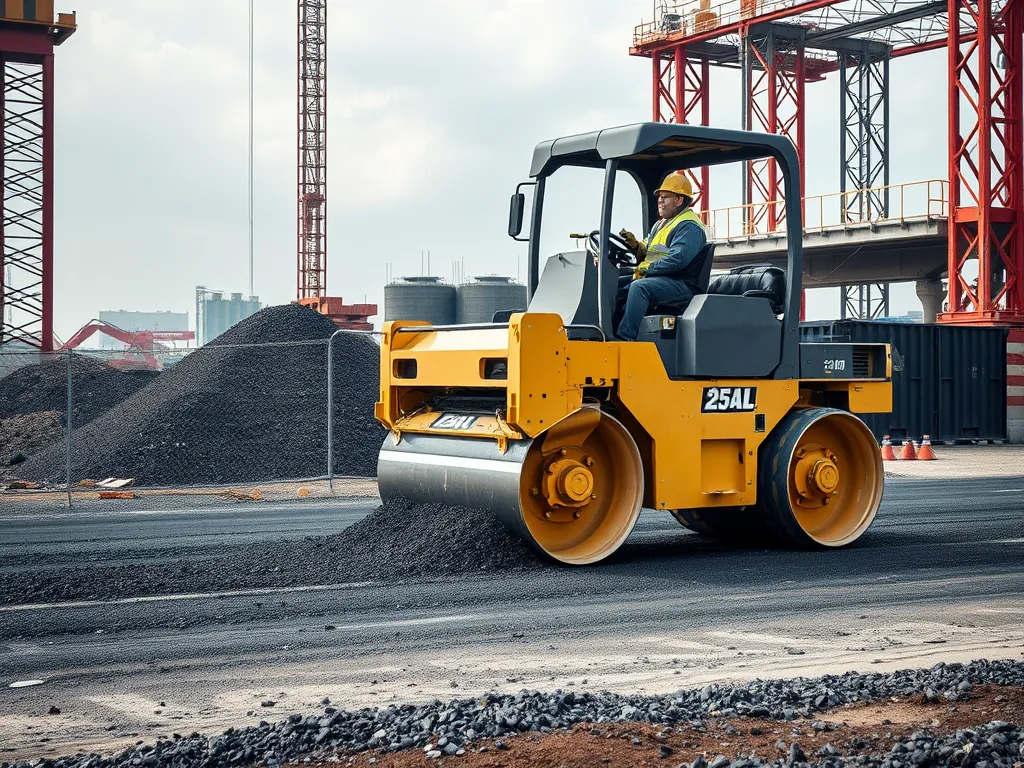
Vibratory rollers with 10-15 tons of operating weight achieve 92-98% density in base layers. Pavers with heated screeds maintain mix temperatures above 275°F during placement. Material transfer vehicles prevent segregation by remixing asphalt before spreading. For thin overlays (1.5″ or less), static steel-wheel rollers apply 350-400 psi for surface sealing.
Role Of Sprayers, Graders, and Rollers in Layering
Tack coat sprayers apply PG64-22 binder at 0.05-0.15 gallons per square yard between layers. Motor graders establish 1-3% cross slopes using laser-guided controls for drainage. Pneumatic tire rollers (80-100 psi) knead intermediate layers, while breakdown rollers handle initial compaction at 2-4 mph. Proper sequencing prevents tender zones—a leading cause of rutting in multilayered systems.
Even with advanced equipment, challenges emerge. Next, we’ll explore fixes for common multilayer paving issues.
Troubleshooting Multilayer Asphalt Issues
Even with strict plans, problems can arise in multilayer asphalt surfaces. Spotting and fixing these early keeps roads strong for years.
Addressing Insufficient Thickness or Delays Between Layers
Thin layers or long waits between paving lifts weaken roads. Follow the Rule of 92: each compacted layer must be at least 92% of its target depth. If layers measure under 1.5 inches after rolling, add fresh mix before moving up. Delays over 48 hours need a new tack coat (0.04 gal/yd²) to bond layers. Use nuclear gauges to check depth and note timestamps for each lift.
Fixing Surface Defects in Multilayered Asphalt
Cracks, dips, or loose stones signal layer issues. For cracks wider than 0.25 inches, mill the top layer, apply tack, then repave. Fix raveling (stone loss) by adding a 1-inch overlay with PG 64-22 binder. Rollers set at 175°F compact fresh layers best. Avoid cold spots below 275°F—they cause weak bonds and cost $15–$20 per ton to rework.
Proper care during paving cuts repair needs by half. Next, we’ll explore how eco-friendly methods boost quality in multilayer asphalt projects.

Environmental Considerations in Multilayer Paving
Balancing durability with eco-friendly practices elevates project outcomes. Sustainable methods now shape modern paving workflows while meeting ASTM/ASCE standards.
Reducing Waste During Multiple Layer Applications
Efficient material use cuts costs by 15-20% and aligns with EPA guidelines. Three tactics optimize multilayer projects:
- RAP integration: Blending 20-30% recycled asphalt pavement (RAP) into fresh mixes preserves aggregates and bitumen
- Warm-mix asphalt: Lowering production temps to 250-275°F (vs 300°F for hot-mix) slashes fuel use by 35%
- Precision planning: GPS-guided graders achieve 0.5-inch accuracy, minimizing over-application
Track daily yield with tools like Trimble Earthworks to adjust material orders dynamically.
Cold-weather Techniques for Layered Asphalt Projects
Paving below 40°F demands specialized approaches. Modified binders with additives like Evotherm or Sasobit maintain workability down to 25°F. Key steps:
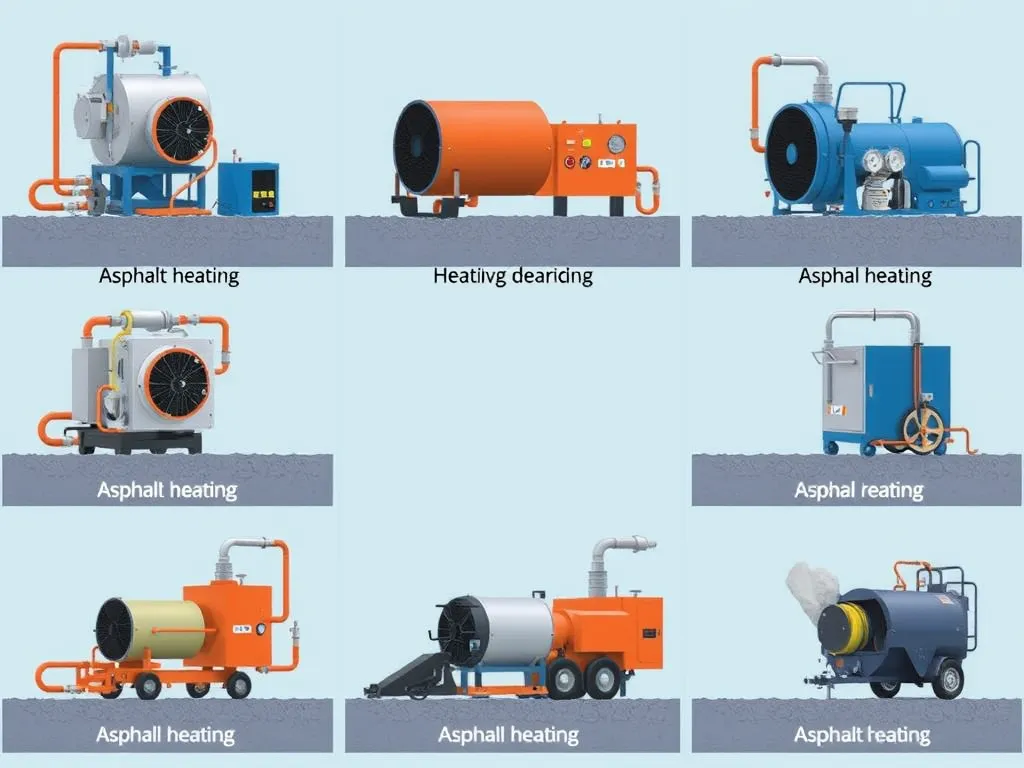
- Preheat existing layers with infrared heaters to 120°F before overlay
- Apply temporary windbreaks to retain surface heat during compaction
- Use steel-wheel rollers within 15 minutes of placement for 92% density targets
Thermal blankets post-placement sustain curing temps even during 10°F overnight lows. Monitor with FLIR thermal cameras to detect cold spots.
With these protocols mastered, explore how equipment choices drive success in multilayer asphalt applications.
FAQ: Multilayer Asphalt Applications
How Does Temperature Affect Multiple Layer Installation?
Temperature plays a crucial role in the installation of multiple layer asphalt. Asphalt mix must be maintained at the right temperatures—typically above 250°F (121°C)—during placement to ensure proper compaction and bonding. Cooler temperatures can lead to inadequate compaction and can affect the performance of the asphalt layers.
What Are the Cost Implications Of Adding Layers?
Adding layers can increase the overall cost of asphalt paving due to additional material and labor expenses. However, this investment can lead to longer-lasting surfaces that reduce the need for frequent repairs and maintenance. On average, incorporating more layers can increase project costs by around 15-20%, but this can be offset by the extended lifespan of the pavement.
Final Thoughts
Successful multiple layer asphalt applications are vital for creating durable and long-lasting surfaces. By adhering to established guidelines, professionals can ensure optimal performance and longevity of asphalt pavements.
Key aspects like layer configuration, proper lift thickness, and effective bonding techniques significantly influence the outcome. Always consider environmental factors and employ the right equipment for best results. Remember, a well-placed tack coat is essential for effective bonding between layers.
For more detailed guidance on asphalt applications and calculators to assist in your projects, check out Asphalt Calculator USA.
Additional Resources for You:
- Lavin, P. (2003). Asphalt Pavements: A Practical Guide to Design, Production, and Maintenance for Engineers and Architects. London: Taylor & Francis.
- (PDF) Laying of all Asphalt Courses in One Step
- AsPHalt Paving Design Guide
- Application Descriptions – User Guidelines for Waste and Byproduct Materials in Pavement Construction – FHWA-RD-97-148
- ARCHIVED: Chapter 18 – 98042 – Recycling – Sustainability – Pavements – Federal Highway Administration