Get It Right: Your Roadmap to Perfect Asphalt Mix Selection
Published on: December 23, 2025 | Last Updated: April 14, 2025
Written By: George Voss
Choosing the right asphalt mix means matching material properties to project needs like traffic volume, climate conditions, budget limits ($75-$200 per ton), and local material sources. Hot-mix asphalt (HMA) handles semi-truck traffic at 300°F installation temps, while warm-mix asphalt (WMA) cuts energy use by 20% with additives like Evotherm. Cold-mix works for pothole repairs but wears faster. Key selection factors include PG-graded binders (like PG 64-22 for moderate climates), aggregate size, and recycled content rules – some states mandate 30% RAP (recycled asphalt pavement).
This guide walks through asphalt types, costs, and performance trade-offs. Compare HMA’s durability against WMA’s eco-benefits. Learn why stone matrix asphalt (SMA) lasts 40% longer in heavy traffic but costs $15 more per ton than dense-graded mixes. See how regional specs – like California’s Caltrans Section 39 or Florida’s FM 5-565 – affect choices. Avoid mistakes like using cold-mix for highways or skipping compaction tests. Get data on temperature ranges, recycled material options, and lifecycle cost calculators.
Contents
- Understanding the Importance Of Asphalt Mix Selection
- Types Of Asphalt Mixes for Different Applications
- Key Factors for Choosing the Right Asphalt Mix
- Avoiding Common Asphalt Mix Selection Errors
- Environmental Considerations in Asphalt Selection
- Frequently Asked Questions (FAQ)
- Final Words
- Additional Resources for You:
Understanding the Importance Of Asphalt Mix Selection
Picking the right asphalt mix shapes your project’s success. It affects how long roads last, how they handle traffic, and what repairs cost over time. Match the mix to your site needs to avoid cracks, ruts, or early failures.
Impact on Project Durability and Performance
Asphalt mixes vary in strength. A busy truck route needs stone matrix asphalt (SMA) with high stone content and polymer-modified binders. These hold up under heavy loads. For local streets, dense-graded mixes work well. They balance cost and wear. Climate matters too. In cold zones, use PG 58-28 binders (Performance Grade) to resist freeze-thaw damage. Hot areas need PG 70-22 binders that won’t soften in heat.
Cost-efficiency Over the Pavement Lifecycle
Cheap mixes often cost more long-term. Warm-mix asphalt (WMA) cuts production temps by 50°F, saving fuel. Recycled asphalt pavement (RAP) mixes with 20-30% reused material lower costs by $8-$15 per ton. Proper base prep and drainage add 5-10 years to pavement life, delaying rebuilds. A 6-inch asphalt layer over 12-inch gravel base handles 10 million ESALs (18,000 lb axle loads).
Next, explore the types of asphalt mixes suited for different jobs—from high-traffic highways to quick driveway fixes.
Types Of Asphalt Mixes for Different Applications
Selecting asphalt mix for project success starts with knowing core material options. Three primary categories dominate road construction: hot-mix, warm-mix, and cold-mix asphalt. Each serves distinct purposes based on temperature, traffic, and terrain.
Hot-mix Asphalt (HMA)
HMA remains the go-to choice for high-traffic roads. Produced at 300°F-350°F, it binds aggregates with PG (Performance-Graded) asphalt cement. Superpave mix designs ensure durability under specific climate loads.
Dense-Graded Mixes
Used in 80% of US highways, dense-graded HMA packs fine and coarse aggregates tightly. Achieves 4-7% air voids for impermeable surfaces. Ideal for interstate highways carrying 15,000+ vehicles daily.
Stone Matrix Asphalt (SMA)
SMA uses stone-on-stone contact with cellulose fibers for rut resistance. Handles heavy truck traffic at airports or freight routes. Costs 20-40% more than dense mixes but lasts 30% longer.
Open-Graded Asphalt
Contains 18-22% air voids for rapid drainage. Reduces hydroplaning on highways like Florida’s Turnpike. Requires geotextile underlay to prevent base erosion.
Warm-mix Asphalt (WMA)
WMA lowers production temps to 220°F-275°F using advanced methods. Cuts fuel use by 35% while meeting AASHTO M 332 specs. Gained 12% market share since 2015.
Foamed Asphalt Technology
Injecting water into hot asphalt creates foam, expanding binder volume. Allows 50°F lower laydown temps. Used in 32 states for rush-hour paving.
Chemical Additives for Temperature Reduction
Surfactant-based additives like Evotherm® modify viscosity. Enable winter paving down to 40°F air temps. Adds $3-$6 per ton but extends paving seasons.
Cold-mix Asphalt
Unheated blends using emulsified asphalt for temporary fixes. Achieves 50-70% strength of HMA. Perfect for remote sites without hot-mix plants.
Cold Patch for Emergency Repairs
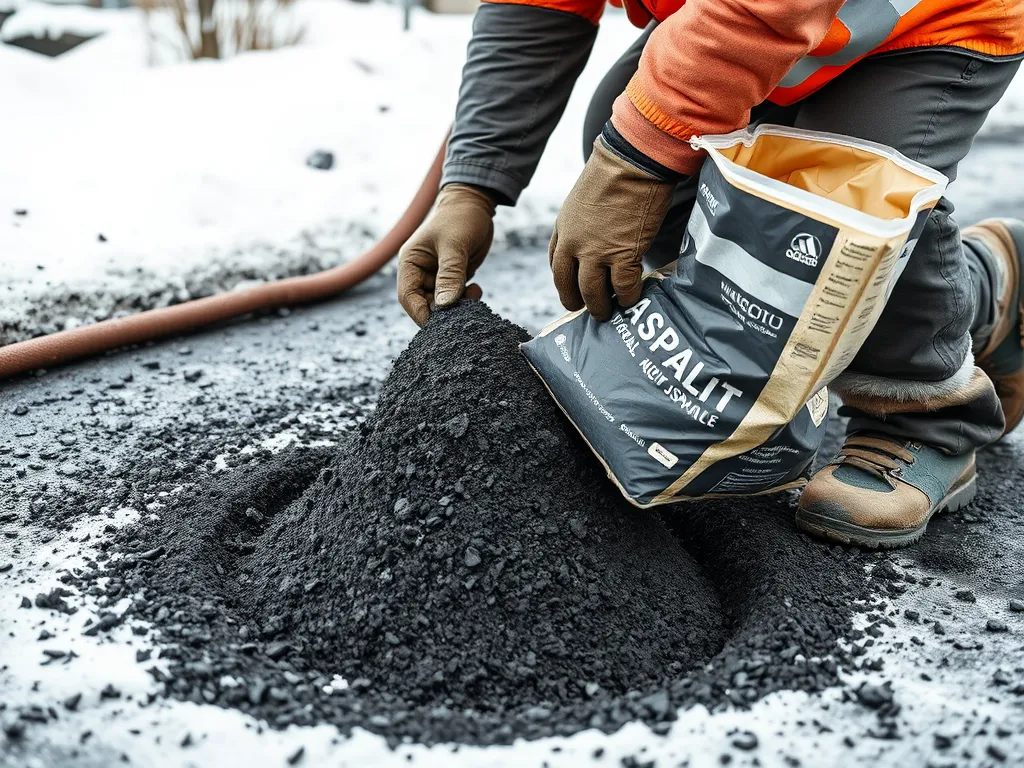
Bagged mixes repair potholes in 15 minutes. Bonds at temps as low as -20°F. Lasts 6-12 months until permanent fixes.
Plant-Mixed Cold Applications
Recycled asphalt pavement (RAP) blended with emulsion for driveways or rural roads. Cures fully in 3-6 months. Costs $45-$65 per ton installed.
While mix types form the foundation, project-specific needs dictate the final choice. Up next: key factors tying material properties to real-world demands.
Key Factors for Choosing the Right Asphalt Mix
Pick your asphalt mix like you’d pick shoes – fit matters. Get it wrong, and your road cracks under pressure. Get it right, and it lasts for years. Let’s break down what shapes that choice.
Project-specific Requirements
Every job has unique needs. Match the mix to your site’s demands for best results.
Traffic Volume and Vehicle Types
Heavy trucks need tougher mixes than driveways. Use ESALs (Equivalent Single Axle Loads) to measure road stress. Highways often need PG 76-22 binder with 19mm stone. For homes, PG 64-22 with 12.5mm stone works. Check this table:
| Traffic Type | Mix Type | Layer Thickness |
|---|---|---|
| Parking Lot | Dense-Graded HMA | 3 inches |
| Interstate | Stone Matrix Asphalt | 5 inches |
Climate and Weather Conditions
Heat softens asphalt. Cold makes it brittle. In Florida, use PG 82-22 binder to resist rutting. In Minnesota, PG 58-28 handles freeze-thaw cycles. Rainy areas need 4% air voids for drainage.
Material Availability and Local Regulations
Local rules and rocks shape your options. You can’t pour what you can’t source.
Regional Aggregate Sources
Crushed limestone in Texas. Granite in Vermont. Hauling stone beyond 50 miles adds $15-$20 per ton. Check state geo surveys for approved quarries. Recycled asphalt (RAP) use varies – 20% max in Ohio, 40% in California.
Compliance with DOT Specifications
State DOTs set mix rules. Florida requires 1.5% asphalt content for SMA. New York mandates 30% RAP in base layers. Always check AASHTO M323 and local supplements.
Pavement Structure and Base Preparation
A strong base means a long life. Skip prep work, and cracks show up fast.
Existing Surface Conditions
Check old pavement with a falling weight deflectometer (FWD). Fix cracks wider than 1/4 inch before overlay. Mill worn surfaces to create 1/8” texture for bonding.
Load-Bearing Requirements
Soil matters. Clay needs 12” base course vs 6” for sandy soil. Use AASHTO T307 tests. For truck stops, build 8” asphalt over 18” crushed stone. Home drives need 4” over 6” gravel.
Next up: Learn how to dodge common mix mistakes that cost time and cash.
Also See: Hot Mix Asphalt Performance Metrics: Key to Longevity
Avoiding Common Asphalt Mix Selection Errors
Picking the wrong mix can lead to cracks, ruts, or fast wear. Avoid these two key errors to save time and money.
Mismatching Mix Type to Project Scope
Using a cold patch mix for a busy road or SMA for a home path wastes funds. Each mix serves set roles. For example, dense-graded HMA handles heavy trucks best. Cold mix suits small fixes, not highways.
- Check traffic counts (cars/day) and max axle loads
- Match specs to DOT or city rules
- Ask mix plants for test data like stability (kN) and voids (%)
Overlooking Temp and Compaction Needs
Hot-mix asphalt needs 280-330°F lay temps. If placed too cool, it won’t compact right. Poor compaction cuts pavement life by 30-50%. Warm-mix tech allows lower temps (230-280°F) but still needs 92-98% density.
- Track weather: <50°F air temp risks fast cooling
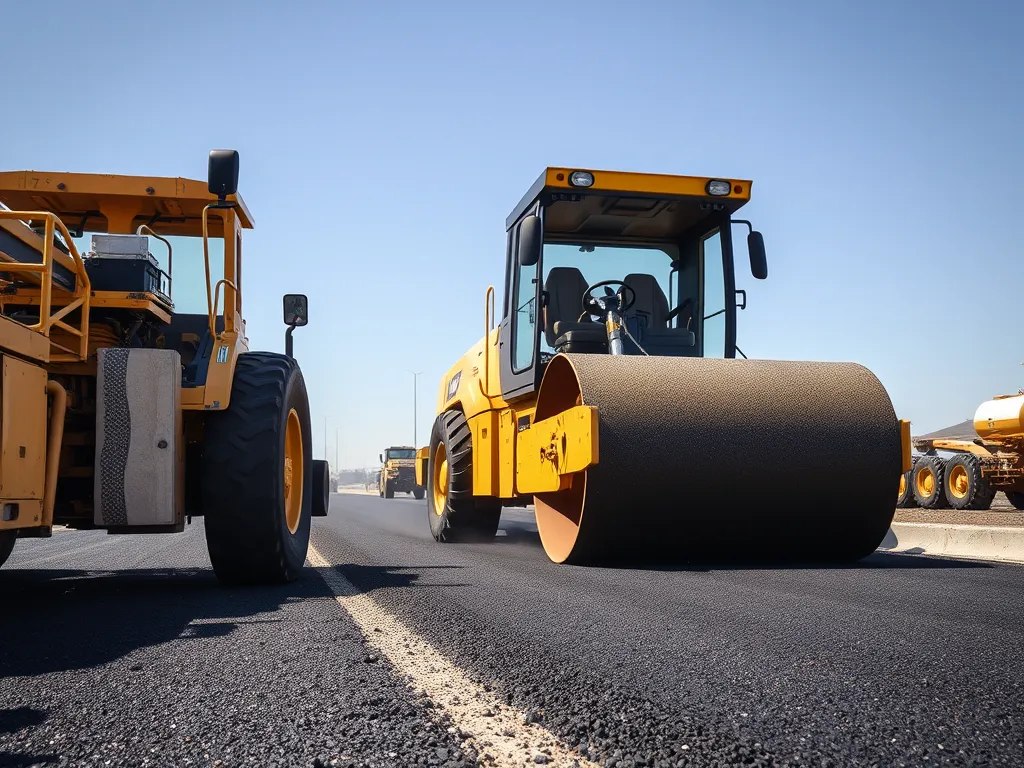
- Use steel-wheel rollers for HMA, pneumatic for SMA
- Test density with nuclear gauges or cores
Nail these factors, and your road base will hold strong. Next, let’s weigh green options like recycled content and low-energy mixes.
Environmental Considerations in Asphalt Selection
Construction plans now factor in planetary impacts alongside structural needs. Your mix choice directly affects resource use, long-term sustainability, and compliance with green building standards.
Recycled Material Content Options
Modern asphalt mixes integrate reclaimed materials without sacrificing quality. RAP (Recycled Asphalt Pavement) forms 30-50% of many mixes, cutting costs by 20-30% while diverting 90 million tons of waste annually. RAS (Recycled Asphalt Shingles) from roofing scraps adds 3-5% binder replacement. Check regional DOT rules—some states mandate 15% minimum recycled content. Balancing RAP levels with virgin aggregates prevents raveling in high-traffic zones.
Energy Efficiency Of Production Methods
Mix production accounts for 60% of asphalt’s carbon footprint. WMA (Warm-Mix Asphalt) technologies slash temps by 50-100°F vs traditional HMA, trimming fuel use 20-30%. Foaming nozzles inject water into hot binder, expanding its volume for better coating. Chemical additives like surfactants allow workability at 250°F instead of 300°F. Plants with drum mixers and heat recovery systems further cut fossil fuel dependence.
Factoring in recycled content and production methods aligns with LEED credits and municipal green mandates. These factors shape both project planning and long-term maintenance strategies.
Frequently Asked Questions (FAQ)
What Are the Main Considerations for Asphalt Mix Design?
The main considerations for asphalt mix design include traffic volume, vehicle types, climate conditions, and the intended use of the pavement. It is essential to select a mix that aligns with the expected load and environmental factors to ensure durability and performance.
How Do You Design a Custom Asphalt Mixture?
Designing a custom asphalt mixture involves selecting appropriate aggregates, binders, and additives specific to project requirements. This process may include lab testing to optimize the blend for desired performance characteristics, such as strength, flexibility, and durability.
What Determines the Grade Of an Asphalt Mix?
The grade of an asphalt mix is determined by the performance grade (PG) of the binder, which is affected by regional climate conditions, including temperature extremes. Higher grades are usually required for areas with severe heat or cold to prevent softening or brittleness.
Is There a Universal “Best” Asphalt Mix?
No single asphalt mix is universally best for all applications. The ideal mix depends on specific project characteristics such as traffic loads, environmental conditions, and budget constraints. An optimized choice should consider these factors for best results.
Final Words
Selecting the right asphalt mix is critical for the success of your project. The choice impacts not only the durability and performance but also cost savings over the pavement’s lifecycle. Each project has specific needs, influenced by factors such as traffic volume, climate, and regulatory requirements. Understanding the various types of mixes—from Hot-Mix Asphalt (HMA) to Cold-Mix options—allows for smarter decisions tailored to your application.
Avoid common pitfalls by matching the mix type to the project scope and considering environmental impacts, like recycling and energy efficiency. An informed selection process can lead to optimal results, ensuring longevity and reliability.
For more detailed information and resources, check out Asphalt Calculator USA.