
Guide to Asphalt Crack Repair Products
Published on: December 23, 2025 | Last Updated: April 14, 2025
Written By: George Voss
Asphalt crack repair products are specialized materials designed to fix pavement damage caused by weathering, traffic, or aging. These include cold pour asphalt fillers (DIY-friendly tubes for cracks up to ½”), hot rubberized sealants (professional-grade for cracks over ¾”), self-adhesive tapes, and liquid polymer sealers. Each type varies in application method, cost ($2-$8 per linear foot), and durability (1-10+ years). Choosing the right product depends on crack width, depth, and whether the pavement is still shifting.
This guide explains how to match repair products to common crack types like hairline, edge, or fatigue cracks. You’ll learn preparation steps, compare cold vs. hot-applied solutions, and discover eco-friendly options with recycled materials. We’ll also cover tools like crack routers and sealant pour pots, plus tips to extend your asphalt’s lifespan by 3-5 years through proper maintenance.
Contents
- Understanding Asphalt Cracks
- Importance Of Timely Asphalt Crack Repair
- Essential Tools for Asphalt Crack Repair
- Asphalt Crack Repair Product Categories
- Step-by-step Asphalt Crack Repair Process
- Comparing Asphalt Crack Repair Solutions
- Eco-friendly Asphalt Repair Options
- Frequently Asked Questions
- Closing Thoughts
- Additional Resources for You:
Understanding Asphalt Cracks
Asphalt cracks form due to weather, traffic, or age. Spotting them early stops bigger issues. Let’s break down common types.
Common Types Of Asphalt Cracks
Each crack type needs a unique fix. Match products to the damage for best results.
Hairline Cracks
Thin lines under 1/4″ wide. Use liquid sealants like latex-based fillers. These flow deep, sealing gaps. Key for asphalt crack repair materials.
Edge Cracks
Lines along pavement edges. Often from poor drainage. Fill with cold pour rubber. Pair with sealant from an asphalt driveway repair guide.
Fatigue Cracks
Web-like patterns (alligator cracks). Fix with hot rubberized sealant. Bonds well, lasts 3-5 years. Top pick in asphalt crack sealer products.
Block Cracks
Large square splits. Caused by freeze-thaw cycles. Use thick fillers or overlays. Check asphalt pavement maintenance guide for steps.
Wide Cracks (Over 3/4″)
Big gaps need heavy repair. Use asphalt mix or repair tape. Compact well. See products for asphalt crack repair for strong options.
Knowing crack types helps pick the right fix. Next, learn why quick action matters.
Importance Of Timely Asphalt Crack Repair
Ignoring cracks in asphalt surfaces risks structural harm. Acting fast with asphalt crack repair materials stops minor flaws from growing into major issues. This asphalt crack repair guide explains why swift action matters.
Preventing Water Damage
Open cracks act as pathways for rain, snowmelt, and moisture. Water infiltration softens sublayers, washing away vital gravel or sand support. This triggers potholes, heaving, or alligator cracking. Products for asphalt crack repair like cold-pour fillers or rubberized sealants block water intrusion. A 1/8″ gap can admit 3 gallons of water annually into your pavement’s foundation.
Avoiding Costly Pavement Replacement
Fixing cracks early saves up to 80% compared to full-depth asphalt replacement. Crack sealing costs $0.30-$0.75 per linear foot, while reconstructing a driveway averages $3-$7 per square foot. Top asphalt driveway repair products like hot-applied rubber compounds or asphalt repair tapes maintain structural integrity at a fraction of replacement costs.
- Seal hairline cracks within 6 months of forming
- Fill gaps wider than 1/4″ with polymer-modified fillers
Extending Driveway Lifespan
Regular maintenance using asphalt crack fill guide recommendations adds 5-10 years to pavement durability. Liquid crack sealants with 40% solids content adapt to seasonal shifts. For active cracks, asphalt repair products guide solutions like self-leveling silicones or fiber-reinforced bands maintain flexibility. Data shows properly maintained asphalt lasts 20+ years vs. 12-15 years without care.
Knowing why repairs matter is half the battle. Next, learn which tools transform asphalt crack repair products into lasting solutions.

Essential Tools for Asphalt Crack Repair
Proper asphalt crack repair requires specialized equipment to achieve lasting results. Choosing the right tools ensures clean application, proper adhesion, and long-term durability.
Crack Cleaning Brushes
Stiff-bristled brushes with angled heads remove dirt, vegetation, and loose debris from cracks up to 1″ wide. Wire brush models (8″-12″ widths) work best for prepping fatigue cracks. Pair with compressed air or leaf blowers for thorough cleaning – 90% of repair failures stem from poor surface prep.
Asphalt Squeegees
Rubber-bladed squeegees (24″-36″ lengths) evenly spread liquid sealants across multiple cracks. Polyurethane models handle hot-applied rubberized asphalt up to 350°F. Look for tapered edges that create 1/8″ thick seals – the ideal depth for blocking water infiltration.
Caulking Guns for Sealants
Heavy-duty caulking guns apply cold-pour crack fillers with precision. For residential use, select 10:1 thrust ratio guns ($15-$25). Commercial-grade pneumatic guns ($90-$140) manage high-viscosity materials like AC-10 emulsion. Match nozzle sizes to crack widths: 3/16″ tips suit hairline cracks, 5/8″ nozzles handle block cracks.
Compaction Tools
Hand tampers (6″x6″ steel plates) compact filler materials at 50-75 PSI. For cracks wider than 1″, use vibratory plate compactors (3,000-5,000 RPM) to achieve 98% density. Proper compaction prevents sinking – a key factor in extending pavement life by 3-5 years.
With the right tools prepped, let’s examine the asphalt crack repair materials designed for specific damage types and climates.
Also See: Green Asphalt Technologies Overview: Innovations in Paving
Asphalt Crack Repair Product Categories
Choosing proper materials depends on crack size, location, severity. Four primary product types dominate the market, each designed for specific repair scenarios.
Cold Pour Asphalt Fillers
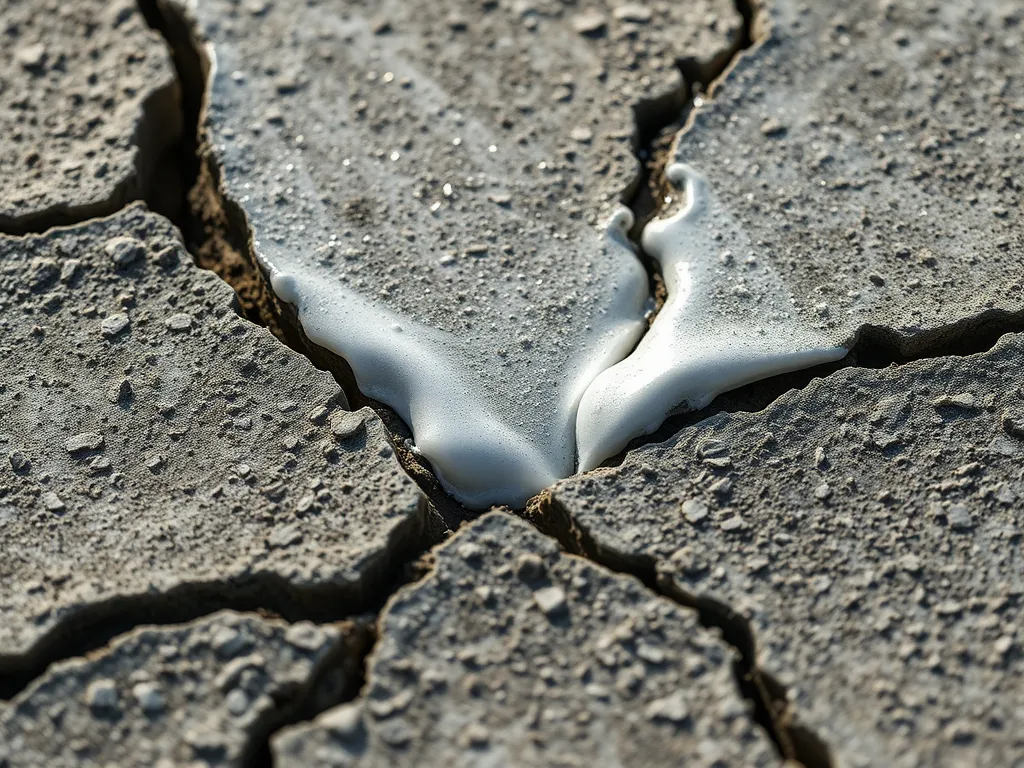
Ready-to-use solutions requiring no heating. These rubberized compounds remain pliable between -20°F to 160°F. Applied directly from squeeze bottles or caulking tubes.
Best for Small Cracks (1/4″ to 1/2″)
Ideal for hairline or block cracks. Brands like Latex-ite or Sakrete offer fillers with up to 300% stretch capacity. Coverage: 150 linear feet per gallon. Costs $1.50 per foot. Cures in 3-6 hours.
Hot Rubberized Asphalt Sealants
Professional-grade materials heated to 350°F before application. Contains 20-30% recycled tire rubber for enhanced durability. Bonds tightly to existing pavement.
Ideal for Wide Cracks & Potholes
Handles cracks up to 3″ wide. Meets ASTM D6690 standards for traffic-bearing surfaces. Requires specialized melter applicators ($1,200-$4,000). Lasts 5-8 years with proper installation.
Asphalt Repair Tapes &Amp; Bandages
Self-adhesive bitumen strips with polyethylene backing. Quick fixes requiring minimal tools. UV-resistant variants survive 6-12 months of weather exposure.
Temporary Fixes for Edge Cracks
Used along pavement perimeters or joints. Install by peeling, pressing, sealing with torch heat. Limited to non-traffic zones. Budget option under $0.80 per linear foot.
Liquid Asphalt Crack Sealers
Polymer-modified emulsions penetrating deep into fractures. Remains flexible during freeze-thaw cycles. Applied via pour pots or spray systems.
Flexible Solutions for Active Cracks
Accommodates up to 0.25″ seasonal movement. Products like Crack-Stix provide 98% waterproofing. Cures fully in 24-48 hours. Covers 80-100 sq ft per gallon.
Selecting between these options depends on your project’s specific needs. Next, we’ll break down the installation process to ensure lasting results.
Step-by-step Asphalt Crack Repair Process
Follow this asphalt crack repair guide to maintain driveway integrity. Proper technique triples repair lifespan compared to quick fixes.
1. Surface Preparation Techniques
Effective prep determines 80% of repair success. Remove debris with stiff-bristle brushes or air compressors (40-60 PSI).
Cleaning & Drying Cracks
Blow out dirt using leaf blowers or specialized crack vacuums. For oil-stained areas, scrub with trisodium phosphate solutions. Let cracks dry 2-4 hours – moisture causes sealant failure.
2. Product Selection Guide
Choose materials from this asphalt crack filler guide based on width:
Matching Products to Crack Size
• 1/8″-1/4″: Liquid sealants (self-leveling, $0.15/linear foot) • 1/4″-3/4″: Rubberized crack fillers (needs backer rod, $0.35/linear foot) • 1″+: Hot-applied asphalt patches (requires tamper, $1.10/square foot)
3. Application Methods
Temperature matters – apply products between 50°F and 90°F for optimal adhesion.
Pouring, Spreading & Compacting
Use melter applicators for hot rubber (350°F melt point). Overfill cracks by 1/4″ to account for settling. Compact with weighted rollers (150 lbs minimum). Feather edges with asphalt squeegees for seamless transitions.
4. Curing &Amp; Post-repair Care
Allow 24-48 hour cure time before traffic. Apply silicone-based protectants ($25/gallon) yearly to prevent UV degradation. Monitor repaired areas during freeze-thaw cycles.
With your repairs properly cured, it’s time to evaluate how different solutions stack up in long-term performance.
Comparing Asphalt Crack Repair Solutions
Choosing the right fix requires knowing how products perform under stress, weather, and traffic. Let’s break down key factors to simplify your decision.
Cold Vs. Hot Applied Products
Cold-applied fillers come pre-mixed in buckets or squeeze bottles, ready for use without heating. Hot-applied rubberized sealants need heating to 350°F-400°F before application. Cold options work for cracks up to 1/2″, while hot products handle larger gaps up to 3″.
Durability Comparison
Hot rubberized sealants outlast cold pour fillers by 2-3 years. Tests show hot-applied materials survive freeze-thaw cycles for 5+ years versus 1-3 years for cold products. Traffic-heavy zones benefit more from hot repairs – they bond tighter to existing pavement.
Permanent Vs. Temporary Repairs
Permanent fixes use hot rubberized sealants or polymer-modified fillers, blending with surrounding pavement. Temporary solutions like repair tapes or basic cold pour last 6-18 months. Match repair type to crack severity: permanent for structural damage, temporary for cosmetic issues.
Cost-Effectiveness Analysis
| Product Type | Cost per Linear Foot | Expected Lifespan |
|---|---|---|
| Cold Pour Filler | $0.35-$0.75 | 1-3 years |
| Hot Rubberized Sealant | $1.20-$2.50 | 5-8 years |
| Repair Tape | $0.50-$1.00 | 6-12 months |
Hot-applied products cut long-term costs by 60% despite higher upfront prices. Budget $200-$500 annually for temporary fixes versus $800-$1,200 once per decade for permanent repairs.
Next, let’s explore how eco-friendly innovations balance performance with environmental impact.
Eco-friendly Asphalt Repair Options
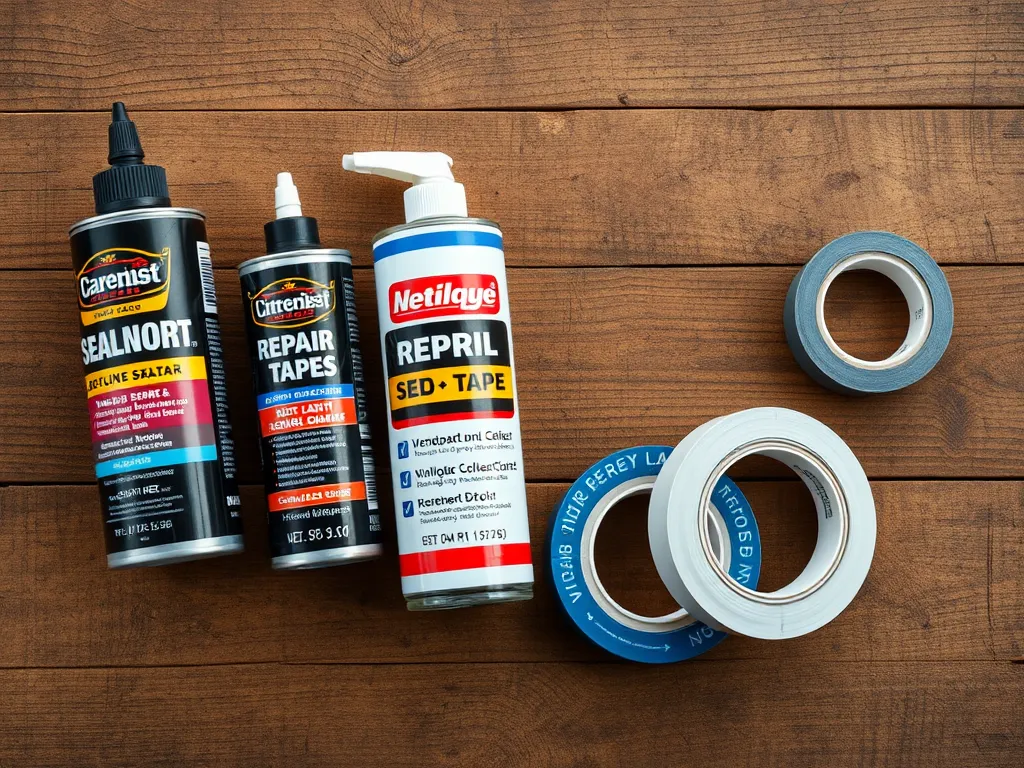
Homeowners and contractors now prioritize sustainability in pavement maintenance. Modern asphalt crack repair products balance environmental responsibility with performance. Two leading options stand out: low-VOC sealants and recycled material solutions.
Low-voc Sealants
Traditional asphalt sealants release volatile organic compounds (VOCs) – harmful chemicals that contribute to air pollution. Low-VOC alternatives contain less than 100 grams per liter of these emissions. Brands like GreenPatch and EcoSeal offer crack fillers meeting EPA standards while maintaining adhesion strength. These water-based formulas:
- Reduce respiratory risks during application
- Meet LEED certification requirements for green projects
- Dry faster than petroleum-based counterparts (30-45 minutes vs. 2+ hours)
For hairline cracks under 1/4″, low-VOC acrylic emulsions provide precise application with brush-on tools. Larger fissures up to 1″ can use silicone-polymer blends that flex with temperature swings from -20°F to 120°F.
Recycled Material Products
Recycled asphalt pavement (RAP) mixes now dominate 95% of U.S. road projects. For crack repairs, products like RePlay Crack Filler incorporate 30-40% post-consumer asphalt content. This closed-loop process:
- Diverts 1.2 tons of waste per 100 sq ft of repaired cracks
- Cuts material costs by 18-22% compared to virgin asphalt
- Matches conventional fillers in durability (5-7 year lifespan)
Cold-applied RAP compounds work best for block cracks up to 3/4″ wide. For driveways with alligator cracking, recycled rubber-modified asphalt binds fractured areas while allowing 300% stretch capacity.
Choosing green asphalt crack repair products requires weighing cure times against environmental benefits. New bio-based sealants and high-RAP content fillers now rival traditional options in both price and performance. Next, we’ll clarify frequent concerns about product selection and application techniques.
Frequently Asked Questions
What is the Best Way to Fill Asphalt Cracks?
The best way to fill asphalt cracks depends on the size of the crack. For hairline cracks, using a liquid sealant is effective, while wider cracks may require rubberized asphalt sealants or patches. Always clean the cracks thoroughly before applying the filler for best results.
Can You Put New Asphalt Over Old Cracked Asphalt?
Yes, you can put new asphalt over old cracked asphalt, but it is essential to repair the existing cracks first. If the cracks are not addressed, the new layer may not adhere correctly and could develop issues sooner than expected. It’s recommended to properly clean and fill cracks before resurfacing.
Can I Repair Asphalt Myself?
Yes, many asphalt repairs can be done as DIY projects, especially minor crack filling. However, it’s essential to follow proper techniques and use the right materials for your specific crack size and type. Ensure you have the necessary tools and safety equipment before starting your project.
How Often Should Asphalt Be Sealed?
Asphalt should generally be sealed every 2-3 years, depending on climate, traffic, and the overall condition of the surface. Regular sealing helps protect against wear and damage from water, UV rays, and extreme temperatures.
What Are the Signs That Asphalt Needs Repair?
Signs that asphalt needs repair include visible cracks, potholes, fading color, and areas that show signs of pooling water. Additionally, if you notice sections that feel uneven or have changed in texture, it may indicate that repair is needed.
Are There Eco-friendly Asphalt Repair Options Available?
Yes, there are eco-friendly asphalt repair options available, including low-VOC sealants and products made from recycled materials. These options help reduce environmental impact while maintaining effective performance in repairs.
What is the Average Cost Of Asphalt Crack Repair?
The average cost of asphalt crack repair typically ranges from $0.30 to $2.50 per linear foot, depending on the type of product used and the severity of the cracks. Cold pour fillers tend to be less expensive than hot rubberized sealants.
Closing Thoughts
Repairing asphalt cracks promptly is key to maintaining the integrity of your surface. As discussed, selecting the right product, whether it’s a cold pour filler or a hot rubberized sealant, can significantly impact the longevity of your repairs. Regular maintenance not only extends the life of your driveway but also prevents costly future replacements.
Stay informed on the latest asphalt repair techniques and products by visiting Asphalt Calculator USA. We provide resources to help you choose the best solutions tailored to your needs.

