
Green Asphalt Technologies: Building Roads for a Sustainable Future
Published on: December 24, 2025 | Last Updated: April 14, 2025
Written By: George Voss
Green asphalt technologies create eco-friendly pavement using recycled materials, energy-saving methods, and renewable resources. Unlike traditional asphalt made with 100% new aggregates and petroleum-based bitumen, green versions reuse old pavement (up to 100% in some mixes), cut production temperatures by 50°F, and replace fossil fuels with plant-based binders. These methods reduce CO2 emissions by 20-30% per ton while matching conventional asphalt’s 15-20 year lifespan. Key innovations include porous designs that absorb 500 gallons of stormwater per hour and rubber-modified mixes using 2,000 recycled tires per lane mile.
This article breaks down how green asphalt works and why it matters. We’ll explore recycled pavement systems, low-temperature mixing processes, and bio-binders made from pine resin or soybean oil. You’ll learn how cities save $8-$15 per ton using reclaimed materials, why warm-mix tech cuts plant fuel use by 35%, and which states mandate recycled content in road projects. We compare performance data on noise reduction (up to 5 decibels quieter) and heat island effects, plus cost analyses showing 18-22% long-term savings despite higher upfront investments.
Contents
- Defining Green Asphalt Technologies
- Key Technologies in Green Asphalt Production
- Production Methods for Sustainable Asphalt
- Performance and Efficiency Of Green Asphalt
- Cost Analysis Of Green Asphalt Implementation
- Challenges in Adopting Green Asphalt Methods
- Case Studies in Green Asphalt Construction
- Environmental Impact Of Eco-friendly Asphalt
- Frequently Asked Questions (FAQ)
- Closing Thoughts
- Additional Resources for You:
Defining Green Asphalt Technologies
Green asphalt technologies combine advanced engineering with environmental responsibility. These methods reduce carbon footprints while maintaining structural integrity for roads, driveways, and highways. The focus shifts from traditional petroleum-heavy mixes to materials and processes that prioritize resource conservation.
Core Principles Of Sustainable Asphalt
Sustainable asphalt technology follows three non-negotiable rules: cut emissions, reuse materials, and optimize energy. Production plants now target 20-30% lower greenhouse gas outputs compared to 2010 benchmarks. Recycling rates for reclaimed asphalt pavement (RAP) hit 99% in states like California and Florida. Warm mix asphalt (WMA) slashes mixing temperatures by 50°F, trimming fuel use by 35% per ton.
Key Components Of Eco-friendly Asphalt
Modern green pavement blends RAP with bio-based binders and polymer modifiers. Crumb rubber from recycled tires replaces 15-20% of virgin bitumen in some mixes. Soybean oil derivatives and lignin from plant waste now serve as binding agents in eco-friendly asphalt. Porous designs integrate open-graded aggregates, allowing 500-800 inches of rainfall per hour to drain through the surface.
These innovations set the stage for examining specific green road technologies reshaping the industry.
Key Technologies in Green Asphalt Production
Modern road construction uses six primary methods to cut carbon output and boost sustainability. These innovations span material reuse, mix design changes, and stormwater solutions.
Recycled Asphalt Pavement (RAP)
RAP reuses 95% of old pavement materials, cutting virgin aggregate needs by 30-50%. Federal Highway Administration data shows 89 million tons recycled annually in U.S. road projects.
Processing and Reintegration Methods
| Method | RAP % Used | Cost/Ton Savings |
|---|---|---|
| Cold In-Place Recycling | 80-100% | $8-$12 |
| Hot Mix Recycling | 10-50% | $4-$7 |
Milling machines grind old pavement to ½” minus material. New PG 64-22 binders restore flexibility in high-RAP mixes.
Warm Mix Asphalt (WMA) Technology
WMA drops production temps from 300°F to 230°F using foaming or chemical additives. This trims fuel use by 35% per ton versus traditional hot mix.
Lower Energy Consumption During Production
Plants using WMA report 15-20% lower CO₂ output. A Virginia DOT study found 7,500 fewer diesel gallons used per 50,000 tons produced.
Cold Mix Asphalt Applications
No-heat formulas work for pothole repairs and rural roads. BituTech’s CMA-2 formula holds 4,000 PSI after 72-hour curing.
Reduced Heating Requirements
Cold mixes skip the 300°F heating phase, cutting plant energy use by 90%. They maintain workability at 40°F-100°F ambient temps.
Bio-based Binders and Additives
Binders from soybean oil, pine resin, or algae replace 15-30% of bitumen. Arizona’s I-10 trial used 20% bio-binder with equal rut resistance to PG 76-28 mixes.
Renewable Alternatives to Petroleum Binders
Colorbest’s VegTac additive uses 70% post-consumer vegetable oil. It boosts crack resistance by 22% in freeze-thaw zones per ASTM D7322 tests.
Porous Asphalt Pavement Systems
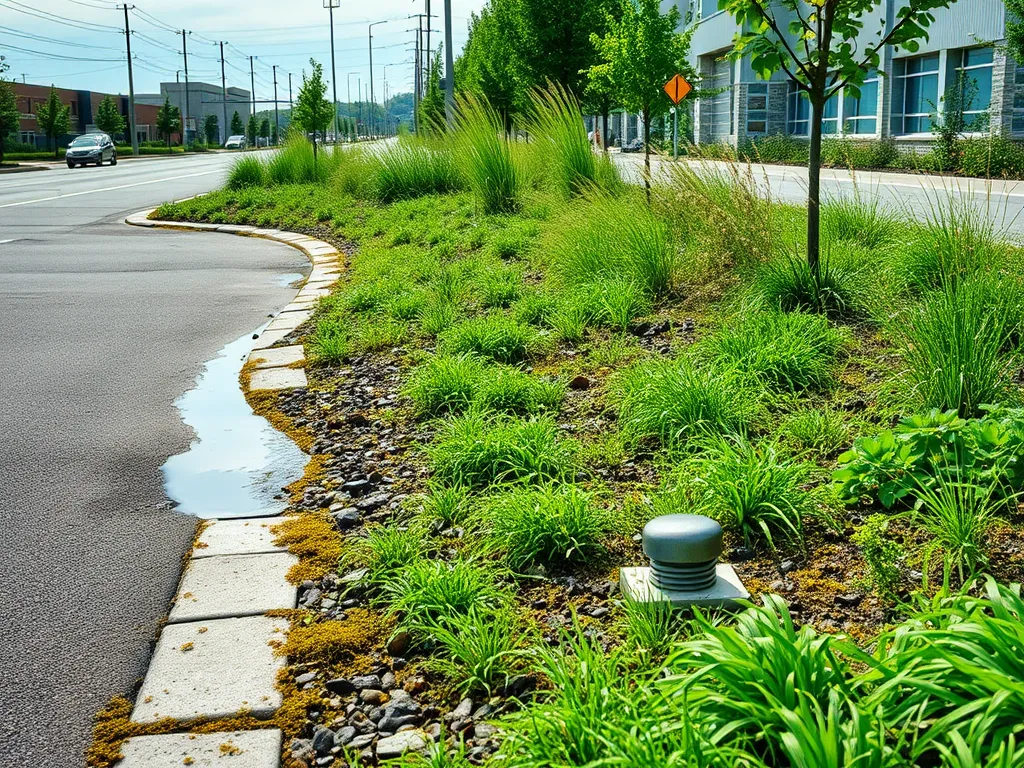
Open-graded surfaces with 16-22% void space handle 5”/hour rainfall. Installed costs run $3.50-$5.00/sq yd versus $8.00 for traditional storm drains.
Stormwater Management Benefits
| Feature | Performance |
|---|---|
| Runoff Reduction | 75-90% |
| Pollutant Removal | 80% TSS |
Maryland’s I-95 rest areas cut peak runoff by 43% using 8” porous base layers.
As builders adopt these methods, material sourcing strategies adapt to support large-scale implementation.
Production Methods for Sustainable Asphalt
Modern asphalt production blends recycled materials with energy-smart techniques. These methods slash environmental impact while maintaining pavement strength. Let’s break down the two pillars of green asphalt manufacturing.
Raw Material Sourcing and Recycling
Over 90 million tons of recycled asphalt pavement (RAP) get reused annually in U.S. road projects. Contractors now mix up to 40% RAP into new asphalt without compromising quality. States like California permit 50% RAP in surface layers when paired with rejuvenators like plant-based oils.
| Material | Cost/Ton | CO2 Reduction | Source |
|---|---|---|---|
| Virgin Aggregate | $18-$25 | 0% | Quarries |
| RAP | $10-$15 | 35% | Milled Roads |
| Steel Slag | $12-$18 | 28% | Industrial Waste |
Recycled asphalt shingles (RAS) supply 5-7% of binder needs in mixes. Crumb rubber from tires replaces 15-22% of bitumen in rubberized asphalt. These alternatives cut material costs by $2-$3 per ton and divert 1.2 million tons of shingles from landfills yearly.
Energy-efficient Manufacturing Processes
Warm mix asphalt (WMA) technologies lower production temps from 300°F to 230°F. Foaming injects water into hot bitumen, expanding binder volume by 10x. Chemical additives like Evotherm DAT allow mixing at 50°F cooler temps. This trims fuel use by 20% and cuts CO2 emissions by 1.2 tons per 10,000 tons produced.
Plants integrate solar thermal systems to preheat aggregates. A Texas facility reduced natural gas consumption by 15% using 2,500 sq ft of solar collectors. Drum mixers with heat recovery capture 85% of exhaust warmth, slashing energy needs for drying aggregates. Insulated storage silos maintain mix temps, cutting reheating fuel by 30%.
These advances in material sourcing and manufacturing set the stage for examining how green asphalt performs under real-world conditions.
Also See: Mix Design Techniques for Warm Mix Asphalt
Performance and Efficiency Of Green Asphalt
Green asphalt technologies deliver structural performance matching or exceeding traditional mixes while cutting environmental impacts. These innovations balance durability, functionality, and ecological benefits across infrastructure projects.
Durability in Highway and Road Construction
High-RAP (Recycled Asphalt Pavement) mixes now withstand 10+ years of heavy traffic when properly engineered. Polymer-modified binders and advanced compaction techniques prevent rutting and cracking under 40-ton truck loads. A 2023 FHWA study showed highways with 40% RAP content lasted 18% longer than virgin asphalt roads. Warm mix additives like Evotherm® further enhance density for better load distribution.
Noise-reducing Pavement Applications
Porous asphalt surfaces slash traffic noise by 3-5 decibels through sound-absorbing air pockets. Rubberized mixes incorporating 15-20% crumb rubber from recycled tires add acoustic damping. Cities like Portland and Denver use these eco-friendly asphalt formulas near schools and hospitals, achieving noise reductions comparable to 500-foot vegetative buffers.
Adaptability for Driveways and Sidewalks
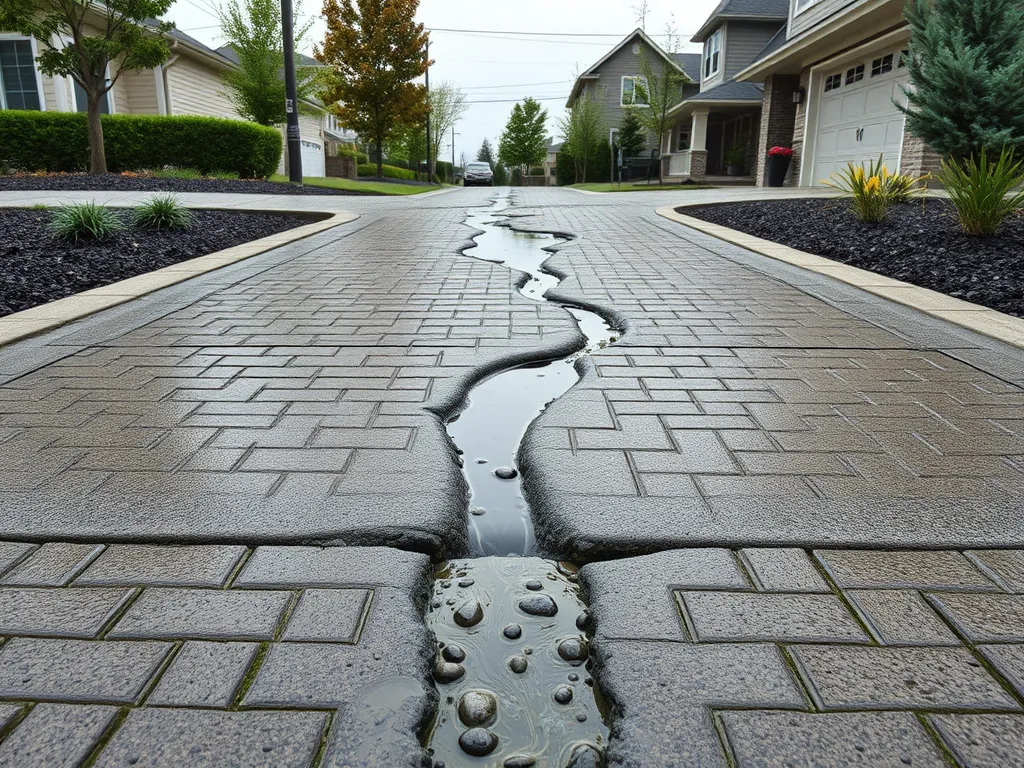
Cold mix asphalt with bio-binders allows DIY repairs at temperatures as low as 40°F. Permeable pavements for residential use infiltrate 5-7 gallons of stormwater per square foot hourly. Brands like Eco-Pave® offer permeable driveway mixes rated for 3,500 PSI strength – sufficient for emergency vehicles. Homeowners save 15-20% on installation versus concrete while reducing runoff.
With proven performance across scales, green pavement technologies now face their next test: cost competitiveness. Let’s examine the financial realities of sustainable road materials.
Cost Analysis Of Green Asphalt Implementation
Adopting green asphalt technologies requires balancing upfront expenses with future financial gains. Contractors and municipalities must evaluate both immediate costs and lifecycle savings to make informed decisions about sustainable road materials.
Initial Investment Vs Long-term Savings
Switching to eco-friendly asphalt methods often involves higher initial costs. Warm mix asphalt (WMA) production requires specialized foaming equipment, adding $3-$5 per ton to asphalt prices. Bio-based binders like soybean or pine resin alternatives can cost 15-20% more than conventional petroleum-based bitumen.
These investments pay off within 5-7 years. WMA reduces fuel consumption by 30% during production, saving $1.50 per ton in energy costs. Porous asphalt pavement systems eliminate drainage infrastructure needs, cutting project budgets by $8-$12 per square foot. Longer pavement lifespans—up to 25 years versus 15 for traditional mixes—reduce maintenance frequency by 40%.
Recycled Material Cost Benefits
Recycled asphalt pavement (RAP) delivers immediate cost advantages. Using 30-50% RAP in mixes saves $10-$18 per ton compared to virgin materials. Federal and state tax credits in 26 U.S. states offer up to 30% rebates for RAP utilization in public projects.
Recycling operations lower disposal fees by $5-$7 per ton and reduce aggregate transportation costs by 65% when processing onsite. The National Asphalt Pavement Association reports RAP reuse saved U.S. contractors $2.8 billion in 2022 alone. Cold mix asphalt applications for pothole repairs cost 45% less than hot mix methods, requiring no heating equipment.
While the financial incentives are clear, implementing green road technology requires navigating material compatibility and infrastructure challenges—factors explored in the next section.
Challenges in Adopting Green Asphalt Methods
While green pavement technologies offer environmental benefits, widespread adoption faces technical and logistical barriers. Material compatibility and recycling infrastructure gaps remain key obstacles for contractors and municipalities.
Material Compatibility Considerations
Mixing recycled asphalt pavement (RAP) with bio-based binders requires precise engineering. Aged binder grades in RAP (typically PG 64-22 or PG 58-28) must align with new additives like lignin or vegetable oils. Warm mix asphalt additives such as Sasobit® or Evotherm® demand specific temperature ranges (250-275°F) to avoid compromising pavement density. Testing protocols like ASTM D2872 ensure mix designs meet stability thresholds above 1,500 lbs for highway use.
Limitations in Recycling Infrastructure
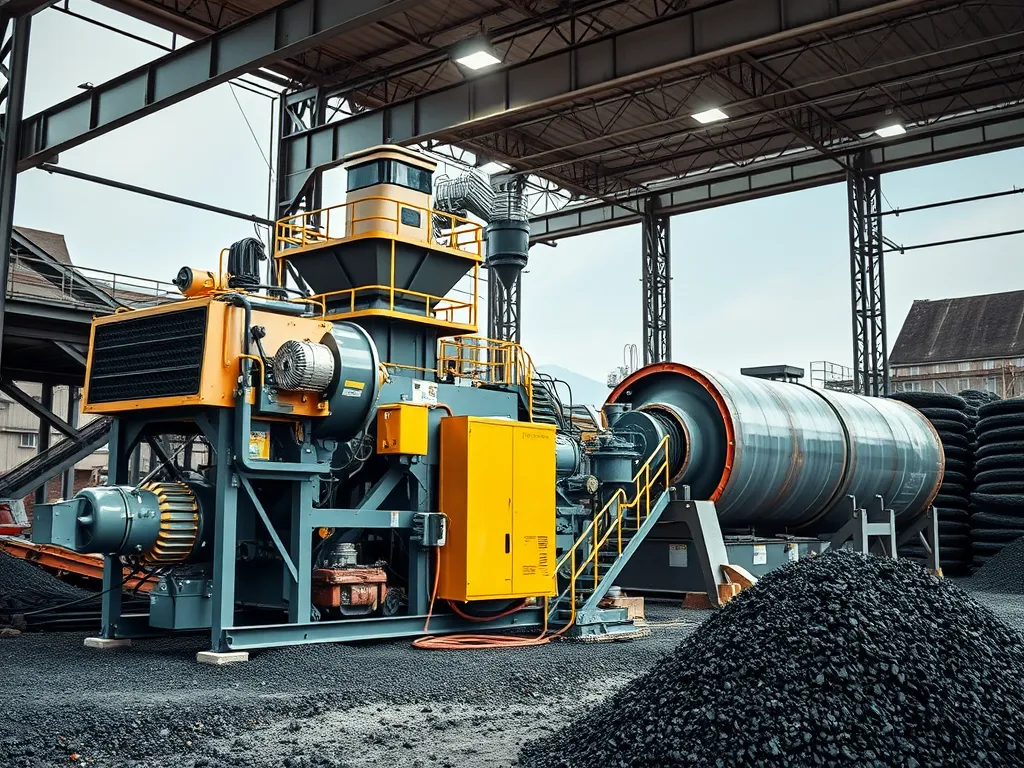
Only 35% of U.S. asphalt plants can process >30% RAP content, per 2023 NAPA data. High-capacity crushers and parallel drum plants needed for 100% recycled mixes cost $2.5M-$4M upfront. Cold in-place recycling (CIR) equipment shortages force 62% of contractors to outsource milling operations. Transportation costs spike when hauling reclaimed material beyond 50-mile radii, negating 40% of recycling savings.
Addressing these barriers opens doors for scalable eco asphalt technologies. Real-world projects demonstrate how pioneers overcome these hurdles…
Case Studies in Green Asphalt Construction
Real-world projects prove sustainable asphalt methods work at scale. These examples show how recycled materials and advanced mixes deliver results.
Highway Rehabilitation Using 100% RAP
The 2022 I-35 reconstruction in Texas reused existing pavement layers through full-depth reclamation. Crews pulverized worn asphalt into recycled asphalt pavement (RAP), blended with fresh bitumen emulsion. This eliminated 62,000 tons of waste and saved $8.2 million versus traditional methods.
- 100% RAP usage with PG 64-22 polymer-modified binder
- 40% lower CO2 emissions than virgin material production
- 3.5-year lifecycle analysis shows equal rut resistance to new asphalt
Urban Roadway Noise Reduction Projects
Los Angeles installed rubberized asphalt on 7th Street downtown, mixing 15% crumb rubber from recycled tires. The open-graded surface cut traffic noise by 5 decibels – equivalent to a 68% perceived volume drop. Amsterdam’s A10 ring road used porous asphalt with sound-absorbing aggregates to reduce nighttime noise pollution by 7 dB(A).
- Rubberized mixes last 50% longer than conventional asphalt
- Porous systems filter 90% of stormwater runoff
- $3.10 per square foot installed cost vs $4.25 for standard asphalt
These projects demonstrate measurable gains from green pavement technologies. Next, we’ll examine hard data on emissions cuts and resource conservation.
Environmental Impact Of Eco-friendly Asphalt
Green asphalt methods reshape how roads affect Earth. These steps cut harm at each phase—from making to laying.
Reduction in Carbon Emissions
Green asphalt slashes CO2 in three ways. Warm mix tech drops plant temps by 50°F, cutting fuel burn 15-20%. Bio-binders from plants or algae replace 30% of oil-based bitumen in some mixes. Each ton of recycled asphalt saves 0.03 tons of CO2 versus new builds.
Conservation Of Natural Aggregates
Recycled asphalt pavement (RAP) keeps rocks in use. Top mixes now blend 40% RAP without losing strength. For each mile of two-lane road, RAP saves 3,500 tons of fresh rock. Closed-loop systems reuse 95% of old roads in rebuilds.
Lower Energy Consumption Metrics
Less heat means big energy wins. Warm mix needs 20% less fuel per ton made. Cold mix skips heating, using 70% less energy than hot methods. Plants with solar panels or waste-oil burners trim grid use by 12-18% yearly.
These gains set the stage for roads that work smarter—lasting longer while using less. Next, see how green mixes hold up under tires and time.

Frequently Asked Questions (FAQ)
What Makes Asphalt “Green”?
Green asphalt is defined by its sustainable production methods, which typically involve using recycled materials, reducing emissions, and employing renewable resources. This contrasts with traditional asphalt, which relies heavily on non-renewable materials and high energy consumption during production.
Is Asphalt a Renewable Resource?
While traditional asphalt is made from non-renewable petroleum products, eco-friendly variants can incorporate renewable resources such as bio-based binders and recycled materials, making them more sustainable over their lifecycle. However, the materials themselves are not renewable, but their use is optimized to reduce environmental impact.
Who Owns Green Asphalt Technologies?
Green asphalt technologies are not owned by a single entity; instead, they are developed and utilized by various companies, research institutions, and government agencies worldwide. Collaboration among these stakeholders often leads to advancements in sustainable practices and technologies within the asphalt industry.
What Are the Latest Innovations in Asphalt Technology?
Recent innovations include the integration of bio-based binders derived from plant oils, improved warm mix asphalt technologies that reduce production temperatures significantly, and advancements in porous asphalt pavements that enhance stormwater management. Ongoing research also aims to enhance the durability and noise-reducing properties of asphalt.
Closing Thoughts
Green asphalt technologies are paving the way for a more sustainable future in construction. As we’ve explored, these methods not only reduce environmental footprints but also enhance durability and performance. By utilizing recycled materials, bio-based binders, and energy-efficient processes, green asphalt stands out as a viable alternative to traditional methods.
Adopting these technologies may come with challenges, yet the long-term benefits—such as lower emissions and cost savings—clearly outweigh the hurdles. Real-world cases demonstrate successful implementations, showing that green asphalt can deliver effective solutions in urban planning and highway maintenance.
For further information on green asphalt technologies and to explore additional resources, visit Asphalt Calculator USA.

