Grading Vs Rolling: What’s the Real Difference in Asphalt Work?
Published on: December 25, 2025 | Last Updated: April 14, 2025
Written By: George Voss
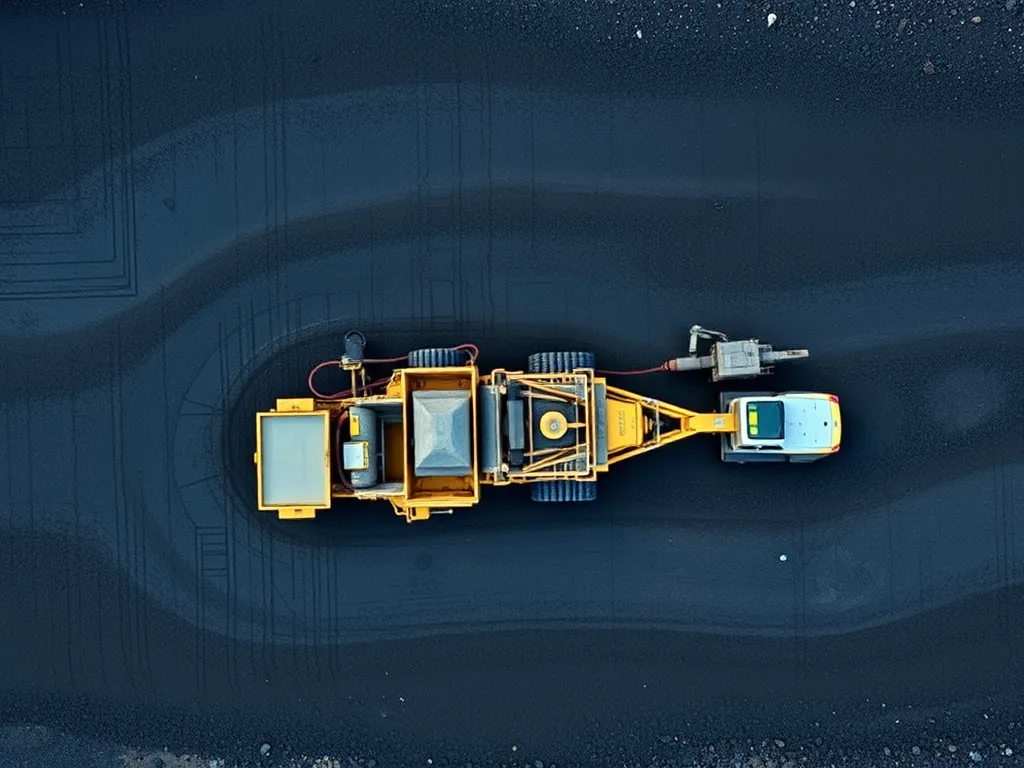
Grading and rolling are two distinct steps in asphalt construction. Grading shapes the ground before paving, creating a stable base. Rolling compacts asphalt layers after placement, ensuring density. While both prepare surfaces, grading focuses on slope and drainage, while rolling targets air voids and smoothness. They require different machinery: motor graders for grading, steel-wheel rollers for compaction.
This article breaks down grading versus rolling in asphalt projects. Learn how each step impacts pavement performance. Compare equipment like motor graders versus pneumatic rollers. Explore best practices for subgrade preparation and compaction. Get insights into environmental considerations and common FAQs about these processes.
Contents
- Understanding Grading and Rolling in Asphalt Construction
- Key Differences Between Grading and Rolling
- Advantages and Weak Points Of Grading Vs Rolling
- When to Use Grading Vs Rolling in Asphalt Work
- Tools and Gear for Grading and Rolling
- Environmental Impact Of Grading and Rolling
- FAQs: Grading Vs Rolling in Asphalt
- Closing Thoughts
- Useful References for You:
Understanding Grading and Rolling in Asphalt Construction
Grading and rolling shape strong asphalt jobs. Both steps prep the base and pack layers. But their goals, tools, and timing differ. Let’s break down each step.
What is Grading in Asphalt Prep?
Grading molds the soil layer (subgrade) under asphalt. It sets the stage for a flat, stable base. Think of it as carving the ground to guide water flow and bear weight.
Purpose of Grading for Asphalt Surfaces
Grading stops pools and cracks. It slopes the ground 1-2% to drain rain. A firm subgrade also cuts rut risk. Poor grading leads to soft spots that crack under loads over 8,000 lbs per axle.
Types of Grading Steps for Subgrade Stability
Cut-fill grading moves soil from high spots to low zones. Finish grading smooths the top layer with laser-guided blades. For weak soil, lime or cement mix-in grading adds strength. Each method aims for ±0.1 inch level checks.
What is Rolling in Asphalt Compaction?
Rolling packs hot asphalt mix into a tight, even sheet. It squeezes air gaps down to 3-5%, locking stones and bitumen glue (asphalt binder) together. Skip this step, and roads crumble fast.
Role of Rolling in Asphalt Density and Durability
Rollers hit 92-98% density targets per Superpave specs. Dense asphalt resists water, freeze-thaw cycles, and truck wear. Under-rolled mix loses 40% strength if voids top 7%.
Types of Rollers Used in Asphalt Compaction
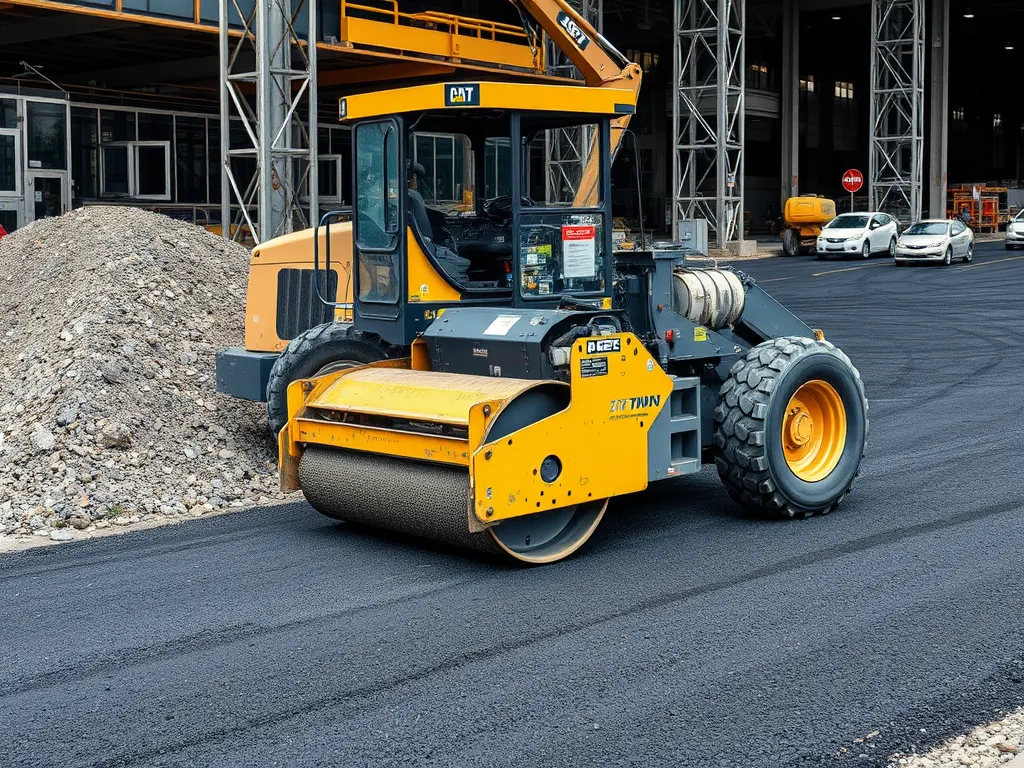
Steel-wheel rollers (10-12 tons) press mix while hot. Pneumatic rollers (rubber tires) seal the top. Vibratory rollers add shakes for deep packing. Pick the roller based on layer depth – steel for 3-inch lifts, pneumatic for 2-inch wear courses.
Grading sets the base, rolling locks the surface. Next, we’ll pit these steps side by side to spot key contrasts in gear, timing, and goals.
Key Differences Between Grading and Rolling
Grading and rolling serve distinct purposes in asphalt projects. These processes use different methods, equipment, and timing to achieve optimal results.
Grading Vs Rolling: Process Objectives
Grading shapes the subgrade to precise elevations and slopes. It ensures proper drainage and creates a stable base for asphalt layers. Operators aim for ±0.1-inch accuracy using laser-guided systems. Rolling compacts asphalt mixes to 92-98% density (per ASTM D1557 standards). It eliminates air pockets and binds aggregates with bitumen for load-bearing surfaces.
Equipment Variations: Graders Vs Rollers
Motor graders with 12-16ft blades level soil and aggregate bases. Advanced models feature GPS for slope adjustments down to 0.5% grades. Rollers use static weight (8-25 tons) or vibration (1,500-3,500 VPM) to compress materials. Steel-wheel rollers create 95% density on hot-mix asphalt, while pneumatic rollers handle thicker layers without surface cracking.
Stage-specific Roles in Asphalt Installation
Grading occurs first during site preparation. Crews adjust cross slopes (2-5% typical) to prevent water pooling under pavement. Rolling happens after asphalt placement in three phases: breakdown (initial compaction), intermediate (density refinement), and finish rolling (surface smoothing). Poor grading causes uneven rolling, leading to premature rutting or potholes.
These distinct roles show why grading and rolling require separate expertise. Up next: how each process affects project costs and pavement lifespan.
Advantages and Weak Points Of Grading Vs Rolling
Benefits Of Proper Grading for Asphalt Longevity
Good grading sets a strong base for roads. It shapes the ground to direct water flow off the asphalt. This stops puddles that crack pavement in freeze-thaw cycles. A 2% slope is key for drainage. Firms like Asphalt Institute note poor grading cuts road life by 40%.
Challenges Of Inadequate Subgrade Grading
Bad grading leads to dips, bumps, or soft spots. These flaws cause potholes, cracks, and sinkholes. Frost heave lifts slabs in cold zones. Fixing these costs $8-$12 per sq.ft. – 3x more than proper grading.
Advantages Of Effective Rolling for Surface Integrity
Rolling packs hot asphalt mix tight. Steel-wheel rollers hit 92-98% density (per Superpave specs). This seals air gaps under 8%, blocking water harm. Smooth rolling stops voids that let oil or gas eat the binder.
Limitations Of Improper Compaction
Weak rolling leaves air pockets. These lead to raveling (loose stones), rutting (tire tracks), and early wear. Roads may fail in 5-7 years vs 15-20 with full compaction. Thin-lift rolling under 1.5″ depth risks surface tears.
Grading and rolling each have their own role. But when should you use one over the other? Let’s break down the best times for each step.
Also See: Long-term Effects Of Neglecting Driveway Maintenance
When to Use Grading Vs Rolling in Asphalt Work
Grading and rolling serve distinct purposes at different asphalt project stages. Knowing when to apply each ensures structural integrity, drainage efficiency, and surface performance.
Grading During Site Preparation
Grading occurs first. It shapes the land before asphalt hits the ground. Heavy machinery like motor graders sculpt soil to create slopes (typically 1-2%) directing water away from pavement. Proper grading prevents pooling, frost heave, and base layer failures. Without precise slopes, asphalt develops cracks within months under traffic loads exceeding 10,000 pounds per tire.
Subgrade stability demands grading accuracy within ±0.1 feet elevation. Laser-guided systems fine-tune surfaces to meet engineering specs. Skipping this step risks uneven settling—costing $3-$5 per square foot in repairs. Grading vs rolling differences start here: one builds the foundation, the other seals it.
Rolling During Asphalt Layering and Compaction
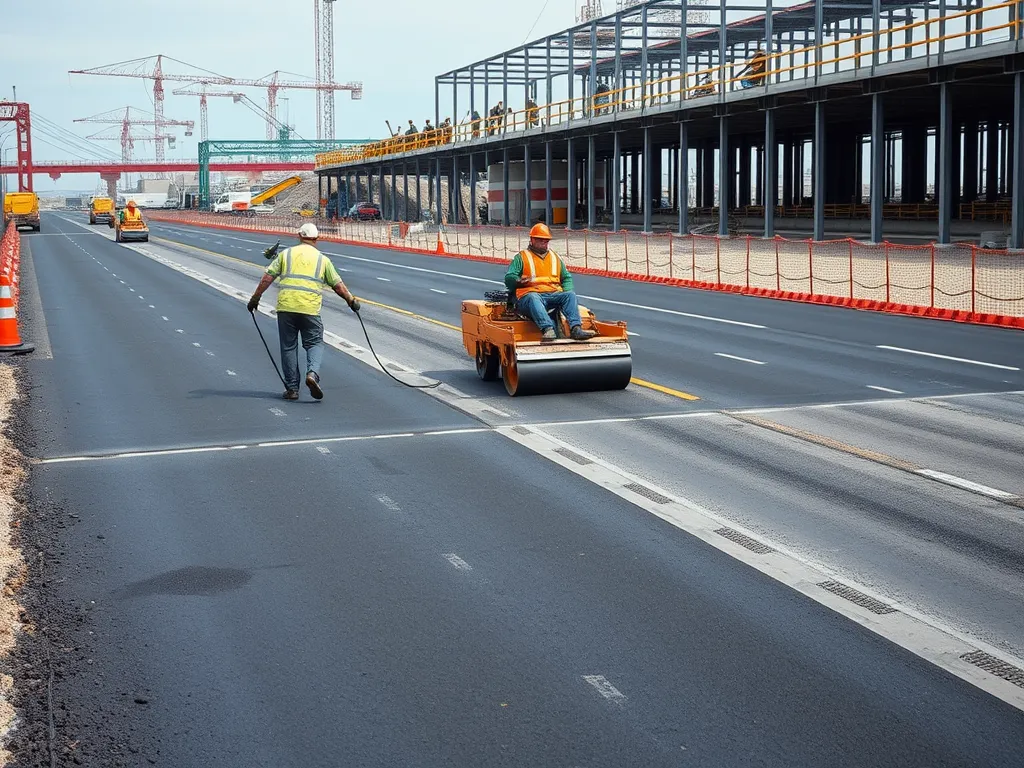
Rolling starts after asphalt placement. It compacts hot mix asphalt (HMA) layers to 92-96% density, squeezing out air voids. Pneumatic rollers (8-10 wheels) first knead the mat, followed by steel drums applying 8-12 tons of force. Final passes create smoothness within 1/8-inch tolerance per 10 feet.
Each 1% drop in density cuts pavement life by 10%. Yet rolling can’t fix poor grading—uneven bases lead to thin spots under compaction. Think of grading and rolling as a tag team: grading sets the stage, rolling locks performance in place.
Selecting the right tools for each phase impacts project success. Let’s break down the machinery that makes grading vs rolling effective.
Tools and Gear for Grading and Rolling
The right tools make grading and rolling work. Each step needs strong gear to shape and pack the ground. Let’s break down what each task uses.
Key Gear for Grading
Grading needs machines that move dirt, level soil, and fix slopes. Three main types handle these jobs.
Motor Graders, Bulldozers, and Diggers
Motor graders slice soil with a 12-16 ft blade. They fix road crowns and ditch lines. Bulldozers push 5-20 tons of dirt per pass. Their wide tracks stop sinking in soft spots. Diggers (like 30-ton excavators) reach 20 ft down to lift rocks or dig trenches.
Top Gear for Rolling
Rolling packs layers tight. The gear used depends on the mix type and layer depth.
Steel-Wheel and Air-Filled Rollers
Steel-wheel rollers weigh 10-20 tons. Their smooth drums press hot mix at 150°F. Air-filled rollers have 7-11 tires. They knead cold mix at 50 psi to seal gaps. Both reach 95% density if run at 3-5 mph.
Pick the right tools, and the job flows. But gear choice impacts more than speed. Next, we’ll show how grading and rolling change the land and sky.
Environmental Impact Of Grading and Rolling
Both grading and rolling influence sustainability in asphalt projects. Their environmental effects range from soil management to fuel emissions – key factors for eco-conscious contractors.
Soil Erosion Control in Grading
Precise grading cuts soil erosion by 60-80% through slope management. Laser-guided graders create 0.1% precision drainage slopes, directing rainwater away from exposed earth. Contractors use silt fences and hydroseeding alongside grading to stabilize soil. A poorly graded site can lose 5-10 tons of topsoil per acre annually during storms.
Reducing Emissions During Rolling
Modern asphalt rollers slash emissions with Tier 4 diesel engines cutting particulate matter by 90%. Pneumatic rollers running at 8-10 km/h achieve 92% density with 15% less fuel than older models. Temperature monitoring during rolling prevents extra passes – each unnecessary compaction cycle adds 2.1 kg of CO2 per ton of asphalt.
Balancing these practices ensures projects meet EPA stormwater regulations while maintaining pavement quality. Let’s examine how equipment choices further shape grading and rolling outcomes.
FAQs: Grading Vs Rolling in Asphalt
Is Rolling Necessary After Grading in Asphalt Projects?
Yes, rolling is essential after grading to ensure that the asphalt is compacted properly. While grading lays the foundation, rolling helps achieve the required density, locking the asphalt layers together and preventing premature deterioration.
What Does “Rolled” Mean in Asphalt Compaction?
“Rolled” in the context of asphalt compaction refers to the process of using rollers to compact the asphalt mixture after it is laid down. This helps reduce air voids, enhance bonding between the aggregates, and improve the overall structural integrity of the pavement.
What Are the Two Types Of Grading in Asphalt?
The two primary types of grading in asphalt are cut-and-fill grading and finish grading. Cut-and-fill grading involves removing soil from higher areas and using it to fill lower sections. Finish grading focuses on smoothing and shaping the surface to ensure it meets design specifications.
How Does Grading Affect Asphalt Performance?
Grading significantly impacts asphalt performance by establishing a solid subgrade that facilitates proper drainage and load distribution. Poor grading can lead to uneven surfaces, resulting in cracks, ruts, and reduced pavement lifespan.
Can Rolling Compensate for Poor Grading?
No, rolling cannot compensate for poor grading. If the grading is not done correctly, rolling may not achieve the desired density or smoothness, leading to further deficiencies in the pavement’s performance. Proper grading is crucial for ensuring the effectiveness of the rolling process.
Closing Thoughts
In the realm of asphalt construction, grading and rolling play distinct yet complementary roles. Grading prepares the subgrade by establishing a solid foundation, ensuring stability and drainage. Rolling, on the other hand, compacts asphalt layers, enhancing density and longevity. Understanding their differences helps streamline projects and maximize surface quality.
Choosing the right method at each stage is vital for successful installation. Effective grading can prevent issues like uneven surfaces and premature wear, while thorough rolling ensures durability against traffic and weather. Proper execution leads to long-lasting asphalt surfaces that meet performance standards.
For more in-depth information on asphalt calculations, materials, and construction best practices, visit Asphalt Calculator USA.
Useful References for You:
- Yoder, E. J., & Witczak, M. W. (1975). Principles of Pavement Design (2nd ed.). New York, NY: Wiley.
- Grading vs. Marking: Understanding the Differences in Educational Assessment • Teachers Institute
- Grade (slope) – Wikipedia
- r/gradadmissions on Reddit: What does it actually mean Admission on Rolling basis?
- rolling grades – A Fine Balance