Global Trends in Asphalt Recycling
Published on: December 21, 2025 | Last Updated: April 14, 2025
Written By: George Voss
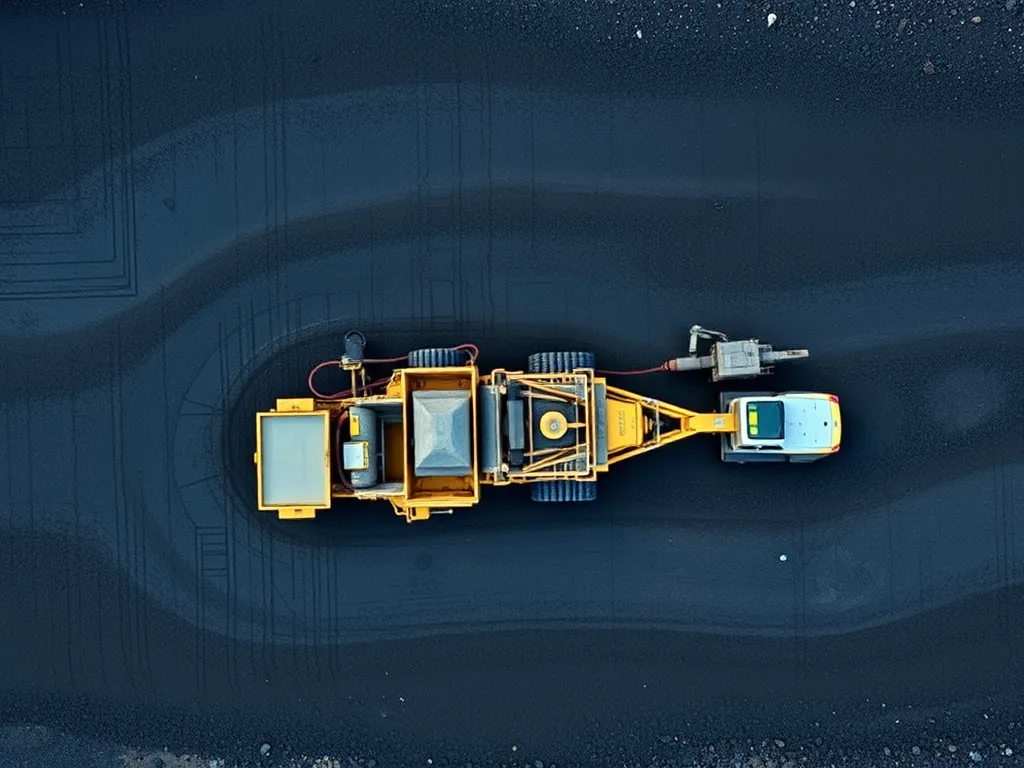
Global trends in asphalt recycling show countries reusing over 90% of reclaimed pavement (RAP) in road projects. This process involves milling old asphalt, mixing it with fresh binders like PG 64-22, and relaying durable surfaces. North America leads with 95% recycling rates using ASTM D4887 standards, while Europe focuses on low-emission techniques. Innovations like infrared heating and optimized RAP processing cut CO2 emissions by 20-30%. The global recycled asphalt market grows at 6.8% CAGR, driven by cost savings up to $12 per ton.
This article explores asphalt recycling worldwide. Learn about hot-in-place methods versus cold mix recycling. Compare North America’s high-volume reuse with Europe’s eco-focused practices. See how Asia balances urban tech with rural manual methods. Discover Africa’s emerging recycling adoption. We break down costs, environmental gains, and answer common questions about recycling rates and methods.
Contents
- Understanding Asphalt Recycling
- Global Asphalt Recycling Technology Trends
- Regional Trends in Asphalt Pavement Recycling
- Economic Factors Driving Asphalt Recycling
- Key Asphalt Recycling Methods and Processes
- Environmental Benefits Of Recycling Asphalt
- Frequently Asked Questions (FAQ)
- Closing Thoughts
- Additional Resources for You:
Understanding Asphalt Recycling
Asphalt re-use turns old roads into new ones. It saves cash, cuts waste, and slashes harm to the earth. This process works for streets, lots, and paths.
What is Asphalt Recycling?
Old asphalt gets ground up, heated, and mixed with fresh rock or glue (bitumen). This makes RAP (Reclaimed Asphalt Pavement), which forms new roads. Methods like HIR (Hot-In-Place) fix roads on-site. Cold mix blends RAP with new glue at low temps.
Importance Of Recycling Asphalt Pavement
Globally, re-used asphalt saves $1.2B yearly in the US alone. It cuts CO2 by 20% vs new builds. Each ton saved keeps 2 tons from dumps. Nations now push rules to hit 50% RAP use in roads.
| Region | Re-use Rate | Cost Cut |
|---|---|---|
| US | 95% | 40% |
| EU | 70% | 35% |
| Japan | 85% | 30% |
This shift eases strain on rock mines and oil wells. Cities gain roads that last 15+ years with half the upkeep.
New tools and laws keep pushing these gains. Let’s see how tech drives this change worldwide.
Global Asphalt Recycling Technology Trends
New tech shapes how the world reuses old roads. From heat methods to smart gear, global asphalt recycling trends push limits on waste cuts and cost savings.
Advances in Asphalt Recycling Techniques
Better ways to reuse old roads now save up to 40% in paving costs. Two methods lead this shift.
Hot-In-Place Recycling (HIR) Methods
HIR heats worn roads to 300°F on site, softening the mix for reuse. This slashes haul fees by 60% vs. full rebuilds. New PG binders let crews add fresh asphalt over recycled layers in one pass. Europe now recycles 25% of roads this way.
Production and Field Recycling of Asphalt Concrete
Plants now blend 30-50% recycled asphalt (RAP) into new mixes. Field recycling uses mobile units to crush and bind old roads on site. Japan’s “Tasuki” method recycles 100% of road waste with zero landfill use.
Emerging Asphalt Recycling Equipment Innovations
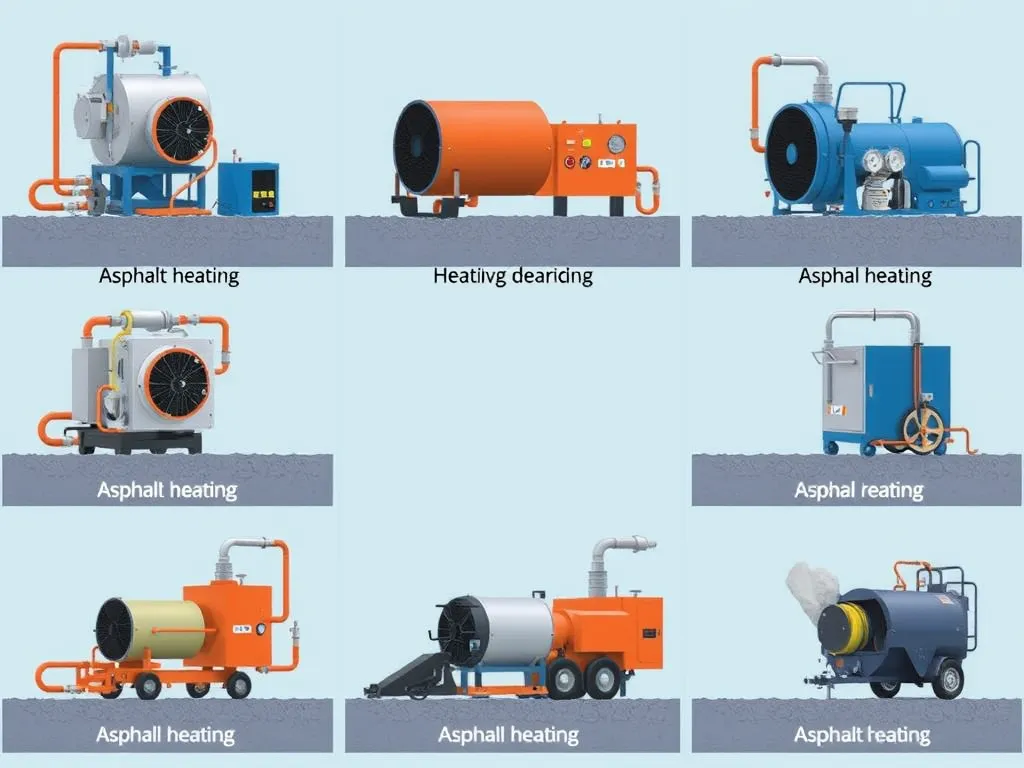
New tools speed up recycling rates. Infrared heaters fix cracks in half the time of old gear. Self-driving reclaimers map road flaws with 2cm accuracy. Canada’s “EcoMelt” trailers cut CO2 by 15 tons per mile vs. standard gear.
These tech leaps set the stage for regional shifts in road reuse. Next, see how nations apply these tools in unique ways.
Regional Trends in Asphalt Pavement Recycling
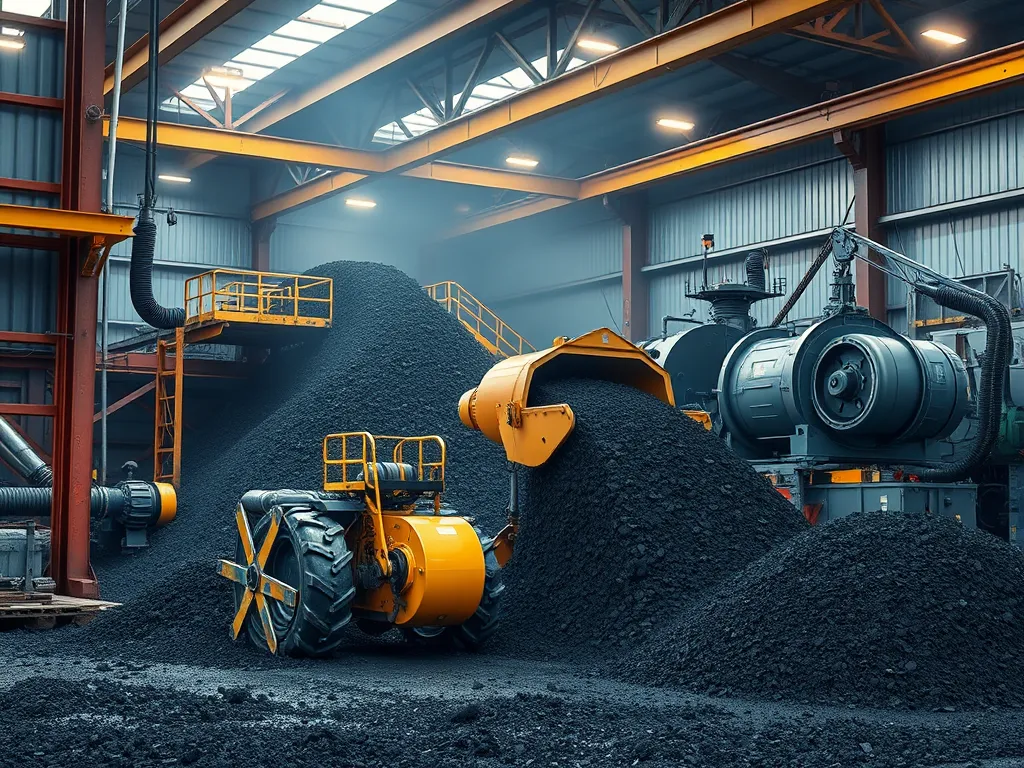
Asphalt recycling practices vary widely across continents. Local regulations, infrastructure demands, and environmental priorities shape how nations reuse this durable material.
North America: High Recycling Rates and Specifications
The U.S. recycles 94% of asphalt pavement annually, per Federal Highway Administration data. Canada matches this with RAP (Reclaimed Asphalt Pavement) use in 85-90% of road projects. Strict specs govern binder performance grades (PG 64-22 to PG 76-22) and RAP inclusion rates up to 40% in Superpave mixes. States like California now allow 100% recycled asphalt in base layers.
Europe: Leading Recovery Rates and Low-emission Practices
EU nations recover 97% of road materials, with Germany and the Netherlands hitting 99%. Cold recycling dominates, slashing CO2 emissions by 50% compared to hot mix. Carbon taxes push innovations like foam-bitumen stabilization. Sweden’s “green asphalt” mandates 30% RAP in all highway projects, cutting virgin aggregate demand by 18 million tons yearly.
Asia: Contrasting Approaches in Urban and Rural Areas
Japan’s urban centers use HIR (Hot-In-Place Recycling) to rehab 70% of highways without lane closures. China’s 2023 Five-Year Plan targets 50% RAP use in city roads by 2025. Rural regions lag: India’s village roads contain just 15-20% recycled content versus 35% nationally. Thailand blends plastic waste with RAP, diverting 4.2 million PET bottles from landfills in 2022.
Africa: Growing Adoption Of Recycling Asphalt Roads
South Africa leads with 60% RAP in national highway overlays, saving $12 per ton versus imports. Kenya’s Nairobi-Mombasa corridor pilot recycled 8.3 miles using cold central-plant methods at 40% cost savings. Challenges persist: Only 12% of sub-Saharan roads contain recycled material, but World Bank-funded projects aim to triple rates by 2030.
These geographic shifts set the stage for examining financial drivers behind pavement recycling’s expansion.
Also See: 5 Key Advantages Of Using Recycled Asphalt
Economic Factors Driving Asphalt Recycling
Global asphalt recycling trends show a direct link between financial incentives and industry growth. Lower material expenses, tax breaks, and landfill diversion fees push contractors toward recycled asphalt pavement (RAP).
Cost-benefit Analysis Of Recycled Asphalt
RAP slashes project budgets by 25-40% compared to virgin materials. A ton of fresh asphalt costs $70-$100, while recycled mix runs $30-$50. Key savings come from:
- Reduced aggregate mining (1 ton of RAP replaces 0.9 tons of new stone)
- Lower bitumen demand (5-30% binder savings via PG-grade optimization)
- Shorter construction timelines (HIR methods cut road closure days by 60%)
The EU’s Circular Economy Package rewards asphalt recyclers with carbon credits worth $12-$18 per ton. U.S. states like California add weight exemptions for RAP hauling, trimming transport fees by 15%.
Impact Of Recycling on Asphalt Production Costs
Modern plants blending 30% RAP report 20% lower energy bills. Hot in-place recycling of asphalt needs 50% less fuel than traditional hot-mix operations. Three factors reshape cost structures:
- Lower heating temps (280°F vs 320°F for virgin mixes)
- Reuse of existing pavement layers (cuts quarrying by 1.8M tons annually in Germany)
- Smaller equipment fleets (1 recycler replaces graders, compactors, and haul trucks)
China’s 2023 asphalt recycling updates show 18% lower road maintenance costs in Beijing using cold milling. South Africa saves $120M yearly by reprocessing 1.2M tons of RAP.
These economic drivers shape how engineers select asphalt recycling methods for new projects. Let’s examine the techniques transforming pavement reuse worldwide.
Key Asphalt Recycling Methods and Processes
Global asphalt recycling trends rely on proven methods to reuse old roads. These processes cut waste, save cash, and meet eco-goals. Let’s break down how it works.
Overview Of Common Asphalt Recycling Techniques
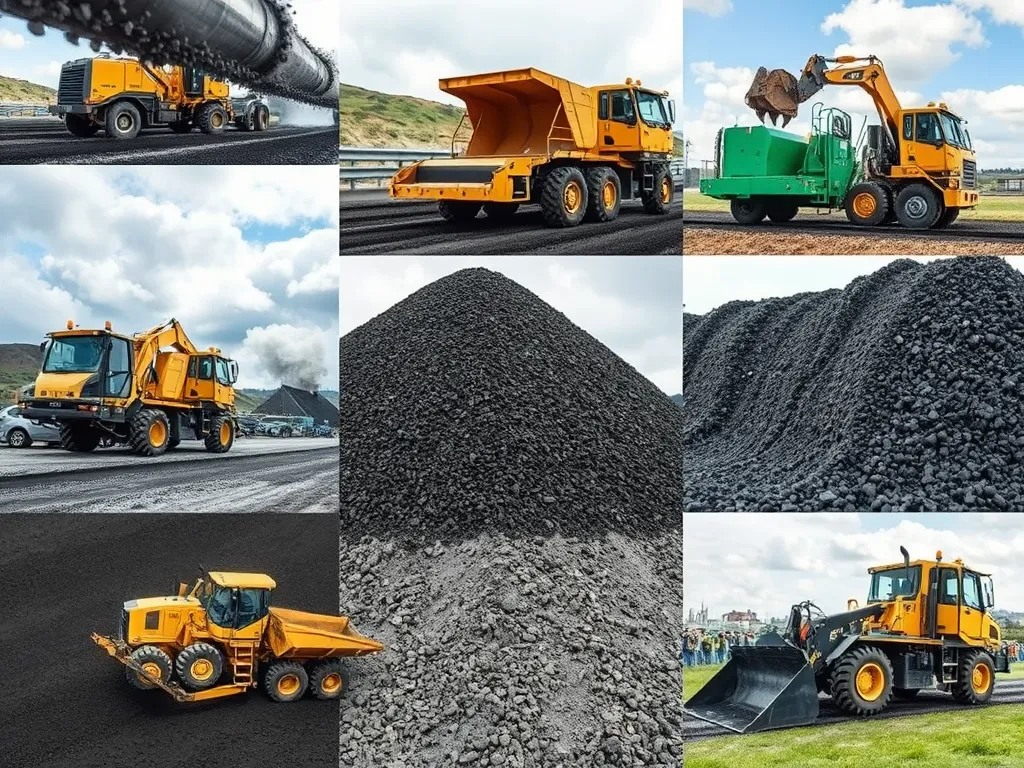
Two main methods dominate: plant-based and onsite recycling. Plant methods grind old pavement into RAP (recycled asphalt pavement). Onsite options like HIR (hot-in-place recycling) reuse materials right on the road. Over 95% of RAP gets reused in new mixes globally.
Hot Mix Recycling vs. Cold Mix Recycling
Hot mix recycling heats RAP to 300°F+ before blending with fresh binder. It handles up to 50% RAP and suits heavy-traffic roads. Cold mix uses emulsifiers to bind RAP at lower temps. It’s cheaper but lasts 7-10 years vs. hot mix’s 15-20.
| Method | RAP Use | Cost per Ton | Best For |
|---|---|---|---|
| Hot Mix | 30-50% | $50-$70 | Highways, airports |
| Cold Mix | 100% | $35-$50 | Rural roads, patches |
Best Practices in Asphalt Pavement Recycling Process
Top firms follow three rules: test RAP first, control temps tightly, and add fresh binder smartly. Europe’s “warm mix” tech cuts heating needs by 50°F, slashing CO2 by 40%. New gear like mobile HIR units now recycle 1 mile of road per day.
In the U.S., Superpave specs ensure recycled mixes last. Japan uses 3D scanners to spot weak zones before recycling. South Africa mixes RAP with plastic waste for stronger rural roads.
As methods evolve, their eco-impact grows clearer. Next, see how these steps slash carbon footprints worldwide.
Environmental Benefits Of Recycling Asphalt
Recycling asphalt cuts harm to the planet while building roads. Global trends push this green step to meet climate goals and save resources.
Reducing Carbon Footprint Through Pavement Recycling
Reusing old asphalt slashes CO2. Heating new mix needs 300°F+ temps. Recycling cuts heat needs by 35%, saving fuel and emissions. A 2023 EPA study found recycled roads lower CO2 by 21% vs virgin asphalt. Europe’s low-emission plants now pair recycling with solar heat, trimming carbon 40% more.
| Method | CO2 Saved per Mile | Cost Drop |
|---|---|---|
| Hot-In-Place | 12 tons | 18% |
| Cold Recycling | 8 tons | 25% |
Sustainable Infrastructure and Material Conservation
Global asphalt reuse saves 50M tons of rock and sand yearly. The U.S. recycles 94% of old roads, per NAPA. Japan blends 50% RAP (reclaimed asphalt pavement) in urban builds. South Africa saves 60% raw bitumen via recycling. This saves cash—$1.2B yearly in U.S. road budgets.
New tech like warm-mix RAP lets plants use 40% recycled content without wear. Closed-loop systems in Germany reuse 99% of road waste. Such steps curb mining, protect habitats, and cut landfill trash by 80M tons a year.
These gains spark questions. How do methods vary? What costs come next? Let’s break down key steps in asphalt recycling.

Frequently Asked Questions (FAQ)
What is the Recycling Rate for Asphalt?
The recycling rate for asphalt can vary by region, but globally, about 90% of reclaimed asphalt pavement (RAP) is reused in various road projects.
What Percentage Of Asphalt Pavement is Recycled?
In many developed regions like North America, the percentage of recycled asphalt pavement can exceed 90%, while Europe is also leading with recovery rates around 97%.
Is Asphalt the Most Recycled Material in the US?
Yes, asphalt is considered the most recycled material in the United States, with recycling rates significantly higher than other materials such as concrete and metals.
How Recyclable is Asphalt?
Asphalt is highly recyclable, with methods available to reuse it multiple times without losing its properties, making it a very sustainable choice for road construction.
What Challenges Exist in Asphalt Recycling?
Despite the many benefits, challenges in asphalt recycling include variability in material quality, lack of infrastructure in some regions, and differences in regional regulations and standards that can limit the use of recycled materials.
How Does Weather Affect Asphalt Recycling?
Weather conditions can impact the efficiency of asphalt recycling processes. Cold temperatures can hinder the effectiveness of hot recycling methods, while excessive heat may affect the quality of the recycled mix.
What Are the Economic Benefits Of Asphalt Recycling?
The economic benefits of asphalt recycling include significant cost savings on materials, reduced transportation costs, and lower energy expenses associated with production, ultimately leading to more budget-friendly road projects.
How Are Innovations in Technology Shaping Asphalt Recycling?
Innovations such as infrared heating, improved mixing techniques, and self-driving recycling equipment are shaping asphalt recycling by enhancing efficiency, reducing emissions, and improving the overall quality of recycled asphalt mixes.
What Regulations Impact Asphalt Recycling Practices Globally?
Various regulations, including environmental standards and potential carbon taxes, impact asphalt recycling practices globally. These laws encourage higher recycling rates and the adoption of low-emission technologies in road construction.
What Future Trends Are Expected in Asphalt Recycling?
Future trends in asphalt recycling may include an increased focus on sustainability, technological advancements that streamline recycling processes, and the development of new materials that enhance the durability and performance of recycled asphalt.
Closing Thoughts
The global landscape of asphalt recycling is evolving rapidly. With advancements in technology and a strong focus on sustainability, countries worldwide are adopting innovative methods to recycle asphalt more effectively. From hot-in-place recycling to effective equipment innovations, these trends reflect a commitment to environmental responsibility and economic efficiency.
Regions like North America and Europe are setting benchmarks with their high recycling rates and low-emission practices. Meanwhile, Asia and Africa are exploring unique approaches to address their specific needs. The economic benefits are clear; recycling asphalt significantly reduces production costs while enhancing the sustainability of infrastructure.
For more insights and comprehensive resources on asphalt recycling, visit Asphalt Calculator USA.
Additional Resources for You:
- The Asphalt Institute. (2007). MS-4: The Asphalt Handbook. Lexington, KY: Asphalt Institute.
- Recycled Asphalt Market Size, Share, Growth, Trends, Demand, Forecast 2030
- Recycled Asphalt Market Players, Size, Share, Report, Value, & Forecast Trends By 2029
- Asphalt Additive Market, Global Industry Size Forecast
- Asphalt Recycling Market Share, Trends, Industry Analysis & Forecast