Global Trends in Asphalt Manufacturing: Industry Analysis and Production Strategies
Published on: December 21, 2025 | Last Updated: April 14, 2025
Written By: George Voss
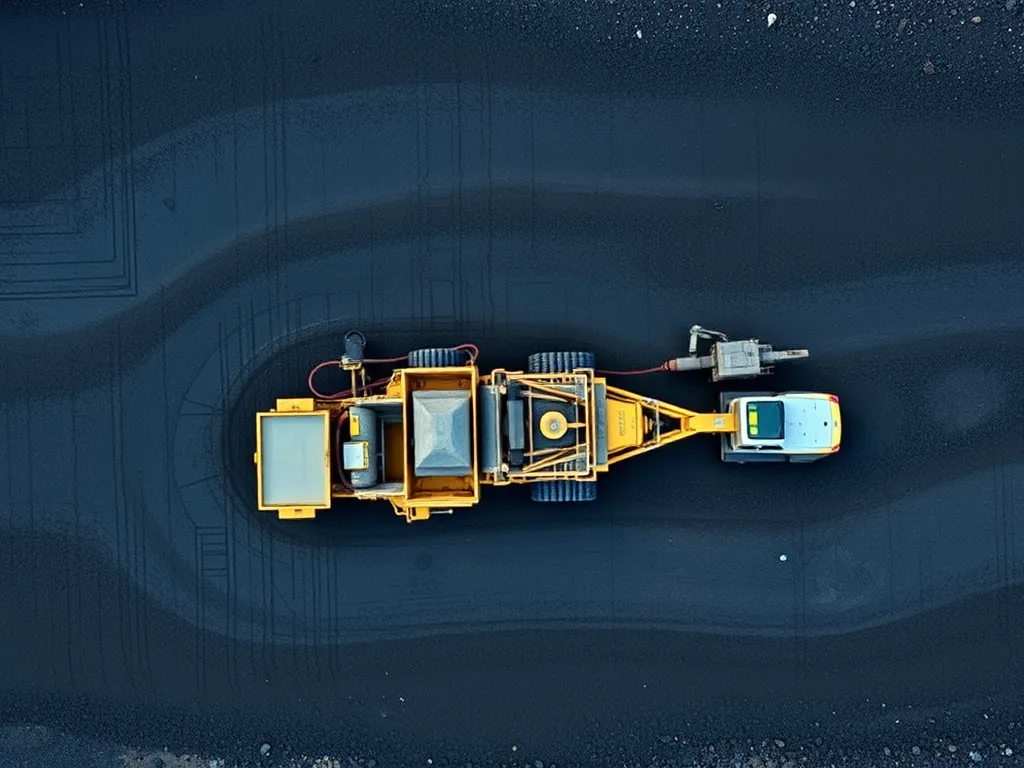
Global trends in asphalt manufacturing blend eco-conscious methods with high-tech systems to meet rising infrastructure needs. The $267 billion industry (projected by 2030) now uses 40% recycled asphalt pavement (RAP) in key markets and warm-mix technologies that slash production temps to 250-275°F. Asia-Pacific dominates new projects with 58% of global demand, while Europe enforces 30% emission cuts through polymer-modified binders and solar-powered plants. Leaders like CRH plc and Nynas AB deploy AI-powered quality control systems that reduce material waste by 18%. Roadblocks include bitumen price swings (+/- $55/ton in 2023) and new EPA rules requiring 50% lower VOC emissions by 2025.
This article breaks down asphalt’s journey from quarry to highway. We compare hot-mix vs warm-mix energy costs, explore IoT sensors that track aggregate moisture within 0.5% accuracy, and detail how graphene additives boost pavement strength by 200%. Discover why Brazil’s asphalt plants now run on 70% biofuels and how India’s PMGSY program drives 12% annual production growth. From automated batch plants to recycled tire rubber mixes, we outline strategies shaping roads worldwide.
Contents
Overview Of Asphalt Manufacturing Processes
Asphalt manufacturing shapes global infrastructure, blending raw materials with advanced engineering. Current global asphalt manufacturing trends prioritize energy efficiency, material innovation, and standardized quality systems.
Core Components Of Asphalt Production
Modern asphalt production techniques rely on two critical elements: aggregates and binders. These components determine pavement durability, skid resistance, and environmental impact.
Aggregate Preparation and Sourcing
Aggregates (crushed stone, sand, gravel) form 90-95% of asphalt mixes. Global asphalt manufacturers now use AI-powered geological mapping to source materials within 50 miles of plants, cutting transport emissions by 18%. Advanced screening systems ensure precise gradation to meet Superpave specifications – a performance-based mix design method adopted worldwide.
Asphalt Binder Production Techniques
Bitumen binders undergo polymer modification (PMB) to withstand extreme temperatures. PG (Performance-Graded) binders now dominate global markets, with PG 76-22 replacing traditional AC-20 in tropical regions. Bio-based binders from soybean oil or pine resin account for 7% of European production, reducing reliance on petroleum.
Modern Asphalt Mixing Methods
Global asphalt production trends show a 40% shift from hot-mix to warm-mix technologies since 2015. This transition lowers plant emissions while maintaining pavement density specifications.
Hot-Mix vs. Warm-Mix Asphalt Processes
- Hot-Mix Asphalt (HMA): Produced at 150-180°C, consumes 18-25 liters of fuel per ton
- Warm-Mix Asphalt (WMA): Made at 100-140°C using foaming agents or organic additives, cuts fuel use by 35%
Germany leads WMA adoption with 62% market share, while US plants blend 15-30% recycled asphalt pavement (RAP) into mixes.
Quality Control in Production
Infrared thermography and AI-based image analysis now monitor 98% of mix homogeneity in Tier-1 global plants. Real-time density sensors adjust roller passes during compaction, achieving 92-96% Marshall density consistently. The EN 13108 series sets global benchmarks for asphalt conformity assessment.
These process innovations set the stage for deeper technological transformations in plant operations. Next, we examine how smart manufacturing systems are redefining production efficiency.
Technological Advancements in Asphalt Production
Global asphalt manufacturing trends now center on tech-driven efficiency. Plants blend cutting-edge machinery with smarter materials to meet rising infrastructure demands while cutting environmental footprints.
Innovative Manufacturing Equipment
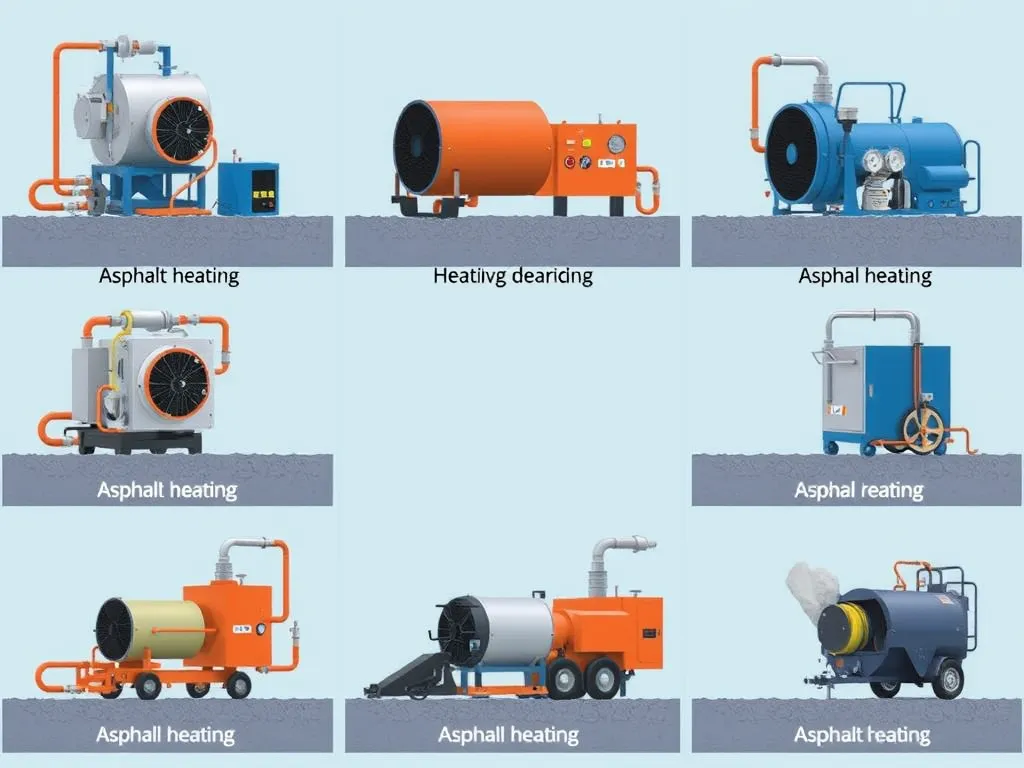
Next-gen asphalt manufacturing equipment reshapes production speeds and precision. From AI-driven mixers to emission-controlled dryers, these tools set new benchmarks for output quality.
Automation in Asphalt Plants
Automated batch systems now manage 90% of mixing cycles in advanced plants. Sensors adjust aggregate-to-binder ratios in real time, slashing material waste by 12-15%. Robotic arms handle 200-ton loads, trimming labor costs by 20% in regions like North America and Europe.
IoT-Enabled Production Monitoring
IoT devices track everything from drum temperatures to truck GPS data. A single plant can generate 50,000 data points daily, predicting maintenance needs before breakdowns occur. This tech cuts downtime by 30% in countries adopting Industry 4.0 standards.
Material Science Breakthroughs
Asphalt production techniques now integrate lab-tested additives and recycled materials. These innovations boost pavement lifespan while aligning with circular economy goals.
High-Performance Additives
Polymer-modified binders (PMBs) now dominate 40% of global markets. Crumb rubber additives extend road durability by 8-10 years in extreme climates. New self-healing asphalt prototypes use steel wool fibers activated by induction heating—repairing cracks within minutes.
Recycling Technologies for Reclaimed Asphalt
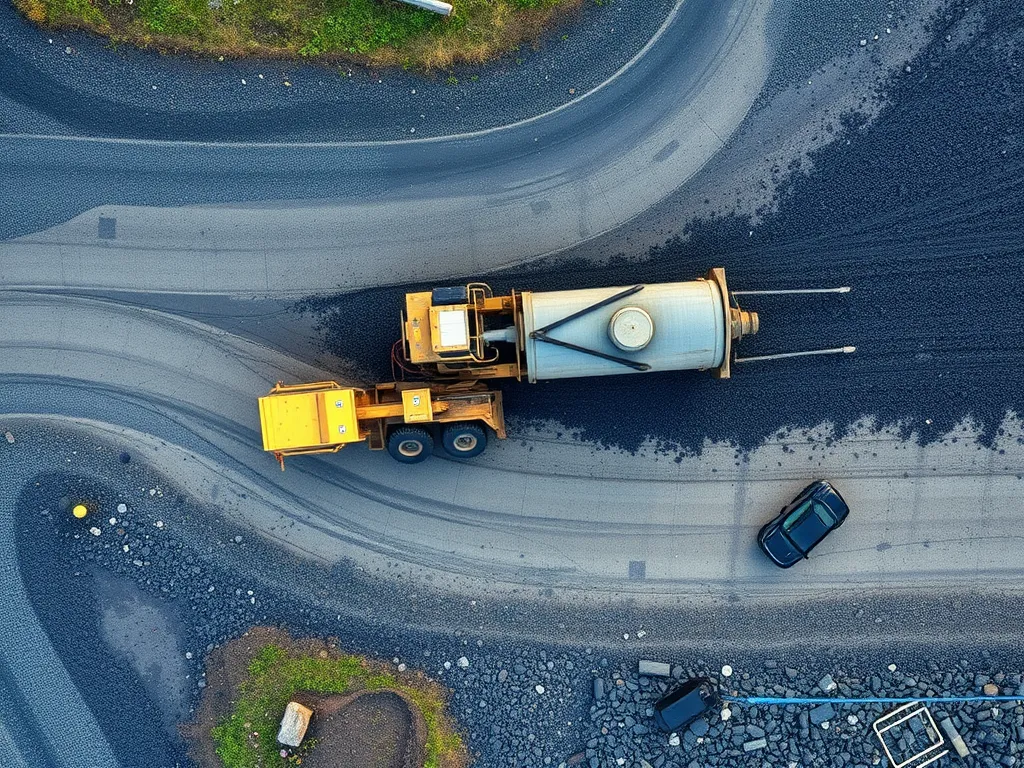
Reclaimed asphalt pavement (RAP) reuse rates hit 80% in Germany and Japan. Infrared heaters soften old pavement for removal, preserving 95% of original aggregates. Cold recycling techniques mix RAP with bio-based binders, trimming CO₂ emissions by 1.2 tons per lane mile.
These shifts in asphalt manufacturing process dynamics set the stage for analyzing how regional markets adapt. Up next: a deep dive into pricing pressures and capacity expansions shaping the global asphalt industry.
Global Asphalt Market Dynamics
The asphalt market shifts with road needs, trade rules, and new tech. Key forces shape how much gets made, sold, and moved worldwide.
Current Market Size and Growth Patterns
Global asphalt hit $178 billion in 2023. It will grow 4.1% each year until 2030. Roads eat up 75% of all asphalt made. Airports use 8%, roofs 12%.
Regional Consumption Analysis
- Asia-Pacific uses 43% of global asphalt (China builds 12,000 km/year)
- North America takes 18% (U.S. uses 350M tons/year)
- Europe holds 22% (Germany leads with 27M tons)
Infrastructure Development Impact
New U.S. road laws push asphalt demand up 6% by 2025. India’s 83,677 km highway plan needs 58M tons of mix. EU’s Green Deal funds low-carbon roads, boosting warm-mix use by 15%.
Leading Regions in Asphalt Production
Top makers feed local builds and global trade. Plants cluster near oil hubs, ports, and big road jobs.
Geographical Capacity Distribution
- China makes 35% (1,200 plants run at 85% capacity)
- U.S. holds 15% (460 plants, Texas leads with 62 sites)
- India adds 8% yearly (new plants in Gujarat, Maharashtra)
Trade Patterns and Tariff Structures
Gulf states ship 22M tons/year (UAE’s 7% export tax). U.S. buys 12% from Canada (2% duty). EU tariffs hit 3-7% for non-EU asphalt. Brazil slaps 14% on foreign mix.
Cost cuts and smart supply chains now steer plant gains. Next, we break down key operational plays for profit gains.
Also See: Asphalt Quality Control Processes for Durable Roads
Operational Strategies in Asphalt Manufacturing
Manufacturing groups now adopt bold plans to stay ahead in a shifting global market. From cutting costs to moving materials smarter, top asphalt makers focus on two main pillars: fiscal agility and supply chain innovation.
Cost Management Approaches
Rising bitumen costs and labor shortages push plants to rethink spending. Top performers mix smart sourcing with tech-driven cuts in power use.
Raw Material Procurement Strategies
Global asphalt manufacturing trends show a shift toward multi-regional sourcing. Plants in North America now blend Canadian oil sands bitumen with Venezuelan grades, trimming costs by 12-18%. Forward contracts lock in aggregate pricing for 6-24 months, stabilizing budgets amid market swings. Strategic stockpiling during off-seasons helps dodge price spikes in critical components like polymer-modified binders.
Energy Efficiency Improvements
Modern drum mixers slash fuel needs by 30% through indirect heating. Plants in Germany report 22% lower carbon output using reclaimed heat from exhaust gases. Solar thermal systems pre-heat aggregates at Spanish facilities, cutting gas dependency by 15%. Advanced PG binders now allow mixing at 140°C vs traditional 160°C, saving 1.2 kWh per ton.
Supply Chain Optimization
With 60% of asphalt costs tied to logistics, manufacturers overhaul how materials move. Real-time tracking and bulk handling systems now trim delays by up to 40%.
Logistics for Bulk Material Handling
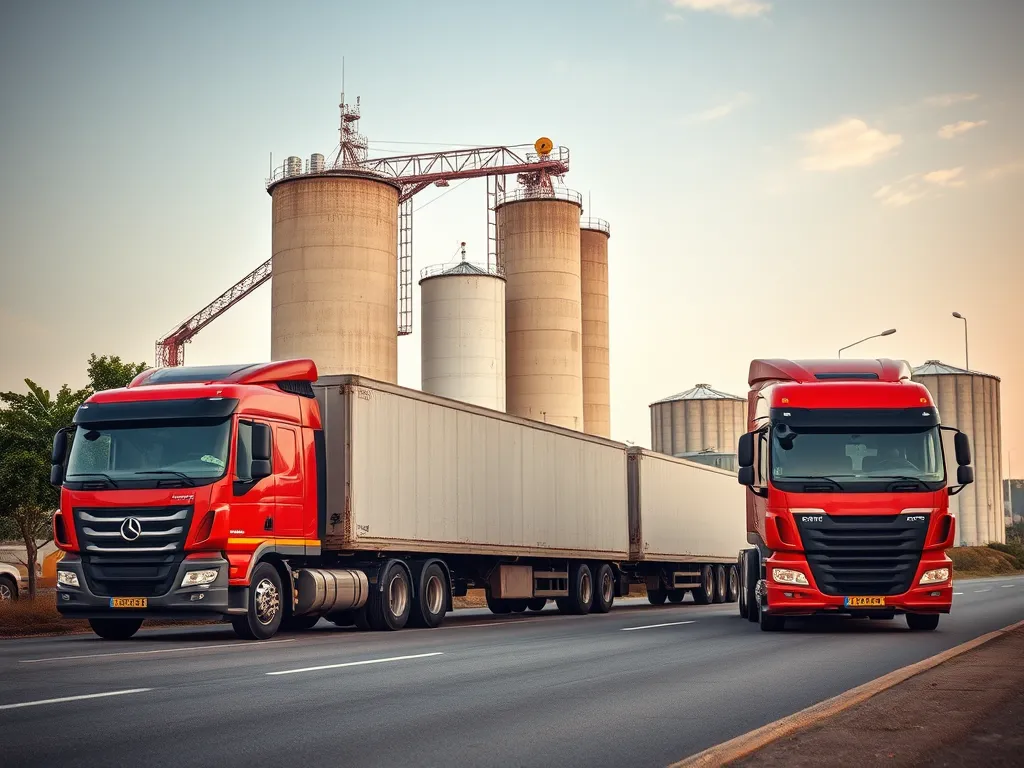
Rail-mounted reclaimers at Turkish ports load 5,000-ton bitumen tankers in under 8 hours. GPS-guided trucks in Brazil sync with plant silo levels, cutting idle time by 27%. Pneumatic conveying systems at U.S. plants move aggregates 50% faster than belt systems. RFID tags on Malaysian shipments track temperature-sensitive additives, cutting spoilage by 19%.
As plants tighten operations, many turn focus to another critical factor shaping asphalt’s future: balancing output with planetary limits. Up next: how green tech reshapes production norms.
Environmental Considerations in Asphalt Production
Global asphalt manufacturing trends increasingly prioritize eco-friendly practices. Producers face pressure to cut environmental impact while meeting rising infrastructure demands. This shift drives innovation across production techniques and material sourcing.
Sustainable Manufacturing Practices
Leading asphalt manufacturers now integrate sustainability into core operations. These methods reduce resource use while maintaining pavement performance. Two approaches dominate: emissions control and circular material flows.
Emissions Reduction Techniques
Warm-mix asphalt (WMA) technologies slash plant temperatures to 250-275°F, cutting fuel use by 20% versus traditional hot-mix. Carbon capture systems in modern plants trap up to 30% of CO₂ emissions. Some facilities pair these with solar-powered dryers, reducing reliance on fossil fuels.
Circular Economy Applications
Reclaimed asphalt pavement (RAP) reuse rates hit 40% in U.S. mixes and 60% in European blends. Rubber-modified asphalt incorporating 5-10% recycled tires gains traction, while plastic-infused mixes using 8-10% post-consumer waste emerge in India and Southeast Asia. These methods trim raw material costs by $3-8 per ton.
Regulatory Compliance Framework
Global environmental standards force rapid adaptation in production methods. Manufacturers must navigate varying regional requirements while maintaining cost efficiency.
Global Environmental Standards
The EU’s Energy Efficiency Directive mandates 32.5% energy reduction in asphalt plants by 2030. U.S. EPA guidelines limit particulate emissions to 0.04 grains per dry standard cubic foot. China’s GB/T 14685-2022 standard enforces strict recycling quotas, with penalties reaching ¥500,000 ($70,000) for violations. ISO 14001 certification now influences supplier selection across 78% of global infrastructure projects.
These environmental priorities now shape how manufacturers approach production logistics and cost management. Upcoming strategies reveal new methods for balancing ecological responsibility with economic viability.
Frequently Asked Questions (FAQ)
How Does Modern Asphalt Manufacturing Differ From Traditional Methods?
Modern asphalt manufacturing emphasizes efficiency, sustainability, and technology integration. Unlike traditional methods, which often relied on higher temperatures and less automation, contemporary processes utilize advanced mixing techniques like warm-mix asphalt, enabling lower energy consumption and reduced emissions. Furthermore, digital monitoring systems and IoT technologies facilitate real-time quality control and data analytics, improving overall production outcomes.
What Factors Influence Regional Asphalt Production Capacities?
Regional asphalt production capacities are influenced by various factors, including local infrastructure demands, availability of raw materials, regulatory frameworks, and technological advancements. For instance, areas experiencing rapid urbanization often see increased asphalt production to support road construction. Additionally, access to advanced equipment and efficient logistics can significantly enhance a region’s production capabilities.
How Has Digitalization Impacted Asphalt Quality Control?
Digitalization has advanced asphalt quality control by introducing automation and real-time data tracking. Modern production facilities use AI-driven quality monitoring systems that can assess mix consistency and performance on-the-fly, reducing human error and material waste. This enables manufacturers to ensure compliance with stringent industry standards and maintain high-quality outputs more consistently.
What Role Does Sustainability Play in Asphalt Manufacturing Today?
Sustainability plays a critical role in modern asphalt manufacturing, guiding practices towards lower environmental impact. Manufacturers are increasingly adopting circular economy principles, utilizing recycled materials like reclaimed asphalt pavement (RAP) and incorporating high-performance, eco-friendly additives. These practices minimize resource consumption and emissions, meeting both regulatory requirements and the growing demand for sustainable infrastructure solutions.
What Are the Latest Innovations in Asphalt Recycling Technologies?
The latest innovations in asphalt recycling technologies include advancements in cold in-place recycling and the use of foamed asphalt for more efficient processing. New methods enable the incorporation of a higher percentage of reclaimed asphalt pavement, significantly reducing the need for virgin materials. Additionally, technologies that utilize heated and softened RAP help to better integrate recycled materials into new mixes without compromising quality.
How Are Global Environmental Standards Affecting Asphalt Production?
Global environmental standards are mandating stricter regulations around emissions and resource use in asphalt production. These standards significantly influence manufacturing processes, pushing companies toward adopting cleaner technologies and practices, such as carbon capture and energy-efficient machinery. Compliance with these regulations not only enhances sustainability but can also improve operational efficiency and market competitiveness.
Closing Thoughts
The asphalt manufacturing industry is undergoing transformative changes. Global trends highlight a shift towards sustainable practices, innovative technologies, and efficient production methods. From the adoption of warm-mix asphalt to enhanced recycling techniques, these advancements contribute to cost savings and reduced environmental impact.
As infrastructure development accelerates worldwide, understanding regional consumption patterns becomes vital. Market dynamics continue to evolve, influenced by factors such as digitalization, supply chain optimization, and regulatory compliance. Stakeholders must stay informed to navigate these complexities and seize opportunities within the asphalt sector.
For more insights and tools related to asphalt manufacturing and calculations, visit Asphalt Calculator USA.
Additional Resources for You:
- Huang, Y. H. (2004). Pavement Analysis and Design (2nd ed.). Upper Saddle River, NJ: Pearson/Prentice Hall.
- Asphalt Manufacturing in the US – Market Research Report (2015-2030)
- Asphalt Manufacturing in the US – Industry Data, Trends, Stats
- Asphalt Market Share & Growth Analysis – Industry Forecast 2032 | SkyQuest Technology
- Asphalt Market Size, Growth & Analysis to 2032