Global Trends in Asphalt Innovation: Building Smarter Roads Worldwide
Published on: December 20, 2025 | Last Updated: April 14, 2025
Written By: George Voss
Global trends in asphalt innovation combine cutting-edge technology with eco-friendly materials to create longer-lasting roads while cutting carbon footprints. From AI-optimized paving to recycled plastic roads, 93% of countries now use at least one advanced asphalt method. These breakthroughs differ from traditional approaches by blending digital tools like IoT sensors with material science – producing pavements that heal cracks or absorb stormwater. The shift focuses on three goals: durability, sustainability, and cost control.
This article breaks down seven key areas transforming asphalt worldwide. You’ll see how 3D-printed roads work and why polymer-modified binders last 40% longer. We explore recycling tech that reuses 95% of old pavement and bio-binders made from algae. Data shows how urbanization drives 6.2% annual growth in smart asphalt demand. Stay for the FAQs on real-world impacts – like how noise-reducing asphalt cuts highway sounds by 50%.
Contents
Emerging Technologies in Asphalt Production
Global asphalt innovation now pairs industrial might with digital smarts. From mixing plants to road surfaces, cutting tools boost output, slash costs, and trim carbon footprints.
Integration Of AI and Machine Learning
Plants adopt AI to fix production hiccups before breakdowns occur. Algorithms crunch data on drum temps, fuel flow, and aggregate moisture. This shift cuts batch flaws by up to 18% while maintaining PG binder specs.
Predictive Maintenance for Asphalt Plants
Machines signal wear using vibration patterns and thermal imaging. A neural network from Germany’s BAM Federal Highway Research Lab predicts roller bearing failure 72 hours in advance. Such systems trim annual plant downtime by 30%, saving $240K+ per facility.
Advanced Sensor Systems and Iot Integration
Smart pavers now carry 15+ sensors tracking surface temp, mix density, and roller passes. Data shoots to cloud dashboards via 5G, allowing on-the-fix adjustments. South Korea’s IoT road projects show a 22% drop in post-paving cracks.
Real-Time Quality Monitoring During Paving
Infrared cameras map thermal voids as trucks dump 320°F mix. Norway’s Nye Veier agency spots low-density zones instantly, boosting road lifespan by 7-12 years. GPS-linked compaction monitors guarantee 92%+ density across all lanes.
3D Printing Applications in Road Construction
Robotic arms lay polymer-rich asphalt in complex patterns for bus lanes or solar roads. A Dutch trial printed 26ft of noise-reducing pavement in 45 minutes—65% quicker than manual work. Mix designs include up to 40% RAP without losing print precision.
As production tools gain digital muscle, material science pushes boundaries. Up next: binders that fight climate shifts and mixes borrowing from plastic waste streams.
Innovative Asphalt Material Developments
Global asphalt trends now prioritize materials that balance durability with environmental responsibility. Three breakthroughs are reshaping pavement engineering worldwide.
Warm-mix Asphalt (WMA) Advancements
Warm-mix asphalt technologies cut production temperatures to 250-275°F, down from 300-350°F for traditional hot-mix. The Federal Highway Administration reports WMA adoption in 42 U.S. states, with Japan and Germany leading Asian and European markets.
Energy Efficiency and Emission Reductions
Lower temperatures reduce plant fuel use by 20-35%, slashing CO₂ emissions by 30%. A 2023 EU study found WMA projects decrease worker exposure to harmful fumes by 68% compared to conventional mixes.
High-performance Polymer-modified Binders
Styrene-butadiene-styrene (SBS) polymers enhance asphalt binders to PG 76-22 standards. These modified mixes withstand rutting at 140°F and cracking at -22°F. Texas DOT data shows polymer-modified roads last 50% longer than conventional pavements under heavy truck traffic.
Integration Of Recycled Plastics in Asphalt Mixes
India’s Plastic Roads Initiative blends 8-10% shredded PET/HDPE into asphalt, diverting 3.5 million metric tons of waste annually. California’s 2023 trials show plastic-modified mixes increase fatigue resistance by 200% while reducing binder costs by $15/ton.
These material breakthroughs set the stage for examining how asphalt recycling trends amplify sustainability through advanced reclamation methods.
Asphalt Recycling and Reclamation Trends
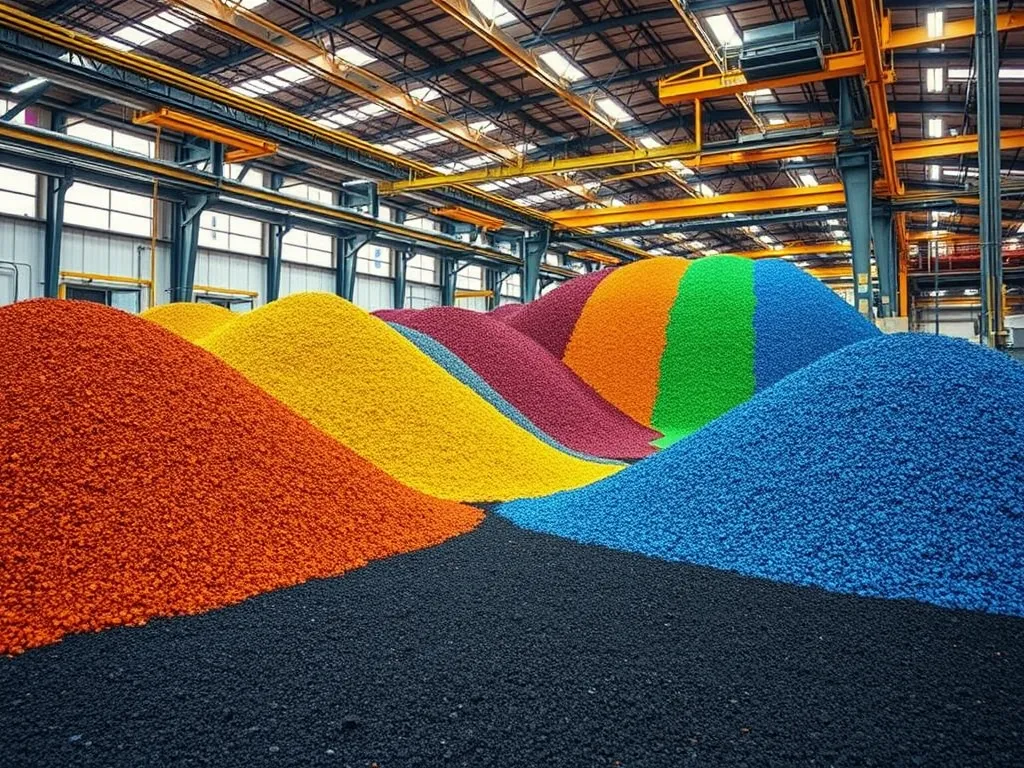
New methods for reusing old roads now lead global asphalt trends. These steps cut waste, save cash, and meet green goals set by many nations.
Cold In-place Recycling (CIR) Techniques
CIR recycles roads on-site without heat. Crews grind old layers, mix in binding agents like foamed bitumen, then compact the blend. This slashes energy use by 40% versus traditional methods. Roads reopen faster, with costs down 30% per mile in U.S. trials.
Increased Usage Of Reclaimed Asphalt Pavement (RAP)
Global RAP use hit 100 million tons in 2023. Europe leads, blending 30% RAP in new mixes. Japan tests 50% RAP highways. New binder tech lets old asphalt perform like fresh without cracking risks.
Cost-Effectiveness and Performance Benefits
RAP cuts project costs up to $15 per ton. Tests show roads with 20% RAP last 12% longer. States like California now mandate 15% RAP in all state jobs. Plants track mix temps tighter to keep quality high.
Advanced Contamination Detection Systems
New X-ray scans spot metal, plastic, or wood bits in RAP piles. Lasers map debris down to 2mm size. One German plant uses AI cams to sort 500 tons per hour, hitting 99% purity rates. Clean RAP means stronger roads and fewer delays.
As nations push greener builds, these asphalt recycling trends set the pace. Next, we explore how global growth demands shape fresh asphalt tech.
Also See: Long-term Effects Of Neglecting Driveway Maintenance
Global Asphalt Demand and Industry Growth
Global asphalt trends show a projected 3.8% annual growth through 2027, driven by three key factors reshaping pavement needs worldwide. Road networks now face unprecedented pressures – and innovations rise to meet them.
Infrastructure Expansion in Developing Economies
India’s $1.2 trillion highway plan and China’s Belt & Road Initiative demand 650 million tons of asphalt annually. Modified binders with 30-40% higher rut resistance now dominate new projects. Warm-mix asphalt cuts energy use by 35% during paving – critical for nations building 12,000+ miles yearly. Brazil’s BR-101 highway upgrade uses polymer grids to prevent cracks in tropical climates.
Maintenance Needs Of Aging Road Networks
US interways built in the 1970s require $435 billion in repairs by 2040. Germany’s 2025 road strategy allocates €12 billion for recycling 92% of existing pavements. Cold in-place recycling (CIR) resurfaces roads at half the cost of traditional methods. Japan’s 40% RAP mixes extend pavement life by 8-12 years. Ground-penetrating radar scans detect subsurface voids before failures occur.
Impact Of Urbanization on Pavement Requirements
Megacities with 10M+ residents need asphalt that withstands 18-hour traffic cycles. Polymer-modified mixes now handle 15,000+ daily truck loads without rutting. Porous asphalt installations grew 22% since 2020, absorbing 5,000 gallons/hour in flood-prone Jakarta. Smart pavements with embedded sensors guide autonomous vehicles in Singapore’s $74 million urban test zone. New York’s asphalt specifications now mandate 25% recycled content for all city streets.
These asphalt development trends set the stage for examining sustainable solutions transforming production methods globally. Next, we explore bio-binders and carbon-neutral plants reshaping the industry’s future.

Sustainable Asphalt Solutions
Road builders worldwide now prioritize eco-friendly methods that meet strict environmental rules. Three breakthroughs stand out for cutting emissions while boosting pavement performance.
Bio-based Asphalt Binders and Additives
Lignin from wood pulp, algae oil, and vegetable-based binders replace up to 30% of petroleum bitumen. These materials match PG (Performance Grade) specifications for temperature resistance. Dutch trials show bio-binders cut CO₂ by 1.2 tons per lane-mile during production. The U.S. Federal Highway Administration approved soybean-derived additives for high-traffic routes in 2023.
Carbon Capture Applications in Production
Asphalt plants now use amine scrubbing and mineral carbonation systems to trap CO₂ emissions. One Norwegian facility captures 90% of flue gases (12,000 tons/year), storing carbon in recycled asphalt. Costs range $50-80 per ton captured, offset by tax credits under the EU Emissions Trading System. Global projects aim to make asphalt production carbon-negative by 2035.
Porous Asphalt for Stormwater Management
This mix contains 16-22% void spaces, allowing 400-600 gallons of water per minute to drain through. Used on German autobahns and U.S. parking lots, porous layers reduce runoff by 75% compared to traditional pavement. EPA guidelines reward cities using porous asphalt with LEED credits. Maintenance involves vacuum sweeping every 6 months to prevent clogging.
As eco-friendly materials gain traction, engineers also push boundaries with smart pavements that actively respond to environmental changes…
Performance Boost Upgrades
New asphalt tech aims to make roads last longer, work better, and keep users safe. These steps tackle key issues faced by roads worldwide.
Self-healing Asphalt Tech
Roads that fix cracks use steel bits or capsules in the mix. When heat hits (from machines or sun), the asphalt oil melts. Flows into gaps. Trials in Spain show 30% less repairs over 10 years. Key perks:
- Steel fibers conduct heat for even healing
- Less cash spent on patching
- Up to 15 extra years before full rebuild
Quiet Road Surfaces
Noise cuts come from open-graded asphalt or rubber-added layers. These tweaks lower tire roar by 5-10 dB. Germany’s Autobahn uses stone mastic asphalt (SMA) near homes. Main gains:
- Porous layers soak up sound waves
- Rubber bits from old tires dampen noise
- Smooth finish cuts tire hum
Grip-boost Coatings
High-friction sprays with hard grit (like calcined bauxite) slash skid risks. Applied at curves or slopes, they stick well in wet zones. UK data notes 40% fewer crashes on treated roads. Key specs:
- Skid scores jump from 35 to 80+ (BPN scale)
- Costs $3-$5 per sq. yard
- Lasts 8-12 years with care
These steps show how global asphalt trends meet today’s road needs. Now, let’s tackle key questions users ask about these changes.
Frequently Asked Questions (FAQ)
What Are the Benefits Of Using Warm-mix Asphalt (WMA)?
Warm-mix asphalt (WMA) offers numerous advantages including reduced production temperatures which lead to lower energy consumption and decreased emissions. Additionally, WMA allows for extended paving seasons and less risk of thermal-related distresses, resulting in durable road surfaces.
How Does AI Improve Asphalt Production Efficiency?
AI enhances asphalt production by analyzing large datasets to optimize mixing processes, predict maintenance needs, and ensure quality control. These algorithms help reduce waste, enhance product consistency, and streamline operations, ultimately lowering costs and improving sustainability.
What Are the Challenges Related to Integrating Recycled Materials in Asphalt?
While integrating recycled materials, such as reclaimed asphalt pavement (RAP) and recycled plastics, presents cost and environmental benefits, challenges include maintaining the quality and performance of the asphalt mix. Variability in the supply of recycled materials can also complicate consistency in production standards.
How Do Advancements in Asphalt Technology Impact Road Safety?
Advancements in asphalt technology, like high-friction coatings and noise-reducing surfaces, significantly enhance road safety. These innovations improve grip in wet conditions and reduce noise pollution, which contributes to a safer driving environment and enhanced driver comfort.
What Role Does Urbanization Play in Asphalt Development Trends?
Urbanization drives asphalt development trends, as increasing populations in megacities require durable and sustainable road infrastructure. This leads to innovations in materials and paving techniques capable of withstanding heavy traffic and adapting to environmental challenges.
Are There Any New Materials Being Used in Asphalt That Promote Sustainability?
Yes, new materials like bio-based asphalt binders and recycled plastics are being incorporated into asphalt mixes. These materials not only reduce reliance on petroleum but also contribute to lower carbon emissions throughout the production process, aligning with global sustainability goals.
Closing Thoughts
The landscape of asphalt innovation is rapidly evolving. Emerging technologies like AI, machine learning, and IoT integration revolutionize production and paving processes. Advances in warm-mix asphalt and high-performance binders enhance sustainability while improving performance.
Meanwhile, the increase in reclaimed asphalt pavement (RAP) usage highlights the industry’s commitment to recycling and resource conservation. The ongoing demand for asphalt in developing economies and aging infrastructure underscores its vital role in global construction.
Sustainable solutions, such as bio-based binders and porous asphalt, pave the way for environmentally friendly practices. Innovations in self-healing and noise-reducing technologies further enhance the functionality and safety of pavement.
For more information on asphalt innovation and trends, visit Asphalt Calculator USA.
Useful References for You:
- The Asphalt Institute (Technical Resources & Standards)
- The Future of Asphalt Production: Trends and Innovations to Watch – PlantDemand
- Asphalt Market Size, Industry Share, Growth Rate, Forecast, 2032
- Asphalt Market Share & Growth Analysis – Industry Forecast 2032 | SkyQuest Technology
- New Innovations That Will Change How Asphalt Paving is Done Commercial Asphalt, Parking Lot Paving + Best in Pinellas! Anderson & Sons Asphalt of Pinellas