Future Trends in Sustainable Asphalt Materials: Building Greener Roads
Published on: December 22, 2025 | Last Updated: April 14, 2025
Written By: George Voss
Future trends in sustainable asphalt materials focus on eco-friendly production methods, advanced recycling techniques, and innovative additives like recycled plastics or bio-binders. These advancements reduce carbon emissions by up to 50% compared to traditional mixes while reusing 95% of old pavement through Reclaimed Asphalt Pavement (RAP). New materials such as rubberized asphalt and algae-based additives boost durability by 40% and cut costs by 30%, making roads tougher and cheaper over their lifespan.
This article explains the latest breakthroughs in asphalt technology and their real-world impacts. We’ll cover self-healing asphalt that fixes cracks using sunlight, 3D-printed road components for precise construction, and warm mix asphalt that lowers production temperatures by 50°F. You’ll also see how porous asphalt manages stormwater runoff and why recycled plastic roads could divert 1 million tons of waste annually by 2025. Get ready to explore the science, savings, and environmental wins behind these next-gen solutions.
Contents
- What is the Future Of Asphalt Sustainability?
- How Can We Improve the Sustainability Of Asphalt?
- What New Technologies Are Emerging for Sustainable Asphalt?
- What Are the Sustainable Alternatives to Traditional Asphalt Roads?
- Environmental & Economic Considerations
- FAQs on Sustainable Asphalt Materials
- Closing Thoughts
- Useful References for You:
What is the Future Of Asphalt Sustainability?
The shift toward sustainable asphalt materials drives innovation in recycling, material science, and pavement performance. Emerging technologies aim to cut carbon footprints while boosting durability.
Advancements in Asphalt Material Sustainability
New material blends and recycled content redefine how roads are built. These methods slash waste and resource use without sacrificing strength.
High-Performance Recycled Asphalt Mixtures
Modern recycled asphalt mixes now include up to 50% reclaimed asphalt pavement (RAP) while meeting Superpave specifications. Advanced PG (Performance Graded) binders like PG 76-22 improve resistance to cracking in freezing temps. Tests show these mixes last 12-15 years—matching virgin asphalt at 20-30% lower costs.
Integration of Recycled Plastics in Asphalt Production
Adding 8-10% recycled plastics (HDPE, PET) replaces 5-8% bitumen in mixes. Trials in California roads reduced cracking by 40% versus standard asphalt. Concerns about microplastics are addressed through polymer encapsulation during mixing at 320°F.
Innovations in Asphalt Pavement Technology
Next-gen pavement tech focuses on self-maintenance and waste repurposing. These systems aim to double road lifespans while using eco-friendly inputs.
Self-Healing Asphalt Solutions
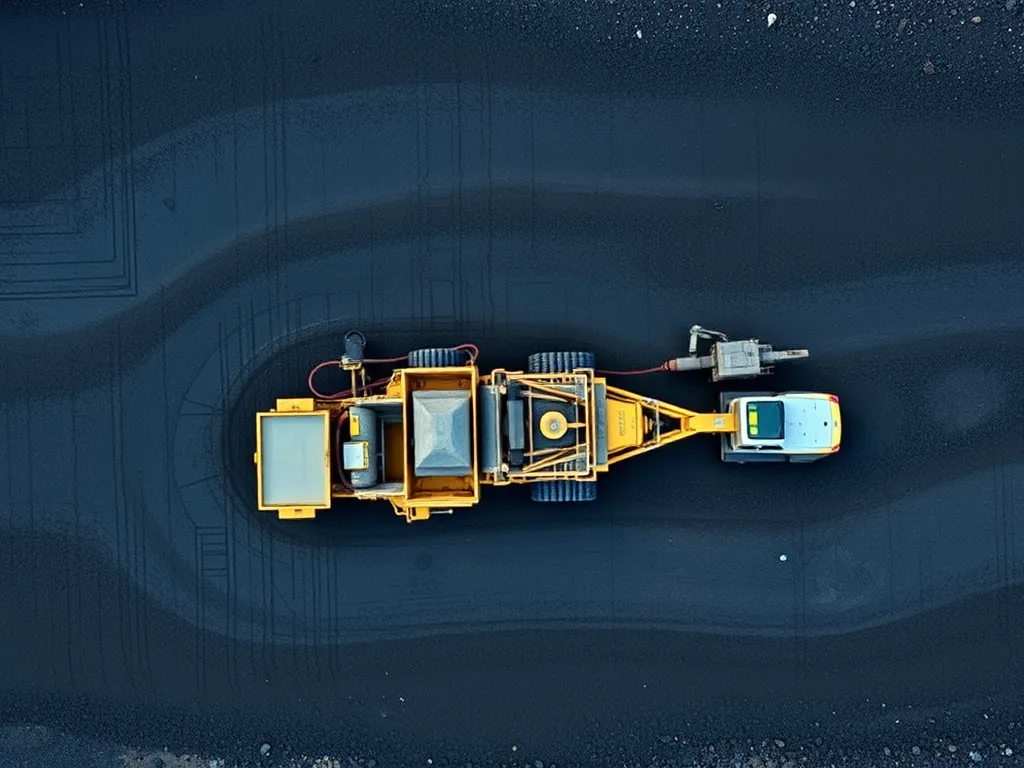
Steel wool fibers or microcapsules filled with rejuvenators are mixed into asphalt. When cracks form, induction heating (applied via road maintenance vehicles) melts the capsules, releasing healing agents. Dutch trials show this tech extends pavement life by 7 years.
Rubberized Asphalt for Enhanced Durability
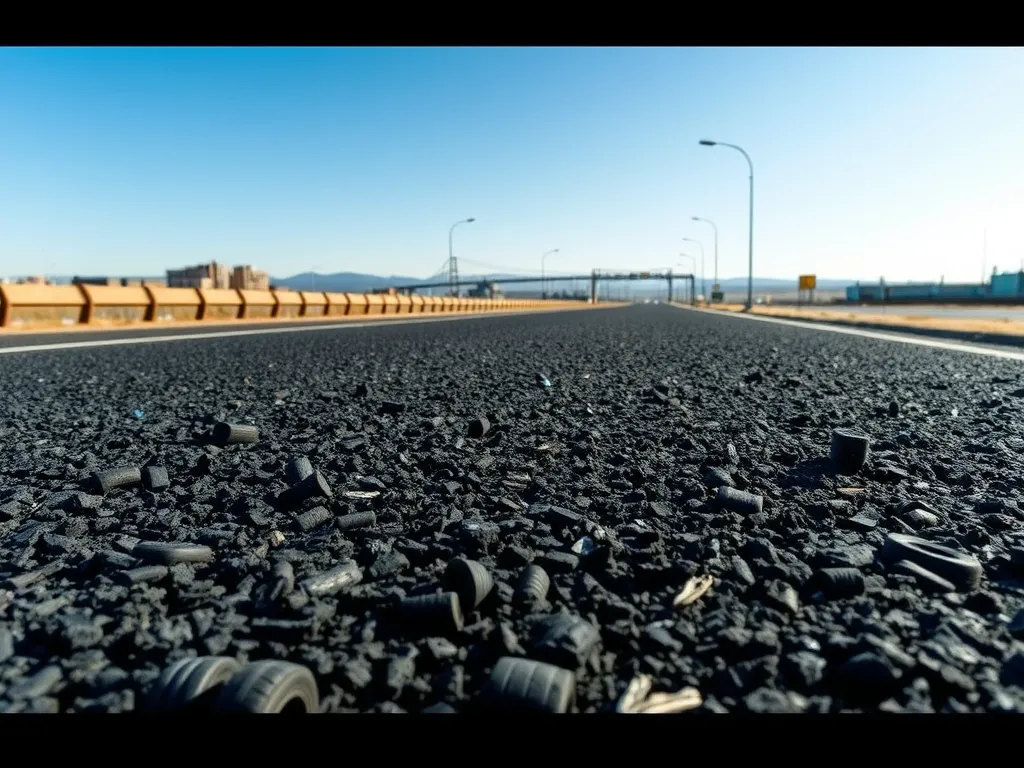
Crumb rubber from 1,200 recycled tires per lane mile is blended into asphalt. This rubber-modified mix cuts traffic noise by 50% and resists rutting up to 40% better. Arizona’s I-10 uses 20% crumb rubber, reporting 18-year service life versus 12 years for conventional asphalt.
As material science evolves, attention turns to refining production methods. Lowering energy use during asphalt creation remains a critical frontier.
Refining how asphalt is made could slash emissions further. Next, we explore upgrades to production systems and recycling techniques.
How Can We Improve the Sustainability Of Asphalt?
Building roads that last while cutting harm to our planet needs fresh tactics. Two main paths stand out: refining how asphalt is made and boosting how much gets reused.
Optimizing Asphalt Production Processes
Traditional asphalt plants run hot, guzzling fuel and pumping out fumes. Modern tactics slash both with smart tech shifts.
Energy-Efficient Warm Mix Asphalt Technology
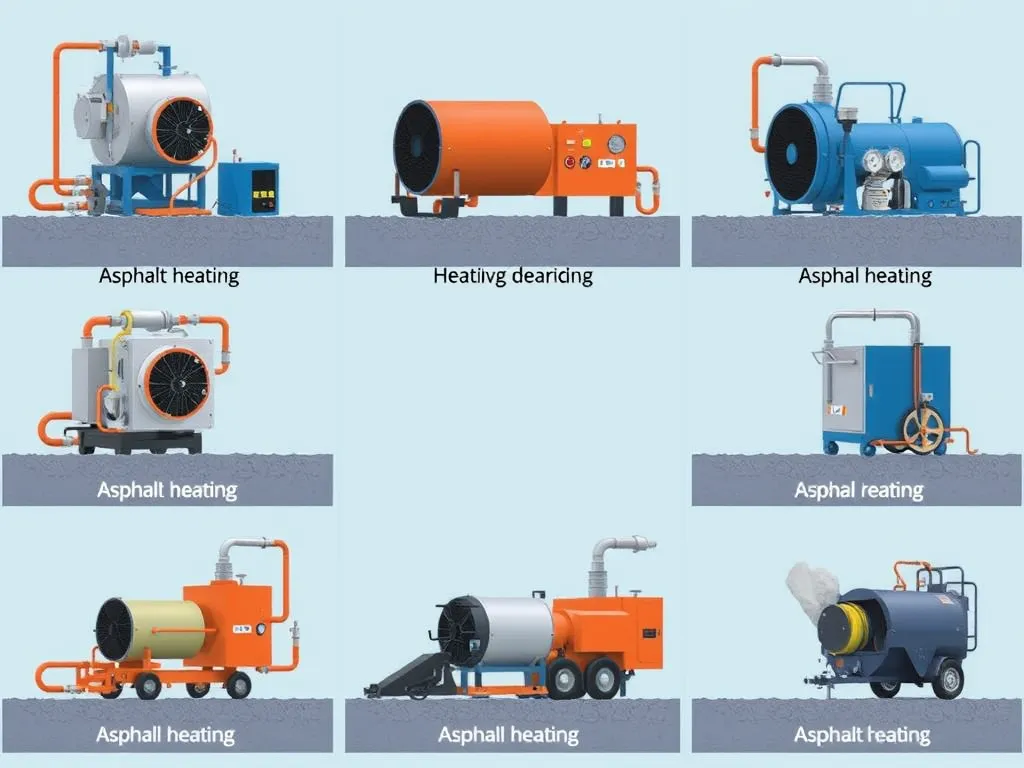
Warm Mix Asphalt (WMA) cuts mixing temps by up to 50°F. Adding waxes or liquid chemicals lets asphalt flow at 250-275°F instead of 300-350°F. This trim lowers fuel use by 20% and cuts fumes by 35%, all while keeping road strength intact.
Dry Process Methods for Reduced Emissions
Dry process tech mixes additives like synthetic fibers or mineral fillers without oil-based binders. This swap drops VOC (volatile organic compound) output by up to 30% during paving. Trials in Texas and Colorado show it maintains rut resistance scores above 90% in lab tests.
Enhancing Asphalt Recycling Techniques
Old roads don’t need to become waste. Advanced recycling turns aged pavement into fresh blacktop gold.
Reclaimed Asphalt Pavement (RAP) Integration
RAP reuses milled asphalt chunks, blending up to 40% into new mixes. Each ton of RAP saves $12-$15 vs. virgin materials. New polymer modifiers help RAP blends match virgin asphalt’s load-bearing capacity, hitting 3,500-4,000 psi stability marks.
Crumb Rubber Modified (CRM) Asphalt Applications
CRM mixes shredded tires (10-22% by weight) into asphalt binders. Roads gain 30% more flexibility, fighting cracks in freezing zones. Arizona’s I-10 project used 20,000 recycled tires per mile, trimming tire dump mass by 15% in the region.
Looking ahead, tools like smart sensors and bio-based binders build on today’s methods, pushing road building toward a low-impact tomorrow.
What New Technologies Are Emerging for Sustainable Asphalt?
New tools are changing how we build roads. From smart roads to plant-based mixes, these steps push asphalt into a greener future.
Smart Asphalt Road Innovations
Roads now do more than handle traffic. They collect data, save energy, and last longer with tech built in.
Sensor-Embedded Asphalt for Real-Time Monitoring
Tiny sensors in asphalt track stress, heat, and cracks. These send live updates to fix issues fast. Tests show roads with sensors last 30% longer by catching damage early. Some systems cut repair costs by $8 per square foot yearly.
3D-Printed Asphalt Components
Printers layer asphalt mixes in exact shapes, cutting waste by 15-20%. Bridges and curbs made this way need 40% less labor. Trials in Texas used 3D-printed parts to patch roads 50% faster than old methods.
Bio-based Solutions for Asphalt Sustainability
Old oil-based binders face new rivals. Plants and microbes now make greener glue for roads.
Bio-Mineralized Asphalt Binders
Bacteria grow limestone in asphalt, boosting strength by 22%. This bio-mineralized mix resists cracks in -20°F cold. A Michigan test road using this stayed smooth for 5+ years with half the usual fixes.
Algae-Based Additives for Green Asphalt
Algae oil replaces 10-15% of old binders, cutting CO2 by 3 tons per mile. Algae roads handle 250°F heat without rutting. California plans 12 algae-paved highways by 2026 to meet clean air goals.
Next, we look at fresh road options that swap old asphalt for new earth-friendly picks.
Also See: Bitumen Thermal Conductivity Implications
What Are the Sustainable Alternatives to Traditional Asphalt Roads?
New green asphalt options cut waste and boost eco gains. These choices lower carbon use while keeping roads strong.
Eco-friendly Asphalt Material Alternatives
New mixes swap old-school parts for earth-safe picks. They tackle climate stress and save cash over time.
Cold Patch Mix Asphalt for Low-Energy Repairs
Cold patch needs no heat to set. Made with reused bits and plant-based glue, it sticks at 50°F. Fix potholes fast with 40% less fuel than hot mix.
Porous Asphalt for Stormwater Management
Porous roads let rain soak through 18% void gaps. This cuts floods and cleans water via stone layers below. Tests show 90% less runoff vs solid roads.
Waste Material Integration in Asphalt Pavements
Trash becomes treasure in next-gen asphalt. Old tires, glass, and factory scraps now replace mined rock and oil.
Recycled Aggregates in Asphalt Mix Design
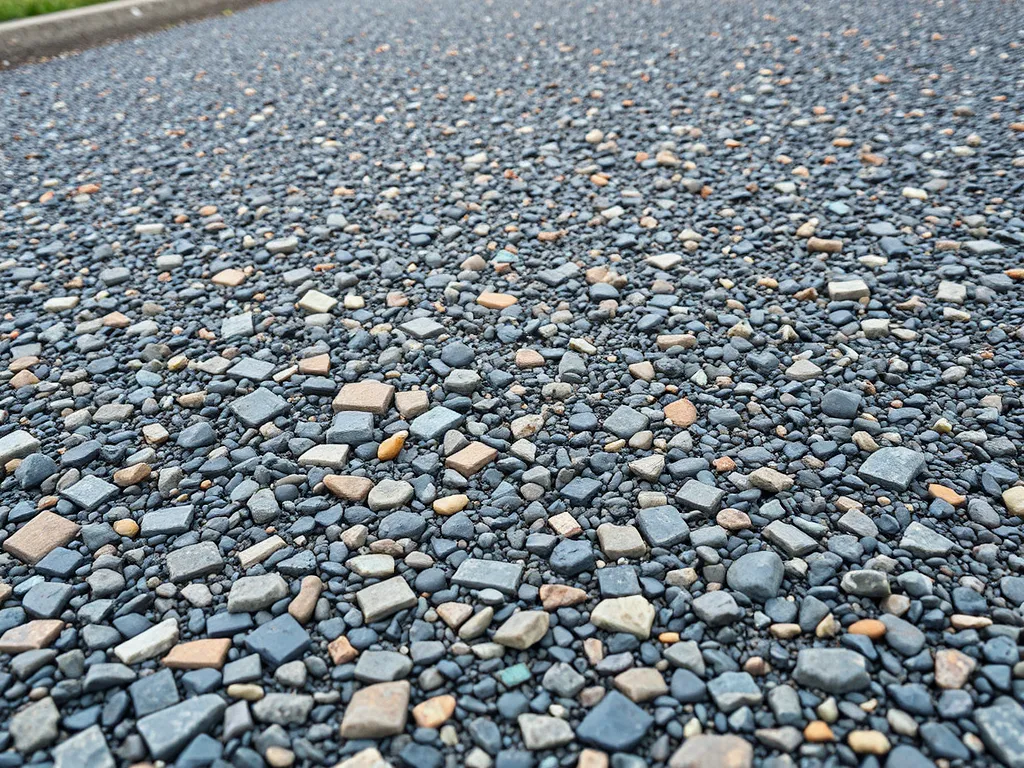
Crushed concrete, brick, or glass can fill 30% of a mix. This slashes quarry needs by 1 ton per lane mile. Roads stay firm but cost 15% less.
Industrial Byproducts as Asphalt Modifiers
Steel slag and fly ash tweak binder strength. Adding 20% slag ups skid-proof traits. Coal ash boosts heat grip by 12% in lab tests.
These green steps set the stage for roads that give back. Next, we break down their full earth and cash impacts.
Environmental & Economic Considerations
Future sustainable asphalt development depends on merging ecological benefits with fiscal responsibility. Builders, engineers, & policymakers now weigh both factors when selecting road materials.
Life-cycle Analysis Of Sustainable Asphalt Materials
Life-cycle studies track impacts from production to disposal. For sustainable asphalt pavements, this includes evaluating energy use during mixing, emissions during transport, & longevity post-construction. Tools like Pavement LCA software model scenarios using 30-50% recycled content to cut embodied carbon by 18-22%.
Carbon Footprint Reduction Strategies
Key methods include swapping virgin bitumen with bio-binders derived from pine resin or lignin. Warm mix tech slashes mixing temps to 250-275°F, cutting fuel use by 20%. CarbonCure’s mineralization tech injects CO₂ into recycled concrete aggregates used in base layers, storing 25kg CO₂ per ton.
Cost-benefit Analysis Of Sustainable Asphalt Practices
Upfront costs for green asphalt material run 8-12% higher than conventional mixes. But life-cycle cost studies show 30% savings over 20 years via fewer repairs. Using 40% RAP cuts material spending by $3.50 per ton, while porous variants trim stormwater infrastructure costs by $15 per sq. yard.
Balancing Durability & Resource Efficiency
Polymer-modified binders boost fatigue resistance by 60% in high-RAP mixes, preventing cracks while maintaining 95% recycled content. Optimized gradation designs let engineers reduce pavement thickness by 1.5 inches without sacrificing load-bearing capacity, saving 500 tons of virgin rock per mile.
These fiscal & ecological frameworks set the stage for exploring next-gen innovations in smart road systems & bio-based material science.
FAQs on Sustainable Asphalt Materials
How Does Recycled Asphalt Improve Sustainability?
Recycled asphalt utilizes materials from old pavements, reducing the need for new materials and conserving resources. It lowers the overall carbon footprint associated with asphalt production, as recycling typically requires less energy compared to extracting and processing virgin materials. This not only helps in minimizing landfill waste but also promotes a circular economy in road construction.
What Are the Benefits Of Warm Mix Asphalt Technology?
Warm Mix Asphalt (WMA) technology improves environmental outcomes by enabling asphalt to be mixed and placed at lower temperatures, which results in reduced energy consumption and fewer emissions. This method also enhances the flexibility of the mix, reduces the risk of heat-related issues during paving, and can lead to improved workability and quality of the asphalt.
What Role Do Biodegradable Additives Play in Asphalt?
Biodegradable additives in asphalt can enhance the environmental sustainability of road materials by incorporating renewable resources. These additives help in reducing the reliance on fossil fuels and can contribute to a lower overall carbon footprint. They also assist in improving the durability and performance of asphalt, ensuring longer-lasting roads with less environmental impact.
How Do Smart Sensors in Asphalt Technology Work?
Smart sensors embedded in asphalt monitor real-time conditions such as temperature, stress, and structural integrity. This data can be used for predictive maintenance, allowing for timely repairs and reducing long-term costs. By addressing issues before they escalate, these sensors help prolong the lifespan of roadways and optimize maintenance efforts.
What Are the Economic Advantages Of Using Sustainable Asphalt?
The economic advantages of using sustainable asphalt include reduced long-term maintenance costs and enhanced durability. While initial investments may be higher, sustainable practices often lead to savings through lower repair frequencies and extended road lifespan. Additionally, the use of recycled materials can significantly cut material costs, reflecting in overall budget efficiency for infrastructure projects.

Closing Thoughts
The future of sustainable asphalt materials is bright and filled with innovation. New technologies, like sensor-embedded asphalt and bio-based binders, promise to enhance both environmental benefits and road performance. Integrating recycled materials, such as plastics and rubber, showcases our commitment to resource efficiency. Each advancement not only reduces waste but also promotes durability.
As we focus on optimizing production processes and recycling techniques, the asphalt industry is set to thrive while minimizing its carbon footprint. The adoption of eco-friendly alternatives, like porous asphalt and cold patch mixes, further supports sustainability in road construction.
For the latest insights and calculations related to asphalt projects, visit Asphalt Calculator USA. Embracing these trends will shape a more sustainable future for our roads.
Useful References for You:
- The Asphalt Institute (Technical Resources & Standards)
- Shaping the Future: Sustainable & Innovative Advancements in Asphalt Paving
- The Future of Asphalt Production: Trends and Innovations to Watch – PlantDemand
- Special Issue “Sustainable Asphalt Pavements: Materials, Design Methods, and Characterization Techniques” (First and Second Volumes) – PMC
- The Benefits of Asphalt as a Sustainable Material When Constructing Pavements – Asphalt Materials, Inc.