
Future Innovations in Sustainable Asphalt Technologies
Published on: December 20, 2025 | Last Updated: April 14, 2025
Written By: George Voss
Future innovations in sustainable asphalt technologies focus on eco-friendly materials and smarter production methods that cut emissions while boosting durability. These advancements include Warm Mix Asphalt (WMA) requiring 50°F lower heating temps, bio-binders from algae or soy, and recycled plastic additives that strengthen pavements. New methods reduce energy use by up to 35% and lower CO2 emissions, making roads both greener and longer-lasting.
This article explores the latest breakthroughs shaping tomorrow’s asphalt industry. Learn how polymer-modified mixes extend pavement life by 30%, how solar-reflective coatings combat urban heat islands, and why recycled tire rubber now replaces 20% of virgin binder in highways. We’ll break down cost savings from RAP (Recycled Asphalt Pavement) reuse, analyze permeable systems that manage stormwater, and show AI-driven sensors that predict road failures before cracks form.
Contents
- Emerging Innovations in Asphalt Technology
- Sustainable Pavement Engineering Techniques
- Improving Asphalt Sustainability
- Eco-friendly Alternatives to Traditional Asphalt
- Performance Optimization in Sustainable Asphalt
- Environmental Impact and Lifecycle Assessment
- Frequently Asked Questions (FAQ)
- Closing Thoughts
- Useful References for You:
Emerging Innovations in Asphalt Technology
Recent breakthroughs are reshaping how we build roads. Three key developments balance durability with eco-friendly road construction: temperature-controlled mixes, smarter recycling, and plant-derived materials.
Warm Mix Asphalt (WMA) Solutions
Warm Mix Asphalt cuts production temperatures by 50-100°F using additives like Sasobit wax or Advera water-based foam. This slashes fuel use by 20% and greenhouse gases by 30% compared to traditional hot-mix methods. Contractors in states like Colorado now use WMA for high-altitude paving, as it stays workable in cold air without sacrificing rut resistance (≥ 3,000 cycles per AASHTO T324).
Recycled Asphalt Pavement (RAP) Advancements
New RAP techniques now blend up to 60% reclaimed material into mixes – a 50% jump from 2020 limits. Infrared rejuvenators spray reactivators on aged binder, restoring 95% of its original viscosity. California’s I-710 project saved $8.2 million using 45% RAP content, while Texas DOT spec’d 30% RAP for all urban highways. This cuts aggregate mining by 1.2 tons per lane-mile annually.
Bio-based Binders and Modifiers
Companies like BioMAG replace 70% of petroleum bitumen with pine resin or algae oils. These bio-binders score PG 64-22 ratings (equal to conventional grades) while cutting VOC emissions by 40%. USDA-backed trials show soybean-based mixes improve low-temperature flexibility by 15%, reducing winter cracking in Michigan test roads. Bio-modified asphalt now costs $55/ton – competitive with polymer-enhanced alternatives.
As these sustainable asphalt innovations gain traction, engineers are rethinking entire production chains. Next, we explore how kiln upgrades and polymer science amplify these gains.
Sustainable Pavement Engineering Techniques
New methods are reshaping how roads get built. Engineers now blend material science with environmental goals to create longer-lasting, eco-conscious surfaces.
Energy-efficient Production Methods
Plants now use warm mix asphalt (WMA) at 30–50°F lower temperatures than traditional hot mix. This cuts fuel use by 20% and slashes greenhouse gases by 35%. Advanced systems like parallel drum dryers and reclaimed heat capture boost output while trimming energy waste. Nevada’s I-15 project saved 18,000 gallons of diesel yearly using these upgrades.
Enhanced Durability Through Polymer Modification
Adding polymers like styrene-butadiene-styrene (SBS) transforms asphalt’s performance. Modified mixes handle -40°F to 176°F without cracking or rutting. PG 76-22 binders (performance-graded for high-temperature stability) paired with polymers extend pavement life by 8–12 years.
Polymer-Modified Asphalt Applications
- Heavy-traffic highways: 40% less rutting vs. standard asphalt
- Airport runways: 60% higher load-bearing capacity
- Urban intersections: 3x longer fatigue resistance
Low-carbon Emission Processes
Carbon capture systems now trap 85–90% of CO₂ from asphalt plants. Bio-based foaming agents derived from vegetable oils reduce mix temperatures further. Trials with carbon-negative aggregates—like crushed steel slag or volcanic rock—achieve net-negative emissions. California’s Caltrans spec requires 15% lower carbon footprints on all state-funded projects by 2025.
Up next: How recycled plastics and rubber are transforming pavement mixes while tackling global waste challenges.
Improving Asphalt Sustainability
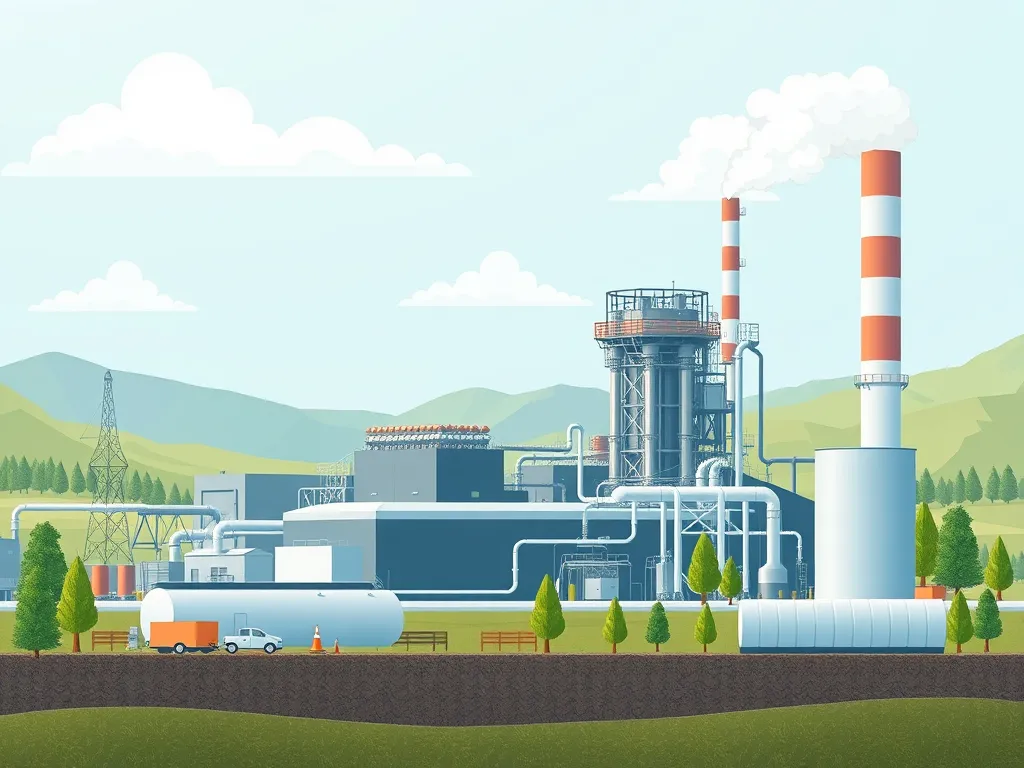
New methods focus on cutting environmental harm while boosting performance. These approaches blend recycled materials, smarter designs, and energy-smart tech to reshape road construction.
Integration Of Recycled Materials
Reusing waste products cuts landfill loads and slashes raw material needs. Two standout options show how trash becomes treasure in pavement engineering.
Plastic Waste in Asphalt Mixtures
Melted plastic pellets now replace 6–10% of bitumen in some mixes. Trials in California and India show roads with 8% recycled plastic handle 40% more traffic stress. This method locks microplastics into pavement, stopping ocean leaks. Challenges include maintaining consistent melt temps during production.
Rubberized Asphalt from Recycled Tires
Shredded tire rubber replaces 15–22% of traditional binder in rubberized asphalt. Arizona’s “Quiet Pavement” initiative cut highway noise by 12 decibels using this tech. The rubber boosts crack resistance, doubling road lifespan in freeze-thaw zones. Over 12 million tires get repurposed annually through U.S. rubberized asphalt projects.
Permeable Pavement Systems
These porous designs let 1,200–3,000 gallons of water per hour seep through each parking space. Layers of crushed stone under the asphalt filter pollutants while replenishing groundwater. Philadelphia’s Green Streets program saw 30% fewer storm drain overflows after switching to permeable asphalt in flood zones.
Solar-reflective Coatings for Urban Heat Mitigation
Special sealants with titanium dioxide reflect 30–50% more sunlight than standard blacktop. Los Angeles streets coated with CoolSeal stayed 10–15°F cooler during heatwaves. These coatings also resist UV damage, extending pavement life by 3–5 years in sun-heavy regions.
As materials evolve, focus shifts to entirely new approaches for eco-friendly road construction. Next-generation alternatives aim to redefine what pavements can achieve.
Also See: Innovations in Asphalt Mixing Technology: Key Changes
Eco-friendly Alternatives to Traditional Asphalt
New materials redefine road construction by merging performance with ecological responsibility. These solutions tackle stormwater control, urban heat, and resource depletion through inventive design.
Porous Asphalt for Water Management
Porous asphalt features interconnected voids enabling 300-600 gallons of water per minute to drain through each square yard. Cities like Philadelphia deploy it in parking lots to reduce runoff by 75%. This mix combines coarse aggregates with polymer-modified binders, filtering pollutants while replenishing groundwater. Maintenance costs drop 30% over 15 years compared to conventional pavements.
Grass-reinforced Pavement Systems
Grass-reinforced systems embed vegetation within grid structures made from recycled plastics or concrete. Load-bearing cells support root growth while handling up to 10,000 psi traffic loads. Projects in Rotterdam demonstrate 40% lower surface temperatures than standard asphalt. These grids absorb 6-8 tons of CO2 annually per hectare, merging green infrastructure with durable surfaces.
Biodegradable Asphalt Materials
Researchers test binders derived from lignin, algae oil, or spent cooking grease to replace petroleum-based bitumen. Bio-bitumen mixes decompose 50% faster at end-of-life without compromising strength. Trials in Sweden show bio-asphalt lasts 12-15 years under heavy traffic, matching traditional lifespans. Production cuts greenhouse emissions by 65% through renewable feedstocks.
These breakthroughs in eco-friendly road construction set the stage for rethinking how performance meets sustainability in pavement engineering. Next, we explore methods to optimize these materials under real-world stresses.
Performance Optimization in Sustainable Asphalt
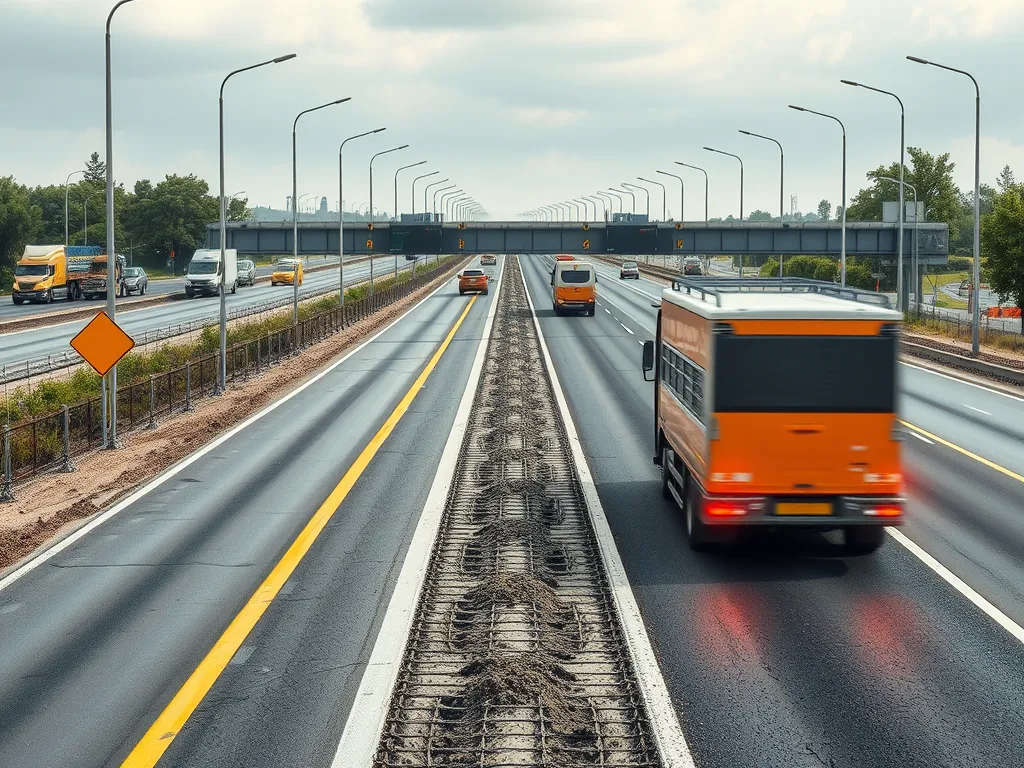
Balancing sustainability with performance drives modern asphalt research. Engineers now prioritize materials that last longer while cutting environmental harm. These breakthroughs redefine how roads handle weather, traffic, and time.
High-durability Mix Designs
New asphalt blends combine recycled materials with advanced binders to boost lifespan. Polymer-modified PG 76-22 binders mixed with 30-40% RAP (Recycled Asphalt Pavement) resist rutting at 120°F and cracking at -22°F. Trials in Texas show these mixes last 18-22 years – 35% longer than standard asphalt. Adding nano-silica or recycled plastic fibers further strengthens pavement against heavy truck loads.
Advanced Quality Control Technologies
Precision monitoring ensures eco-friendly asphalt meets strict performance benchmarks. From mix plants to roadways, sensors track temperature, density, and compaction in real time.
AI-Driven Monitoring Systems
Machine learning algorithms analyze data from paver-mounted infrared cameras and ground-penetrating radar. These systems predict voids in mat density before compaction, adjusting operations instantly. A 2023 Michigan DOT pilot cut repair costs by $8,200 per mile using AI to flag weak spots during installation.
Real-Time Performance Testing
Portable devices like the Pavement Quality Indicator (PQI) 380 measure stiffness and moisture resistance onsite. Contractors verify if mixtures meet MEPDG (Mechanistic-Empirical Pavement Design Guide) specs within minutes, slashing lab wait times by 90%. Florida’s I-4 Ultimate project used this tech to recycle 98% of old pavement without sacrificing strength.
| Technology | Function | Impact |
|---|---|---|
| AI Thermal Mapping | Tracks mix temperature during laydown | Reduces segregation defects by 62% |
| PQI 380 Sensors | Measures in-place density | Cuts testing time from 48 hrs to 15 mins |
| GPR Scanning | Detects subsurface voids | Lowers maintenance costs by $12/sq.yd over 10 yrs |
These tools bridge the gap between eco-friendly materials and industrial-grade reliability. As methods evolve, they set the stage for assessing long-term environmental impacts.
Environmental Impact and Lifecycle Assessment
Evaluating the environmental footprint of asphalt production has become critical for developing future sustainable asphalt solutions. Lifecycle assessments now drive innovations in asphalt formulas, manufacturing, and recycling protocols.
Reducing Carbon Footprint in Production
Traditional asphalt plants emit 20-35 kg of CO₂ per ton of mix. New methods cut this by 40%. Warm Mix Asphalt (WMA) lowers production temperatures to 230-280°F (110-138°C), reducing energy use by 30% versus hot-mix asphalt. Bio-based binders like lignin or algae oil replace 15-50% of petroleum-based bitumen, slashing emissions. Solar-powered plants and electric drum dryers further shrink carbon output. The National Asphalt Pavement Association reports 95% of U.S. asphalt gets recycled—diverting 80 million tons of waste annually.
Long-term Ecological Benefits
Permeable pavement systems reduce stormwater runoff by 75%, replenishing groundwater. Rubberized asphalt repurposes 12 million scrap tires yearly, cutting landfill growth. Solar-reflective coatings lower urban heat island effects by 5-10°F (-12 to -6°C) in pilot cities. Biodegradable asphalt prototypes with plant-based polymers decompose safely after 30-50 years. These ecologically sustainable road technologies also reduce long-term maintenance cycles—polymer-modified mixes last 50% longer than conventional asphalt.
As lifecycle metrics redefine road construction standards, engineers now prioritize data-driven solutions. Next, we examine how performance testing ensures these innovations meet real-world demands.

Frequently Asked Questions (FAQ)
What Are Some Of the Most Promising Materials for Sustainable Asphalt Innovations?
Promising materials for sustainable asphalt include bio-based binders from sources like lignin and algae oil, recycled plastics, and rubber from tires. These materials not only reduce reliance on petroleum but also enhance the physical properties of the asphalt. For example, bio-based binders can improve flexibility and durability, while recycled rubber can significantly increase crack resistance.
How Does the Use Of Recycled Materials Affect the Performance Of Asphalt?
Using recycled materials like Recycled Asphalt Pavement (RAP) and rubberized asphalt enhances the durability and performance of asphalt. Research shows that incorporating these materials can lead to longer service life, improved crack resistance, and better performance under varying traffic loads and weather conditions. For instance, rubberized asphalt can effectively mitigate noise pollution and improve the longevity of pavements.
What Role Does Technology Play in Optimizing Sustainable Asphalt Production?
Technology plays a crucial role in optimizing sustainable asphalt production by monitoring and improving quality control processes. Innovations like AI-driven monitoring systems and real-time performance testing ensure that asphalt mixes meet stringent performance criteria while minimizing waste. For example, sensors can analyze material density and temperature during production, allowing for immediate adjustments to improve overall quality and efficiency.
How Can Permeable Pavement Systems Contribute to Environmental Sustainability?
Permeable pavement systems contribute to environmental sustainability by allowing water to infiltrate through the surface, significantly reducing stormwater runoff and promoting groundwater recharge. They can filter pollutants as water passes through the layers, making them particularly effective in urban areas prone to flooding. Cities implementing these systems have reported notable reductions in overflow events and improved water quality.
What is the Significance Of Solar-reflective Coatings in Urban Areas?
Solar-reflective coatings are significant in urban areas as they help mitigate the urban heat island effect by reflecting more sunlight and reducing surface temperatures. These coatings can create cooler streets, leading to reduced energy consumption for cooling buildings and improved comfort for residents. Additionally, they can extend the lifespan of pavement by minimizing thermal stress damage.
How Does the Lifecycle Assessment Of Asphalt Impact Future Innovations?
Lifecycle assessment (LCA) impacts future innovations by providing critical data on the environmental impacts of asphalt production, use, and disposal. LCA helps identify areas for improvement, guiding the development of more sustainable materials and processes. It encourages engineers and manufacturers to prioritize options that lower carbon footprints and enhance overall ecological benefits throughout the asphalt’s lifecycle.
What Challenges Do Engineers Face in Adopting Sustainable Asphalt Technologies?
Engineers face several challenges in adopting sustainable asphalt technologies, including the need for regulatory compliance, initial higher costs of eco-friendly materials, and ensuring consistent quality in recycled products. Additionally, there might be a lack of familiarity among contractors with new technologies, which can hinder widespread implementation. Ongoing training and development of supportive industry standards can help overcome these challenges.
Closing Thoughts
The future of sustainable asphalt technologies is bright and full of promise. Innovations like Warm Mix Asphalt (WMA) and recycled asphalt pavement (RAP) enhance performance while reducing environmental impact. As engineers integrate bio-based binders and modifiers, they push the boundaries of what asphalt can achieve.
New methods that emphasize energy efficiency and low-carbon processes are essential. These techniques don’t just improve quality; they also align with global sustainability goals. Integrating recycled materials, such as plastic waste and rubber from tires, further supports this movement towards greener paving solutions.
Innovations like permeable pavement systems and solar-reflective coatings are groundbreaking. They address urban heat, manage water effectively, and mitigate flooding, contributing to a more sustainable infrastructure. High-durability mix designs and AI-driven quality control technologies will optimize performance and longevity.
As the road ahead unfolds, the asphalt industry is poised for transformation. Embracing these advancements can pave the way for greener, more resilient communities. For more information and tools related to sustainable asphalt solutions, visit Asphalt Calculator USA.
Useful References for You:
- Huang, Y. H. (2004). Pavement Analysis and Design (2nd ed.). Upper Saddle River, NJ: Pearson/Prentice Hall.
- New Innovations That Will Change How Asphalt Paving is Done Commercial Asphalt, Parking Lot Paving + Best in Pinellas! Anderson & Sons Asphalt of Pinellas
- Innovation | Asphalt Pavement Alliance
- About Environmental Impact – Asphalt & Wax Innovations | Green Asphalt Technologies
- Future Innovations In Asphalt Technology And Their Implications – FasterCapital

