Final Thoughts on Improving Safety in Asphalt Paving Projects
Published on: December 17, 2025 | Last Updated: April 14, 2025
Written By: George Voss
Improving safety in asphalt paving projects requires clear strategies, proven methods, and constant risk checks. Workers face 300°F hot asphalt mixes, lung-damaging dust, and fire risks daily. Key actions include using heat-resistant gloves, NIOSH-approved N95 respirators, and OSHA-mandated equipment checks. Missing these steps can cause third-degree burns, $15,625 OSHA fines, or stalled projects.
This article gives a step-by-step guide to asphalt safety. Learn how to spot fresh asphalt hazards and control flammable vapors. Get PPE lists for proper gear fitting and maintenance. Break down OSHA’s 1926.601 rules for paver operation. Find dust control tactics and emergency cooling for burns. The FAQ section tackles real questions about fume exposure limits and spill kits.
Contents
- Core Safety Practices for Asphalt Paving Projects
- Essential PPE for Asphalt Paving Safety
- Safety Protocols for Asphalt Repairs
- OSHA Compliance in Asphalt Paving
- Training Programs for Asphalt Workers
- Equipment Safety in Asphalt Operations
- Environmental Considerations
- Emergency Preparedness
- FAQs: Asphalt Paving Safety
- Closing Thoughts
- Useful References for You:
Core Safety Practices for Asphalt Paving Projects
Effective safety plans start with recognizing risks unique to asphalt work. Three primary hazards demand attention: extreme heat from fresh mix, airborne particles, and fire potential. Tackling these requires targeted strategies backed by data-driven protocols.
Identifying Asphalt-specific Hazards
Every asphalt project carries inherent risks tied to materials and processes. Addressing these demands knowledge of material properties and real-world job site conditions.
Risks of Hot Mix Asphalt Handling
Freshly laid asphalt mix reaches 290°F to 325°F – temperatures that cause third-degree burns within seconds. Workers near spreaders or rollers face direct contact risks. Thermal gloves rated for 500°F+ and aluminized aprons prove vital when raking or adjusting mix. Establish a 10-foot exclusion zone around delivery trucks during pours.
Asphalt Dust Exposure and Respiratory Concerns
Cutting cured asphalt generates respirable crystalline silica (RCS) dust. OSHA’s permissible exposure limit stands at 50 µg/m³ over 8 hours. Use water sprayers at milling sites and NIOSH-approved N95 respirators. For prolonged grinding, upgrade to powered air-purifying respirators (PAPRs) with HEPA filters.
Flammability of Asphalt Products
While asphalt cement isn’t easily ignited, its flash point ranges from 400°F to 450°F. Fumes from heated tanks or storage drums can combust if exposed to sparks. Maintain 30 feet between hot oil heaters and open flames. Keep ABC fire extinguishers rated for Class B fires at every paver and tack truck.
With these hazards mapped, the next layer of defense comes through proper gear selection and usage protocols. Let’s examine how PPE acts as the last line of protection against asphalt’s physical and chemical threats.
Essential PPE for Asphalt Paving Safety
Proper personal protective equipment forms the frontline defense against asphalt-related risks. Workers face temperatures exceeding 300°F with hot mix asphalt (HMA), airborne particulates, and chemical vapors. Selecting gear meeting ASTM/ANSI standards prevents burns, respiratory issues, and long-term health impacts.
Mandatory Protective Gear
OSHA 1926.601 mandates specific protections for asphalt operations. Gear must address thermal, chemical, and mechanical hazards present during mixing, spreading, and compaction.
Heat-Resistant Gloves and Clothing
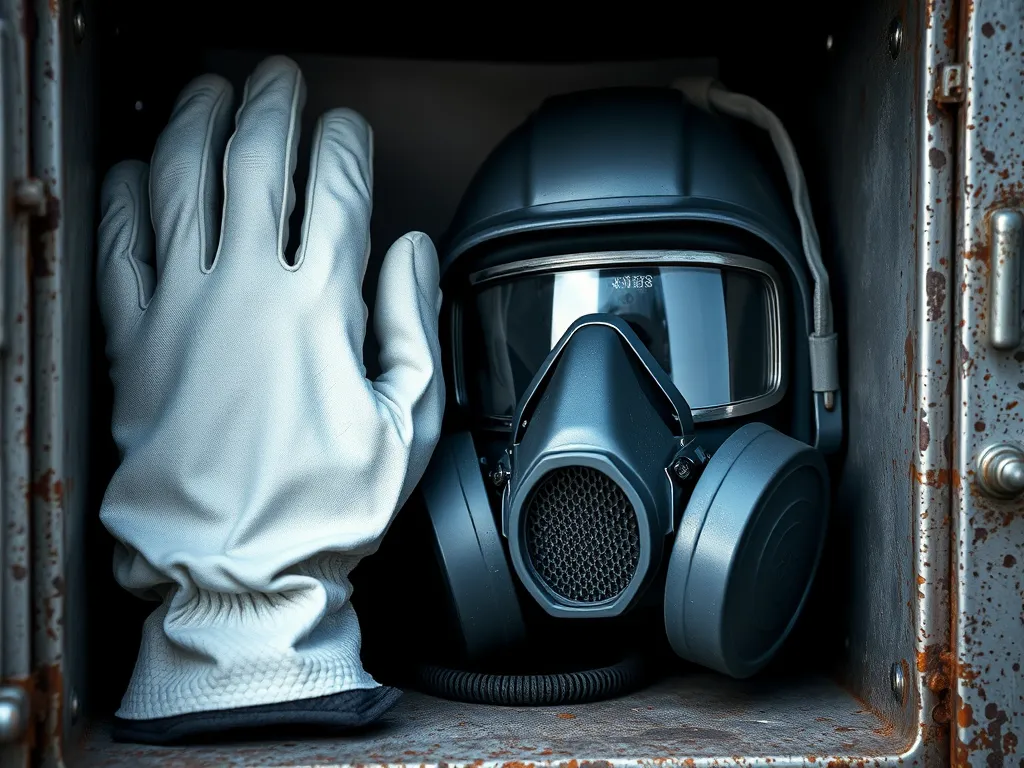
Leather gloves with Kevlar stitching handle HMA temperatures up to 350°F without melting. Full-sleeve aluminized suits reflect radiant heat during raking or screeding. Flame-retardant cotton blends (8-10 oz/sq yd) prevent fabric ignition near hot oil tanks or burners.
Respirators for Fume and Dust Mitigation
NIOSH-approved N95 respirators filter 95% of asphalt dust particles above 5 microns. Half-mask models with P100 filters and organic vapor cartridges block polycyclic aromatic hydrocarbons (PAHs) emitted above 250°F. Fit testing ensures less than 1% leakage during 8-hour shifts.
Eye and Hearing Protection
Goggles with indirect vents (ANSI Z87.1) shield against hot tar splatter and flying aggregate. Earplugs with 25-30 dB noise reduction ratings (NRR) combat paver/roller noise levels averaging 89-93 dB(A).
PPE Maintenance and Fit Requirements
Inspect gloves daily for cracks compromising thermal protection. Replace respirator cartridges every 40 hours or when odor breakthrough occurs. Store gear away from direct sunlight to prevent UV degradation of elastic seals. Conduct seal checks using positive/negative pressure tests before each use.
With PPE protocols established, the next focus shifts to implementing repair-specific safety measures…
Safety Protocols for Asphalt Repairs
Effective asphalt repairs demand structured safety measures. These protocols protect crews from burns, equipment hazards, and airborne particulates. Let’s break down critical steps for maintaining asphalt paving safety during repair operations.
Pre-repair Preparations
Thorough planning reduces risks before work begins. Establish clear traffic control zones using cones, signs, or barriers. Verify utility line locations to avoid strikes. Assign a spotter for equipment movement in tight spaces.
Site Inspection and Hazard Mitigation
Conduct a JSA (Job Safety Analysis) to identify risks like unstable edges, overhead wires, or uneven terrain. Test asphalt temperatures: fresh mixes reach 300°F, posing burn risks. Use thermal cameras to detect subsurface voids. Apply tack coats only in ventilated areas to limit fume exposure.
Safe Handling Of Asphalt Materials During Repairs
Hot mix asphalt requires strict handling protocols. Maintain 8-10 feet of clearance between workers and paving machinery. Use insulated shovels with non-slip grips for material spreading. Store asphalt emulsions at 140-160°F to prevent ignition risks from overheating.
- Monitor mix temperature drops – below 250°F increases compaction effort and injury risks
- Deploy dust suppression systems when milling old pavement
- Rotate crews every 2 hours to limit heat stress during summer repairs
OSHA’s 29 CFR 1926.601 mandates backup alarms on all dump trucks – test functionality daily. For infrared asphalt repairs, enforce a 15-foot exclusion zone around heating units.
Up next: Learn how OSHA’s latest standards shape asphalt paving site safety through equipment rules and exposure limits.
Also See: Green Products for Asphalt Maintenance
OSHA Compliance in Asphalt Paving
Meeting OSHA standards forms the backbone of asphalt paving safety. Road construction crews must align with 29 CFR 1926 subpart Q and 29 CFR 1910.1200 for chemical hazard communication. Violations can trigger fines up to $15,625 per incident, making compliance both a legal mandate and a cost-saving measure.
Key Regulations for Road Construction
OSHA’s construction standards address asphalt-specific risks through three core rules: powered industrial trucks (1926.602), machinery guarding (1926.200), and worker training (1926.20). Projects using hot mix asphalt must also follow 1926.65 for hazardous waste operations.
Temperature and Chemical Exposure Limits
Hot mix asphalt arrives at 275°F-325°F, requiring strict thermal protection. OSHA sets a Permissible Exposure Limit (PEL) of 5 mg/m³ for asphalt fumes over 8 hours. For benzene in asphalt binders, the PEL drops to 1 ppm. Engineering controls like local exhaust ventilation cut fume levels by 60-80%.
| Hazard | OSHA Limit | Control Method |
|---|---|---|
| Asphalt Fumes | 5 mg/m³ | Ventilation systems |
| Benzene | 1 ppm | Sealed mixers |
| Noise | 90 dB (8 hr) | Barrier walls |
Equipment Operation Standards
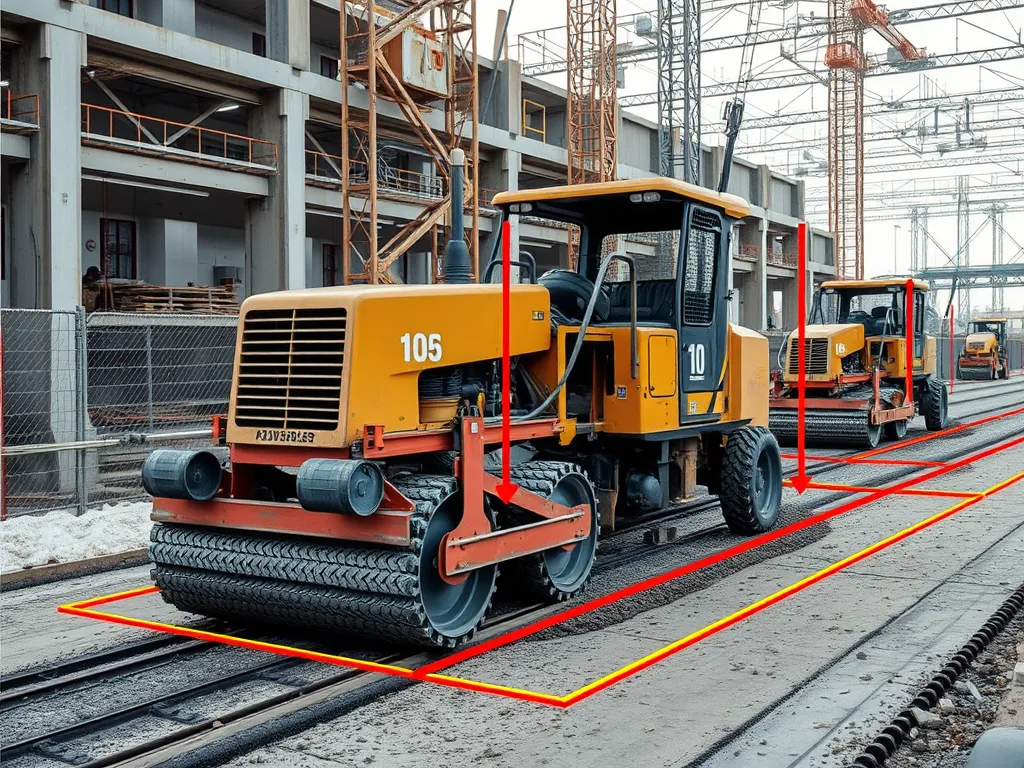
Paver screeds demand 10 ft clearance zones during operation. OSHA 1926.601 mandates backup alarms for asphalt trucks, while 1910.147 requires lockout/tagout during roller maintenance. Operators handling 350°F+ materials need certified heat-resistant gloves meeting ASTM F2878 standards.
Proper equipment protocols reduce incident rates by 43% according to NIOSH data. Up next: How targeted training programs turn these regulations into daily safety habits.
Training Programs for Asphalt Workers
Strong training cuts risks on job sites. Programs must blend class work with real-world drills to build skills fast.
Implementing Effective Safety Training
Good training covers gear use, hazard spots, and OSHA rules. Mix videos, demos, and quizzes to keep workers sharp.
Hands-On Equipment Handling Drills
Workers learn best by doing. Weekly drills teach:
- Safe starts for pavers and rollers
- Hot mix load/unload steps
- Shut-down steps to avoid burns
Use real gear in drills – simulators miss key heat and weight factors.
Emergency Response Scenarios
Run live fire, spill, and first aid drills monthly. Focus on:
- Cooling burns with water (15+ mins)
- Spill kits for hot mix leaks
- Fast exits when fumes spike
Track drill times – crews should act in under 90 sec for burns, 2 mins for fires.
With strong drills in place, teams face fewer shocks. Next, we’ll break down how gear upkeep keeps sites safe.
Equipment Safety in Asphalt Operations
Proper equipment management forms the backbone of safe paving projects. From compactors to pavers, every machine requires strict protocols to prevent worksite incidents tied to moving parts, high temperatures, or mechanical failures.
Maintenance Of Paving Machinery
Routine upkeep extends equipment lifespan while reducing breakdown risks. Focus on rollers, pavers, and material transfer vehicles – components with hydraulics, belts, or heated elements needing frequent inspection. Replace worn parts like conveyor chains every 500-800 hours based on manufacturer specs.
Pre-Shift Equipment Checks
Conduct systematic evaluations before ignition. Verify fluid levels, hydraulic pressure (target: 2,000-2,500 psi), and brake function. Test emergency shutoffs on pavers operating at 280-325°F. Document findings using checklists like this:
| Component | Inspection Focus |
|---|---|
| Compactor Drum | Cleanliness, temperature sensors |
| Paver Screed | Leveling arms, heat distribution |
| Truck Beds | Residual material, release agents |
Safe Operation Of Asphalt Spreaders
Operators must hold current certifications for equipment exceeding 15,000 lbs. Maintain 10-15 ft clearance from workers during spreading. Set screed temperatures within 25°F of mix temps to prevent sticking. Use voice or light signals when reversing – noise levels near spreaders often hit 85-90 dB.
Up next: How emission controls and material management contribute to safer, greener worksites.

Environmental Considerations
Safe paving ties to how crews handle the earth’s resources. Smart steps cut harm and keep sites clean for workers.
Minimizing Asphalt Waste
Less waste means fewer risks. Left-over hot mix can burn skin or block paths. Reuse old asphalt in new jobs—up to 30% can be mixed in. Plan jobs with GPS tools to track how much mix gets poured. Store extra in sealed bins to stop spoilage. This cuts cost by up to 25% and keeps sites tidy.
- Blend 20-30% reused asphalt in fresh mix
- Track pour rates with real-time apps
- Train teams to report spill risks fast
Controlling Dust and Emissions
Dust chokes lungs. Fumes from hot mix harm eyes. Spray water on roads and stock piles to hold dust down. Use warm mix tech to lower heat by 50°F—this slashes fumes by half. Fit gear with filters that trap PM2.5 bits. Test air each shift to stay under OSHA’s 15 mg/m³ dust limit.
- Run water trucks near pave zones
- Switch to warm mix for low-fume jobs
- Seal cabs on graders and rollers
Clean sites run smooth. Now let’s prep for when things go wrong.
Emergency Preparedness
Hot mix asphalt operations carry risks from 300°F materials to flammable binders. Strong plans cut injury odds by 63% in paving zones. This mix of protocols and training forms a shield against worst-case situations.
First Aid for Asphalt Burns
Bitumen burns demand swift action. Cool skin instantly using running water for 20 minutes – no ice. Remove stuck asphalt only after cooling to avoid tearing skin. Apply hydrogel dressings for partial-thickness burns. Train crews in burn depth identification: pink skin (superficial) vs white/black patches (full thickness needing clinic care).
Spill and Fire Response Plans
Hot oil spills from tankers require immediate containment. Use absorbent pads rated for 400°F liquids. For fires involving liquid asphalt, Class B foam units must sit within 50 ft of laydown areas. Drill teams monthly on shutdown procedures: – Isolate ignition sources – Activate thermal barriers – Deploy dry chemical units (18 lb minimum capacity) Sites following NFPA 30 standards report 85% fewer spill-related incidents.
Applying these asphalt paving safety protocol steps creates a foundation for tackling crises. Next, we’ll break down common questions about maintaining protection daily.

FAQs: Asphalt Paving Safety
What Are the Key Benefits Of Safety Training for Asphalt Workers?
Safety training for asphalt workers improves awareness of hazards, enhances proper equipment handling, reduces the risk of accidents, and encourages compliance with safety regulations. By fostering a culture of safety, training programs prepare workers for emergency situations, ultimately leading to safer job sites and improved overall performance.
How Can Workers Minimize Their Exposure to Asphalt Fumes?
Workers can minimize exposure to asphalt fumes by implementing effective ventilation systems, utilizing proper PPE such as respirators, and adhering to safe handling guidelines. It is also beneficial to monitor air quality regularly and take breaks in designated safe areas away from fume exposure.
What Strategies Can Be Implemented for Effective Dust Control on Asphalt Paving Sites?
Effective dust control strategies include using water sprays to dampen surfaces, utilizing dust suppression agents, deploying vacuum systems during milling operations, and scheduling work to minimize wind exposure. Additionally, incorporating warm mix asphalt, which produces less dust, can also help reduce airborne particles.
How Do Environmental Considerations Impact Safety Protocols in Asphalt Paving?
Environmental considerations impact safety protocols by necessitating the implementation of measures to minimize waste and emissions, thereby reducing hazards not only for workers but also for the surrounding community. Efficient resource management and responsible handling of materials help create a safer and more sustainable working environment.
Why is It Important to Establish Pre-repair Preparation Protocols?
Establishing pre-repair preparation protocols is essential to identify potential hazards, ensure proper site setup, and facilitate effective communication among workers. These measures help to prevent accidents, improve efficiency, and ensure that all team members understand their roles and responsibilities during repair operations.
What Role Does Equipment Maintenance Play in Asphalt Paving Safety?
Equipment maintenance plays a crucial role in asphalt paving safety by ensuring that all machinery operates efficiently and without malfunction. Regular maintenance checks prevent equipment failures, reduce the risk of accidents, and ensure compliance with safety standards, ultimately creating a safer work environment for all workers involved.
How Can Emergency Preparedness Impact Safety Outcomes on Asphalt Paving Projects?
Emergency preparedness impacts safety outcomes by equipping workers with the knowledge and skills necessary to respond effectively in crisis situations. Well-rehearsed emergency plans reduce response times, improve injury management, and minimize damage during incidents, fostering a safer working environment overall.
Closing Thoughts
Improving safety in asphalt paving projects is paramount for protecting workers and ensuring efficient operations. It’s crucial to identify specific hazards associated with handling hot mix asphalt and managing asphalt dust. Mandatory personal protective equipment (PPE), such as heat-resistant gloves, respirators, and eye protection, plays a vital role in minimizing risks.
Training programs should focus on hands-on equipment handling and emergency response, ensuring workers are well-prepared. Compliance with OSHA regulations ensures that temperature and chemical exposure limits are respected, maintaining a safe working environment.
Regular maintenance of paving machinery and safe operation of asphalt spreaders contribute significantly to safety. Moreover, attention to environmental aspects—like controlling dust and emissions—enhances project sustainability while fostering a safe atmosphere.
To summarize, prioritizing safety through effective training, proper equipment maintenance, and adherence to regulations will lead to safer asphalt paving projects. For further information and resources, visit Asphalt Calculator USA.