
Final Thoughts on Enhancing Driveway Durability
Published on: December 14, 2025 | Last Updated: April 14, 2025
Written By: George Voss
Enhancing driveway durability requires sealing cracks quickly, using high-grade asphalt mixes, and maintaining consistent upkeep. Proper installation matters most – compacting layers to 95% density prevents shifting. Sealcoating every 3 years blocks UV rays and water penetration. Repair methods like infrared patching fix potholes without cold joints. Driveways last 15-25 years with these steps.
This guide breaks down proven strategies. Compare emulsion vs coal tar sealants. Learn why 9.5mm Superpave hot mix asphalt resists rutting. Discover drainage fixes like 2% slope grading. Explore cost comparisons: resealing costs $0.15-$0.25 per square foot versus $3-$7 for replacement. Get winter care tips and eco-options like permeable asphalt. Data-driven solutions keep driveways functional for decades.
Contents
- Introduction to Driveway Durability Enhancements
- Core Strategies for Enhancing Asphalt Driveway Strength
- Best Practices to Improve Driveway Lifespan
- Evaluating Driveway Condition: Resurfacing Vs. Replacement
- Eco-friendly Considerations for Sustainable Driveways
- Frequently Asked Questions on Driveway Durability
- Closing Thoughts on Enhancing Driveway Durability
- Additional Resources for You:
Introduction to Driveway Durability Enhancements
Driveways face wear from cars, sun, rain, and ice. Boosting their strength and lifespan needs smart steps. Key factors? Base prep, mix choice, upkeep, and weather shifts. A strong base with crushed stone (6-8 inches thick) stops cracks. Hot mix asphalt (290–320°F during lay) bonds tight for firm rides.
Sealcoating every 3–5 years blocks water, oil, and UV harm. Fix cracks fast with rubber fillers to halt spreading. Add slopes (1-2% grade) or trenches to steer water off. For green goals, pick asphalt with 30% recycled content or try permeable mixes (cost: $8–$15 per sq ft) that soak in rain.
Balance cost, looks, and earth care when choosing fixes. A well-kept drive slashes repair bills by half over 10 years. Next, let’s break down core methods to build tough drives that last.
Core Strategies for Enhancing Asphalt Driveway Strength
Durable driveway construction starts with selecting materials and methods designed to withstand traffic, weather, and time. Three critical tactics separate short-term fixes from lasting results.
Choosing the Right Asphalt Sealer: Emulsion Vs. Coal Tar
Sealcoating shields surfaces from UV rays, oil spills, and water infiltration. Emulsion-based sealers (water-based) dry faster—ready for use in 12-24 hours—and emit fewer fumes. Coal tar varieties last 3-5 years versus 2-3 years for emulsion but contain higher VOC levels. For eco-conscious projects, acrylic polymer sealants offer a middle ground with 40% longer wear than standard options.
Importance Of Hot Mix Asphalt in Durable Construction
Hot mix asphalt (HMA) remains the gold standard for driveways. Produced at 300°F, HMA’s dense gradation creates a tight matrix resistant to rutting. PG 64-22 binders—common in northern climates—handle freeze-thaw cycles better than cold mixes. Specify ½” aggregate size for residential surfaces; larger stones (¾”) suit heavy-duty applications but reduce smoothness.
Repairing Cracks and Potholes for Longevity
Unsealed cracks wider than ¼” let water erode base layers. Use rubberized asphalt filler (ASTM D6690 compliant) for gaps up to 1”. Potholes require full-depth repairs: remove debris, compact 6” gravel base, apply HMA patch, and seal edges. Addressing these issues within 48 hours of detection prevents 80% of structural failures during winter months.
These measures lay the groundwork—but maintaining peak performance requires consistent care. Let’s examine daily habits that extend your paved surface’s prime years.
Best Practices to Improve Driveway Lifespan
Maximizing driveway durability demands consistent care paired with smart maintenance habits. These five strategies directly combat common causes of asphalt deterioration while boosting structural integrity year-round.
Regular Sealcoating for Optimal Protection
Apply fresh sealant every 2-3 years using emulsion or coal tar-based products. This 1/8-inch protective layer blocks UV oxidation, resists oil/gasoline spills, and fills surface voids. At $0.15-$0.25 per square foot, sealcoating extends pavement life by 5-7 years compared to unsealed surfaces.
Timely Resealing After Harsh Winters
Schedule spring resealing if winter temperatures dropped below 20°F for extended periods. Freeze-thaw cycles expand existing cracks, while road salt accelerates binder breakdown. Wait until daytime temps hit 50°F+ for 48 consecutive hours before application.
Ensuring Proper Drainage to Prevent Water Damage
Maintain a 2% slope away from structures and install trench drains or catch basins in low spots. Standing water softens asphalt layers, causing raveling and base failures. For severe pooling, consider permeable asphalt patches—they divert 500+ gallons of water hourly per 100 sq ft.
Avoiding Heavy Loads and Machinery on Asphalt
Limit vehicle weights to 3,000 lbs (50 psi) to prevent depressions. RVs, dumpsters, or construction equipment require 3/4-inch plywood load-spreading mats. Repeated heavy loads compress the base layer, creating uneven surfaces prone to cracking.
Prompt Snow and Ice Removal Techniques
Clear snow within 48 hours using plastic-edged shovels to avoid surface scoring. For ice, apply calcium chloride pellets (effective to -25°F) instead of rock salt, which corrodes asphalt binder. Never use propane torches—temperatures above 300°F degrade pavement flexibility.
While these measures significantly boost durability, all driveways eventually show wear. Next, we’ll explore how to assess when surface fixes suffice versus full structural overhauls.
Also See: Asphalt Heating Methods Comparison: Which is Best?
Evaluating Driveway Condition: Resurfacing Vs. Replacement
Deciding between resurfacing or full replacement shapes your driveway’s future performance. Both options impact long-term durability but serve different scenarios. Let’s break down key factors.
When to Opt for Asphalt Resurfacing
Resurfacing works best for driveways with surface-level wear. Choose this method if cracks measure under ¼ inch wide, potholes cover less than 25% of the area, or minor drainage issues exist. A 1.5-2 inch asphalt overlay costs $2-$5 per square foot—far cheaper than full replacement. This approach restores skid resistance and seals minor flaws, adding 8-15 years to your driveway’s service life.
Signs Your Driveway Needs Full Replacement
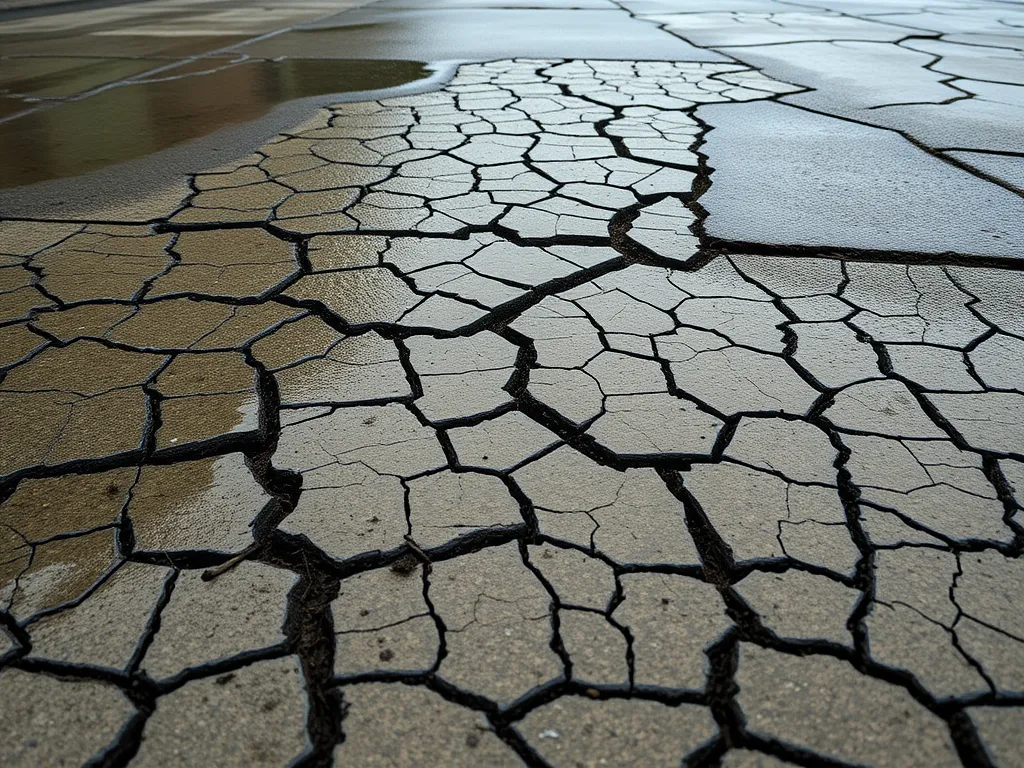
Deep structural problems demand complete reconstruction. Look for alligator cracking (interconnected cracks forming scales), base failures causing uneven surfaces, or standing water that persists after grading attempts. Driveways with over 30% deteriorated material or repeated pothole repairs also qualify. Replacement costs $7-$13 per square foot but addresses root causes like compromised subgrades or aged asphalt beyond 20 years.
Up next: Explore eco-friendly methods that boost durability while reducing environmental impact.
Eco-friendly Considerations for Sustainable Driveways
Building a durable driveway doesn’t stop at strength—sustainability plays a key role. Modern methods blend toughness with eco-conscious choices to create surfaces that last longer while protecting natural resources.
Using Environmentally Safe Asphalt Sealants
Not all sealants are created equal. Coal tar-based products, once common, contain polycyclic aromatic hydrocarbons (PAHs) linked to environmental harm. Switch to water-based or bio-based sealers with low volatile organic compounds (VOCs). These options reduce soil and water contamination while maintaining flexibility to resist cracks. Soy-modified sealants, for example, offer comparable UV protection at $0.15-$0.30 per square foot. They bond tightly to asphalt pores, slowing oxidation without leaching toxins during rain.
Benefits Of Permeable Asphalt Solutions
Permeable asphalt tackles two durability threats: standing water and erosion. Its open-graded structure allows 14-20 gallons of water per minute to drain through the surface, replenishing groundwater. This design minimizes hydroplaning risks and prevents freeze-thaw damage caused by trapped moisture. Installations cost $3-$5 per square foot but cut long-term expenses by eliminating the need for storm drains or regrading. Pair with a gravel subbase for 40% greater load distribution—a win for driveways facing heavy seasonal use.
Balancing eco-innovation with proven performance ensures driveways endure without compromising ecosystems. Next, let’s address common concerns homeowners face when maintaining these surfaces.
Frequently Asked Questions on Driveway Durability
What Are the Negatives Of Sealing a Driveway?
While sealing a driveway offers many benefits, there are some downsides to consider. Sealing can temporarily restrict access to the driveway during application and drying. Additionally, if done improperly, it may lead to surface issues such as peeling or flaking. Furthermore, over-sealing can occur if applications are too frequent, potentially causing more harm than good.
Does Expanding a Driveway Add Value to Your Property?
Yes, expanding a driveway can add value to your property. A larger driveway enhances functionality, particularly for households with multiple vehicles or guests. It can also improve curb appeal, making your property more attractive to potential buyers. However, the quality and execution of the expansion are crucial to ensure that it complements the property’s overall aesthetic and functionality.
Is Resurfacing a Driveway a Cost-effective Solution?
Resurfacing a driveway is often a cost-effective solution compared to complete replacement. If the existing surface has minor defects and is structurally sound, resurfacing can restore its appearance and extend its lifespan at a fraction of the cost of a new driveway. It is particularly advantageous for dealing with surface-level issues while avoiding the major expense and disruption associated with a full replacement.
Closing Thoughts on Enhancing Driveway Durability
Enhancing driveway durability is achievable through thoughtful strategies and proactive maintenance. Start by selecting the right materials, like high-quality asphalt and sealers. Regular attention to repairs, especially cracks and potholes, can prolong your driveway’s life significantly.
Regular sealcoating and timely resealing after harsh winters are vital steps to protect your investment. Additionally, ensuring proper drainage will prevent costly water damage, while avoiding heavy loads will keep your surface intact. Remember, prompt removal of snow and ice reduces wear during winter months.
Evaluating your driveway’s condition is essential. Knowing when to resurface or replace can save money and keep your property attractive. Embrace eco-friendly choices, such as using environmentally safe sealants and considering permeable options for sustainability.
For more information and resources on driveway durability, check out Asphalt Calculator USA. Your approach today will enhance your driveway’s longevity for years to come!

