What Determines Asphalt Costs? Key Factors Explained
Published on: December 15, 2025 | Last Updated: April 14, 2025
Written By: George Voss
Asphalt costs swing based on four main factors: material prices, labor rates, project needs, and location. Petroleum-based asphalt links to crude oil prices, with current rates adding $80-$120 per ton. Aggregates (crushed stone, sand) and binders (like PG 64-22) create $10-$25 per ton price shifts. Thickness requirements (2-4 inches for driveways) change material use by 15-40%. Geographic location matters—urban jobs often cost 20% more than rural ones due to hauling fees and local rules.
This article breaks down every cost factor for asphalt projects. Learn how mix types (hot vs warm) affect $5-$15 per square foot pricing. See why Texas driveways cost less than Michigan ones. Compare labor rates ($45-$75 hourly) and weather delays. Get tips on recycling savings (30% with reclaimed asphalt) and permit fees. We’ll cover crude oil impacts, thickness standards, and concrete comparisons.
Contents
- Understanding Asphalt Pricing Fundamentals
- Material-specific Cost Factors
- Project Specifications Impacting Costs
- Geographic Influences on Asphalt Prices
- Labor Costs in Asphalt Installation
- Supplementary Cost Considerations
- Environmental and Regulatory Factors
- Estimating Asphalt Costs
- Asphalt Vs Alternative Materials
- FAQ: Common Asphalt Cost Questions
- Closing Thoughts
- Additional Resources for You:
Understanding Asphalt Pricing Fundamentals
Asphalt pricing swings with shifting supply chains and production inputs. Four main asphalt cost drivers shape base rates: raw material volatility, manufacturing outputs, transportation logistics, and local demand.
What Affects Asphalt Prices?
Bitumen quality dictates 60-70% of asphalt cost per ton. Regional availability of aggregates like limestone or gravel impacts pricing by up to $15/ton. Labor shortages can add $2-$4 per square foot to installation. Federal specs (like Superpave mixes) may boost project budgets by 12-18% compared to standard blends.
Asphalt Cost Per Ton: Breaking Down Material Expenses
Current asphalt prices per ton range from $70-$120 across U.S. regions. This variation ties directly to two asphalt oil price factors: refinery outputs and crude market swings. A $10 shift in oil costs per barrel typically shifts asphalt costs by $3.50-$4.25 per ton.
Crude Oil Prices and Asphalt Production
Bitumen—asphalt’s binding agent—is a residual from oil refining. With 19-21 gallons of asphalt produced per 42-gallon oil barrel, asphalt price per ton tracks Brent crude within 6-8 weeks. Summer 2023 saw asphalt hit $98/ton when oil spiked to $83/barrel.
Aggregate and Binder Material Costs
High-quality aggregates account for 25-30% of asphalt mix costs. Locally sourced limestone runs $12-$18/ton versus $22-$28 for imported granite. Polymer-modified binders (PG 76-22 grades) cost 40% more than standard PG 64-16 binders but last twice as long in freeze-thaw zones.
Up next: How mix designs and recycling slash long-term asphalt cost factors.
Material-specific Cost Factors
Asphalt pricing shifts significantly based on material composition and production methods. Mix selection directly impacts both short-term budgets and long-term road performance.
Asphalt Mix Types and Pricing Differences
Three primary asphalt mixes dominate construction projects, each carrying distinct cost profiles tied to their production requirements and application scopes.
Hot Mix Asphalt (HMA) Costs
HMA remains the industry standard for permanent pavements, requiring 300-350°F production temps. Using PG (performance-graded) binders like PG 64-22, it provides high-density surfaces for roads and driveways. Current asphalt prices per ton for HMA range $100-$150, varying with crude oil markets and regional aggregate supplies.
Cold Mix Asphalt Applications and Pricing
Cold mix asphalt cures without heat, making it ideal for temporary patches or winter repairs. Priced 40-50% lower than HMA at $50-$80/ton, its higher void content limits structural capacity. Best for low-traffic areas needing quick fixes.
Warm Mix Asphalt Efficiency Premium
WMA technologies like foaming or additives cut production temps to 220-250°F, lowering fuel use by 20%. Though carrying a 5-8% price premium over HMA ($105-$162/ton), WMA’s faster curing and reduced CO₂ output offset initial costs in large-scale jobs.
| Mix Type | Temp Range | Typical Uses | Price/Ton |
|---|---|---|---|
| HMA | 300-350°F | Roads, driveways | $100-$150 |
| Cold Mix | Ambient | Potholes, utility cuts | $50-$80 |
| WMA | 220-250°F | Highways, airports | $105-$162 |
Recycled Asphalt Cost Benefits
Reclaimed Asphalt Pavement (RAP) mixes slash material costs by 20-30% through binder reactivation. Modern plants now blend up to 30% RAP without quality loss, aligning with Superpave specifications. A ton of recycled asphalt costs $18-$25 versus $45-$60 for virgin aggregates, plus cuts landfill fees by $15-$20/ton.
Mix selection forms just one part of asphalt cost planning. Upcoming sections detail how project specs like thickness and site prep further shape final budgets.
Project Specifications Impacting Costs
Job specs shape asphalt costs more than most think. Design choices set the tone for material needs, prep work, and labor hours.
Asphalt Thickness Requirements
Thickness drives both strength and cost. More layers mean more tons of mix – and higher bills.
Load-Bearing Needs and Thickness Standards
Parking lots need 3-4 inches. Truck docks? 6+ inches. PG binders (performance-graded) and Superpave mix designs adjust for heavy loads. Each extra inch adds $0.50-$1.25 per square foot.
Surface Area Calculations
Math matters. A 20×100 ft drive uses 2,000 sq ft of mix. Errors here lead to wasted funds or weak spots.
Price Per Square Foot Analysis
Most jobs run $2.50-$4.50 per sq ft. But note: 1 ton covers 40-80 sq ft at 2″ depth. A 1,000 sq ft job needs 12-25 tons. Bulk buys cut costs – 500+ ton orders save 8-15%.
Site Preparation Complexity
Rough ground hikes prices. Prep steps include:
- Clearing debris: $1-$3 per sq ft
- Grading slopes: $2-$5 per sq ft
- Compacting soil: $0.50-$2 per sq ft
Soft soil? Add $1,000-$5,000 for geotextile fabric or lime. Old pave removal costs $2-$5 per sq ft. Drainage fixes? Another $500-$3,000.
Location plays its part too – let’s see how your zip code changes the game.
Also See: Evaluating the Cost-effectiveness Of Asphalt Driveway Repairs
Geographic Influences on Asphalt Prices
Location plays a major role in final project totals. From hauling raw materials to adapting mixes for local conditions, asphalt pricing factors shift significantly across zip codes.
Regional Price Variations
Asphalt cost per ton swings up to 35% between states. Texas reports $60-$75/ton averages, while California hits $85-$110/ton. Four causes drive this gap:
- Distance from oil refineries/aggregate quarries
- Local tax rates on construction materials
- Availability of recycled asphalt pavement (RAP)
- Competition among regional asphalt plants
Transportation Costs and Fuel Surcharges
Hauling heavy materials burns fuel fast. A 20% jump in diesel rates adds $1.50-$3.25 per ton-mile for asphalt transport. Projects beyond 50 miles from mixing plants typically pay 12-18% fuel surcharges. Strategic sourcing of PG binders (performance-graded asphalt cement) from nearby suppliers cuts these fees.
Local Climate Considerations
Mix designs adapt to survive local weather. Phoenix roads need rut-resistant asphalt with 15% higher polymer content. Minnesota pavements require low-temperature PG 58-34 binders to avoid winter cracking. These customizations impact asphalt price per ton by 8-22%.
Temperature-Adaptive Mix Premiums
Superpave mixes modified with additives like styrene-butadiene-styrene (SBS) cost $8-$15 more per ton than standard HMA. But they last 30% longer in harsh climates. Contractors in frost-prone zones often specify warm mix asphalt with chemical surfactants – a $4/ton upcharge that allows paving at 50°F instead of 275°F.
While location shapes material costs, labor availability and skill levels also sway project budgets. Up next: how workforce dynamics factor into installation totals.
Labor Costs in Asphalt Installation
Workforce expenses form one of the most dynamic asphalt cost drivers, directly impacting project budgets. Skilled crews ensure proper compaction, temperature control, and grading—non-negotiable elements for durable pavement.
Contractor Rates and Labor Availability
Union crews typically charge $45–$75 hourly, while non-union teams range $35–$60. Regions with limited skilled labor pools see rates spike by 15–20% during peak construction months. Tight deadlines or specialized projects (like airport runways) often incur premium charges up to $120 per labor hour. Workforce shortages can delay projects, boosting total costs by 8–12% through extended timelines.
Weather-related Installation Challenges
Hot mix requires ground temperatures above 50°F for proper bonding. Cold-weather pours demand heated mix (adding $8–$15 per ton) or tack coat additives ($0.25–$0.75 per sq.yd). Rain delays cost $500–$2,000 daily for idled crews and equipment. Projects in humid climates might need dehumidification systems, adding $1.50–$3.00 per sq.ft.
Seasonal Pricing Fluctuations
Summer demand peaks push asphalt prices per ton 12–18% higher than spring/fall averages. Winter discounts (5–10% lower) come with risks: 65% of contractors charge standby fees if temps drop below spec. Northern states often see 30-day price swings exceeding $25/ton between June and December.
Paving budgets must next consider regulatory fees—permits, inspections, and compliance checks that vary by jurisdiction.
Supplementary Cost Considerations
Beyond basic material and labor costs, asphalt projects carry hidden financial factors that shape final budgets. Two often-overlooked components directly impact bottom lines: legal obligations and structural necessities.
Permit and Regulatory Compliance Costs
Local rules dictate asphalt work pricing. Municipal permits for residential driveways typically run $200-$1,500, while commercial projects face fees up to $5,000. Stormwater management plans add $500-$2,000 for filtration systems meeting EPA runoff standards. Zoning variances tack on $100-$500 hourly for legal consultations. OSHA-mandated safety protocols require $3,000-$7,000 for training and equipment like asphalt curbing machines.
| Regulatory Factor | Typical Cost Range |
|---|---|
| Building Permits | $50-$300 |
| Traffic Control Plans | $1,000-$4,000 |
| Material Testing | $150-$800 |
Drainage and Base Layer Requirements
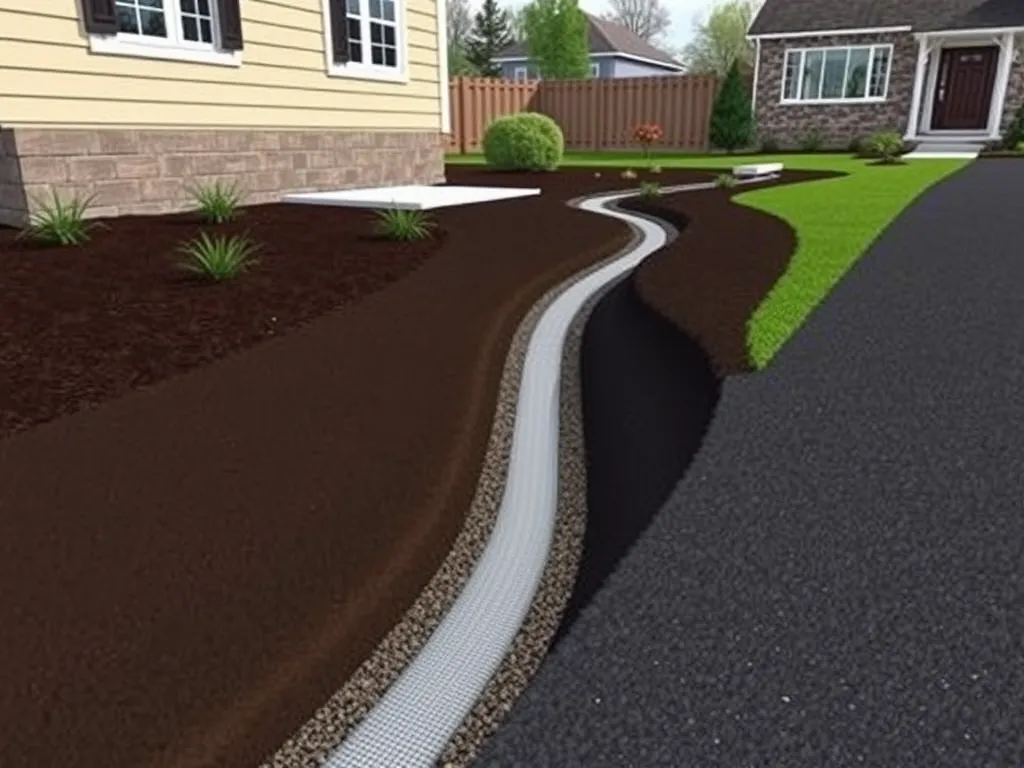
A strong foundation prevents asphalt failure but impacts pricing. A 6-inch crushed stone base costs $1.50-$3.00 per square foot—critical for high-traffic areas. Subsurface drainage systems like French drains add $10-$25 per linear foot. Geotextile fabric underlayments ($0.30-$0.75/sq ft) boost longevity but require skilled installation. Ignoring these needs leads to pothole repairs averaging $50-$300 each.
Upcoming rules on material sourcing and site runoff will further shape financial planning for asphalt projects. Contractors now factor in green infrastructure costs, linking pavement quality to broader infrastructure demands.
Environmental and Regulatory Factors
Asphalt pricing factors extend beyond material and labor costs. Environmental rules and recycling policies shape production methods, material choices, and project budgets.
Emission Control Compliance Costs
EPA standards like the National Emission Standards for Hazardous Air Pollutants (NESHAP) require asphalt plants to install emission-reducing equipment. Baghouses capturing particulate matter cost $500k-$2M. Low-VOC binders meeting ozone regulations add 8-15% to material costs versus conventional options. Plants in non-attainment air quality zones face stricter limits, pushing asphalt price per ton up by $3-$7 in states like Texas or California.
Recycling Mandates and Cost Impacts
31 states now require 20-30% recycled asphalt pavement (RAP) in highway projects. While RAP cuts new aggregate/binder needs by 35%, processing adds $8-$12/ton for crushing/screening. Projects blending 40% RAP save $15-$28/ton but need rejuvenators ($4-$9/gallon) to restore aged binder performance. California’s 2025 50% RAP mandate will increase prep costs while lowering base material expenses.
These environmental factors directly shape how contractors calculate asphalt cost per square foot – a critical step before finalizing project bids.
Estimating Asphalt Costs
Accurately forecasting asphalt costs demands a mix of math, material knowledge, and local market insights. Two primary calculation methods dominate: ton-based pricing and square foot analysis. Both approaches factor in asphalt’s unit weight (145 lbs/cubic foot) and typical compaction rates (90-95% density).
Asphalt Calculator Methodology
Professionals use digital tools to input project dimensions, mix type, and regional asphalt prices. Top calculators account for:
- Base layer compaction rates (affects total material needs)
- Waste allowance (5-10% for trimming)
- Current asphalt price per ton (ranging $80-$180 nationally)
Ton vs Square Foot Calculations
Contractors switch between units based on project phase:
- Tons: Used for material orders (1 ton covers 40-80 sq ft at 2-4″ thickness)
- Square feet: Applied to labor bids ($2.50-$4.50 per sq ft installation)
A 1,000 sq ft driveway needing 3″ compacted asphalt requires 20-22 tons (using 145 lbs/cubic foot formula).
Driveway Cost Case Study
A typical 20’x20′ residential installation shows how variables interact. National averages put total costs between $2,500-$4,000 for this size, with material costs making up 55-60%.
20×20 Asphalt Driveway Price Breakdown
- Materials: 11 tons HMA at $110/ton = $1,210
- Labor: $3.20/sq ft x 400 sq ft = $1,280
- Base prep: $450-$700 (grading, compacting)
- Permits: $75-$150 (varies by jurisdiction)
Thickness choices impact totals – adding 1″ depth boosts material needs by 33% but increases lifespan by 5-7 years.
With calculation methods clarified, comparing asphalt to rival materials reveals surprising long-term savings potential.
Asphalt Vs Alternative Materials
Choosing pavement materials involves weighing immediate costs against long-term value. Asphalt often competes with concrete and gravel, but budget-focused projects typically favor asphalt for its balance of affordability and performance.
Cost Comparison: Asphalt Vs Concrete
Asphalt installation averages $2–$5 per square foot, while concrete ranges from $4–$10. The gap stems from material composition and installation speed. Asphalt uses bitumen (a petroleum product) mixed with aggregates, while concrete relies on cement (a energy-intensive material). Labor costs also differ: asphalt crews can lay 500+ square feet daily, versus 200–300 for concrete.
| Material | Install Cost (per sq ft) | Install Time | Material Lifespan |
|---|---|---|---|
| Asphalt | $2–$5 | 1–2 days | 15–20 years |
| Concrete | $4–$10 | 3–5 days | 25–40 years |
Crude oil prices directly sway asphalt pricing, causing swings of 8–12% annually. Concrete costs tie closer to cement production, which emits high carbon levels, adding regulatory fees of $0.50–$1.50 per square foot in some regions.
Long-term Maintenance Cost Analysis
Asphalt requires sealcoating every 3–5 years ($0.15–$0.25 per sq ft), while concrete needs joint resealing and stain removal. Crack repairs on asphalt cost 30–50% less than concrete slab replacements. Over 20 years, asphalt maintenance totals $1.50–$3.00 per sq ft versus $2.50–$5.00 for concrete.
| Expense | Asphalt (20 yrs) | Concrete (20 yrs) |
|---|---|---|
| Sealant/Resealing | $600–$1,200 | $800–$1,600 |
| Crack Repairs | $200–$500 | $1,000–$2,500 |
| Total Maintenance | $1.50–$3.00/sq ft | $2.50–$5.00/sq ft |
Freeze-thaw cycles impact concrete more severely, raising long-term costs in northern states. Asphalt’s flexibility resists frost heave better, cutting winter damage repairs by 40–60% in cold climates.
These comparisons highlight why asphalt pricing factors favor both short-term budgets and lifecycle savings. Next, we’ll examine how regional variables further shape project expenses.
FAQ: Common Asphalt Cost Questions
Why Does Asphalt Cost Vary Regionally?
Asphalt costs vary regionally due to several key factors including the distance to aggregate and asphalt supply sources, local market demands, and the availability of skilled labor. Additionally, varying state regulations and tax rates can significantly impact the final price of asphalt in different areas.
What Causes Asphalt Driveway Surface Issues?
Surface issues with asphalt driveways can stem from a variety of factors including improper installation, insufficient thickness, low-quality materials, and adverse weather conditions. Additionally, poor drainage can exacerbate problems, leading to cracking and premature deterioration.
How Often Do Asphalt Prices Fluctuate?
Asphalt prices can fluctuate seasonally, often peaking in the summer months when demand is highest. Economic factors such as crude oil prices and local aggregate costs also contribute to these fluctuations, typically causing shifts several times throughout the year.
When is Asphalt Most Cost-effective?
Asphalt is most cost-effective when installed in moderate weather conditions, typically during spring and fall. These seasons reduce the risks associated with installation delays due to extreme heat or cold. Additionally, planning larger projects that allow for bulk purchasing of materials can also lead to significant savings.
Closing Thoughts
Asphalt costs are influenced by a multitude of factors ranging from raw material prices to geographic conditions. Understanding how crude oil rates, local climate variations, and site-specific requirements impact the overall expense is vital for any project. Additionally, the choice between different asphalt mix types can lead to significant cost differences, especially when considering recycled asphalt options.
Labor costs also play a crucial role, influenced by contractor rates and environmental conditions that may affect installation. By closely examining these elements, homeowners and contractors can better manage their budgets and optimize project outcomes.
For more tools and resources related to asphalt costs, check out Asphalt Calculator USA. Equip yourself with the information needed to make informed decisions regarding your asphalt projects.