
Factors Affecting Asphalt Setting Time: What Changes How Fast It Hardens?
Published on: December 16, 2025 | Last Updated: April 14, 2025
Written By: George Voss
Asphalt setting time is the hours or days needed for fresh pavement to harden enough for light use. Unlike curing (full chemical hardening, taking 6-12 months), setting focuses on surface stability. Key factors include air temperature, asphalt mix recipes, layer thickness, and moisture levels. Contractors tweak these to hit deadlines while ensuring roads last 15-20 years.
This article breaks down why your asphalt takes 24 hours or 5 days to set. Learn how 90°F heat speeds hardening versus 50°F delays. Discover why Florida rain adds days to schedules but Arizona sun cuts them. Get data on binder types, recycled materials, and cost-saving additives like paraffin wax. We’ll also cover when to drive, park, or sealcoat without damaging fresh pavement.
Contents
- Understanding Asphalt Setting Time
- Primary Factors Impacting Asphalt Setting Time
- Secondary Influences on Asphalt Curing Process
- Accelerating Asphalt Setting Time
- Environmental Considerations
- Regional Case Study: Asphalt Curing in Florida
- Practical Usage Guidelines
- Frequently Asked Questions
- Final Thoughts
- Additional Resources for You:
Understanding Asphalt Setting Time
Asphalt setting time determines project timelines and pavement quality. This phase marks the transition from liquid mix to traffic-ready surface.
What is Asphalt Setting Time?
Asphalt setting time refers to the period between pavement installation and full structural hardening. During this phase, the liquid asphalt cement (bitumen) binds aggregates as temperatures drop from 275-325°F to ambient levels. PG (Performance Graded) binders play a key role—softer grades like PG 58-28 set slower than stiffer PG 76-22 variants.
| Stage | Temperature Range | Surface State |
|---|---|---|
| Initial Set | 212°F to 140°F | Footprint-resistant |
| Final Cure | Below 100°F | Vehicle-ready |
Why Asphalt Curing Time Matters for Pavement Performance
Rushed curing creates weak spots. Asphalt reaches 95% hardness within 72 hours but needs 6-12 months for full molecular stabilization. Premature traffic loads compress unset layers, causing:
- Rutting from tire pressures
- Raveling (aggregate loss)
- 30% faster oxidation rates
Proper curing increases density by 5-7%, boosting load-bearing capacity. A 2-inch layer cured for 48 hours withstands 18,000 lbs axle weights versus 12,000 lbs at 24 hours.
These performance links make controlling environmental and mix variables critical—factors we’ll explore next.
Primary Factors Impacting Asphalt Setting Time
Four main variables control how quickly asphalt gains stability. From air conditions to mix formulas, all play distinct roles in pavement solidification.
Ambient Temperature and Weather Conditions
Air warmth acts as a catalyst for asphalt curing. Hot days speed up cooling, while cold slows it. Work crews track temps closely to hit optimal application windows.
Effects of Heat vs. Cold on Asphalt Cure Time
At 85°F, asphalt mix may firm up in 3-5 hours. Below 50°F, full solidification can take 48+ hours. PG 64-22 binders (common in northern states) withstand frost but add 20% longer curing vs. southern PG 76-16 grades. Infrared scanners confirm surface temps during compaction.
2. Humidity and Moisture Content
Water vapor slows bitumen hardening. High humidity traps moisture in mixes, delaying binding. Ideal conditions show sub-80% humidity for asphalt work.
Rain and Dew Impact on Asphalt Drying Process
Rain within 24 hours of paving can cut bond strength by 30%. Nighttime dew adds 2-3 hours to curing in coastal zones. Contractors use tarps or tack coats (0.15 gal/yd²) to shield fresh layers.
3. Asphalt Mix Composition
Formula choices dictate how fast pavements firm up. Binder viscosity and rock properties both shape setting speed.
Binder Type and Grade Variations
Polymer-modified PG 88-100 binders cure 40% slower than standard PG 64-22 but boost rutting resistance. Warm-mix additives like Sasobit® lower mixing temps by 50°F, trimming cooling durations by 15%.
Aggregate Size and Porosity
1.5-inch crushed stone drains 25% faster than 0.75-inch gravel. High-void mixes (18% air) cool quicker but risk raveling. Dense-graded Superpave designs balance porosity with 4-8% air voids.
4. Layer Thickness and Application Method
Thick lifts hold heat longer, slowing surface solidification. Paver screed height and roller patterns adjust to manage cooling rates.
Impact of Asphalt Thickness on Curing Times
A 3-inch layer stays pliable for 6-8 hours vs. 2 hours for 1.5-inch overlays. Infrared heaters maintain 275°F in repair patches, shrinking wait times by 65%.
While main factors set the stage, wind patterns and subgrade prep also sway outcomes. Upcoming parts unpack how airflow and foundation work shape final curing results.
Secondary Influences on Asphalt Curing Process
While temperature, mix design, and layer thickness dominate discussions around asphalt setting time, other elements subtly shape outcomes. These secondary factors demand attention during project planning to avoid unexpected delays or surface defects.
Wind Speed and Air Circulation
Moving air alters evaporation rates of volatile oils in asphalt binders. Winds above 15 mph can strip surface heat, accelerating cooling but risking uneven curing. Stagnant air extends asphalt time to cure by trapping moisture beneath the surface. Contractors monitor Beaufort scale readings, adjusting roller timing when gusts exceed 12 mph.
Sun Exposure and UV Radiation
Solar radiation provides natural thermal energy to boost asphalt curing times. Direct sunlight raises pavement temps 18-25°F above ambient air, speeding molecular bonding. Prolonged UV exposure triggers oxidative hardening, creating a crust that slows deeper curing. Projects at elevations above 2,000 feet see 23% faster surface sets due to unfiltered rays.
Base Layer Preparation Quality
A properly compacted base (95% Proctor density minimum) prevents heat sink effects that draw energy from fresh asphalt. Poorly graded materials with over 6% moisture content force mixes to work harder, adding 45-90 minutes to asphalt cure time. Geotextile fabrics in sublayers maintain thermal consistency, cutting total curing duration by 15% compared to traditional stone bases.
Mastering these variables requires on-site adjustments – which leads us to explore methods for actively controlling asphalt time for curing through additives and technology.
Also See: Common Driveway Maintenance Issues and Solutions
Accelerating Asphalt Setting Time
Speed up asphalt curing with smart methods. Focus on mix prep, additives, and tech to cut wait times. Boost job site output while keeping roads strong.
Optimal Application Techniques
Thin layers set 30% faster than thick pours. Rollers with 8-10 ton weight compact hot mix tight, pushing out air. Keep mix temps at 290-330°F during laydown. Cooler mixes below 275°F slow cure rates by half. Use tack coats between layers to bond fast without delays.
Use Of Chemical Additives and Catalysts
Evotherm DAT cuts cure time by 20% using plant-based surfactants. Warm mix tech lets crews pave at 50°F lower temps while keeping flow. Calcium chloride boosts heat in cold pours. Polymer-modified binders (PG 76-22) harden 2 hours faster than standard PG 64-22 grades.
Infrared Asphalt Repair Methods
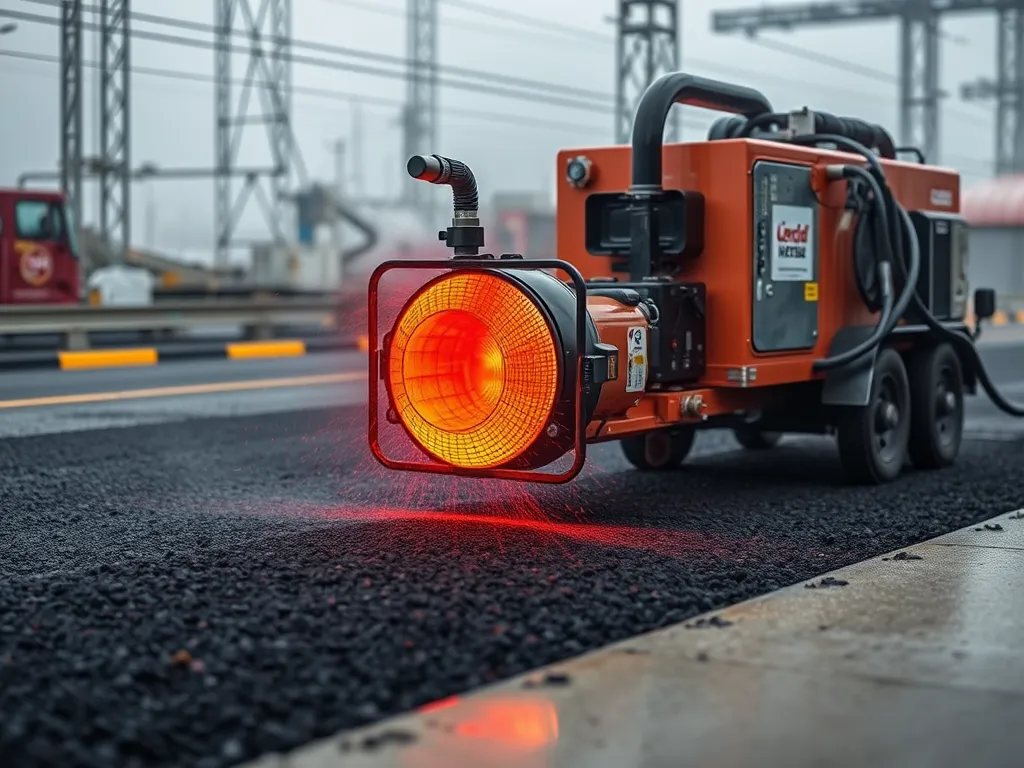
IR heaters zap 185°F heat into old pavement in 5-8 minutes. Softens 2-inch depths for seamless bonds. Repairs set in 45 minutes vs 4+ hours for cold patch. Saves 60% labor costs on small fixes. Works best for cracks under 1 inch wide.
While these tactics speed up the clock, green choices like recycled mix or bio-binders add new twists to the cure game. Up next: how eco-materials reshape drying curves.
Environmental Considerations
Green choices shape how fast asphalt sets. Recycled parts and new binder types change cure rates. Both affect project timelines and road life.
Impact Of Recycled Asphalt Materials on Setting Time
Reclaimed asphalt pavement (RAP) mixes slow cure times by 10-25%. Old binder in RAP binds with new bitumen, thickening the blend. Cooler temps (under 50°F) worsen delays. High RAP loads (over 30%) may need warmer mix temps – up to 325°F vs standard 300°F. Proper milling keeps RAP chunks under 2 inches for even curing.
Eco-friendly Binder Alternatives
Bio-binders from plants or waste oils set 15-40% faster than PG 64-22 asphalt. Soy-based binders cure in 4-6 hours at 70°F vs 8 hours for standard mixes. Rubberized binders (with 15% tire crumbs) need longer cure times – up to 48 hours in humid zones. Low-VOC emulsions cut fumes but demand strict temp control during spreading.
These green shifts reshape job site plans. Next, see how Florida’s steamy climate tests both new and recycled mixes.
Regional Case Study: Asphalt Curing in Florida
Florida’s hot, wet climate tests asphalt crews. High heat mixed with heavy rains and sticky air create unique hurdles for road teams. Let’s break down how crews beat these issues.
High Humidity Challenges
Florida’s air holds 70-90% moisture year-round. This dampness fights asphalt’s drying in three key ways:
- Slows water escape from hot mix by 30-50%
- Morning dew adds 2-4 hours to cure times
- Rainstorms wash away fresh binder if not shielded
Road crews track weather apps non-stop. Even 0.1″ rain can ruin new pavement if it hits in the first 6 hours. Night work helps dodge some storms but faces dew risks.
Tropical Weather Adaptation Strategies
Florida pavers use smart tweaks to beat the heat and wet:
- PG 76-22 binders – handles 165°F road temps
- Mix designs with 2% extra sand for faster drain
- Thin 1.5″ lifts instead of thick layers
- Calcium chloride added to mix – cuts cure time by 25%
Teams pave most roads April-May before hurricane season. Infrared heaters dry bases first. Tarps stand ready for pop-up showers. Night work uses LED lamps to track surface temps.
These tactics show how to handle tough climates. Next, learn best steps for public use once paving ends.
Practical Usage Guidelines
Follow these rules to protect fresh asphalt. Proper use timing stops cracks, dents, and early wear.
When Can Vehicles Use New Asphalt Surfaces?
Wait 24-72 hours before light use. Full cure takes 6-12 months. Check these factors affecting asphalt curing time:
Parking vs. Driving Weight Considerations
- Park cars after 3 days (70°F+)
- Wait 7 days for truck traffic
- Avoid sharp turns for 14 days
Static weight (parking) strains less than moving loads. Heat from tires softens fresh mix. Cold temps? Add 50% more wait time.
Curing Time Requirements for Painting/sealing
Let asphalt cure 30 days before coatings. Binder oils must fully set. Test with water spray – if absorbed, wait longer.
- Use acrylic paints (breathes)
- Avoid rubber seals in year one
- Check for PG 76-22 binder use
Early sealing traps moisture. This causes bubbles, cracks, and bond fails.
Proper timing ensures asphalt lasts 15-20 years. Next, let’s answer common questions about cure phases.
Frequently Asked Questions
How Long Does Asphalt Need to Set?
The initial setting time for asphalt typically ranges from 24 to 72 hours, depending on various factors like temperature, humidity, and mix composition.
How Long Does It Take for Asphalt to Solidify?
Asphalt begins to solidify shortly after installation, often within a few hours, but for vehicular traffic, it is generally advised to wait at least 24 hours.
How Long Does It Take for Asphalt to Dry Before Driving?
Asphalt should ideally cure for at least 24 to 72 hours before light traffic is allowed, but full cure may take 6-12 months for total hardness.
What Factors Affect Asphalt Setting Time in Florida?
In Florida, high humidity, frequent rain, and tropical temperatures complicate the setting time for asphalt, often requiring adjustments in mix and application strategies.
Can You Drive on Fresh Asphalt?
Driving on fresh asphalt is not recommended until it has set adequately, typically after 24-72 hours, depending on environmental conditions and the mix used.
What is Resurfaced Asphalt Drying Time?
Resurfaced asphalt generally requires similar drying times as newly laid asphalt, typically 24 to 72 hours before light traffic can resume, depending on ambient conditions.
How Long Does Asphalt Take to Cure in Cold Weather?
Asphalt curing in cold weather can take significantly longer, often requiring an additional 50% more time compared to warmer conditions. Temperatures below 50°F can especially impede the setting process.
How Long Until Parking is Safe on New Asphalt?
It is advisable to wait at least 3 days before parking vehicles on new asphalt in temperatures above 70°F; in cooler conditions, this duration may need to be extended.
How Long Before Painting Cured Asphalt?
For painting or sealing asphalt, it is recommended to wait at least 30 days to ensure that the binder oils have fully set and to avoid trapping moisture beneath the surface.
Final Thoughts
Asphalt setting time is influenced by a variety of factors, from ambient temperature to the composition of the asphalt mix. Understanding these elements not only helps in planning paving projects but also ensures quality and durability of the surface. Essential considerations like humidity, layer thickness, and local weather conditions can significantly impact curing times, making awareness critical for successful asphalt applications.
Adopting optimal techniques and materials, such as chemical additives or infrared methods, can accelerate the curing process. Eco-friendly options are increasingly available, which help balance performance with environmental responsibility.
For more insights and resources regarding asphalt applications and calculations, visit Asphalt Calculator USA. This platform provides valuable tools and information tailored to your asphalt needs.
Additional Resources for You:
- Kett, I. (1999). Asphalt Materials and Mix Design Manual. Oxford: Elsevier Science.
- Asphalt Curing Times – rockasphalt.com
- How Long Does Asphalt Take to Dry? When Can You Drive on It?
- How Long Does It Take For Asphalt To Set Before I Can Drive On It?
- How Long Does It Take Asphalt To Cure | U.S. Pave

