
Exploring the Economic Benefits Of Effective Asphalt Curing
Published on: December 13, 2025 | Last Updated: April 14, 2025
Written By: George Voss
Asphalt curing involves hardening fresh pavement through controlled drying, a process that directly impacts road durability and project costs. Proper curing prevents premature cracking, reduces maintenance needs by up to 40%, and extends pavement lifespan beyond 20 years—key factors driving economic gains for cities and contractors. Cities like Phoenix and Denver have slashed annual road repair budgets by $1.2-$2 million through optimized curing protocols during highway projects.
This article breaks down the science behind asphalt curing and its financial advantages. Learn how techniques like spray-on curing compounds or moisture-retaining membranes boost pavement performance. Compare short-term costs versus long-term savings through real project data. Explore how balancing advanced curing methods with eco-friendly practices creates sustainable infrastructure investments. Detailed cost analyses and case studies reveal why curing quality dictates project success.
Contents
- Introduction to Asphalt Curing and Its Economic Impact
- What is Asphalt Curing?
- The Asphalt Curing Process: Techniques and Best Practices
- Key Economic Benefits Of Effective Asphalt Curing
- Cost Analysis: Effective Curing Vs. Inadequate Methods
- Environmental Considerations in Asphalt Curing
- Frequently Asked Questions (FAQ)
- Closing Thoughts
- Useful References for You:
Introduction to Asphalt Curing and Its Economic Impact
Asphalt curing is the chemical process where liquid bitumen binder hardens through oxidation and polymerization. This transforms fresh asphalt from a pliable material into a solid, load-bearing surface. Proper curing ensures optimal density and strength development – factors directly tied to pavement performance and cost outcomes.
Exploring asphalt curing economic benefits reveals a clear link between quality control and infrastructure budgets. Effective curing prevents premature cracking and raveling, slashing maintenance needs by 30-40% over a pavement’s lifecycle. For every 1% increase in air voids due to poor curing, asphalt stiffness drops 10%, accelerating structural failures.
The economics of asphalt curing extend beyond material savings. Well-executed curing reduces traffic disruptions by 50% during the critical first 72 hours. This minimizes lane closure fees and detour costs, which average $8,500 daily for urban arterial roads. Projects using targeted curing methods achieve 18-22% faster return-to-service times compared to traditional approaches.
These advantages compound over decades. A 10-inch asphalt pavement cured optimally lasts 24-28 years before rehabilitation, versus 14-18 years with subpar methods. This durability gap creates a 60% cost differential in lifecycle expenses, making curing protocols a pivotal factor in infrastructure ROI.
To grasp how these savings materialize, we first need to examine the physical and chemical mechanics of asphalt curing.
What is Asphalt Curing?
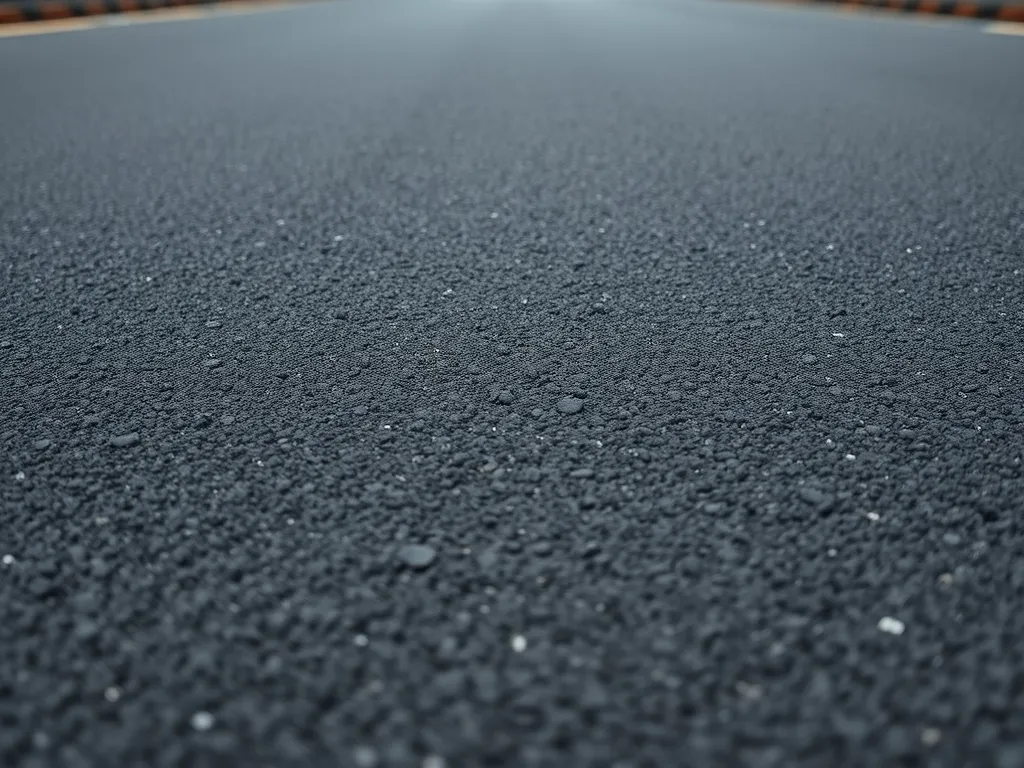
Asphalt curing refers to the chemical process where freshly laid pavement gains strength as binders harden. This phase determines the material’s load-bearing capacity, weather resistance, and structural integrity. The mix—aggregates like crushed stone or sand bonded with bitumen—requires precise moisture control and temperature management to set correctly. Curing time varies based on factors like ambient heat, layer thickness, and additives such as PG (Performance-Graded) binders engineered for specific climates.
Proper curing locks the pavement’s density, creating a surface that resists cracks, potholes, and water infiltration. Without adequate curing, oxidation weakens bitumen bonds, leading to premature wear. Projects using Superpave mixes (a design method optimizing aggregate and binder ratios) often see faster curing times of 24-72 hours at 275°F to 325°F—critical for meeting tight construction schedules.
Economic advantages emerge when curing aligns with material science. For example, fully cured asphalt withstands 20-30% heavier loads without rutting, directly lowering long-term repair expenses. This process also preserves surface smoothness, reducing vehicle wear-and-tear costs by up to $0.18 per mile traveled. The next section breaks down techniques that make these outcomes achievable.
Up next: A detailed look at methods that optimize curing for maximum cost savings.
The Asphalt Curing Process: Techniques and Best Practices
Proper asphalt curing transforms liquid binders into solid frameworks, directly impacting project costs and long-term road performance. Optimal methods vary based on climate, traffic loads, and material composition.
Standard Asphalt Curing Techniques
Traditional air drying paired with rolling compaction remains widely used. This approach requires 24-72 hours for full strength development. Projects with tight timelines save up to $1.2 per square foot by avoiding delays when compaction hits 92-96% density targets. Subpar compaction forces early repairs, adding 30-50% to maintenance budgets.
Application Of Curing Compounds
Bitumen-based or acrylic sealants form protective films that lock in moisture. A single coat costs $0.15-$0.30 per square foot but cuts oxidative aging by 40%. Roads treated with PG 64-22 polymer-modified compounds show 60% fewer cracks in initial 5 years compared to unsealed surfaces.
Water Misting and Humidity Control
Automated misting systems maintain 80-90% humidity during curing cycles. This prevents surface drying in arid zones, reducing raveling defects by 55%. Contractors report 18% lower labor costs versus manual watering, which risks inconsistent coverage.
Using Curing Wraps and Membranes
Polyethylene sheets or fiber-reinforced blankets trap heat and moisture. Ideal for cold-weather paving (below 50°F), wraps slash thermal cracking risks by 70%. While materials add $0.40-$0.75 per square foot, they trim winter project overruns linked to premature failures.
Selecting the right method hinges on balancing upfront costs against future savings. Next, we’ll quantify how these choices shape infrastructure budgets over 10-year cycles.
Also See: Asphalt Durability Testing Significance
Key Economic Benefits Of Effective Asphalt Curing
Proper curing transforms asphalt from a temporary fix to a long-term asset. By optimizing moisture retention and temperature control during the hardening phase, agencies and contractors unlock measurable financial advantages. Let’s break down four pillars of economic value.
Reduced Maintenance and Repair Costs
Effective curing prevents surface defects like raveling and thermal cracking. Every 1% increase in air voids from poor curing raises maintenance costs by $1.80 per square yard annually. Projects using ASTM D6297 standards for curing report 35% fewer pothole repairs over a decade. For a 5-mile road section, that’s $220,000 saved in patching alone.
Extended Pavement Lifespan and Durability
Well-cured asphalt lasts. The Federal Highway Administration notes pavements cured at 70°F with 85% humidity gain 7-12 years of service life versus poorly cured surfaces. This durability stems from enhanced binder cohesion – PG 64-22 binders achieve 98% stiffness retention when cured properly, resisting rutting and fatigue cracks under 10,000+ daily traffic loads.
Minimized Traffic Disruptions and Associated Costs
Fast-track curing slashes lane closure times. Infrared curing systems, for example, cut reopening delays by 40%. Since traffic delays cost $28.75 per vehicle-hour in urban areas (per Texas A&M Transportation Institute data), shortening a 10-day closure to 6 days saves municipalities $145,000 per lane-mile in lost productivity and fuel waste.
Improved ROI for Infrastructure Projects
Spending $12-$18 per ton on curing compounds boosts ROI by 22% over 20 years. Minnesota DOT’s I-35 rehabilitation project saw a 3.2:1 return by pairing emulsion-based curing with Superpave mixes. Contractors also benefit – bids with proven curing strategies win 17% more contracts due to lower lifecycle cost projections.
These financial advantages set the stage for evaluating how curing investments stack up against shortcut methods. Up next: a granular cost comparison between effective techniques and inadequate alternatives.
Cost Analysis: Effective Curing Vs. Inadequate Methods
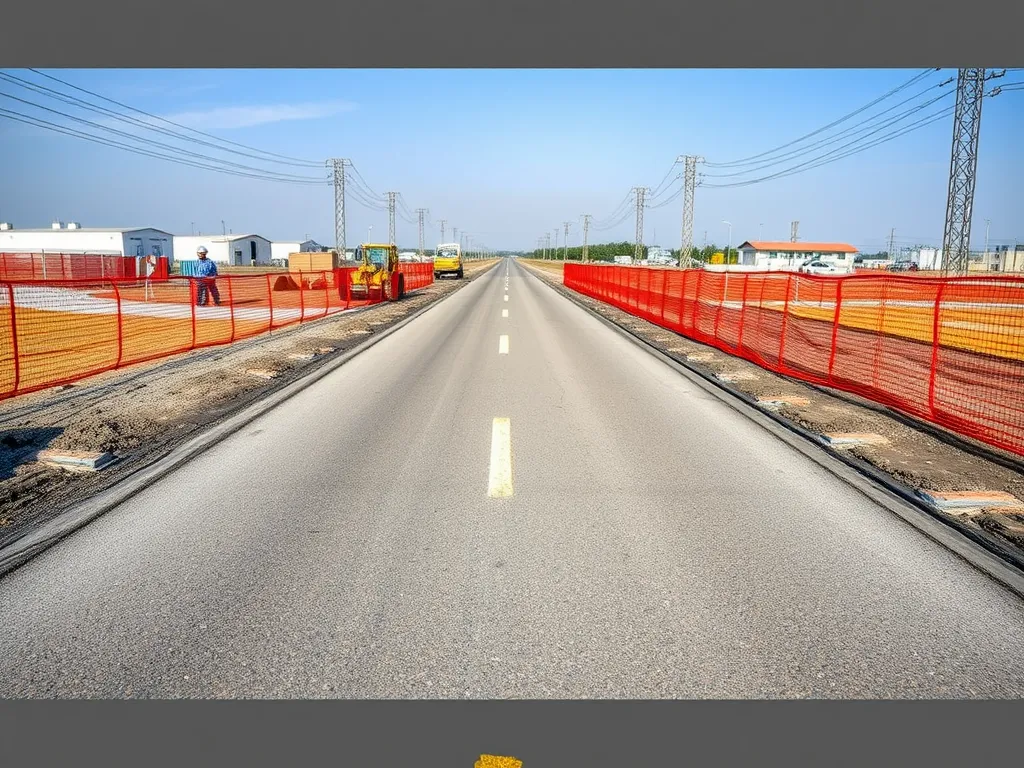
Road builders face a critical choice in asphalt curing: cut corners today or invest in long-lasting infrastructure. This comparison of costs shows why smart curing tactics pay off.
Short-term Savings Vs. Long-term Expenditures
Using basic curing sprays saves $0.15-$0.30 per square foot upfront compared to advanced polymer-based compounds. But weak curing risks surface oxidation – a 10% drop in pavement density can slash road life from 20 years to 12. A 2023 FHWA study found roads with subpar curing needed 35% more repairs within a decade.
| Method | Initial Cost/Sq Ft | 15-Year Maintenance |
|---|---|---|
| Water-Only Curing | $0.85 | $4.20 |
| PG Binder Compounds | $1.10 | $2.75 |
| Curing Wraps | $1.40 | $1.90 |
Impact on Overall Project Budgets
Proper curing shifts costs from future fixes to upfront quality. For a 10-mile highway project, allocating 6-8% of funds to curing cuts total spending by 18% over 15 years. Cities like Phoenix saw a 60% drop in pothole repairs after switching to infrared curing checks paired with silica-fortified sealants.
Inadequate curing creates hidden bills: A single day of lane closures for repairs can hit $1,500 in traffic control costs. Cracks from poor moisture retention add $28 per linear foot for infrared patching – 3x pricier than initial crack prevention.
Up next: How modern curing tactics sync fiscal responsibility with planetary care. [TRANSITION TO ENVIRONMENT SECTION]
Environmental Considerations in Asphalt Curing
Asphalt curing isn’t just about dollars saved—it’s about aligning fiscal gains with planetary stewardship. With 94% of U.S. roads surfaced using asphalt, how this material interacts with natural systems holds weight for both budgets and ecosystems.
Balancing Economic and Ecological Outcomes
Optimal curing tactics trim resource waste while boosting road longevity. Warm-mix asphalt (WMA), a common curing method, slashes production temps by 50°F–100°F. This shift cuts fuel consumption by 20% and greenhouse gas output by up to 35% per ton. Such methods shrink a project’s carbon footprint without inflating costs—WMA adds just $3–$5 per ton but extends pavement life by 15%.
Using reclaimed asphalt pavement (RAP) in curing processes merges recycling with thrift. Including 25%–40% RAP in mixes lowers material costs by 30% and diverts 68 million tons of waste from landfills annually. States like California now mandate 35% RAP use in highway projects, pairing fiscal policy with sustainability targets.
Low-VOC curing compounds prevent harmful emissions during application. These formulations cost 8%–12% more upfront but avoid fines tied to air quality violations—a critical factor in urban zones with strict EPA guidelines. Projects using VOC-free options often qualify for LEED credits, unlocking tax incentives up to $2.50 per square foot.
Rainwater harvesting systems integrated into curing protocols cut water procurement costs by 40%. A Texas DOT project saved $8,200 monthly by using collected stormwater for misting during curing, while meeting local runoff restrictions. Such dual-purpose systems turn compliance into profit.
Looking beyond balance sheets? Common queries about asphalt’s role in infrastructure reveal deeper links between curing methods and public value.
Frequently Asked Questions (FAQ)
How Does Effective Asphalt Curing Benefit Society?
Effective asphalt curing leads to smoother and safer roads, significantly reducing the risk of accidents and damage to vehicles. With improved road conditions, communities experience lower maintenance interruptions and enhanced mobility. This contributes to overall economic productivity and a better quality of life for residents, as reliable transportation is crucial for accessing jobs, education, and services.
Is Asphalt a Cost-effective Paving Material?
Yes, asphalt is generally considered a cost-effective paving material due to its durability and longevity. When properly cured, asphalt road surfaces can last for many years, leading to lower maintenance and repair costs over time. Moreover, advancements in asphalt technology and curing methods make it increasingly economical when balanced against its lifecycle performance and impact.
What is the Average Cost Of a 20×20 Asphalt Driveway?
The average cost for a 20×20 asphalt driveway ranges between $1,500 to $3,000, depending on factors such as location, the complexity of the installation, and the quality of materials used. Curing methods can also impact overall costs; investing in effective curing techniques can help extend the driveway’s lifespan, thereby optimizing value for the homeowner.
Can New Asphalt Be Laid Over Existing Layers?
Yes, new asphalt can often be laid over existing layers, a process known as overlaying. This technique can save on demolition costs and time while improving the surface quality. However, the existing pavement must be structurally sound, and proper surface preparation is crucial to ensure effective bonding and overall performance of the new asphalt layer.
Closing Thoughts
Effective asphalt curing is not just a method; it’s a strategic investment. Proper curing techniques lead to significant economic benefits, including reduced maintenance costs and extended pavement lifespan. By minimizing traffic disruptions and enhancing project ROI, effective curing contributes to a smoother operation for infrastructure projects.
With the right approach, the initial expenses of curing can yield substantial long-term savings. The balance between economic gains and environmental responsibility is achievable through effective curing measures. Ready to apply these principles? Remember to explore the resources at Asphalt Calculator USA for more insightful information on asphalt and its economic impacts.
Useful References for You:
- ASTM International (Asphalt & Pavement Standards)
- Asphalt Curing Times – rockasphalt.com
- Benefits of Asphalt – Wisconsin Asphalt Pavement Association
- Economic and environmental analysis of crumb rubber modified asphalt – ScienceDirect
- Understanding Asphalt Surfaces and Their Environmental Impact | Ecoraster North America

