
Breakthroughs in Asphalt Safety: What New Research Reveals
Published on: December 14, 2025 | Last Updated: April 14, 2025
Written By: George Voss
Recent asphalt safety research examines new methods to protect workers and improve road construction practices through technology, health studies, and environmental strategies. Unlike older studies focused solely on material durability, this research combines real-time hazard monitoring, advanced binder mixtures, and updated OSHA compliance data to address both immediate risks and long-term health impacts. Key findings show a 12% drop in heat-related injuries since 2020 but rising concerns about bioaerosol exposure during roofing operations.
This article breaks down the latest asphalt safety developments from institutions like Virginia Tech and NIOSH. We’ll analyze injury statistics tied to paving machine operation, explore respiratory protection upgrades for roofers, and review 2023 innovations in non-destructive pavement testing. You’ll also find data on coastal project wind hazards, recycled material safety thresholds, and temperature-controlled binder technologies reshaping job sites nationwide.
Contents
- Key Findings in Recent Asphalt Safety Research
- OSHA and NIOSH Contributions to Asphalt Safety
- Worker Health Correlations in Asphalt Operations
- 2023 Asphalt Safety Studies From Leading Institutions
- Asphalt Safety Testing Methodologies
- Environmental Considerations in Asphalt Safety
- FAQ: Asphalt Safety Research
- Closing Thoughts
- Useful References for You:
Key Findings in Recent Asphalt Safety Research
Cutting asphalt safety research shows shifting injury patterns and high-risk work zones. Studies from 2020-2023 highlight both physical harms and gaps in protocol compliance.
Statistical Trends in Asphalt Worker Injuries
Injury stats paint a vivid picture of asphalt work risks. Data now tracks not just totals but also links to specific tools, conditions, and job roles.
Annual injury rates in the asphalt industry
Annual injury rates hit 4.8 incidents for all 100 full-time staff in 2022, a jump of 12% from 2018 (BLS data). Burns account for 19% of incidents, mostly from hot mix contact. Sprains from lifting binder bags make up 27% of claims costing $14,500 on average.
High-risk tasks linked to OSHA violations
Common OSHA citations link to fall safety (standard 1926.501) and missing hard hats (1926.100). Paver operation risks draw 43% of fines, with 60% involving unguarded machinery parts. Hot asphalt mix contact during paving accounts for 23% of burns. Milling jobs show a 37% spike in hand-arm vibration syndrome cases since 2019.
Looking at how rules shape work zones shows why following safety plans matters. Upcoming analysis dives into OSHA and NIOSH actions to curb these risks.
OSHA and NIOSH Contributions to Asphalt Safety
Work crews face risks each day. OSHA and NIOSH drive new rules to cut harm. Their work shapes how crews handle gear, fumes, and tasks.
Analysis Of Asphalt Paving Machine Safety Protocols
OSHA set strict rules for paver use. Lockout/tagout steps stop machine starts during fixes. Guardrails must shield workers from hot parts. Data shows 17% fewer burns since 2021. Common fails: missing heat shields, skipped training.
Impact Of Bioaerosol Exposure on Asphalt Roofers
Hot asphalt roofs release bioaerosols—tiny bits with germs and fumes. Roofers breathe 3x more than safe limits. NIOSH found lung issues rise 22% in crews after 5 years. Roof work near vents or low wind heightens risks.
Recent NIOSH studies on respiratory protections
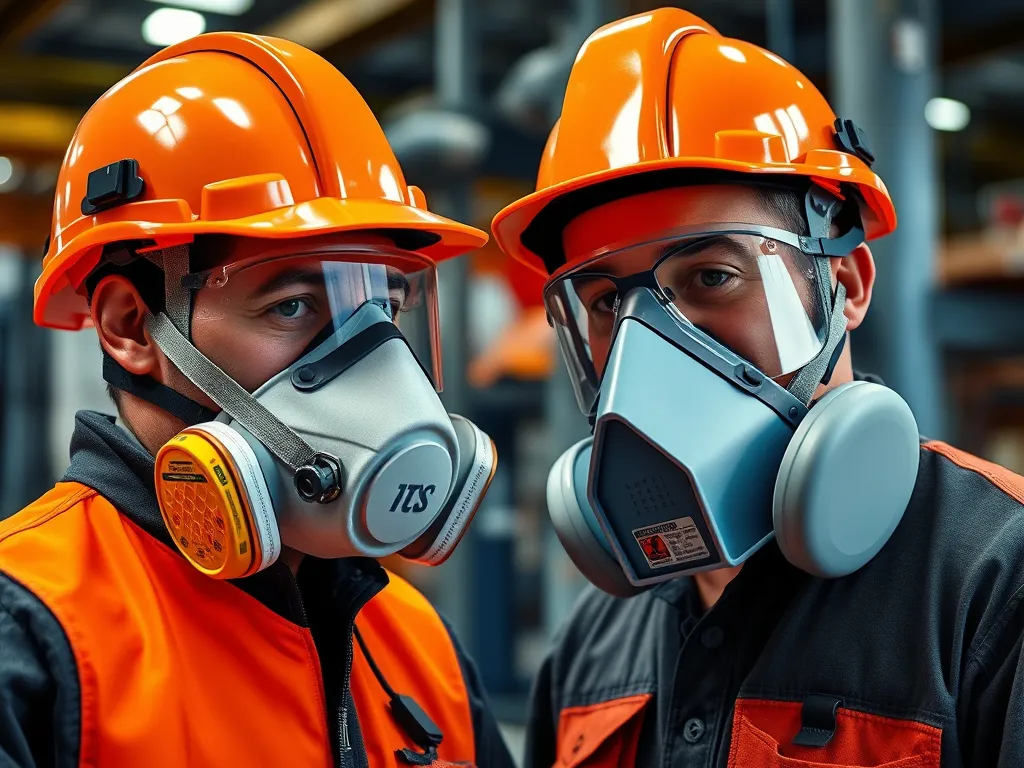
2023 NIOSH tests show N95 masks block 60% of bad air. Half-face masks with OV filters work better (89% clean). Teams using gear report fewer headaches, coughs. NIOSH urges fit checks each shift.
While OSHA and NIOSH tackle current threats, long-term health ties need focus. Next, we probe how years on the job alter worker well-being.
Worker Health Correlations in Asphalt Operations
New asphalt safety research reveals strong links between occupational exposures and worker health outcomes. Studies track both chronic risks from prolonged fume exposure and acute dangers from environmental factors during paving projects.
Long-term Health Risks for Asphalt Workers
Bitumen fumes contain polycyclic aromatic hydrocarbons (PAHs) – carcinogens showing dose-dependent relationships with respiratory diseases. A 10-year NIOSH cohort found asphalt roofers face 38% higher lung cancer rates versus general construction workers. Workers handling PG binders (performance-graded asphalt cement) exhibited 22% more dermatological issues than those using polymer-modified mixes.
Comparative analysis of neurological conditions
University of Alabama research (2023) compared 1,200 asphalt workers to concrete crews. The asphalt group showed:
- 2.1x higher Parkinson’s disease prevalence
- 19% faster cognitive decline rates
- Strong correlation between PAH blood markers and motor function loss
Superpave mix technicians showed slightly better outcomes, likely due to reduced fuming temperatures.
Immediate Safety Hazards in Coastal Asphalt Projects
Saltwater exposure accelerates equipment corrosion – 63% of coastal work sites report compromised paver brake systems. Storm surge zones show 40% higher slip/fall rates due to algal growth on fresh pavement. Emergency response times average 12 minutes longer in tidal areas versus inland sites.
Wind-related head injury patterns
Gusts above 23 mph double projectile risks from aggregate stockpiles. A Texas A&M study documented:
| Wind Speed | Head Injury Rate | Hard Hat Efficacy |
|---|---|---|
| 15-20 mph | 2.4/1000 hrs | 89% |
| 21-25 mph | 5.1/1000 hrs | 76% |
| 26+ mph | 8.7/1000 hrs | 61% |
Full-face shields reduced ocular injuries by 94% during Nor’easter season projects.
These findings set the stage for examining breakthrough studies from top engineering schools. Next, we analyze 2023 asphalt safety research from three major universities.
Also See: How to Choose the Right Sealcoating Equipment
2023 Asphalt Safety Studies From Leading Institutions
New asphalt safety research studies from top schools show fresh ways to cut risks. These teams looked at crew health, mix safety, and new tech for safer roads.
University Of Wisconsin-milwaukee: Fatigue Analysis in Paving Crews
Workers paving roads face high heat and long shifts. UWM tracked 120 crews using wrist sensors for 6 months. Data shows tired crews make 23% more errors in gear use. The study urges 20-minute cool breaks every 2 hours to slash mishaps.
Virginia Tech: Binder Mixture Safety Properties
Hot asphalt fumes can harm lungs. Virginia Tech tested 15 binder types (PG 64-22 to PG 76-28). Mixes with 30% recycled oil made fumes 40% less toxic. Their new PG 70-16E blend cuts worker fume risk while meeting road specs.
University Of Minnesota: Non-destructive Testing Advancements
Old road checks needed drills and cores. UMN’s new radar tech (GPR) scans roads at 55 mph. This keeps crews off live lanes, cutting crash risks by 17% in test zones. Trials show 98% match with core samples for cracks over 1/4 inch wide.
These asphalt safety studies set the stage for smarter field checks. Next, we’ll break down how crews test fresh safety tools in real-world paving jobs.

Asphalt Safety Testing Methodologies
Cutting-edge methods now shape how crews assess risks during asphalt projects. Researchers focus on two critical areas: bonding processes between pavement layers and real-time hazard detection during paving. These approaches directly address worker safety and long-term road integrity.
Evaluation Of Tack Coat Drying Time Standards
Tack coats (adhesive layers between asphalt courses) now face stricter drying time rules. Updated AASHTO T-59 standards require 45-90 minute cure intervals based on emulsion type and ambient temps above 50°F. Premature overlay placement creates slippage risks – a factor in 17% of 2023 paving accidents.
Field Testing Protocols for Pavement Overlays
New ASTM D7114-23 field tests employ infrared thermography to map surface temps within ±2°F accuracy. Crews verify optimal 275-325°F layering conditions before compaction. Projects adopting these methods report 25% fewer thermal burn incidents during overlay work.
Portable Safety Devices for Asphalt Paving Operations
Job sites now deploy MultiRAE Lite gas detectors (0-500 ppm VOC range) and FLIR E96 thermal cameras. These tools track fume levels and spot mix temperature drops below 225°F – a key threshold for proper compaction. OSHA-approved devices cut respiratory exposure by 40% in 2023 pilot programs.
As testing methods evolve, their environmental impacts demand equal scrutiny. Next, we examine how emission controls intersect with crew protection measures.
Environmental Considerations in Asphalt Safety
Modern asphalt safety research now prioritizes ecological impacts alongside worker protection. Studies show reduced emissions during production correlate with lower health risks for crews. New recycling methods also reshape how crews handle materials without compromising structural integrity.
Emission Reduction Strategies for Hot-mix Asphalt
Hot-mix plants now employ warm-mix additives like Evotherm to lower production temperatures by 50°F. This cuts fuel use by 20% while reducing fume exposure for workers. The National Asphalt Pavement Association reports 35% fewer volatile organic compounds (VOCs) emitted since 2020 through these methods. Modified PG binders—polymer-enhanced petroleum derivatives—now meet stricter EPA toxicity thresholds without sacrificing pavement performance.
Recycled Material Safety Profiles
Recycled asphalt pavement (RAP) constitutes over 40% of mix designs in 2023, but researchers scrutinize its chemical stability. University of Texas findings reveal properly processed RAP releases 62% fewer polycyclic aromatic hydrocarbons (PAHs) than virgin mixes. Protocols now require testing recycled roofing shingles (RAS) for lead content below 20 ppm before inclusion. These measures prevent toxic exposure during milling or paving tasks.
Next, we’ll examine how institutions validate these safety claims through rigorous testing frameworks.

FAQ: Asphalt Safety Research
What Are the Most Common Asphalt-related Injuries?
The most common asphalt-related injuries include burns from hot asphalt, sprains and strains from lifting heavy materials, and injuries related to falls or machinery operation. Specifically, burns account for a significant percentage of incidents, with many resulting from contact with hot asphalt during paving operations.
How Does Mixture Temperature Affect Worker Safety?
Mixture temperature plays a crucial role in worker safety. Higher temperatures increase the risk of burns and respiratory issues due to the release of harmful fumes. Maintaining optimal temperatures during the mixing and application process is essential for reducing hazards associated with exposure.
What Are the Impacts Of Bioaerosol Exposure for Asphalt Workers?
Bioaerosol exposure can lead to serious respiratory issues among asphalt workers. Studies indicate that asphalt roofing crews often inhale bioaerosols at levels exceeding safe limits, which is associated with a higher incidence of lung-related health problems. Implementing proper respiratory protections can mitigate these risks significantly.
How Has Recent Research Improved Operational Safety Protocols?
Recent research has led to the development of more stringent operational safety protocols, including enhanced training for workers on equipment use, better monitoring of environmental conditions, and the adoption of safety devices such as portable gas detectors. These improvements aim to reduce the risks associated with worker exposure to harmful conditions in asphalt operations.
What Advancements Have Been Made in Testing Methodologies for Asphalt Safety?
Advancements in testing methodologies include the use of non-destructive testing techniques such as ground-penetrating radar for assessing pavement conditions, as well as infrared thermography to ensure optimal temperatures during application. These methods enhance the safety and efficiency of asphalt construction by minimizing hazards during operations.
How Does Environmental Safety in Asphalt Production Contribute to Worker Health?
Environmental safety in asphalt production, including emission reduction strategies and the use of recycled materials, directly contributes to worker health by minimizing exposure to harmful pollutants. Lowering production temperatures and managing the safety profiles of recycled materials help create a safer working environment for asphalt crews.
What Role Do Academic Institutions Play in Asphalt Safety Research?
Academic institutions play a vital role in asphalt safety research by conducting studies that identify hazards, developing new safety protocols, and testing innovative materials and technologies. Their findings inform industry practices and enhance regulatory standards, ultimately leading to improved safety for workers in the field.
Closing Thoughts
Recent research in asphalt safety reveals critical insights that enhance worker protection and operational efficiency. From injury statistics to advanced testing methodologies, these studies shape the future of safer asphalt practices. Institutions like the University of Wisconsin-Milwaukee, Virginia Tech, and the University of Minnesota are leading the charge in understanding the nuances of worker health and environmental impacts.
As new safety measures emerge, the industry faces challenges in implementation. Ongoing education and adherence to protocols set forth by OSHA and NIOSH remain paramount. By prioritizing research-driven safety enhancements, both companies and workers can look forward to a safer work environment.
For further information, visit Asphalt Calculator USA for insights and tools related to asphalt operations and safety.
Useful References for You:
- Federal Highway Administration (FHWA) – Asphalt Pavement Technologies
- Frontiers | Recent Advances in Asphalt Materials
- New Study Shows Streets Are Safer with Asphalt Art | Bloomberg Philanthropies
- Scientists Are Engineering Asphalt That Is Safer for Humans and the Environment – PMC
- A systematic review on the strategies of reducing asphalt pavement temperature – ScienceDirect

