The Evolution Of Asphalt Mixes Over the Decades: From Ancient Tar to Smart Pavements
Published on: December 14, 2025 | Last Updated: April 14, 2025
Written By: George Voss
Asphalt mixes have transformed from simple natural tar applications to precision-engineered composites, shaped by material science breakthroughs and infrastructure demands. Early civilizations used naturally occurring bitumen for waterproofing and roadbuilding, but modern mixes emerged in the 20th century with asphalt concrete formulas, Performance-Graded (PG) binders that adapt to temperature extremes, and the Superpave mix design system introduced in 1993. Key advancements focused on durability improvements (extending pavement life from 7 to 20+ years), sustainability through 30-50% recycled asphalt pavement (RAP) usage, and cost optimization via AI-powered mix designs.
This article tracks four critical phases: ancient bitumen applications (6000 BCE), 19th-century industrialization of asphalt paving, mid-1900s standardization efforts, and 21st-century innovations like Warm Mix Asphalt (WMA) that cuts production temps by 50°F. We’ll analyze how polymer-modified asphalt resists rutting at 140°F, why 95% of U.S. roads use Hot Mix Asphalt (HMA), and how recycled mixes save $30 per ton versus virgin materials. Each development phase reflects changing priorities – from basic weatherproofing to meeting modern traffic loads exceeding 30 million ESALs (Equivalent Single Axle Loads) while reducing carbon footprints.
Contents
- Introduction to Asphalt Mix Evolution
- Early History Of Asphalt Mixes (Pre-1900 to 1940s)
- Mid-20th Century Asphalt Mix Development (1950s–1990s)
- Late 20th to 21st Century Asphalt Innovations
- Types Of Modern Asphalt Mixes
- Technological Advances in Asphalt Production
- Environmental Considerations in Asphalt Evolution
- FAQ: Evolution Of Asphalt Mixes
- Final Words
- Useful References for You:
Introduction to Asphalt Mix Evolution
Asphalt mixes have transformed from basic gravel-bitumen blends to engineered materials meeting precise performance standards. Early roads relied on natural deposits, but modern mixes integrate advanced polymers, recycled materials, and climate-specific formulas. This shift reflects 150 years of trial, research, and tech integration.
Role Of Asphalt in Infrastructure Development
Asphalt built 94% of U.S. paved roads, per the Federal Highway Administration. Its flexibility prevents cracking under heavy truck traffic—a critical trait as interstate systems expanded post-1956. Cities adopted asphalt for rapid construction; Chicago’s 1870s streets cut dust by 80%. Today, 2.5 million miles of asphalt roads handle 300 billion vehicle miles annually.
Key Drivers Of Asphalt Mix Changes
Three forces reshaped asphalt: traffic demands, environmental rules, and material science. The 1970s oil crisis pushed recycled asphalt pavement (RAP) use to 15-30% in mixes. AASHTO’s 1993 PG binder system replaced penetration grades, aligning mixes with regional climates. Polymer-modified asphalt, like SBS rubber, increased rut resistance by 400%.
| Factor | Time Period | Mix Impact |
|---|---|---|
| Traffic Growth | 1950s–1970s | Dense-graded mixes for heavier loads |
| EPA Regulations | 1990s–2010s | Warm Mix Asphalt cuts emissions by 50% |
| Material Tech | 2000s–2020s | High-RAP mixes (40% recycled content) |
Cost pressures also drove change. RAP saves $30 per ton versus virgin materials. State DOTs now specify 95% density targets during compaction—a 15% increase from 1980s standards.
Next, we’ll trace asphalt’s journey from ancient tar pits to 20th-century superhighways.
Early History Of Asphalt Mixes (Pre-1900 to 1940s)
Road construction relied on trial-based methods for centuries before engineered mixes emerged. Natural materials dominated until scientific breakthroughs reshaped how societies built durable surfaces.
Ancient Use Of Natural Asphalt by Civilizations
Long before modern paving methods, early societies utilized natural deposits of bitumen. Mesopotamians employed this sticky substance for waterproofing reservoirs around 3000 BCE. Bitumen served as mortar in Babylonian structures, including the famed Ishtar Gate.
Roman Roads and Bituminous Materials
Roman engineers integrated bitumen into their road systems during the empire’s peak. Mixing crushed stone with bitumen created durable surfaces for routes like the Via Appia. This method improved drainage while reducing dust on heavily traveled paths.
19th-century Advancements in Asphalt Paving
In the 1800s, paved roads transformed from rare to revolutionary. European cities like Paris tested mixes combining bitumen with powdered limestone. By 1870, Brussels hosted the first large-scale bitumen-based roadway. Across the Atlantic, Belgian chemist Edmund J. DeSmedt laid the first U.S. sheet asphalt pavement in Newark, New Jersey, during 1870.
First Modern Asphalt Roads in Europe and America
DeSmedt’s Newark project used 54 yards of bituminous mix costing $2 per square yard. By 1900, over 40 million square yards of sheet asphalt covered U.S. urban streets. These early mixes contained 6-7% bitumen by weight, blended with carefully graded aggregates.
Birth Of Asphalt Concrete in the Early 20th Century
The 20th century brought structured formulas to paving. Engineers developed “asphalt concrete” by combining heated bitumen with precisely sized crushed rock. Mechanical drum mixers ensured uniform blending, boosting consistency. Standardized testing methods emerged, like the 1930s Marshall mix design, optimizing stability under vehicle loads. By 1941, 95% of U.S. paved roads used these engineered mixes.
Post-World War II demands would push these mixes further, driven by new traffic loads…
Mid-20th Century Asphalt Mix Development (1950s–1990s)
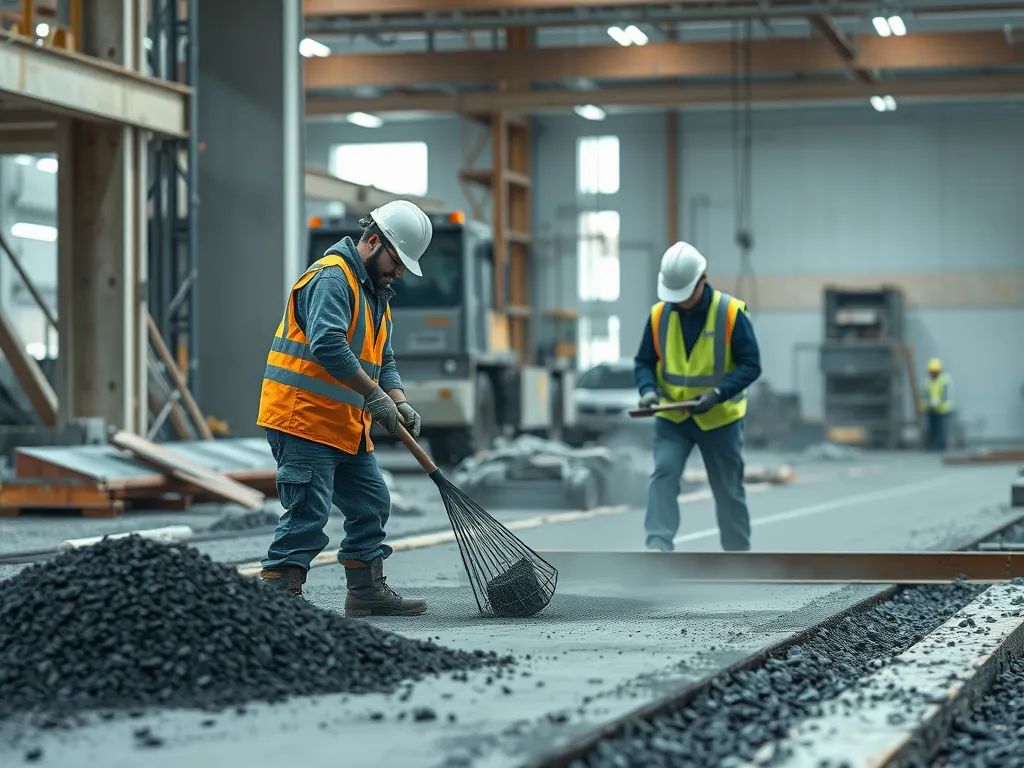
The post-war era brought rapid changes to asphalt technology. Engineers faced growing demands from expanding highway systems, leading to breakthroughs in mix design.
Introduction Of Dense-graded Asphalt Mixes
Dense-graded mixes became the standard during the 1950s. These blends used tightly packed aggregates with 95-100% passing through 0.75-inch screens. The Marshall Mix Design method—developed by Bruce Marshall in 1939—gained traction, testing stability (1,500-3,000 lbs) and flow values (8-16 units). This system produced pavements lasting 15-20 years under moderate traffic loads.
Adoption Of Performance-graded (PG) Asphalt Binders
The 1987 Strategic Highway Research Program (SHRP) introduced PG binders. Unlike older penetration grades, PG ratings like PG 64-22 specify temperature ranges (-22°F to 64°F). The Superpave system (SUperior PERforming Asphalt PAVEments) linked binder tests to real-world conditions. By 1995, 32 states had adopted PG specifications, cutting rutting failures by 40%.
| Mix Design Era | Key Features | Typical Lifespan |
|---|---|---|
| Pre-1950s | Sand asphalt | 8-12 years |
| 1950s-1990s | Dense-graded with PG binders | 15-25 years |
Economic Optimization Of Mix Designs
Rising material costs pushed engineers to refine asphalt formulas. The 1973 oil crisis accelerated recycled asphalt pavement (RAP) use, reaching 10-15% in mixes by 1990. Additives like hydrated lime (1-2% by weight) cut moisture damage while maintaining $25-$35/ton production costs.
Balancing Cost and Durability in Pavement Construction
Life-cycle cost analysis became standard practice. Agencies compared 20-year costs: dense-graded asphalt ($1.2M/mile) versus concrete ($2.4M/mile). Thickness designs dropped from 6 inches to 4.5 inches through better compaction methods, saving $8,000 per lane-mile annually.
These mid-century advances set the stage for 21st-century breakthroughs. Next, we’ll explore how digital tech reshaped asphalt production after 2000.
Also See: Hot Mix Asphalt Vs Sealed Pavement: Which is Better?
Late 20th to 21st Century Asphalt Innovations
The 1980s marked a turning point in asphalt mix evolution. Engineers prioritized materials that could handle heavier traffic loads while resisting cracking and rutting. This led to widespread adoption of Hot Mix Asphalt (HMA) as the industry standard for high-performance pavements.
Hot Mix Asphalt (HMA) Dominance and Refinements
HMA combines aggregates with bitumen heated between 300°F and 350°F. Its dominance stems from durability—lasting 15–20 years under heavy use. Refinements included polymer-modified binders (like SBS polymers) and advanced gradation controls. These upgrades improved resistance to thermal cracking by 40% in freeze-thaw regions.
Field Studies on HMA Performance
The Strategic Highway Research Program (SHRP) from 1987–1993 tested 1,400 pavement sections nationwide. Data revealed HMA’s fatigue life increased by 60% with PG binders (performance-graded binders tailored to climate). States like Texas reported 22% lower maintenance costs on highways using PG 76-22 binders compared to conventional mixes.
Rise Of Warm Mix Asphalt (WMA) Technology
WMA emerged in the 2000s as a greener alternative. Produced at 50–100°F lower temperatures than HMA, it cuts energy use by 20% and reduces CO₂ emissions by 30%. Technologies like chemical additives (Evotherm) and foaming processes made this possible without sacrificing density or strength.
Key Milestones in WMA Adoption (2000–2015)
- 2002: First U.S. trial in Colorado used Sasobit wax additive, proving equal durability to HMA at 250°F
- 2008: FHWA endorsed WMA for federal projects, spurring use in 35 states within two years
- 2012: National Asphalt Pavement Association reported 30 million tons of WMA produced annually
- 2015: Over 25% of U.S. asphalt mixes incorporated WMA tech, saving $3–$7 per ton in fuel costs
These strides in HMA and WMA set the stage for modern mix varieties now shaping roads worldwide. Next, we’ll break down the types of asphalt mixes driving today’s infrastructure.
Types Of Modern Asphalt Mixes
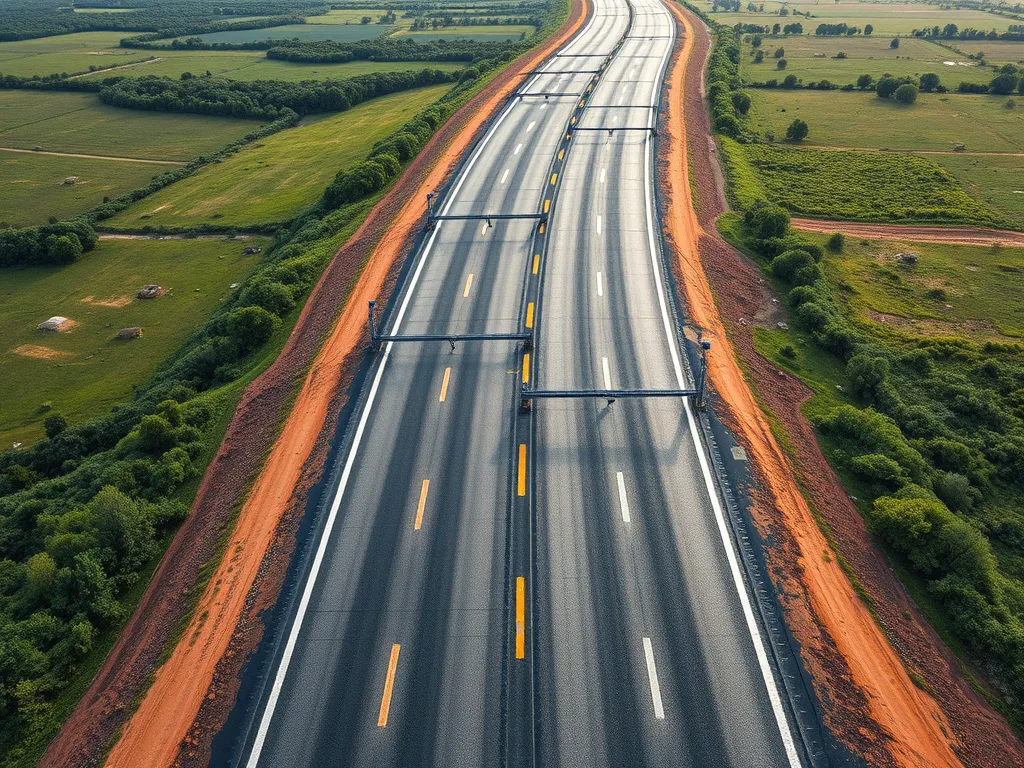
The evolution of asphalt mixes over time has created specialized materials for diverse needs. From high-traffic highways to eco-friendly roads, modern mixes balance performance, cost, and environmental impact. Four key types define today’s paving landscape.
Hot Mix Asphalt: Production and Applications
Hot Mix Asphalt (HMA) remains the backbone of modern roads. Produced at 300°F–350°F, it combines aggregates with PG (Performance-Graded) binders – asphalt cement tested for specific climates. HMA’s dominance grew after the 1950s Superpave system refined gradation and compaction standards. Used for highways, airports, and heavy-duty pavements, it achieves 20+ year lifespans when properly designed. Current HMA mixes incorporate polymer modifiers to resist rutting in extreme heat.
Warm Mix Asphalt: Environmental and Practical Benefits
Warm Mix Asphalt (WMA) revolutionized the asphalt mix evolution by cutting production temps to 220°F–250°F. Introduced commercially in the 2000s, foaming technologies like Astec Double Barrel Green allow workability at lower heat. This reduces energy use by 20% and greenhouse gases by 30% versus HMA. Contractors favor WMA for extended paving seasons and faster lane reopenings – critical for urban repairs.
Cold Mix Asphalt: Emergency and Low-traffic Uses
Cold mixes use emulsified or cutback asphalt binders that cure without heat. Applied at ambient temperatures, they’re ideal for pothole patches, rural roads, or temporary surfaces. While less durable than HMA/WMA, modern polymer-enhanced cold mixes now last 2–5 years in light traffic. The 2018 NAPA survey reported 4.2 million tons of cold mix used annually for maintenance across U.S. road networks.
Recycled Asphalt Pavement (RAP) Mixes
RAP mixes exemplify the sustainability shift in asphalt mix development. Today’s plants routinely blend 20%–40% reclaimed asphalt into new pavements. Advanced milling machines harvest 99% reusable material from old roads, slashing aggregate costs by 25%. Since 1970, RAP usage has diverted 100 million tons of debris from landfills annually. States like California now mandate 15% RAP in state-funded projects.
These advances in mix technology set the stage for smarter production methods. Next, we’ll explore how AI and polymer science are pushing asphalt further into the 21st century.
Technological Advances in Asphalt Production
Asphalt mix formulas saw radical shifts with cutting-edge tools. Labs now craft materials lasting twice as long as mid-1900s pavements. From binder analysis to AI-driven simulations, technology fuels road-building’s digital leap.
Improved Laboratory Testing Methods
Post-1990s labs adopted Superpave systems, a framework linking binder traits to climate needs. Tools like Dynamic Shear Rheometers now assess asphalt’s flow at -40°F to 302°F. Bending Beam Rheometers track stress in freezing conditions. Such precision lets cities match mixes to local frost cycles or summer heat spikes. Roads built using this data last 35% longer than prior norms.
Artificial Intelligence in Mix Design Prediction
Machine learning slashes trial batches by 40%. Neural networks digest data from 50,000+ road projects to suggest optimal aggregate sizes or RAP ratios. A 2023 study showed AI-cut design phases by 30%, trimming labor costs by $18 per ton. Algorithms also boost recycled content in mixes, hitting 45% RAP in some states without sacrificing stability.
Polymer-modified Asphalt Breakthroughs
Styrene-butadiene-styrene (SBS) polymers revolutionized binders post-1980. Adding 3-7% SBS ups resistance to rutting at 122°F and stops cracks at -22°F. Though pricier—adding $15-$20 per ton—roads last 50% longer. Texas’ I-35 project used polymer-modified asphalt in 2021, cutting pothole repairs by 60% in two years.
With production tools now sharp, focus shifts to minimizing impacts on natural systems.
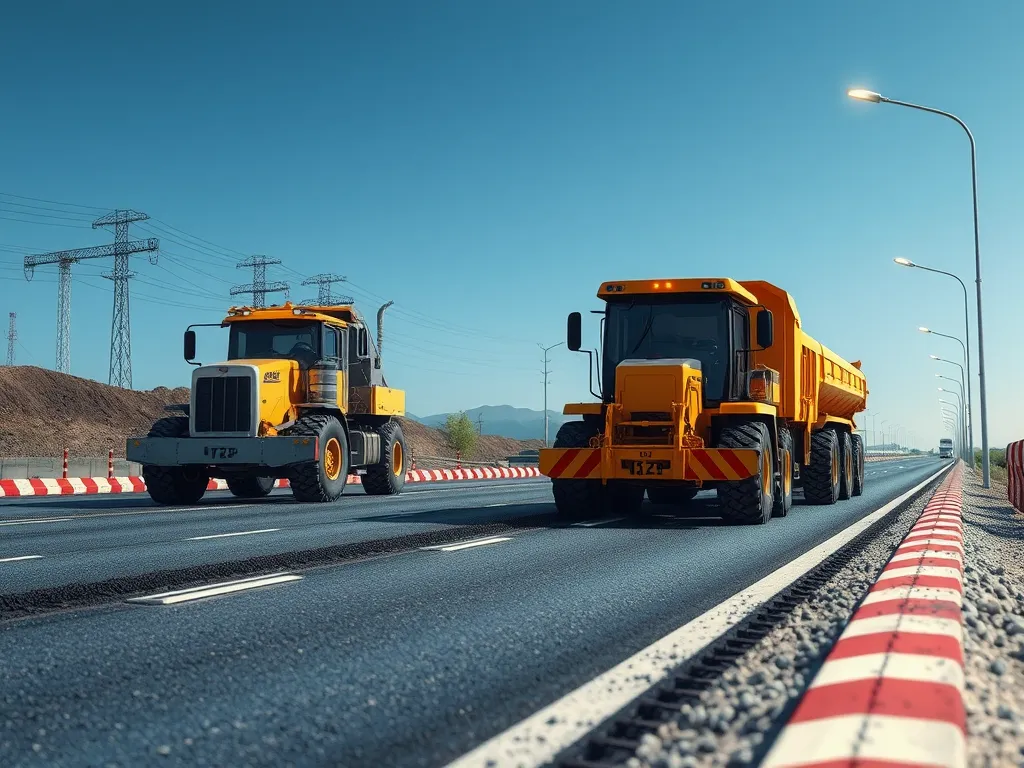
Environmental Considerations in Asphalt Evolution
Asphalt mixes have shifted focus to green methods. New tech cuts harm to earth while boosting road life. Two key areas drive this change: recycling and energy-smart production.
Recycling and Sustainability Initiatives
Old roads now feed new ones. Recycled Asphalt Pavement (RAP) mixes reuse 90-95% of scrap asphalt. States like California mix 25-40% RAP in fresh roads. This slashes landfill use by 75 million tons yearly. RAP cuts costs by 30% versus new materials. Warm Mix Asphalt (WMA) needs 50°F less heat than hot mix, trimming fuel use by 20%. Bio-binders from plants or algae now replace 15% of oil-based binders in some blends.
Energy Efficiency in Modern Production Methods
Plants now burn 20% less fuel per ton made. Drum mixers dry rock and blend asphalt in one step, saving 12% energy. Solar panels power batch plants in Texas and Arizona. Infrared heaters fix potholes with 40% less emissions. New PG binders let roads handle -40°F to 200°F temps, cutting early repairs by half.
These green leaps set the stage for smarter mix tech. Next, we explore how AI and new lab tools shape tomorrow’s roads.
FAQ: Evolution Of Asphalt Mixes
How Has Asphalt Changed Over the Years?
The evolution of asphalt has progressed from early natural tar applications used by ancient civilizations to advanced engineered composites designed to meet specific performance standards. Key developments include the introduction of Performance-Graded (PG) binders and the widespread adoption of Warm Mix Asphalt (WMA) technology, which significantly lowers production temperatures and environmental impact.
What Are the Different Types Of Asphalt Mix?
Modern asphalt mixes include several types, each tailored for different applications. These include Hot Mix Asphalt (HMA), known for its durability and use in high-traffic areas; Warm Mix Asphalt (WMA), which is more environmentally friendly due to lower production temperatures; Cold Mix Asphalt, used mainly for temporary and emergency repairs; and Recycled Asphalt Pavement (RAP) mixes, which incorporate reclaimed materials to reduce waste and costs.
What is the History Of Asphalt Paving?
The history of asphalt paving dates back thousands of years, with early civilizations utilizing natural bitumen for construction. Significant advancements occurred in the 19th century, leading to the first modern asphalt roads. By the mid 20th century, asphalt concrete became prominent, influenced by growing traffic demands and technological developments that included performance-based mix designs.
What is the History Of Warm Mix Asphalt?
Warm Mix Asphalt (WMA) technology emerged in the early 2000s as a response to environmental concerns. It allows for production at lower temperatures, which reduces energy consumption and emissions. The first commercial use in the U.S. occurred in Colorado in 2002, followed by endorsements from federal agencies that led to widespread adoption across many states.
Final Words
The evolution of asphalt mixes over the decades showcases remarkable advancements in technology, materials, and environmental sustainability. From the early use of natural asphalt by ancient civilizations to the modern innovations like Warm Mix Asphalt (WMA) and recycled asphalt pavements (RAP), this journey reflects a commitment to enhancing infrastructure while prioritizing efficiency and durability.
As asphalt continues to evolve, key trends such as performance grading and the use of artificial intelligence in mix design will shape the future of paving. The focus on sustainability through recycling and energy-efficient practices further highlights the industry’s dedication to reducing its environmental footprint.
For more details on asphalt mixes, calculations, and other resources, check out Asphalt Calculator USA.
Useful References for You:
- Transportation Research Board (TRB, Peer-Reviewed Research & Circulars)
- Asphalt Mix Design Methods Compared: Hveem, Marshall, Superpave, and BMD
- The Evolution of Waste Tire Rubber in the Greening of the Asphalt Industry – U.S. Polyco
- Three Decades of Paving Innovations | For Construction Pros
- 5 Different Types of Asphalt Mixes | Bituminous Roadways Blog