
Does Permeable Asphalt Work in Heavy Rain? Testing Its Wet Climate Strength
Published on: December 9, 2025 | Last Updated: April 14, 2025
Written By: George Voss
Permeable asphalt is a pavement designed for wet climates, using a porous structure to let water drain through its surface into underlying soil. Unlike traditional asphalt that sheds water, this material reduces flooding by absorbing up to 5 gallons per square foot per minute. Engineers evaluate its performance by measuring drainage speed, freeze-thaw durability, and resistance to erosion—key factors in areas with 40+ inches of annual rainfall.
This article breaks down how permeable asphalt handles relentless rain and standing water. We analyze its layered design with open-graded aggregates and stone reservoirs. Explore real-world data on infiltration rates during storms, compare costs to conventional pavement, and learn why some cities report 60% fewer flood complaints after installation. Later sections detail maintenance tricks to prevent clogs and explain why soil type matters as much as asphalt quality.
Contents
- Understanding Permeable Asphalt
- How Permeable Asphalt Functions in Wet Climates
- Performance Evaluation Of Permeable Asphalt in Wet Conditions
- Water Absorption Capacity Of Permeable Asphalt
- Challenges and Disadvantages in Wet Climates
- Permeable Asphalt Maintenance Strategies
- Cost-benefit Analysis Of Permeable Asphalt
- Natural Benefits Of Permeable Asphalt Systems
- Frequently Asked Questions
- Closing Thoughts
- Additional Resources for You:
Understanding Permeable Asphalt
Permeable asphalt lets water pass through its surface. It cuts flood risks and boosts road safety in wet zones. This part breaks down its make-up, design, and how it works in rain-heavy areas.
Definition and Composition Of Permeable Asphalt
Permeable asphalt mixes rocks, sand, and asphalt binder. Unlike dense pavements, it has 16-22% voids. These gaps let water drain at 100-200 inches per hour. Some blends use polymer-modified binders for better strength.
Key Differences Between Permeable and Traditional Asphalt
Traditional asphalt seals water out. Permeable types guide it in. The main gap lies in their build: one blocks moisture, the other manages it. This shift impacts how they handle rain, loads, and wear over time.
Structural Design and Porosity Variations
Permeable asphalt has three layers. The top porous layer (1.5-3 inches thick) sits on a crushed stone subbase (6-12 inches). This base stores water before it seeps into soil. Porosity rates hit 16-22%, versus 3-5% in standard asphalt. High voids mean faster flow but need more care to avoid clogs.
These traits show why design matters when judging how it works in storm-prone zones. Up next: how water moves through the system during heavy rains.
How Permeable Asphalt Functions in Wet Climates
Permeable pavement systems redirect stormwater through voids within the surface layer. These interconnected gaps permit rapid entry of runoff into subsurface zones. Water travels downward through stone beds beneath the pavement, lowering surface pooling risks.
Drainage Mechanisms and Water Flow Pathways
Effective drainage relies on three elements: surface porosity, subsurface stone layers, porous asphalts flow rates. Void content between 16-22% enables infiltration speeds up to 200 inches per hour. Geotextile fabric beneath stone beds filters sediment while letting water seep into soil.
Role of Stone Layers and Subbase Design
Crushed stone bases (1.5-2.5 inch size) form the system’s backbone. These layers store up to 40% of runoff during peak storms. Proper subbase depth—typically 12-36 inches—balances storage needs with structural support. Open-graded stones beneath the pavement boost void space for water retention.
Impact Of Rainfall Intensity on Infiltration Rates
Permeable asphalt performance testing shows infiltration capacities between 0.5-4 inches per hour. Light rains (under 0.3 inches/hour) see 90% flow through the surface. Heavy downpours (over 2 inches/hour) cut efficiency to 40-60%, requiring larger stone beds. Systems in regions with 50+ inch yearly rainfall need designs permitting full drainage within 20 minutes post-storm.
These flow dynamics set the stage for examining real-world drainage metrics under sustained wet conditions.
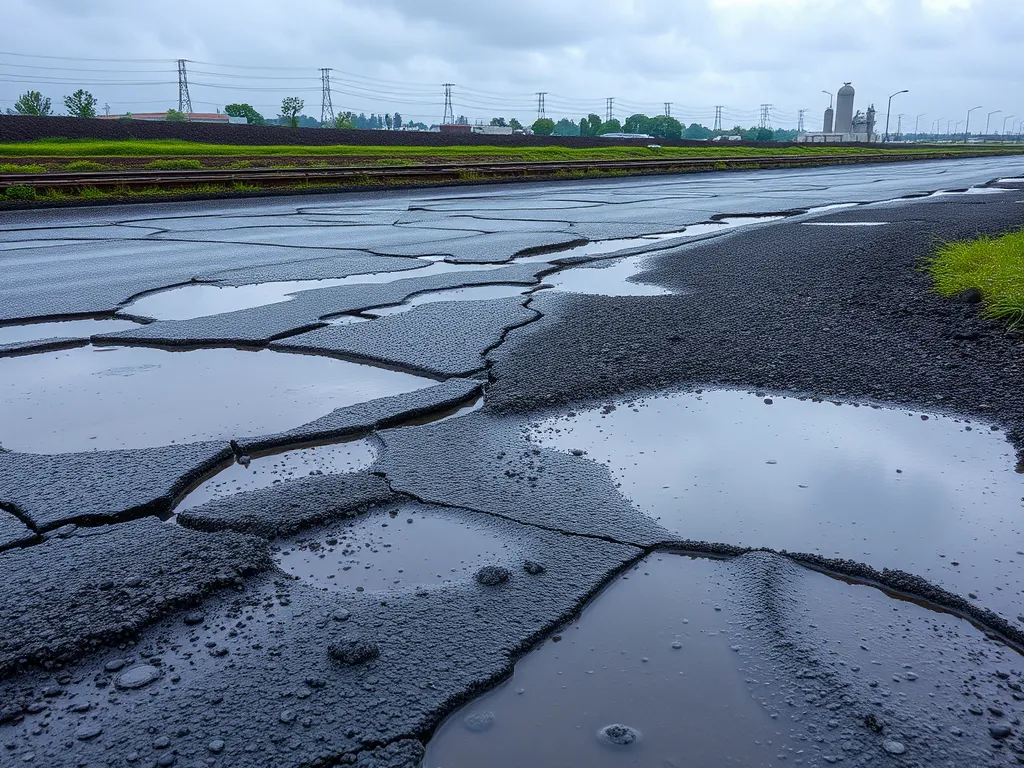
Performance Evaluation Of Permeable Asphalt in Wet Conditions
Permeable asphalt performance testing focuses on two critical factors: how well water moves through the pavement and how the material withstands constant moisture. These assessments determine whether porous asphalt wet climates can handle both environmental demands and traffic loads.
Drainage Efficiency and Flood Mitigation Capabilities
Permeable asphalt reduces flooding by letting 100-300 gallons of water per minute flow through each square foot. This rate depends on mix design, with 16-22% air voids being standard. Stormwater flows through surface gaps into aggregate layers below, cutting runoff by up to 90% compared to traditional pavements.
Testing Flow Rates for Porous Asphalts
ASTM C1701 measures porous asphalts flow rates using a falling-head permeameter. Field tests apply 10-inch rainfall simulations, tracking infiltration over 30-minute cycles. High-performing mixes maintain 0.35-0.50 in/min flow even after 5 years—critical for areas with 50+ inch annual rainfall.
Longevity and Durability Under Prolonged Moisture Exposure
Wet climates test permeable asphalt’s structural resilience. PG 76-22 polymer-modified binders resist stripping better than standard PG 64-22 grades. Studies show 12-15% strength loss after 5 years of saturation, versus 25-30% for non-modified mixes. Proper subbase compaction (95% Proctor density) prevents rutting under 8,000+ ESAL traffic loads.
Effects of Freeze-Thaw Cycles in Humid Regions
When temperatures drop below 32°F, water trapped in pores expands, creating 150-300 psi pressure. Northern states like Washington see 40+ annual freeze-thaw cycles, causing 0.5-1.5 mm/year surface erosion. Adding 1.5% cellulose fibers to the mix cuts raveling by 60%, extending service life to 15-18 years in these zones.
These performance metrics highlight why material selection and site-specific design dictate success. Next, we’ll explore how water absorption capacity changes as permeable asphalt ages—a key factor for long-term stormwater management.
Also See: The Environmental Impact Of Mining Aggregates
Water Absorption Capacity Of Permeable Asphalt
Permeable asphalt’s ability to manage water hinges on its absorption capacity. This determines how quickly stormwater moves through voids in the pavement structure. High absorption rates prevent surface pooling while maintaining structural stability during heavy rains.
Measuring Porosity and Permeability Rates
Porosity (void space percentage) and permeability (flow speed) define absorption potential. Engineers use core samples to measure porosity, typically ranging from 16% to 22% in permeable mixes. Permeability tests gauge flow rates, with top-performing pavements handling 100–500 inches of water per hour.
Industry Standards for Permeability Tests
ASTM C1701 and AASHTO T 342 set testing protocols. These methods apply controlled water flow to surfaces, measuring infiltration rates in gallons per minute per square foot. Projects in wet climates often require minimum rates of 0.1 in/sec to handle frequent downpours.
Factors Influencing Absorption Limits
Aggregate size, binder content, and subbase depth directly affect absorption. Larger aggregates (3/4-inch) create wider voids for faster drainage but reduce load-bearing strength. Binder percentages between 5.5% and 6.5% balance durability with porosity.
Clogging Risks and Saturation Thresholds
Sediment accumulation can slash permeability by 40% within 5 years. Saturation thresholds—the point where voids fill completely—vary by design. Systems in wet climates need overflow pathways to handle saturation events exceeding 80% capacity. Vacuum sweeping every 3–6 months maintains 85–90% original flow rates.
With absorption metrics established, the next challenge lies in maintaining these rates under real-world stresses.
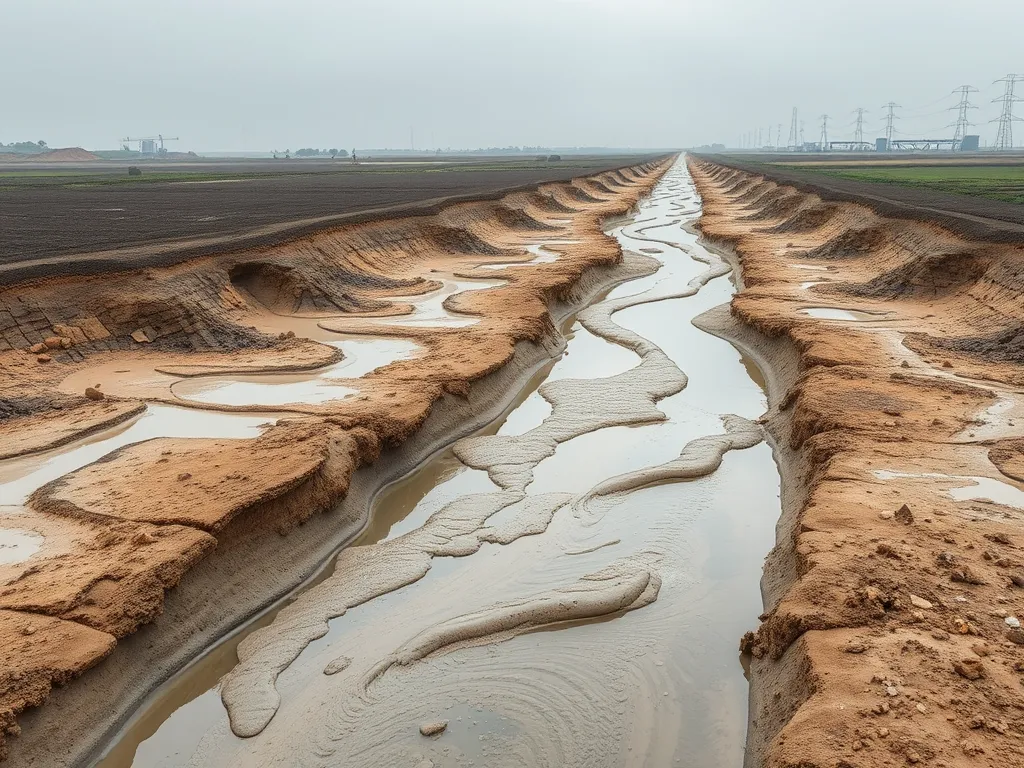
Challenges and Disadvantages in Wet Climates
Permeable asphalt excels at managing stormwater but faces unique hurdles when deployed in regions with frequent rainfall. These challenges require careful planning to maintain structural integrity and drainage function.
Reduced Load-bearing Capacity During Saturation
Waterlogged permeable asphalt loses 15-30% of its load-bearing strength compared to dry conditions. The open-graded structure allowing water infiltration lacks the density of traditional mixes, dropping from 4,500 PSI to 3,200 PSI when saturated. Heavy vehicles can accelerate rutting, particularly in parking stalls or roads with constant traffic. Engineers must design thicker subbase layers (up to 18 inches) to compensate for this weakness in high-use areas.
Maintenance Demands for Sustained Permeability
Without routine care, permeable asphalt loses 60-80% of its original infiltration capacity within 5-7 years. Clogged pores from organic matter or silt force water to pool instead of draining at designed rates of 100-300 inches per hour. Municipalities in wet climates often schedule vacuum sweeping every 3 months and high-pressure washing biannually – adding $0.50-$1.25 per square foot annually to upkeep costs.
Addressing Sediment Accumulation and Surface Debris
Leaf litter and eroded soil are primary culprits behind clogging. A single storm can deposit 2-5 pounds of debris per 100 square feet on porous surfaces. Regenerative air sweepers restore 85-90% of initial permeability when used quarterly, while neglect drops flow rates by 25% yearly. Geotextile filters beneath aggregate layers extend service life but add $3-$7 per ton to base material expenses.
These operational hurdles highlight why permeable asphalt performance testing must include long-term saturation simulations. Up next: proven strategies to combat wear while keeping drainage rates high.
Permeable Asphalt Maintenance Strategies
Preserving permeable asphalt’s drainage capacity demands proactive care. Wet climates amplify risks like sediment buildup, requiring tailored maintenance plans to prevent surface degradation. Strategic upkeep ensures consistent performance while extending pavement life beyond 20 years.
Routine Inspection Protocols for Optimal Performance
Quarterly checks identify early signs of clogging or structural stress. Inspectors measure porous asphalt flow rates using ASTM C1701 infiltration tests, targeting 100–300 inches per hour. Key focus areas include:
- Debris accumulation near curbs or joints
- Surface cracks wider than 0.25 inches
- Standing water persisting over 48 hours
Infrared cameras detect subsurface voids, while core samples assess subbase compaction. High-rainfall zones may need monthly inspections during peak storm seasons.
Cleaning Techniques to Preserve Drainage Efficiency
Annual deep cleaning combats gradual pore blockage. Street sweepers with rotary brushes remove 80–90% of particulates, but wet climates often demand more aggressive methods. Combining mechanical and hydraulic approaches maintains 85–95% original permeability.
High-Pressure Washing and Vacuum Systems
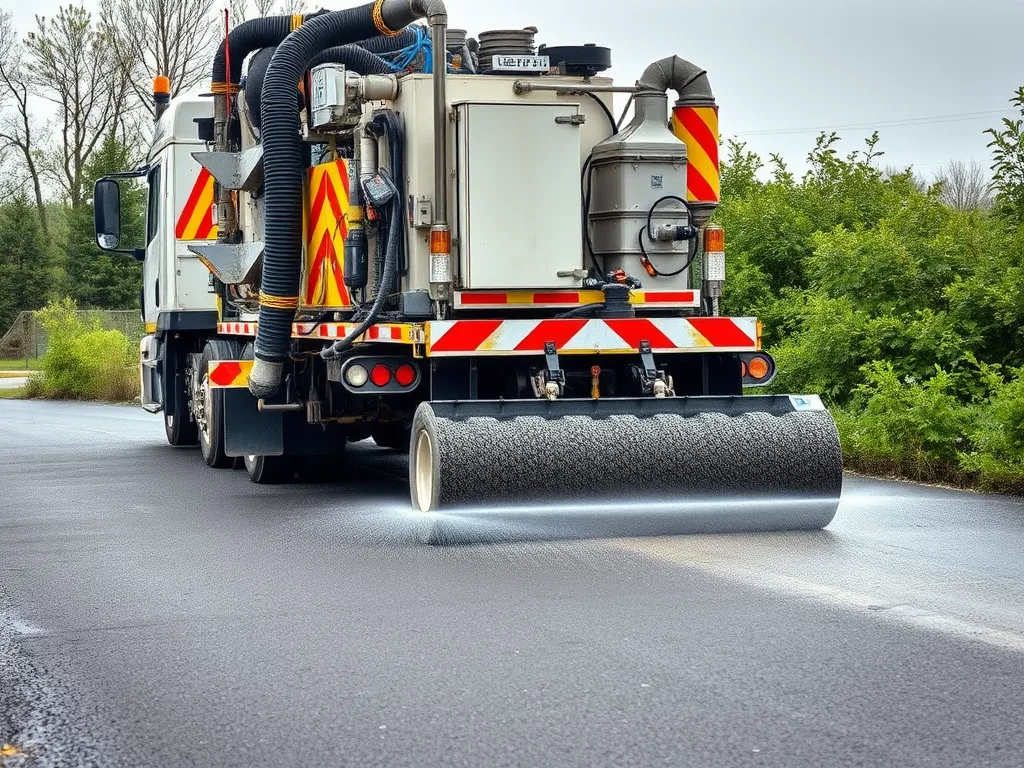
Hydrojetting at 1,500–3,000 PSI dislodges embedded grit without damaging polymer-modified binders. Truck-mounted vacuum units then extract loosened debris, recovering 95% of pore space. For ice-prone areas, dry vacuum systems prevent freeze-related fractures by removing moisture trapped in aggregate layers.
Effective maintenance directly influences permeable asphalt performance testing outcomes. Next, we’ll analyze how these strategies impact long-term project costs and environmental returns.
Cost-benefit Analysis Of Permeable Asphalt
Permeable asphalt evaluation requires balancing upfront expenses against long-term gains. While material costs run 15-30% higher than traditional mixes, the environmental and structural payoffs demand scrutiny.
Material and Installation Cost Considerations
Permeable asphalt pavement averages $3-$5 more per square foot versus dense-graded asphalt. Specialized polymer-modified binders and open-graded aggregates account for 40% of the premium. Subbase preparation with crushed stone layers (12-36 inches thick) adds 15-25% to labor costs due to extended excavation times. Projects in wet climates often require geotextile fabrics beneath the subbase, tacking on $0.50-$1.10 per sq ft.
Using Asphalt Calculators for Project Assessments
Asphalt calculators streamline cost projections by factoring in regional material rates, layer thicknesses, and drainage needs. Inputs like surface area (e.g., 10,000 sq ft), aggregate depth (18 inches), and local PG 64-22 binder prices ($600/ton) generate precise estimates. Adjusting void content from 16% to 20% can slash annual maintenance budgets by 12% in areas with 50+ inches of rainfall.
Lifecycle Cost Comparison With Traditional Pavements
Over 30 years, permeable asphalt performance testing shows 30-50% lower lifecycle costs than conventional pavements. Reduced stormwater infrastructure (fewer catch basins, pipes) saves $8-$15 per sq ft. Annual maintenance averages $0.30-$0.60 per sq ft for vacuum sweeping versus $1.20-$2.50 for traditional asphalt crack sealing. Permeability tests confirm 95% flow rate retention after decade-long exposure to 60-inch annual rainfall when maintained properly.
These fiscal patterns highlight why engineers prioritize porous asphalt evaluation in flood-prone zones. Next, we examine how these systems benefit ecosystems beyond balance sheets.
Natural Benefits Of Permeable Asphalt Systems
Pavements built with voids allow cities to work with natural water cycles instead of against them. This approach transforms roads into tools for managing rain while supporting local habitats.
Stormwater Management and Groundwater Recharge
Permeable asphalt captures up to 80% of rainfall, letting water pass through its surface at 5-8 inches per hour. This cuts runoff volume by half compared to solid pavements, based on data from the National Asphalt Pavement Association. Voids in the mix direct water into stone beds below, filtering pollutants before replenishing aquifers.
Aggregate sublayers act as temporary storage during heavy storms. A 12-inch thick subbase can hold 1,500 gallons per 1,000 sq ft, delaying peak flows to prevent overwhelmed drains. Projects in Seattle show such systems cut flood risks by 35% in zones with annual rainfall above 40 inches.
Cooling Built Spaces Through Design
Traditional pavements trap heat, raising city temps by 5-10°F. Permeable alternatives lower this through two mechanisms: air pockets in the mix reduce thermal mass, and moisture in voids cools surfaces via vapor release. Infrared scans show porous lots stay 20°F cooler on summer afternoons.
Higher albedo mixes with light-toned aggregates reflect 30% more solar radiation. Pairing this with void spaces creates a 15% larger cooling impact than standard asphalt, as recorded in Phoenix trials. Lower temps also slow binder aging, boosting pavement lifespan in hot, humid zones.
With proof of both water and thermal gains, focus shifts to how cities can adopt these systems without compromising road strength. Upcoming sections tackle common concerns about long-term function under heavy loads and constant rain.
Frequently Asked Questions
How Does Permeable Asphalt Perform During Heavy Rainfall?
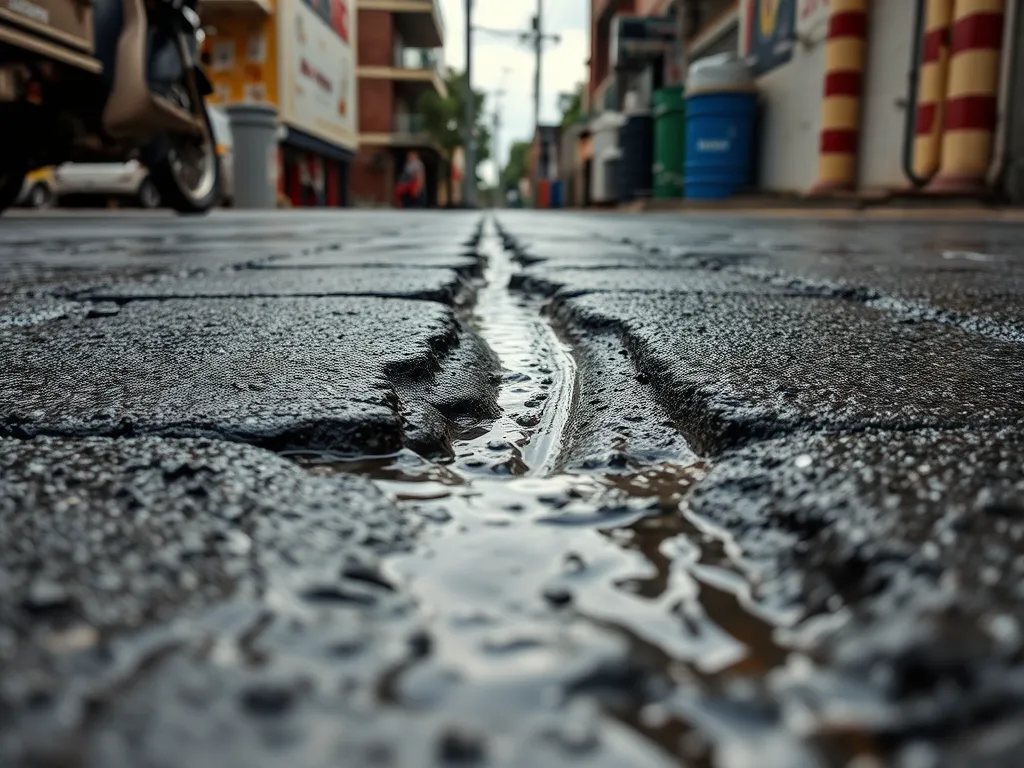
Permeable asphalt is designed to manage heavy rainfall effectively. During intense downpours, the porous structure allows water to infiltrate quickly, significantly reducing surface flooding and runoff. Its performance varies based on rainfall intensity, with higher infiltration rates seen during lighter rains. However, heavy rainfall can still challenge the system, necessitating regular maintenance to prevent clogging and maintain drainage efficiency.
What Maintenance is Critical for Wet Climate Applications?
Regular maintenance is essential for permeable asphalt in wet climates. Key practices include routine inspections to identify clogging, sediment buildup, and structural integrity. Cleaning techniques, such as vacuum sweeping and high-pressure washing, are crucial to ensure optimal drainage capacity and extend the lifespan of the pavement.
How Does Water Absorption Capacity Change Over Time?
The water absorption capacity of permeable asphalt may decrease over time due to factors such as sediment accumulation and clogging from organic material. Without proper maintenance, its infiltration rates can drop significantly, reducing its effectiveness in managing stormwater. Regular evaluations help to ensure absorption levels remain within optimal ranges.
What Are the Environmental Benefits Of Using Permeable Asphalt?
Permeable asphalt provides numerous environmental benefits, including improved stormwater management and groundwater recharge. By allowing rainwater to filter through its surface, permeable asphalt helps reduce runoff volume and minimizes the risk of flooding. Additionally, it supports aquifer replenishment and helps to filter pollutants, contributing to healthier local ecosystems.
Is Permeable Asphalt Suitable for All Types Of Soils?
The suitability of permeable asphalt largely depends on the underlying soil type. Well-draining soils, like sandy or gravelly soils, are ideal as they facilitate proper water infiltration. In contrast, clay-rich soils may hinder drainage, leading to potential challenges with water saturation and reduced performance. Site assessments are crucial for determining the feasibility of permeable asphalt installations based on soil conditions.
Closing Thoughts
Evaluating permeable asphalt’s performance in wet climates reveals its potential and challenges. Its ability to facilitate drainage and manage stormwater stands out, making it an appealing option for areas prone to heavy rainfall. The structural design, incorporating porous materials, plays a significant role in its effectiveness.
Despite its advantages, permeable asphalt maintains some limitations. Reduced load-bearing capacity during saturation and ongoing maintenance are critical considerations. Regular inspections and cleaning can help mitigate issues related to clogging and sediment accumulation. Understanding these factors is vital for ensuring long-lasting performance.
For a more in-depth look at permeable asphalt and its applications, check out Asphalt Calculator USA. Our resources provide valuable insights and tools to assist in your paving decisions.
Additional Resources for You:
- Roberts, F. L., Kandhal, P. S., Brown, E. R., Lee, D. Y., & Kennedy, T. W. (1996). Hot Mix Asphalt Materials, Mixture Design, and Construction (2nd ed.). National Asphalt Pavement Association (NAPA).
- Evaluating the performance of porous asphalt mixtures with polymer-modified and unmodified bitumen | Discover Civil Engineering
- (PDF) Performance of Permeable Pavements in Cold Climate Environments
- Permeable Pavements in Cold Climates: State of the Art …
- Evaluating the potential benefits of permeable pavement on the quantity and quality of stormwater runoff | U.S. Geological Survey

