
Evaluating the Life Cycle Of Asphalt Roads: From Installation to Recycling
Published on: December 10, 2025 | Last Updated: April 14, 2025
Written By: George Voss
Evaluating the life cycle of asphalt roads tracks their journey from raw material extraction to final recycling. This process analyzes five phases: mining aggregates like crushed stone, mixing with bitumen binder, paving, maintaining surfaces through crack sealing, and recycling 95% of old pavement. Costs range from $2-$5 per square foot for new roads, with rehabilitation cutting expenses by 35% compared to full replacement. Environmental impacts shrink when using 30% recycled asphalt, reducing CO2 emissions by half. Life Cycle Assessment (LCA) tools measure energy use, emissions, and costs at each stage.
This article breaks down how asphalt roads are built, used, and reused. We cover how weather cracks pavement, why truck traffic causes rutting, and how LCA pinpoints eco-friendly options. Learn why timely pothole repairs add 5-7 years to road life and how infrared scanners detect hidden damage. Get data on recycling plants processing 100 tons of asphalt hourly and RAP (Reclaimed Asphalt Pavement) slashing material costs by 40%. Build smarter roads with science-backed strategies.
Contents
- Understanding the Asphalt Road Lifecycle
- Primary Stages Of Asphalt Road Lifecycle
- Factors Influencing Asphalt Road Lifespan
- Conducting a Life Cycle Assessment (LCA) for Asphalt Roads
- Strategies to Prolong Asphalt Road Service Life
- Technologies in Asphalt Lifecycle Evaluation
- Environmental Considerations in Asphalt Lifecycle
- Frequently Asked Questions (FAQs)
- Closing Thoughts
- Useful References for You:
Understanding the Asphalt Road Lifecycle
Assessing asphalt lifespan starts with knowing how roads transform from raw materials to functional pavements. This analysis tracks a road’s full story—from quarry to recycling facility—to find ways to boost sustainability and cut costs.
Definition Of Asphalt Pavement Lifecycle
Asphalt pavement life cycle assessment (LCA) maps a road’s journey in five parts: material sourcing, construction, daily use, upkeep, and final recycling. Tools like PaLATE software quantify impacts, including CO2 output (2.5-3.2 tons per lane mile) and financial outlays. This method pinpoints weak spots, such as high-temperature PG binders failing in cold climates.
Key Phases in Asphalt Road Development
Four pivotal steps shape asphalt road assessment:
- Design: Mix designs (like Superpave) fix traffic loads, with 95% virgin aggregates paired with 5-30% recycled asphalt pavement (RAP)
- Installation: Layering compacted lifts at 300°F forms a 3-4 inch surface
- Active service: Roads handle 11,000-15,000 vehicles daily before rutting starts
- Recycling: 90% of old asphalt gets reused in new pavements
Advanced tools like Ground-Penetrating Radar spot subsurface flaws early, pushing road lifespans past 20 years with proper care.
With this foundation, looking at distinct asphalt road lifecycle stages shows how choices in building and upkeep shape long-term costs and durability.
Primary Stages Of Asphalt Road Lifecycle
The journey from raw materials to recycled pavement involves five critical stages. Each phase directly affects the longevity of paved surfaces during evaluation of asphalt road life cycles.
Material Extraction and Processing for Asphalt
Bitumen, aggregates, and mineral fillers form the core components. Aggregates like crushed stone or gravel undergo screening for size consistency. Bitumen, derived from crude oil distillation, binds the mix. Modern plants use PG (Performance-Graded) binders tailored to local climate needs. Processing consumes 15-20% of total energy in the asphalt lifecycle. Sustainable sourcing now prioritizes recycled materials like RAP (Reclaimed Asphalt Pavement), cutting virgin material use by up to 30%.
Asphalt Pavement Construction Techniques
Proper installation ensures structural integrity. Layers include subgrade preparation, base course, binder course, and surface mix. Paving crews apply hot-mix asphalt at 280-325°F for optimal compaction. Density targets exceed 92% to prevent premature cracking. Advanced methods like warm-mix tech lower production temps by 50°F, reducing emissions. Superpave mix designs match traffic loads, with high-stress roads using 20% stiffer binders.
Operational Use and Traffic Impact on Asphalt
Daily traffic introduces wear patterns. Heavy trucks exert 10x more stress than passenger vehicles, quantified via ESALs (Equivalent Single Axle Loads). A road designed for 10 million ESALs lasts 15-20 years under standard conditions. Temperature swings cause thermal cracking, while UV exposure oxidizes surface layers. Data shows 1°F drop below design limits raises cracking risk by 3%.
Routine Maintenance and Rehabilitation Strategies
Proactive care extends service life by 5-7 years. Crack sealing within 6 months prevents water infiltration. Pothole repair costs $50 per square yard versus $200 for full-depth patches. Surface treatments like chip seals (cost: $1.25-$2.50 per square yard) renew oxidized layers. Mill-and-overlay projects restore ride quality, adding 10-15 years when timed before base layer failure.
End-of-life Management and Asphalt Recycling
90% of removed pavement gets recycled. RAP mixes now allow 40% recycled content in new roads. Cold milling recovers 100% reusable material, saving $30 per ton versus virgin mixes. Reprocessing emits 20% less CO₂ than new production. Crumb rubber or plastic-modified mixes further boost recycled material use in next-gen pavements.
These stages set the groundwork for examining external variables that shape pavement durability. Up next: how climate, traffic loads, and construction quality determine final outcomes.
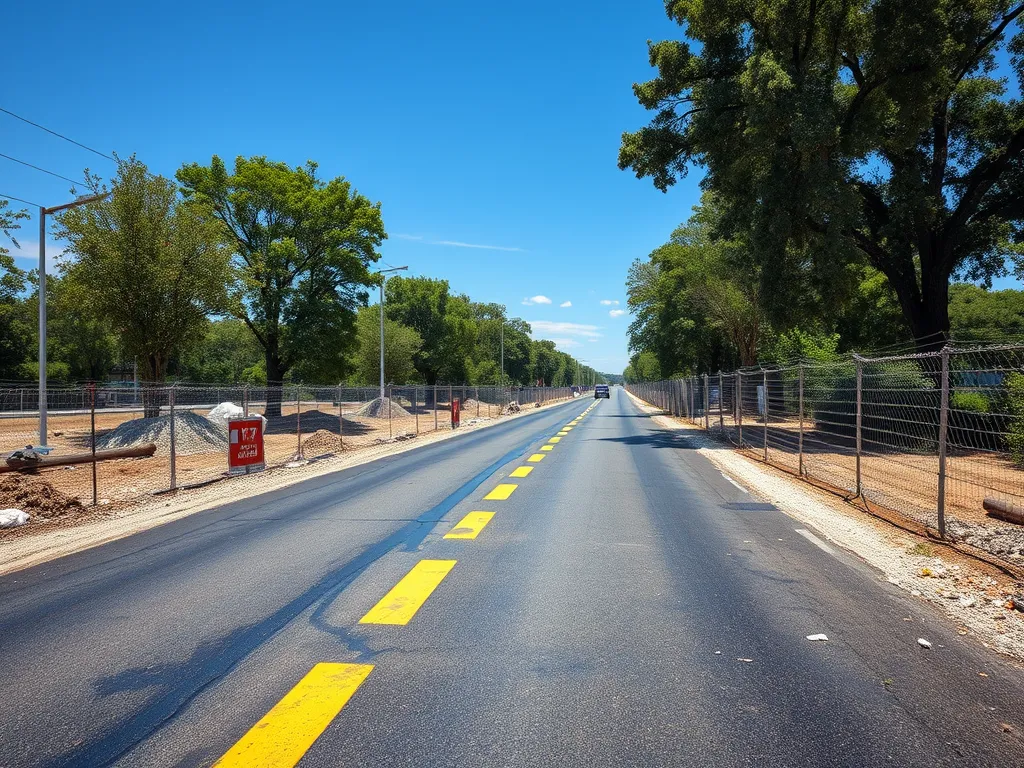
Factors Influencing Asphalt Road Lifespan
Multiple variables shape how asphalt roads perform over time. Let’s break down the four most critical elements driving pavement durability.
Climate and Environmental Conditions
Temperature swings and moisture levels directly impact asphalt road life cycles. Extreme heat softens binders, causing rutting at 140°F+. Freeze-thaw cycles in cold regions trigger cracks when water expands in pavement voids. Coastal roads face salt corrosion, while UV radiation oxidizes surfaces, fading flexibility by 40% in 7-10 years. Proper PG binder selection (e.g., PG 64-22 for Midwest climates) combats these effects.
Traffic Volume and Load Stress on Asphalt
A single 18,000-pound truck axle causes 3,000x more damage than a car. Roads handling 10,000+ ESALs (Equivalent Single Axle Loads) daily need thicker bases – typically 6-12 inches of aggregate. Fatigue cracking appears 50% faster on routes with frequent heavy vehicles. Weigh-in-motion sensors now track real-time stress patterns to optimize designs.
Quality Of Construction Materials and Techniques
Superior materials add years to pavement life cycle assessments. Key benchmarks:
| Factor | Good Quality | Poor Quality |
|---|---|---|
| Aggregate PSV | >60 (Skid-resistant) | <50 (Slippery) |
| Binder Grade | PG 76-16 (High-Temp) | PG 58-28 (Basic) |
| Compaction | 92-95% Density | <88% Density |
Infrared thermal imaging during paving ensures consistent 290-320°F mat temperatures for proper bonding.
Effectiveness Of Maintenance Practices
Proactive care stretches asphalt life cycles 15+ years. Crack sealing within 2 years prevents 80% of water infiltration. Thin 1.5-inch overlays every 10-12 years restore ride quality at $1.25-$2.50/SY – 30% cheaper than full reconstruction. Cities using Pavement Condition Index (PCI) monitoring report 22% longer service lives through data-driven repairs.
These factors set the stage for precise pavement lifecycle analysis. Next, we’ll explore how engineers quantify these impacts through standardized assessment frameworks.
Also See: How to Choose the Right Asphalt Mix for Your Project
Conducting a Life Cycle Assessment (LCA) for Asphalt Roads
Life cycle assessment (LCA) measures environmental impacts tied to asphalt roads from raw material extraction to end-of-life recycling. Following ISO 14040/44 standards, pavement lifecycle analysis quantifies energy use, emissions, and resource consumption. This data-driven approach helps compare paving options, improve designs, and meet sustainability targets.
Overview Of Pavement Lifecycle Analysis Methodology
Pavement LCA uses system boundaries spanning 30-50 years, covering material production, construction, maintenance, traffic delays, and recycling. Tools like PaLATE and OpenLCA model impacts using regional data sets. Agencies pair these with life-cycle cost analysis (LCCA) to balance eco-footprints with budget constraints.
Five Core Stages Of Asphalt LCA
Asphalt road assessment follows a structured framework to ensure consistency across projects:
Goal Definition and Scope in Asphalt Context
Set study parameters: Compare virgin vs. 30% recycled asphalt pavement (RAP) mixes for a 10-mile urban roadway. Define functional units—typically 1 lane-mile over 40 years—and exclude ancillary elements like signage or drainage.
Inventory Analysis of Asphalt Materials
Collect data on aggregates (1,200 tons/mile), PG 64-22 binder (5% by weight), fuel for hauling (15-20 gallons/ton-mile), and plant energy (30 kWh/ton). Include ancillary inputs: geotextiles, tack coats, curing compounds.
Impact Assessment Specific to Asphalt Roads
Apply TRACI or ReCiPe models to calculate:
- Global Warming Potential (GWP): 75 kg CO2e/ton for hot-mix asphalt
- Water consumption: 8-12 liters per square meter during laydown
- Land use: 0.003 acres per mile for quarries
Interpretation of LCA Results for Pavement
Analyze trade-offs: While warm-mix asphalt cuts production temps by 50°F (reducing GWP 15%), it may increase rutting risks in heavy truck lanes. Sensitivity testing checks how traffic growth rates or material price swings alter outcomes.
Reporting and Application of Findings
Create ISO-compliant reports detailing methodology, data sources, and uncertainty ranges. Agencies use these to update specs—for example, mandating 20% RAP in surface courses or switching to bio-based additives lowering VOC emissions by 40%.
Armed with LCA insights, engineers can now implement targeted strategies to extend pavement service life while minimizing ecological harm.

Strategies to Prolong Asphalt Road Service Life
Smart care keeps asphalt roads strong for years. These methods cut costs by 30-50% over full rebuilds while boosting road life.
Preventive Maintenance for Asphalt Surfaces
Routine checks spot small issues early. Sealcoating every 3-5 years blocks water, sun damage, and oxidation. Fixing drainage stops pooling. Sweeping clears debris that wears down surfaces. This care adds 5-8 years to roads.
Timely Crack Sealing and Pothole Repair
Fix cracks under 0.25 inches fast. Hot rubber seals stop water seepage. Pothole patching with tack coat bonds new mix to old asphalt. Delayed repairs raise costs 6x as cracks grow. Quick action keeps 90% of road structure intact.
| Repair Type | Cost per Sq Ft | Life Boost |
|---|---|---|
| Crack Fill | $0.15-$0.35 | 3-5 years |
| Pothole Fix | $2.50-$4.00 | 2-4 years |
| Sealcoat | $0.14-$0.25 | 5-8 years |
Surface Treatments and Asphalt Overlays
Chip seals add rock layers for grip and shield cracks. Microsurfacing fills ruts with polymer-rich mix. Overlays lay 1.5-3 inches of fresh asphalt. These steps restore ride quality and add 10-15 years. Costs range from $1.50-$4.00 per sq ft based on treatment depth.
Combining these steps boosts asphalt road life cycle results. Next, tech tools track how well these plans work over time.
Technologies in Asphalt Lifecycle Evaluation
Modern tools now shape how professionals track asphalt road performance from installation to recycling. These advancements deliver precise data for assessing asphalt lifespan while cutting long-term costs.
Advanced Testing Methods for Asphalt Durability
Dynamic Shear Rheometers (DSR) measure binder stiffness at temperatures from -10°F to 230°F. Bending Beam Rheometers (BBR) test low-temperature cracking resistance, critical for northern climates. The Hamburg Wheel Tracking Device simulates 20,000 truck passes in 6 hours to predict rutting. These methods tie directly to Performance Graded (PG) binder specifications, ensuring mixes meet exact climate demands. A 2023 study showed PG 76-22 binders increase high-temperature resistance by 40% compared to traditional grades.
Data-driven Monitoring Systems for Pavement Health
Embedded IoT sensors like SmartRock track strain and moisture in real time. LiDAR-equipped drones map surface defects at 1mm accuracy, spotting early cracks before visible damage. Machine learning models process traffic data to forecast wear patterns—predicting pothole formation 8-12 months in advance. Agencies using these systems report 30% lower repair costs through targeted maintenance.
Innovations in Asphalt Recycling Equipment
High-efficiency RAP (Recycled Asphalt Pavement) crushers process 500 tons/hour, achieving 95% material reuse. Infrared heaters enable in-place recycling, restoring worn surfaces at $12-$18 per square yard—half the cost of full-depth replacement. Parallel drum plants mix virgin and recycled materials at 300°F, maintaining workability while cutting energy use by 28%. These technologies slash lifecycle emissions by 1.2 tons CO2 per lane-mile during reconstruction.
These technical leaps set the stage for examining environmental impacts across the asphalt road life cycle.
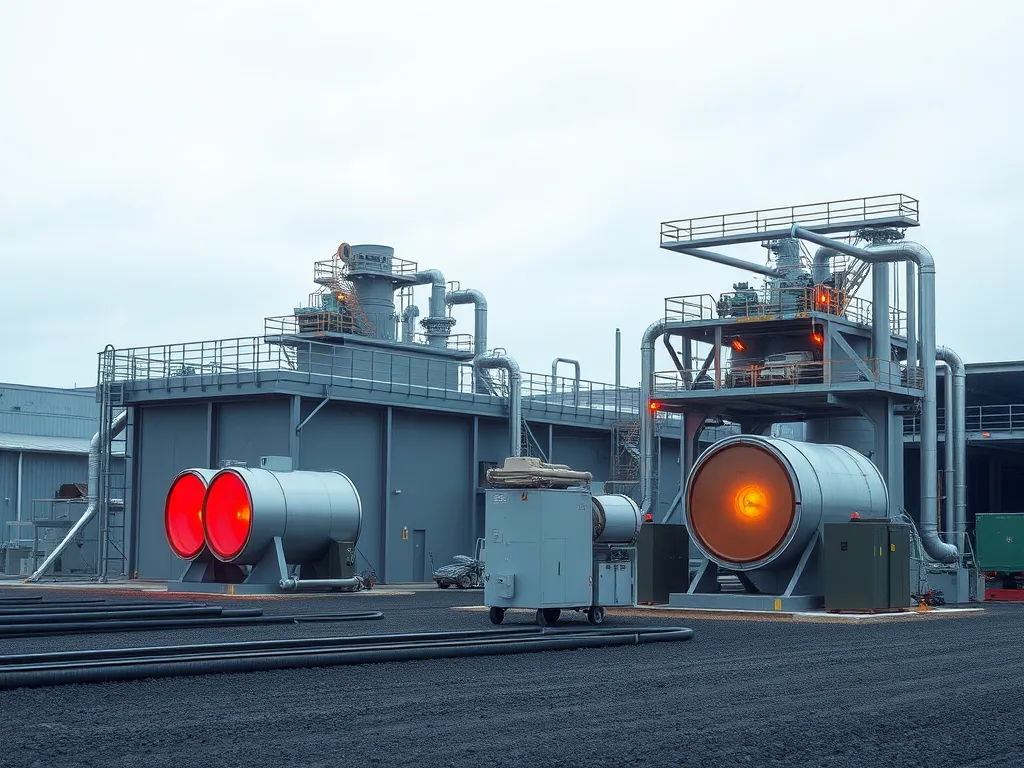
Environmental Considerations in Asphalt Lifecycle
Evaluating the life cycle of asphalt roads demands a hard look at environmental impacts. From material extraction to end-of-life recycling, each phase affects energy use, emissions, and resource management. Let’s break down three critical factors shaping sustainable pavement practices.
Energy Consumption and Emissions Analysis
Producing 1 ton of asphalt emits roughly 30-40 kg of CO₂. Hot-mix asphalt plants account for 60% of this output. Batch plants use 25% more energy than drum plants, pushing temps to 300°F-350°F. Warm-mix additives cut temps by 50°F, slashing fuel use 20%. The EPA reports U.S. asphalt production releases 1.5 million metric tons of greenhouse gases yearly. Switching to electric-powered rollers or solar-heated storage tanks trims emissions 15%.
Sustainable Material Sourcing for Asphalt
Reclaimed asphalt pavement (RAP) now makes up 20-30% of mix designs. The Federal Highway Administration allows up to 50% RAP in surface layers. Recycled asphalt shingles (RAS) add 3-5% binder replacement, diverting 1.2 million tons from landfills annually. Locally sourced aggregates reduce haul distances 40%, cutting transport emissions. Bio-based binders from pine resin or algae oil are gaining traction, with test roads showing 18% lower carbon footprints.
Benefits Of Recycled Asphalt in Road Construction
Using RAP saves $30-$80 per ton versus virgin mixes. Recycled asphalt requires 95% less energy to produce, maintaining equal rut resistance and fatigue life. Over 90% of U.S. states now use RAP in highway projects. Michigan’s I-96 reconstruction reused 65,000 tons of old pavement, cutting costs 22%. Performance-grade binders in recycled mixes prevent thermal cracking at -10°F, matching virgin asphalt specs.
These eco-focused strategies directly feed into emerging tech for monitoring pavement health. Next, we’ll explore how sensors and AI are transforming asphalt lifecycle assessment.
Frequently Asked Questions (FAQs)
What is the Typical Lifecycle Of Asphalt Pavement?
The typical lifecycle of asphalt pavement spans various phases, from material extraction to construction, operational use, maintenance, and finally, end-of-life recycling. In general, a well-constructed asphalt road can last anywhere from 15 to 30 years, depending on various factors such as traffic volume, climate conditions, and maintenance practices.
How Long Can an Asphalt Road Last Under Normal Conditions?
Under normal conditions, an asphalt road can last between 15 to 20 years with proper maintenance. However, roads designed for heavy traffic may require more frequent repairs, which can affect their overall lifespan.
What Does Pavement Lifecycle Analysis Entail?
Pavement lifecycle analysis is a comprehensive evaluation process that assesses the environmental impacts and costs associated with each stage of an asphalt road’s life cycle. This includes analyzing material production, construction methods, maintenance strategies, operational impacts, and recycling options. The goal is to identify areas for improvement in sustainability and cost-effectiveness.
What Are the Five Stages Of Life Cycle Assessment?
The five stages of life cycle assessment (LCA) involve: 1. Goal Definition and Scope: Setting boundaries and objectives for the assessment. 2. Inventory Analysis: Collecting data on materials, energy use, and emissions throughout the pavement’s life. 3. Impact Assessment: Evaluating the potential environmental impacts based on the collected data. 4. Interpretation of Results: Analyzing the findings to inform decisions about pavement design and materials. 5. Reporting: Documenting the methodology and findings for stakeholders to enhance transparency and decision-making.
Closing Thoughts
Evaluating the life cycle of asphalt roads involves an intricate balance between material science, environmental impact, and practical application. From initial material extraction to end-of-life recycling, each phase significantly affects the road’s overall performance and sustainability. Understanding these key stages enables better decision-making in maintenance and construction, ultimately extending the lifespan of asphalt pavements.
Emphasizing innovative technologies and sustainable practices can further enhance the road network’s resilience. Advanced testing methods and data-driven monitoring are crucial for assessing the health of asphalt surfaces, ensuring that roads remain safe and efficient for all users.
For more information on this topic, visit Asphalt Calculator USA. Stay informed and optimize your asphalt projects!
Useful References for You:
- Kett, I. (1999). Asphalt Materials and Mix Design Manual. Oxford: Elsevier Science.
- (PDF) Life Cycle Assessment of Asphalt Roads
- What Is The Typical Life Cycle of an Asphalt Road?
- The Pavement Life Cycle – References – Sustainability
- Life cycle analysis of concrete and asphalt used in road pavements

