Essential Features Of High-quality Asphalt Smoothing Machines
Published on: December 9, 2025 | Last Updated: April 14, 2025
Written By: George Voss
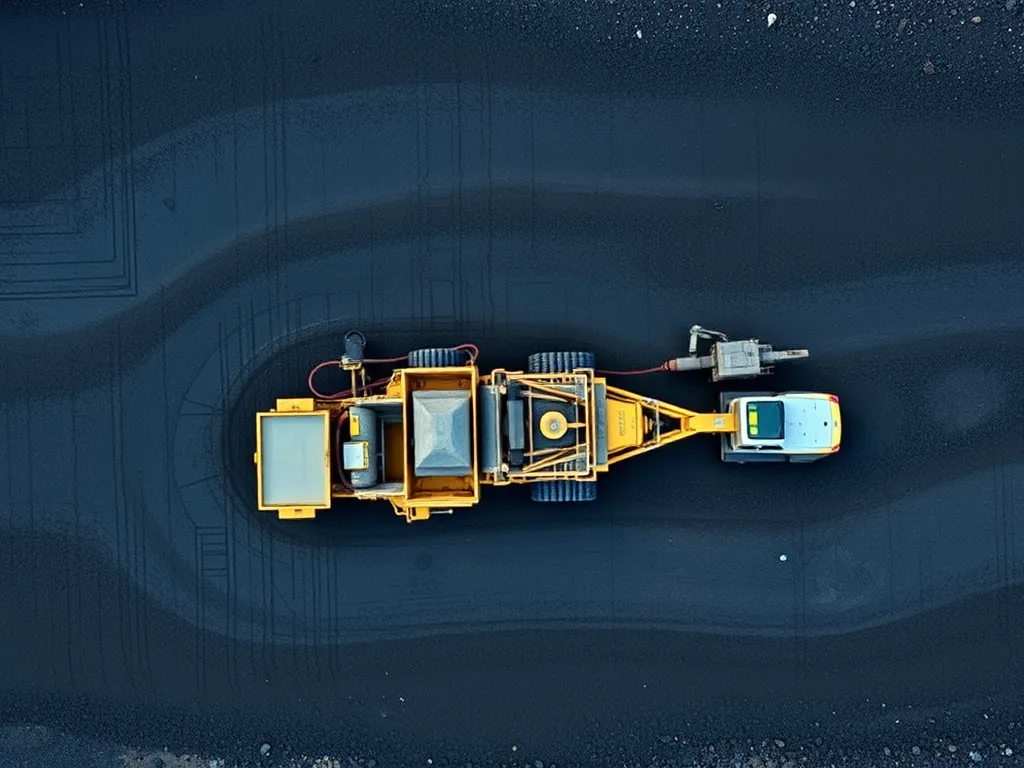
High-quality asphalt smoothing machines are heavy-duty pavers that lay and compact asphalt layers within 1/8-inch thickness tolerances. These differ from basic models through heated screeds (temperature-controlled leveling plates), dual auger systems distributing 500+ tons of mix hourly, and tamper bars creating 92% initial density. Premium machines prevent material segregation and cooling – critical for avoiding cracks and potholes. Entry-level equipment often lacks precise controls, risking uneven surfaces needing repairs within 2-3 years.
This article details the engineering behind durable asphalt surfaces. We’ll analyze adjustable screed technology, 150-300 HP engines with 40% torque reserves, and vibration systems running at 3,000 impulses/minute. You’ll also learn how corrosion-resistant Hardox steel extends machine lifespans to 15,000+ hours and why EPA Tier 4 engines cut fuel use by 12-18%.
Contents
- Understanding Asphalt Smoothing Machines
- Key Features Of High-quality Asphalt Smoothing Equipment
- Types Of Asphalt Paving Equipment
- Operational Best Practices
- Cost Considerations for Asphalt Smoothing Machines
- Environmental and Efficiency Features
- Frequently Asked Questions (FAQs)
- Closing Thoughts
- Additional Resources for You:
Understanding Asphalt Smoothing Machines
Asphalt smoothing machines shape roads into durable driving surfaces. These heavy-duty tools handle hot mix asphalt (HMA) at temperatures between 250-350°F while maintaining precise material placement.
What is the Machine That Smooths Asphalt?
Asphalt pavers and finishers perform the smoothing process. These self-propelled units receive HMA from trucks, distribute it across surfaces, and compact it to specified thicknesses.
Role of Asphalt Pavers in Surface Leveling
Pavers use a combination of augers and screeds to lay asphalt layers. The screed plate – typically 8-16 feet wide – levels the mix through vibration and heat. Advanced models feature automatic grade controls to maintain ±1/8-inch thickness accuracy.
Connection Between Asphalt Finishers and Smooth Outcomes
Finishers add final compaction before rollers complete the process. High-quality units integrate tamper bars that compact the mix to 92-96% density, reducing air voids below 5% for weather-resistant surfaces.
How Asphalt Smoothing Machines Work
Modern pavers combine material handling, distribution, and initial compaction in one pass. Key systems work in tandem to achieve mat uniformity required for highways and commercial lots.
Integration of Heated Screeds for Uniform Mat Thickness
Electric or propane-heated screeds maintain 250-300°F temperatures. This prevents asphalt from sticking while allowing consistent layer adjustment. Screed heaters with 15-25 kW capacity handle mixes containing PG 64-22 binders without thermal loss.
Auger Systems for Material Distribution
Twin augers with 12-18-inch diameters spread HMA across the paving width. Variable-speed motors (0-30 RPM) adapt to different mix types. High-flow models move 800-1,200 tons of material daily, paired with 10-14 ft/min travel speeds.
With core systems covered, let’s examine critical specifications that separate standard equipment from top-tier asphalt smoothing machines.
Key Features Of High-quality Asphalt Smoothing Equipment
Modern asphalt smoothing equipment combines cutting-edge engineering with rugged design to meet strict road construction standards. These machines must balance power, precision, and durability to create long-lasting paved surfaces.
Precision Mat Thickness Control
Consistent mat thickness directly impacts pavement longevity. Deviations exceeding ±3mm can cause premature cracking under traffic loads.
Adjustable Screed Technology for Consistent Asphalt Layers
Hydraulic screed systems automatically adjust width from 8ft to 16ft while maintaining target thickness. Sensors monitor material flow rates up to 800 tons per hour, triggering real-time adjustments. This prevents uneven surfaces that trap water or degrade under freeze-thaw cycles.
Engine Power and Performance
Paving operations require sustained power output across varying terrain. Underpowered units struggle with slopes exceeding 5% or high-resistance mixes like stone-matrix asphalt.
High-Torque Engines for Heavy-Duty Asphalt Paving
Look for Tier 4 Final diesel engines generating 150-300hp with torque ratings above 600 lb-ft. These handle dense Superpave mixes without stalling during continuous operation. Track-driven models typically offer better torque transfer than wheeled versions.
Fuel Efficiency in Prolonged Operations
Advanced injection systems cut fuel use by 15-20% compared to older models. Some pavers consume less than 4 gallons per hour when spreading 12ft-wide mats. Reduced refueling stops keep projects on schedule during 10-hour shifts.
Advanced Compaction and Vibration Systems
Proper density during paving minimizes required roller passes. Top equipment achieves 92-95% compaction before rollers finish the job.
Integrated Vibration for Initial Asphalt Density
Dual-frequency vibrators operate at 2,000-4,000 VPM (vibrations per minute). This range suits both thin overlays (1.5″) and full-depth paving (6″). Frequency controls adjust based on mix temperature readings from infrared sensors.
Role of Tamper Bars in Surface Smoothness
Oscillating tamper bars behind the screed eliminate minor imperfections. Models with 0.5″ stroke length produce the tightest surface tolerances (±1.5mm per 10ft). Paired with heated screeds, this creates ideal conditions for roller follow-up.
Temperature Management
Mix cooling below 275°F causes poor compaction. Quality equipment maintains optimal temps from hopper to screed.
Heated Asphalt Paver Components to Prevent Material Cooling
Propane-fired screeds hold temperatures between 250-300°F. Insulated auger chambers keep mixes above 285°F during distribution. Thermal cameras monitor material temps, triggering alerts if drops exceed 15°F per minute.
Durability and Maintenance
Construction sites punish equipment. Top-tier pavers withstand 5,000+ hours of use before major overhauls.
Corrosion-Resistant Materials for Longevity
Chromium-steel screed plates resist wear from abrasive mixes. Powder-coated frames survive salt exposure in northern climates. Replaceable skid plates protect undercarriages from curb impacts.
Easy Access for Component Servicing
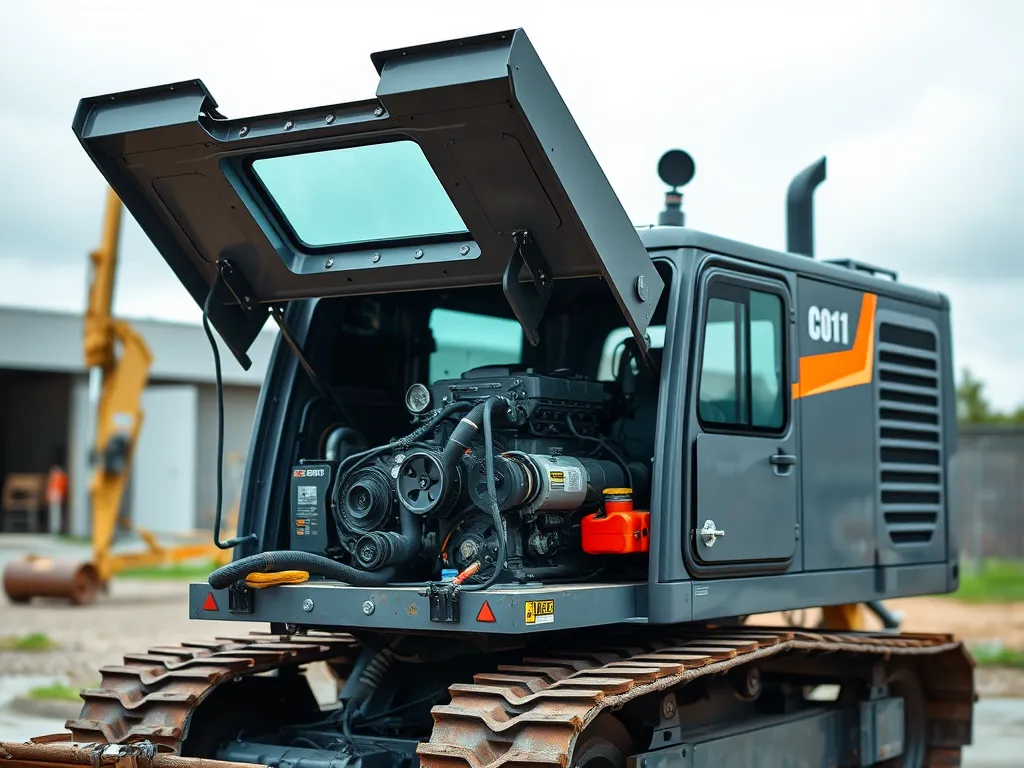
Flip-up hoods expose entire engine bays within 30 seconds. Centralized grease points let crews lubricate 80% of joints from ground level. Diagnostic ports plug directly into fleet management systems for predictive maintenance.
While these features set performance benchmarks, selecting the right machine type depends on project specifics. Next, we’ll compare tracked versus wheeled models and specialty equipment options.
Types Of Asphalt Paving Equipment
Modern asphalt projects demand specialized machinery to achieve smooth, durable surfaces. Choosing the right tools impacts everything from initial mat consistency to long-term pavement performance.
Primary Machines for Smoothing
Asphalt pavers and finishers form the core of surface-leveling operations. These machines directly influence mat thickness, texture, and density.
Tracked vs. Wheeled Asphalt Pavers
Tracked asphalt pavers excel on unstable bases like gravel or uneven terrain, providing 15-20% better traction. Wheeled models reach speeds up to 80 feet per minute on stable subgrades, ideal for highway projects. Both types integrate heated screeds maintaining 275-325°F to prevent premature cooling during placement.
Specialized Asphalt Finishing Equipment
High-frequency vibratory finishers compact mixes at 3,000-4,500 vibrations per minute. Laser-guided models achieve ±1/8-inch thickness accuracy, critical for ADA-compliant surfaces. Some units feature dual tampers and floating screeds to handle stone matrix asphalt mixes prone to segregation.
Support Equipment for Optimal Results
Auxiliary tools ensure proper surface prep and final density. Ignoring these can negate even the best paver features.
Asphalt Rollers for Final Compaction
Pneumatic tire rollers apply 85-100 psi for intermediate compaction, while double-drum vibratory models deliver 2,000-4,500 pounds of centrifugal force. Modern units include infrared thermography to track mat temperatures, adjusting patterns to maintain 92-96% density targets.
Milling Machines for Surface Preparation
Cold planers with 12-16-foot cutting widths remove existing pavement at depths up to 14 inches. Look for auto-grade controls maintaining ±1/4-inch milling accuracy – rough surfaces reduce paver screed effectiveness by up to 30%.
With the right equipment mix established, focus shifts to maximizing its capabilities through proper operation techniques.
Also See: Asphalt Test Indicators for Quality Pavement
Operational Best Practices
Top-tier asphalt smoothing equipment shines when paired with smart work habits. Focus on two critical areas: hopper prep and paving rhythm.
Preparing the Asphalt Paver Hopper
A well-maintained hopper stops production hiccups. Built-up asphalt chunks or cold spots disrupt material flow, creating surface flaws like tears or uneven textures.
Maintaining Cleanliness Between Truckloads
Scrape residual mix from hopper walls using stiff-bristle tools after each dump. High-quality asphalt smoothing machines add non-stick coatings (Teflon or ceramic) to hoppers, cutting cleanup time by 15-20%. Tracked models with tilting hoppers simplify access for thorough cleaning.
Preventing Material Segregation
Aggregate separation occurs when larger stones roll to hopper edges. Advanced asphalt leveling equipment counters this with twin augers spinning at 30-45 RPM, mixing material continuously. Adjustable flow gates maintain a 2:1 head of mix in front of the screed for uniform distribution.
Optimizing Paving Speed and Consistency
Pacing impacts both output and asphalt integrity. Modern asphalt road smoothing machines link ground speed sensors to material feed rates, syncing operations within ±0.5 mph.
Balancing Speed with Asphalt Cooling Rates
Hot mix cools at 5°F per minute in 70°F air. Aim for 8-15 feet per minute paving speeds to stay within the 275-325°F compaction window. High-quality asphalt finish machines track mix temp via infrared sensors, auto-adjusting screed heaters to 200-250°F for smooth mat transitions.
Up next: How smart buying choices in asphalt smoothing equipment impact project budgets without cutting corners on road quality.
Cost Considerations for Asphalt Smoothing Machines
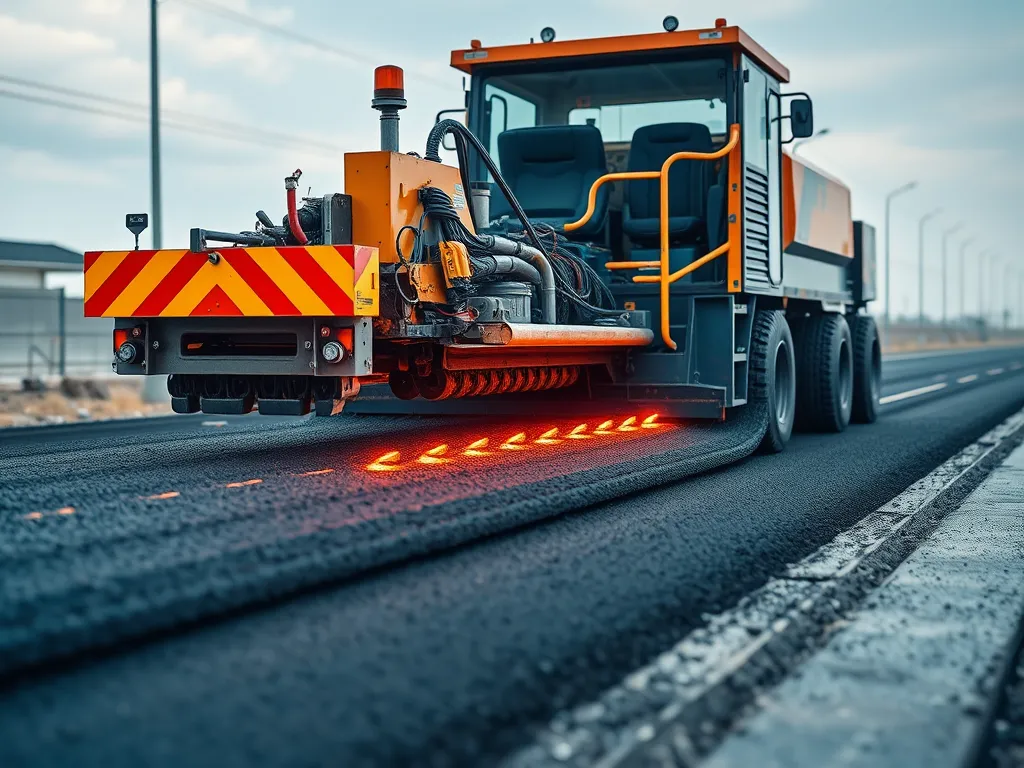
Balancing performance with budget requires evaluating how features impact long-term costs. High-quality machines often justify higher upfront investments through reduced downtime, lower repair bills, and superior project outcomes.
Factors Influencing Asphalt Paver Pricing
Pricing fluctuates based on engine power (measured in kW or HP), screed width (2.5m to 16m), and tech integrations like GPS grade control. Tier 4 Final engines meeting emission standards cost 12-18% more than older models. Machines compatible with polymer-modified binders like PG 58-28 typically command premium rates due to specialized components.
New vs. Refurbished Equipment Trade-offs
New models offer warranties (3-5 years standard) but cost $150,000-$500,000. Refurbished units from trusted dealers run 30-50% cheaper but may lack upgraded components like heated screeds or tamper bars. Prioritize refurbished machines retaining key features: dual vibratory systems, telematics, or electric screed heating.
Resale Value of High-Quality Machines
Well-maintained pavers with corrosion-resistant frames retain 60-75% value over 5 years. Tracked models hold resale better than wheeled versions in rough terrain markets. Machines with documented service histories fetch 15-20% higher resale prices. A 2023 Caterpillar AP655F with 2,000 hours typically retains 65% of its $325,000 list price.
Up next: How emission standards and noise limits shape modern asphalt smoothing equipment designs.
Environmental and Efficiency Features
Modern asphalt smoothing machines balance productivity with environmental responsibility. Manufacturers now prioritize technologies that cut emissions, slash fuel use, and minimize noise pollution while meeting strict worksite standards.
Emission Control Systems
Top-tier asphalt pavers integrate advanced emission controls like Tier 4 Final diesel engines and selective catalytic reduction (SCR). These systems cut nitrogen oxides (NOx) by up to 90% and particulate matter by 50% compared to older models. For example, Caterpillar’s AP655F paver uses a diesel exhaust fluid (DEF)-injected SCR system to meet EPA emission benchmarks.
Reducing Fuel Consumption in Asphalt Paving
Eco-mode engines and automatic idle systems lower fuel use by 15-20% in machines like Volvo’s P6820D ABG paver. Variable-speed hydraulics adjust power output based on load demands, saving 1-2 gallons per hour during typical 8-hour shifts. Hybrid-electric drives, such as Dynapac’s ePave concept, reduce diesel dependency by 30% in pilot projects.
Noise Reduction Technologies
High-quality asphalt finishers use enclosed engine compartments and vibration-dampening materials to cut operational noise. Bomag’s BF 800 C paver operates at 85 dB(A) – 20% quieter than standard models – through insulated panels and low-noise fan systems.
Compliance with Worksite Regulations
Urban paving projects often enforce <65 dB(A) noise limits. Machines like LeeBoy’s 8520C asphalt paver achieve compliance via dual-stage mufflers and electric screed heating (instead of diesel-powered options). Real-time monitoring systems alert operators when noise or emission levels approach regulatory thresholds.
Upgrading to efficient asphalt smoothing equipment directly impacts project budgets and community relations. Next, let’s examine how these features influence long-term ownership costs.
Frequently Asked Questions (FAQs)
What Equipment is Used to Compact Asphalt After Smoothing?
Asphalt rollers, including both pneumatic tire rollers and double-drum vibratory rollers, are essential for the final compaction of asphalt after smoothing. They ensure that the asphalt reaches the necessary density and finish required for durability and performance.
How Does Heated Asphalt Paving Improve Surface Quality?
Heated asphalt paving maintains the temperature of the asphalt mix during application, preventing it from cooling too quickly. This helps achieve better compaction, smoothness, and overall durability of the asphalt surface, reducing the likelihood of cracks and other surface imperfections.
What Determines the Price Range Of Asphalt Paver Machines?
The price of asphalt paver machines is influenced by several factors, including engine power, screed width, technology integrations such as GPS controls, and the age of the machine. New models tend to be more expensive than refurbished units, and specific features can significantly increase costs.
When Should You Upgrade Your Asphalt Smoothing Equipment?
You should consider upgrading your asphalt smoothing equipment when maintenance costs increase substantially, productivity wanes, or if new technology offers significant improvements in efficiency or quality. Regular evaluations of performance and features can guide you on optimal timing for an upgrade.
Closing Thoughts
High-quality asphalt smoothing machines are vital for achieving durable, smooth surfaces in road construction. Key features like precision mat thickness control, powerful engines, and advanced compaction systems set the best equipment apart. Additionally, effective temperature management ensures optimal material performance while durability and maintenance contribute to long-term reliability.
Investing in the right asphalt paver enhances efficiency and reduces long-term costs. As you refine your equipment choices, remember to weigh features against performance and budget. Checking reviews and specifications can lead you to the best options available on the market.
For further information about paving equipment and to explore more resources, visit Asphalt Calculator USA.
Additional Resources for You:
- Yoder, E. J., & Witczak, M. W. (1975). Principles of Pavement Design (2nd ed.). New York, NY: Wiley.
- Asphalt Paver Machines | Wigmore Trading: Optimize Your Road Construction Projects
- 5 Essential Road Construction Machines | The Cat Rental Store