Environmental Regulations for Asphalt Driveways: What You Need to Know
Published on: December 6, 2025 | Last Updated: April 14, 2025
Written By: George Voss
Environmental regulations for asphalt driveways govern how these surfaces are built, maintained, and recycled to protect air, water, and soil quality. Federal laws set baseline standards for emissions and material safety, while states like California enforce stricter rules on VOC limits and stormwater management. Local ordinances in cities such as Los Angeles may require permits for driveway installations exceeding 500 square feet or using certain asphalt mixes. Homeowners and contractors must follow these rules to avoid fines up to $25,000 per violation.
This article breaks down current environmental rules for residential asphalt projects. Learn about material restrictions, air quality controls, and recycling mandates updated in 2023. Get details on permit requirements for California homeowners and best practices to reduce ecological impact during installation.
Contents
- Key Environmental Regulations for Asphalt Driveways
- Asphalt Driveway Composition and Environmental Concerns
- Compliance With Air and Water Quality Standards
- Safety and Health Considerations Near Asphalt Facilities
- Recent Updates in Asphalt Driveway Regulations (2022 Onward)
- Frequently Asked Questions (FAQs)
- Closing Thoughts
- Additional Resources for You:
Key Environmental Regulations for Asphalt Driveways
Installing or replacing an asphalt driveway requires compliance with federal, state, and local rules. These laws target air quality, water protection, and material sourcing. Non-compliance risks fines up to $37,500 per violation under federal statutes.
Federal Environmental Compliance
The Clean Air Act regulates asphalt production emissions. Plants must limit volatile organic compounds (VOCs) to under 250 tons/year. The EPA mandates PG (Performance-Graded) binders in asphalt mixes—these petroleum-based materials meet strict viscosity and temperature thresholds. Stormwater permits under the Clean Water Act require containment systems for runoff during installation.
State-level Regulations (California)
California’s AB 617 forces asphalt plants to report VOC emissions hourly. The state requires 35% recycled asphalt pavement (RAP) in mixes for driveways. CARB (California Air Resources Board) enforces low-temperature asphalt rules—paving must occur above 50°F to curb fume releases. Homeowners pay $2-$5 extra per square foot for compliant mixes.
Local Ordinances (Los Angeles, CA)
LA’s Green Code 12.26 bans coal-tar sealants—linked to PAH pollution. Permeable asphalt options get 15% fee discounts under Sustainable Infrastructure Incentives. Contractors must use 40% local recycled materials. Driveways within 500 feet of waterways need County-approved silt fences during paving.
These layered rules shape material choices and installation practices. Let’s examine how driveway composition meets these environmental benchmarks.
Asphalt Driveway Composition and Environmental Concerns
Asphalt driveways mix raw materials with complex eco-effects. Rules target these parts to cut harm.
What is Asphalt Made Of?
Asphalt has two main parts: stone (95%) and bitumen (5%). Bitumen glues rocks into solid slabs. Made from crude oil, bitumen emits fumes when heated. Additives like rubber or plastic may boost strength but raise green flags.
Environmental Impact Of Asphalt Production
Making asphalt drains resources and pollutes air. Plants burn fuel to heat mix to 300°F, releasing toxins. Rules now push cleaner methods.
Emissions and Pollutants
Heating bitumen lets out PM2.5 (tiny dust), VOCs (fumes), and sulfur. One plant emits 50-200 tons of CO2 yearly. EPA caps VOC levels at 0.5% per ton of mix. New tech like warm-mix asphalt cuts heat needs by 50°, slashing fumes.
Resource Consumption and Waste
Each mile of road uses 25,000 tons of rock. U.S. plants reuse 94% of old asphalt (RAP), saving 21 million barrels of oil yearly. Laws in 32 states require 30-50% RAP in new mixes. Leftover millings must go to approved sites or recycling.
With mix recipes under scrutiny, builders must now meet strict air and water rules. Next, we break down how to stay compliant.
Compliance With Air and Water Quality Standards
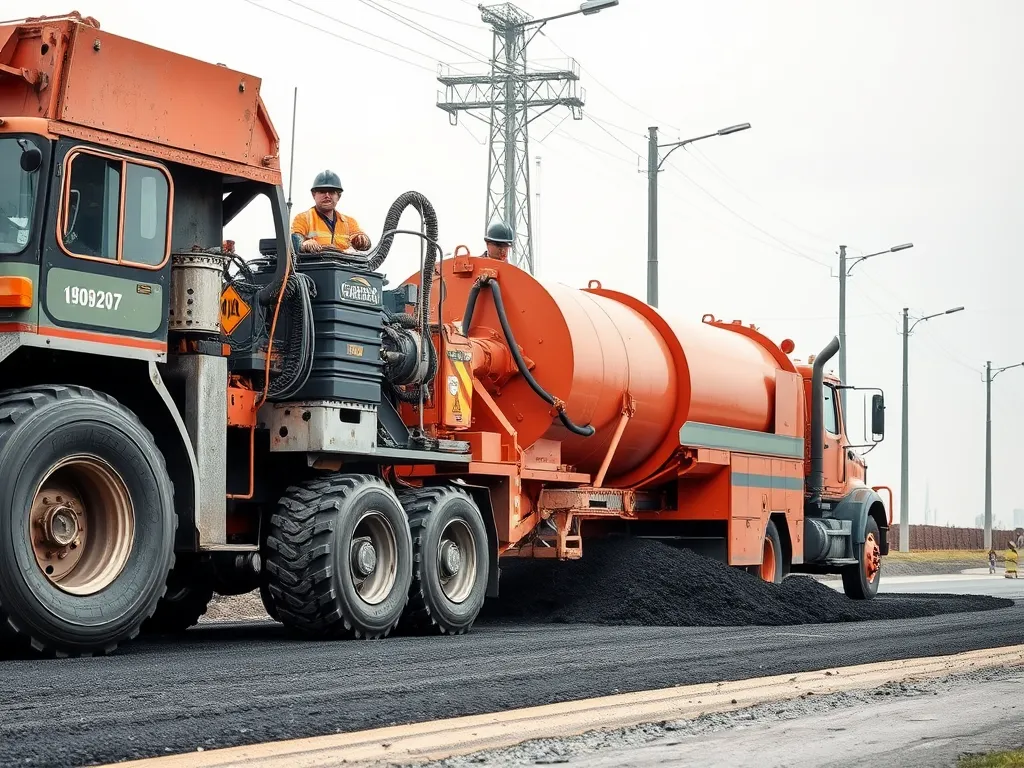
Asphalt driveway projects must follow strict rules to protect air and water. These rules aim to cut harm from fumes, dust, and runoff.
Air Quality Control Measures
The EPA sets limits on asphalt plant emissions under the Clean Air Act. States like California add extra rules. Key steps include:
- Scrubbers that trap 95% of dust
- Low-NOx burners to slash nitrogen oxides by 30%
- Enclosed mixers to block fumes
Managing Volatile Organic Compounds (VOCs)
VOCs are gases released when heating asphalt. They cause smog and health risks. New rules push for:
- PG binders (asphalt glue) with 20% less VOCs
- Warm-mix asphalt made at 250°F vs 300°F standard
- Additives like zeolites to cut fumes during paving
Preventing Water Contamination
Asphalt contains PAHs (toxic chemicals) that can leak into soil. Builders must:
- Use sealed trucks to haul material
- Set up silt fences around job sites
- Test nearby wells for benzene if plants are within 1 mile
Stormwater Runoff Management
Paved driveways send oil and grit into drains during rain. Solutions include:
- Permeable asphalt (soaks up 5” of rain per hour)
- Bioswales (ditches with plants that filter water)
- Slope designs that steer runoff to green spaces
EPA’s MSGP permits require these steps for sites over 1 acre. Fines hit $37,500 per day for leaks.
Meeting air and water rules is just one piece. Builders must also weigh health risks when placing driveways near homes or schools.
Also See: How to Calculate Asphalt Tonnage: A Simple Guide
Safety and Health Considerations Near Asphalt Facilities
Environmental regulations for asphalt driveways extend beyond material composition to address risks tied to production sites. Proximity to asphalt plants raises questions about air quality, noise, and long-term health effects. Regulatory frameworks set clear boundaries and mitigation strategies.
Safe Distance From Asphalt Plants
The EPA recommends maintaining a 500-foot buffer between asphalt plants and residential zones. This minimizes exposure to particulate matter (PM2.5) and volatile organic compounds (VOCs) released during production. California’s Air Resources Board enforces stricter local rules, requiring 1,000-foot setbacks in high-density areas like Los Angeles. Contractors must verify plant compliance with these asphalt driveway regulations before sourcing materials.
Addressing Community Health Concerns
Studies link prolonged exposure to asphalt fumes with respiratory issues and skin irritation. Modern plants use enclosed drum mixers and baghouse filters to capture 95% of emissions. Low-VOC binders, mandated under federal environmental asphalt driveway laws, reduce carcinogenic risks by up to 40%. Local health departments now require quarterly air quality reports from facilities supplying residential projects.
These safety measures shape how contractors approach driveway installations while meeting environmental impact asphalt driveway standards. Up next: how 2022 policy shifts are pushing greener practices industry-wide.
Recent Updates in Asphalt Driveway Regulations (2022 Onward)
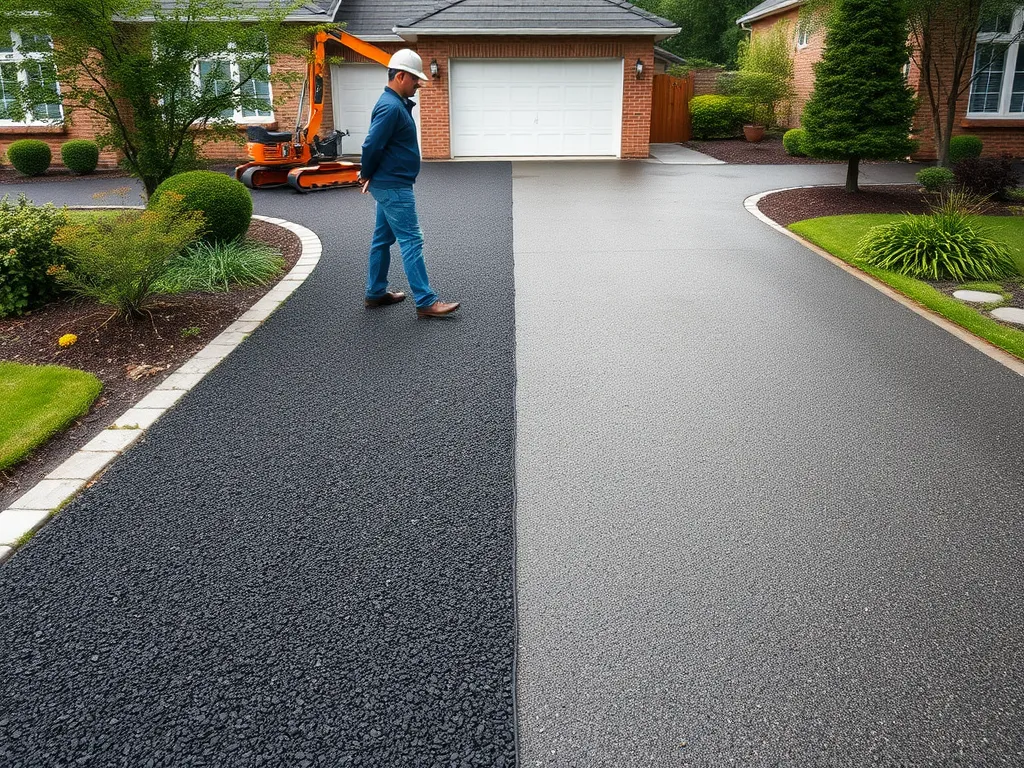
Rules shaping asphalt driveway construction saw major shifts post-2022. Two areas dominate: stricter controls on air quality and higher demands for material reuse.
Changes in Release Standards
Federal agencies now cap sulfur dioxide output from asphalt mixing at 6 parts per million (ppm), down from 8 ppm in 2021. California’s 2023 laws cut allowable particulate matter (PM2.5) by 12% for plants within 500 yards of homes. Warm-mix tech, which lowers production temps to 250°F–275°F, is mandatory in six states. This slashes fuel consumption by 18% and cuts nitrogen oxide output by 22% per ton of mix.
Enhanced Recycling Requirements
As of 2023, 22 states require a minimum 25% recycled asphalt pavement (RAP) in residential projects. Los Angeles mandates 40% RAP for driveways in flood zones. Plants must track RAP usage monthly, with non-compliance fines hitting $7,500 per violation. Recycling cuts costs by $10–$15 per ton and diverts 1.2 million tons of waste from landfills annually.
With these shifts in play, many property owners now ask how rules influence paving choices and budgets.
Frequently Asked Questions (FAQs)
What Are the Environmental Impacts Of Asphalt Paving?
Asphalt paving can lead to air pollution from emissions associated with the production and application processes, including VOCs and particulate matter. It can also contribute to water contamination through runoff that may carry harmful chemicals like PAHs into nearby waterways. Additionally, resource consumption during asphalt production raises sustainability concerns.
What Sustainability Issues Affect Asphalt Driveways?
Sustainability issues around asphalt driveways include the extraction of raw materials, the carbon footprint of production, and the management of waste. The industry faces pressure to increase the use of recycled materials, such as recycled asphalt pavement (RAP), to reduce environmental impact. Moreover, concerns over the release of toxic substances and the need for effective stormwater management add to sustainability challenges.
Is It Safe to Live Next to an Asphalt Plant?
Lived experience near asphalt plants has raised health concerns due to emissions of pollutants such as VOCs and particulate matter. The EPA recommends a buffer zone of at least 500 feet from asphalt facilities to minimize exposure risks, while California’s regulations may require a larger setback, especially in densely populated areas. Regular air quality monitoring is essential to addressing and managing health risks in communities close to asphalt plants.
Why is Asphalt Considered Harmful to the Environment?
Asphalt is considered harmful to the environment primarily due to its production and application processes, which generate air and water pollutants. The materials used, including bitumen, can leach toxic substances into soil and water. Moreover, the fossil fuel-intensive nature of asphalt production contributes significantly to greenhouse gas emissions and environmental degradation.
How Do Regulations Vary in California and Los Angeles?
Regulations in California tend to be more stringent compared to federal standards, particularly concerning emissions and the use of recycled materials. Los Angeles has its specific local ordinances that further enhance environmental protections, such as banning certain harmful sealants and mandating higher percentages of recycled asphalt pavement in projects. Homeowners must be aware of both state and local requirements to ensure compliance during driveway installations.
Closing Thoughts
Navigating environmental regulations for asphalt driveways is vital for both compliance and sustainability. Understanding federal, state, and local regulations empowers homeowners and contractors to make informed decisions. With new updates continually shaping the landscape, staying informed is essential.
Asphalt, while a practical choice for driveways, poses environmental challenges. Ensuring adherence to air and water quality standards can minimize pollutants and enhance community health. The ongoing push for enhanced recycling and emission standards highlights a commitment to a greener future.
For more insights on asphalt driveways and their environmental regulations, check out Asphalt Calculator USA.
Additional Resources for You:
- Roberts, F. L., Kandhal, P. S., Brown, E. R., Lee, D. Y., & Kennedy, T. W. (1996). Hot Mix Asphalt Materials, Mixture Design, and Construction (2nd ed.). National Asphalt Pavement Association (NAPA).
- Environmental impacts of reclaimed asphalt pavement on leaching of metals into groundwater – PMC
- 5 Environmental Benefits of an Asphalt Driveway Installation – Richfield Blacktop
- 3 Ways Asphalt and Concrete Are Affecting the Planet | Aexcel
- Health Risks of Asphalt Emission: State-of-the-Art Advances and Research Gaps – ScienceDirect