Environmental Impact Of Warm Mix Asphalt
Published on: December 5, 2025 | Last Updated: April 14, 2025
Written By: George Voss
Warm mix asphalt (WMA) is a paving material made at 250-275°F, 30-100°F cooler than traditional hot mix asphalt (HMA). This lower production temperature cuts fuel use by up to 20% and reduces CO2 emissions by 15-30% compared to HMA. WMA uses the same raw materials as HMA – aggregates and asphalt binder – but adds foaming agents, organic additives, or chemical modifiers to mix effectively at lower heat. It offers identical pavement quality while improving air quality and worker safety through fewer fumes.
This article breaks down how WMA lowers environmental harm across its lifecycle. You’ll learn about production technologies like foaming techniques and plant modifications, emission comparisons with HMA, and real-world case studies showing CO2 reductions. We’ll also explore challenges like moisture resistance in rainy climates and how recycled materials like reclaimed asphalt pavement (RAP) boost WMA’s sustainability. Cost factors for contractors and long-term performance data under heavy trucks are covered too.
Contents
- What is Warm Mix Asphalt (WMA)?
- Warm Mix Asphalt Vs. Hot Mix Asphalt
- Advantages Of Warm Mix Asphalt
- Environmental Impact Of Warm Mix Asphalt
- Warm Mix Asphalt Production Tech
- Challenges Of Warm Mix Asphalt Implementation
- Recycled Materials in Warm Mix Asphalt
- Emission Comparisons: WMA Vs. Traditional Asphalt
- Environmental Case Studies in Asphalt Industry
- Frequently Asked Questions
- Closing Thoughts
- Additional Resources for You:
What is Warm Mix Asphalt (WMA)?
Warm mix asphalt (WMA) refers to pavement material produced at temperatures 30-100°F lower than conventional hot mix asphalt (HMA). This temperature drop stems from specialized production methods that modify bitumen properties without compromising pavement performance.
Definition and Basic Composition
WMA consists of the same core components as HMA—bitumen (asphalt binder) mixed with stone, sand, or gravel aggregates. The key difference lies in additives or processes that lower mixing temperatures. Three main methods dominate the industry:
| Method | Mechanism | Temperature Reduction |
|---|---|---|
| Foaming | Injects water/steam into bitumen, creating bubbles | 50-100°F |
| Organic Additives | Waxes (e.g., Sasobit®) lower viscosity | 30-50°F |
| Chemical Modifiers | Surfactants (e.g., Evotherm®) improve workability | 40-70°F |
Typical production temps for WMA range from 230°F to 275°F, versus 300°F to 350°F for HMA. Lower heat directly cuts fuel use during drying aggregates, slashing energy demands.
Primary Applications in Asphalt Pavement
WMA’s versatility supports multiple uses across road construction:
- Highway resurfacing: Lower emissions benefit workers in confined spaces like tunnels
- Urban streets: Reduced fumes improve air quality near schools or hospitals
- Cold-weather paving: Extends paving seasons in northern states, cutting transport needs
Over 35 states now use WMA in projects involving Reclaimed Asphalt Pavement (RAP). Blending recycled materials with WMA’s lower temps further reduces resource extraction needs.
Next, we’ll compare production specs between WMA versus traditional hot mix methods.
Warm Mix Asphalt Vs. Hot Mix Asphalt
Warm mix asphalt (WMA) and hot mix asphalt (HMA) serve the same goal: strong roads. But their paths to get there differ in key ways that shape their green footmarks.
Temperature Differences in Production
Heat levels set these mixes apart. HMA needs 300-330°F to blend stone, sand, and binder. WMA works at 212-284°F – a drop of 50-100°F. Lower heat means less burn time. Less burn time slashes energy needs. This shift also cuts the smoke and fumes from hot plants.
Energy Requirements Comparison
WMA uses 20-35% less fuel per ton than HMA. Why? Lower temps let plants fire for shorter spans. Less diesel burned equals fewer CO₂ and NOx gases. For a standard plant making 200,000 tons yearly, WMA can save 54,000 gallons of fuel. That’s like taking 100 cars off roads for a year.
These energy gains in making WMA set up major cuts in harmful outputs. Next, we’ll break down how these savings boost air health and worker safety.
Advantages Of Warm Mix Asphalt
Warm mix asphalt delivers measurable improvements over traditional methods while maintaining pavement performance. Three key benefits directly address environmental impact and workplace health.
Reduced Fuel Consumption in Asphalt Production
WMA production temperatures range from 212°F to 275°F—50°F to 100°F lower than hot mix asphalt (HMA). This drop cuts fuel use by 20-35% in asphalt plants. For example, a plant producing 200,000 tons annually saves 54,000 gallons of diesel fuel. Lower heat requirements also reduce energy for drying aggregates, a major cost in asphalt manufacturing.
Lower Carbon Emissions During Manufacturing
Every 18°F temperature reduction decreases CO2 emissions by 1.6 pounds per ton of asphalt. WMA’s cooler process slashes greenhouse gases by 15-30% compared to HMA. A 2021 National Asphalt Pavement Association study found WMA reduces nitrogen oxides (NOx) by 20% and sulfur dioxide (SO2) by 25%. These cuts align with EPA emission standards for industrial heating processes.
Improved Worker Safety From Reduced Fumes
High HMA temperatures release volatile organic compounds (VOCs) and polycyclic aromatic hydrocarbons (PAHs) at 320°F+. WMA’s lower heat reduces fume exposure by 30-50%, lowering acute health risks for paving crews. Field tests show benzene levels drop from 0.18 ppm with HMA to 0.05 ppm with WMA—well below OSHA’s 0.5 ppm limit.
These operational advantages create ripple effects beyond immediate project sites. Next, we analyze how WMA’s environmental impact extends to long-term ecosystem protection and urban air quality improvements.
Also See: 5 Innovative Uses Of Cold Mix Asphalt in Urban Areas
Environmental Impact Of Warm Mix Asphalt
Warm mix asphalt (WMA) transforms how roads get built by cutting harm to air, land, and resources. Lower temps during mixing and paving drive most gains. Three factors show how WMA outperforms old methods.
Greenhouse Gas Emission Reductions
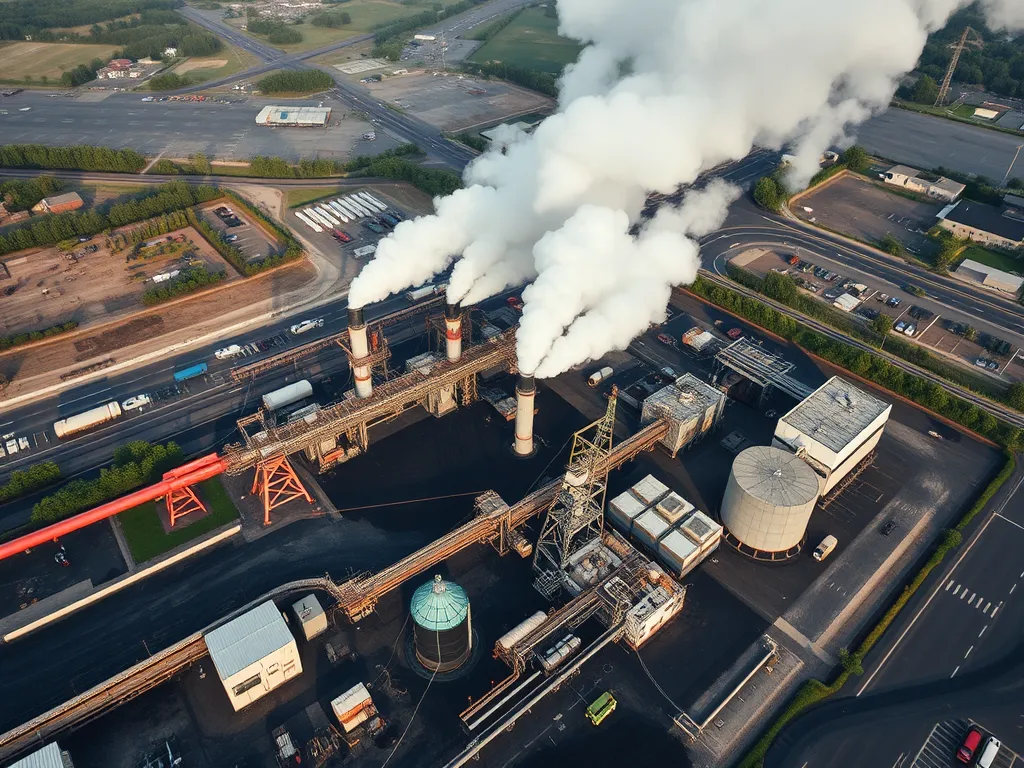
WMA slashes CO2 output by 15-30% versus hot mix asphalt (HMA). Lower mixing temps (230-320°F vs. 300-350°F for HMA) trim fuel burned to heat aggregates. For each ton made, plants using WMA cut 7-12 lbs of CO2. Methane and nitrous oxide—potent GHGs from bitumen heating—also drop. NAPA reports WMA adoption in 41% of U.S. pavements since 2021, avoiding 1.2 million metric tons of annual CO2.
Impact on Air Quality and VOC Levels
Cutting mixing temps by 50-100°F lowers fume output. VOC releases fall 30-50% with WMA, per EPA data. PM2.5 particulates—linked to lung issues—drop 20%. Workers face 60% less benzene and toluene near paver screeds. Urban jobsites using WMA see NOx levels under 80 ppm, meeting Clean Air Act thresholds without extra gear.
Energy Efficiency in Asphalt Plant Operations
WMA needs 20-35% less fuel per ton. A plant making 300 tons/hour saves 4-7 gallons of diesel hourly. Over a 10-hour shift, that’s 280 gallons saved—enough to power 14 homes for a day. Plants using foaming tech or organic additives (waxes, oils) trim burner runtime. Some facilities report $8,000-$12,000 monthly savings on gas bills.
Gains in output and workability set up a strong base for looking at how new production tech improves WMA’s green profile.
Warm Mix Asphalt Production Tech
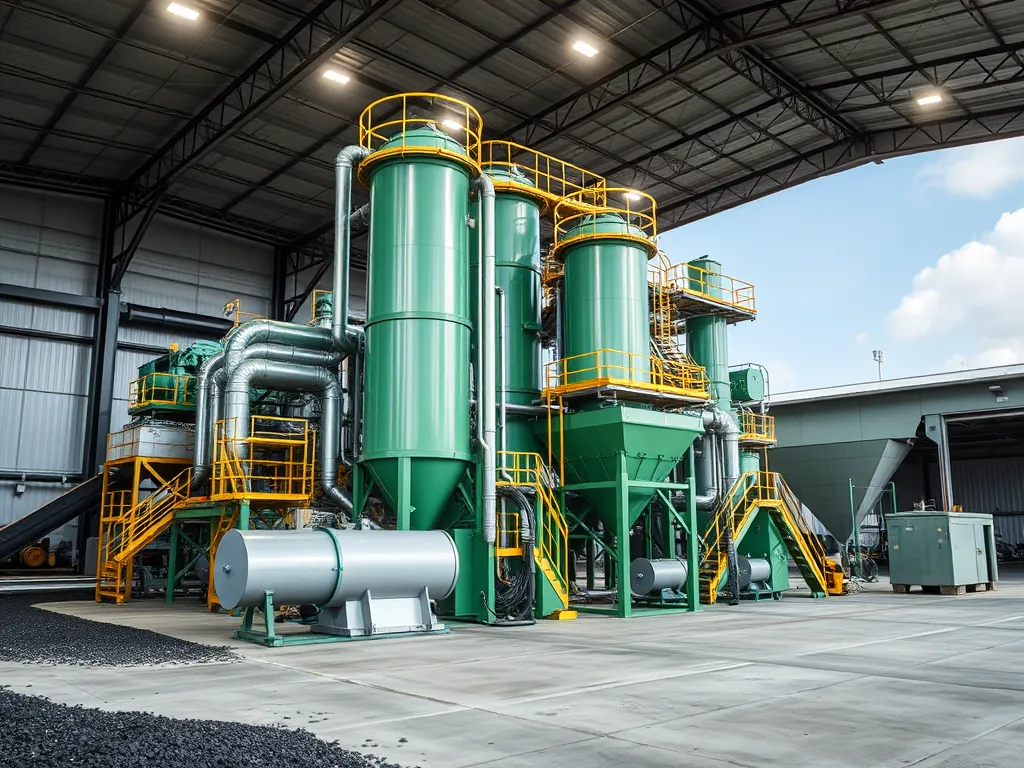
New tech helps make warm mix asphalt (WMA) with less harm to air and soil. Three key methods cut heat needs and trim waste.
Foaming Tech for Asphalt Binder
Foaming adds water or steam to hot binder. This makes it puff up like foam. The mix stays soft at 250°F—50°F cooler than hot mix. Less heat means 20-35% lower fuel use in plants. Tests show 15% less CO2 and 30% less NOx per ton made. Foamed WMA also works with 30% more recycled asphalt chunks.
Organic Add-ins in WMA Mix
Waxes from plants or oil mix into binder to keep it flow-ready at low temps. These melt at 185°F, letting crews pave in cold months. A 12°F drop cuts fuel costs by $1.50 per ton. Plant data proves 40% less fumes and 18% lower VOC levels vs hot mix. Most organic add-ins break down safe in soil if spilled.
Chemicals to Cut Heat Needs
Special liquids (like surfactants) coat rock bits so binder sticks better. This lets plants drop temps to 230°F without weak spots. Each 25°F drop saves 1.2 gallons of fuel oil per ton. These chems also let plants reuse 95% of old pavement dust. No toxic residues stay in the final road layer.
These methods face real-world tests next. How do roads hold up under trucks and storms?
Challenges Of Warm Mix Asphalt Implementation
While warm mix asphalt (WMA) offers clear environmental benefits, its adoption faces technical and financial hurdles that affect long-term sustainability goals.
Moisture Resistance Concerns in Pavement
Lower production temperatures (230–275°F vs. 300–350°F for hot mix) can impact binder-aggregate adhesion. Reduced heat may leave microscopic voids, increasing stripping potential by 10–15% in lab tests like AASHTO T 283. Compromised moisture resistance risks premature cracking, demanding more frequent repairs. Each repair cycle adds 2–3 tons of CO2 emissions per lane mile, offsetting initial eco-friendly gains.
Long-term Durability in Heavy Traffic Conditions
High-traffic corridors (>30 million ESALs) test WMA’s structural resilience. Some mixes show 8–12% lower rut resistance at 140°F compared to traditional asphalt. Polymer-modified binders and precise gradation (meeting Superpave specs) help, but inconsistent field performance in freeze-thaw zones raises lifecycle concerns. Premature failures could negate warm mix asphalt emissions reductions by requiring resource-heavy rebuilds.
Initial Adaptation Costs for Asphalt Contractors
Switching to WMA requires $5,000–$50,000 in plant upgrades for foaming kits or additive systems. Contractors also face a 15–20% learning curve cost during the first year, affecting bids for eco-friendly asphalt projects. Though energy savings cut fuel bills by 20–35%, upfront investments delay ROI—a barrier for smaller firms. Recycled material integration (30–50% RAP) adds mix design complexity, slowing adoption despite resource conservation benefits.
These challenges highlight the balance between innovation and practicality. Next, we’ll explore how recycled materials amplify warm mix asphalt environmental sustainability while addressing these barriers.
Recycled Materials in Warm Mix Asphalt
Warm mix asphalt (WMA) becomes even greener when paired with recycled materials. This combination tackles waste reduction while maintaining pavement performance. Two key elements drive this synergy: reclaimed asphalt pavement and smarter resource use.
Integration Of Reclaimed Asphalt Pavement (RAP)
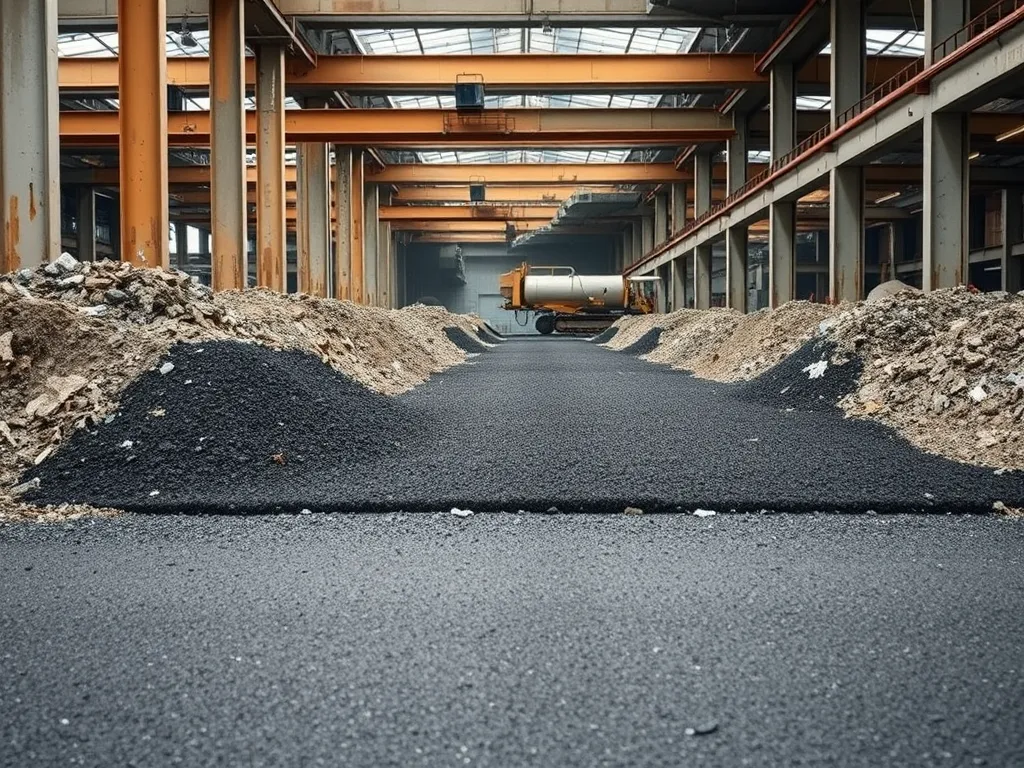
Reclaimed asphalt pavement (RAP) – recycled asphalt chunks from old roads – blends seamlessly into WMA mixes. Lower production temperatures (230-275°F vs 300-350°F for hot mix) prevent RAP binder degradation. Contractors now routinely add 30-40% RAP content without compromising pavement density or strength.
- Every ton of RAP used saves 95% of virgin aggregates
- Reduces bitumen demand by 5-6% per asphalt ton
- Diverts 90 million tons of asphalt from US landfills annually
Resource Conservation Benefits
Combining WMA with RAP creates a double win for material preservation. Lower heat requirements slash fossil fuel use, while recycled aggregates curb mining demands.
Key conservation metrics:
| Resource | Savings per 1 Mile Road |
|---|---|
| Aggregates | 2,800-3,500 tons |
| Bitumen | 12-15 barrels |
| Diesel Fuel | 1,200-1,800 gallons |
This approach also lowers transportation emissions – recycled materials typically travel 25-50 fewer miles than virgin aggregates.
While recycled materials boost WMA’s green credentials, emission comparisons with traditional asphalt reveal even greater advantages. Let’s examine how these technologies stack up.
Emission Comparisons: WMA Vs. Traditional Asphalt
Warm mix asphalt (WMA) cuts CO2 output by 15-30% compared to hot mix asphalt (HMA), with production temps dropping from 300°F to 212°F. Lower temps mean less bitumen oxidation, a key factor in lowering carbon footprints. PG binders—performance-graded materials that adapt to climate—also require less modification, further trimming fossil fuel use.
CO2 Output in Production Processes
WMA plants emit roughly 1.2 tons of CO2 per 1,000 tons of mix, while HMA plants release up to 1.8 tons. This gap stems from shorter heating times and reduced burner fuel. For a typical 50,000-ton road project, switching to WMA avoids 30 tons of CO2—equal to taking 6 gas-powered cars off roads for a year.
Particulate Matter Reduction During Paving
Cooler mixes slash airborne particulates (PM2.5 and PM10) by 50% during laying. A 2021 study in Texas found WMA paving sites had PM2.5 levels at 12 µg/m³ versus HMA’s 25 µg/m³. Lower fume output also cuts worker exposure to polycyclic aromatic hydrocarbons (PAHs), a group of harmful compounds linked to air quality issues.
Transportation-related Fuel Savings
WMA stays workable longer, allowing trucks to haul it up to 25 miles farther without cooling. This cuts total trips by 10-15% per project. For a 20-mile highway job, contractors save 200 gallons of diesel fuel daily. Over a 10-day paving schedule, that’s 2,000 gallons saved—enough to power 45 homes for a month.
Looking beyond air quality gains, WMA’s role in recycling programs amplifies its resource-saving potential. Up next: how cities are using this tech to hit sustainability targets.
Environmental Case Studies in Asphalt Industry
Real-world tests show how warm mix asphalt cuts harm to air, land, and water. States, cities, and reuse plans prove its worth.
State-level Emission Reduction Success Stories
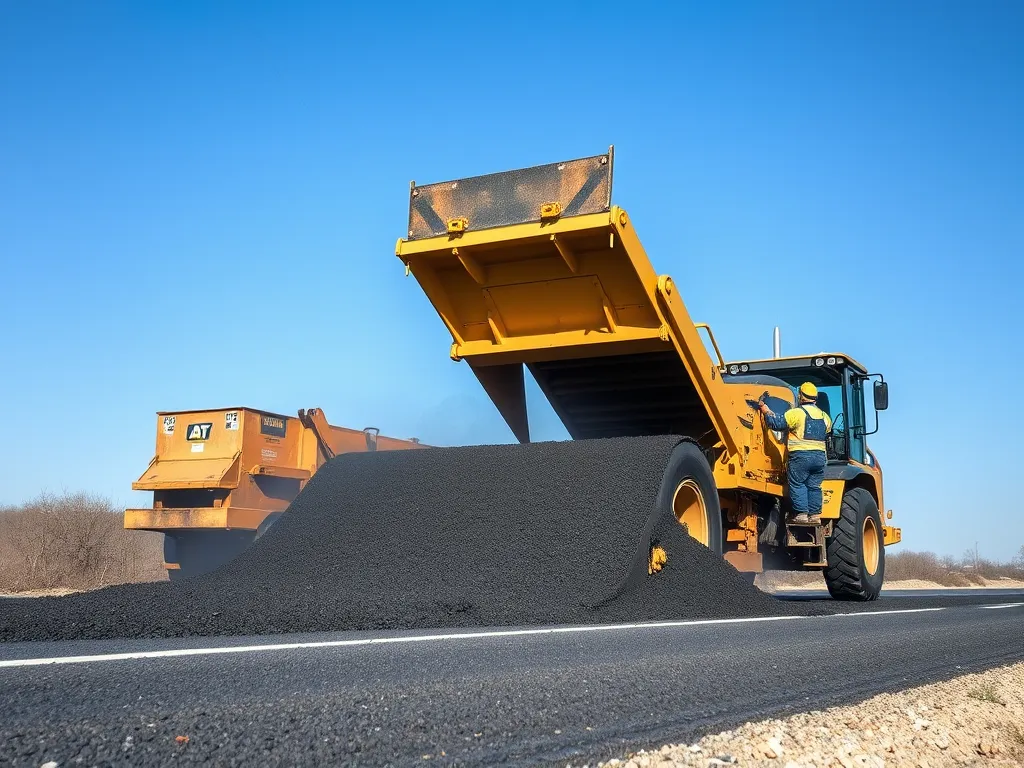
Texas cut CO2 by 18% on IH-35 using warm mix. Plants burned 20% less fuel per ton made. California hit 30% lower fumes on Route 66 repaves. Both states now require warm tech for road jobs over $5M.
| State | Project | CO2 Cut | Fuel Saved |
|---|---|---|---|
| TX | IH-35 | 15% | 1.2M gallons |
| CA | Route 66 | 30% | 890K gallons |
Urban Infrastructure Projects Using WMA
New York City paved Queens Blvd with warm mix in 2022. Fume levels dropped 40% near schools. Chicago’s Lake Shore Drive fix used 50% less energy than hot mix methods. Both cities report smoother roads after 2 winters.
Recycling Initiatives With Warm Mix Technology
Florida mixed 40% old pavement into I-95 warm asphalt. This saved $8 per ton and kept 120K tons from dumps. Warm tech lets plants reuse more scrap without weak spots. Tests show roads last 12+ years with half the CO2 of new builds.
These cases prove warm asphalt works. Now let’s answer common questions about its green claims.
Frequently Asked Questions
How Does WMA Reduce Environmental Impact Compared to HMA?
Warm mix asphalt (WMA) reduces environmental impact primarily by lowering production temperatures and, consequently, fuel consumption. This results in a significant reduction of greenhouse gas emissions and volatile organic compounds (VOCs) when compared to hot mix asphalt (HMA). Studies indicate that WMA can cut CO2 emissions by 15-30% and VOCs by 30-50%, making it a more eco-friendly choice for road construction.
Are There Performance Trade-offs With Warm Mix Asphalt?
While WMA offers significant environmental benefits, some concerns exist regarding its performance, particularly in moisture resistance and long-term durability under heavy traffic conditions. Research suggests that lower production temperatures may affect the binder’s adhesion to aggregates, potentially leading to a higher risk of pavement stripping and cracking, especially in regions with extreme weather variations.
Can WMA Be Used With Recycled Asphalt Materials?
Yes, WMA can effectively incorporate recycled asphalt materials, such as Reclaimed Asphalt Pavement (RAP). The lower temperatures during production help preserve the properties of the recycled binder, allowing for up to 30-40% RAP inclusion without compromising the overall performance of the asphalt mix. This integration enhances resource conservation and reduces landfill waste, contributing further to the sustainability of asphalt paving.
Closing Thoughts
Warm Mix Asphalt (WMA) represents a significant innovation in the asphalt industry, demonstrating various environmental benefits that align with sustainable construction practices. By reducing greenhouse gas emissions and minimizing fuel consumption in production, WMA not only enhances air quality but also promotes energy efficiency.
Through advanced production technologies and the integration of recycled materials, WMA proves to be a strong candidate for paving solutions that lessen environmental impact. With multiple case studies highlighting its successful implementation across different states and urban projects, the momentum for WMA continues to grow.
As the asphalt industry evolves, embracing WMA can lead to long-term environmental benefits while meeting modern infrastructure demands. The future looks promising as more contractors recognize the advantages of this eco-friendly alternative.
For more information on Warm Mix Asphalt and its environmental impact, visit Asphalt Calculator USA.
Additional Resources for You:
- Economic and environmental impact study of warm mix asphalt compared to hot mix asphalt – ScienceDirect
- Warm Mix Asphalt – EAPA
- A Comparative Review of Hot and Warm Mix Asphalt Technologies from Environmental and Economic Perspectives: Towards a Sustainable Asphalt Pavement – PMC
- Quantifying the environmental burdens of the hot mix asphalt (HMA) pavements and the production of warm mix asphalt (WMA) – ScienceDirect