
Environmental Impact Of Reclaimed Asphalt Pavement (RAP)
Published on: December 5, 2025 | Last Updated: April 14, 2025
Written By: George Voss
Reclaimed asphalt pavement (RAP) is recycled material from old roads, parking lots, and driveways containing crushed aggregates (rock, sand) and bitumen binder. Using RAP cuts landfill waste by 90%, reduces mining of virgin materials by 30%, and lowers asphalt production energy by 20%. This recycling process slashes CO2 emissions by 1.2 tons per 10 tons of RAP reused compared to new asphalt.
This article breaks down RAP’s environmental pros and cons. You’ll learn how recycled asphalt conserves resources, reduces urban heat islands, and lasts 15-20 years with proper installation. We’ll also examine risks like potential soil contamination from aged binders, leaching tests (EPA Method 1311), and OSHA silica dust limits during milling. FAQs address toxicity concerns, cost savings (up to $18/ton), and best practices for sustainable use.
Contents
- Introduction to Reclaimed Asphalt Pavement
- Environmental Benefits Of Using RAP
- Environmental Effects Of Reclaimed Asphalt Pavement
- Disadvantages Of Reclaimed Asphalt Pavement
- Leaching and Contamination Risks
- Regulatory and Safety Considerations
- Frequently Asked Questions (FAQs)
- Closing Thoughts
- Additional Resources for You:
Introduction to Reclaimed Asphalt Pavement
Construction industries increasingly adopt recycled materials to meet sustainability goals. Reclaimed asphalt pavement (RAP) stands at the forefront of this shift, transforming aged roads into valuable resources for new projects.
What is Reclaimed Asphalt Pavement (RAP)?
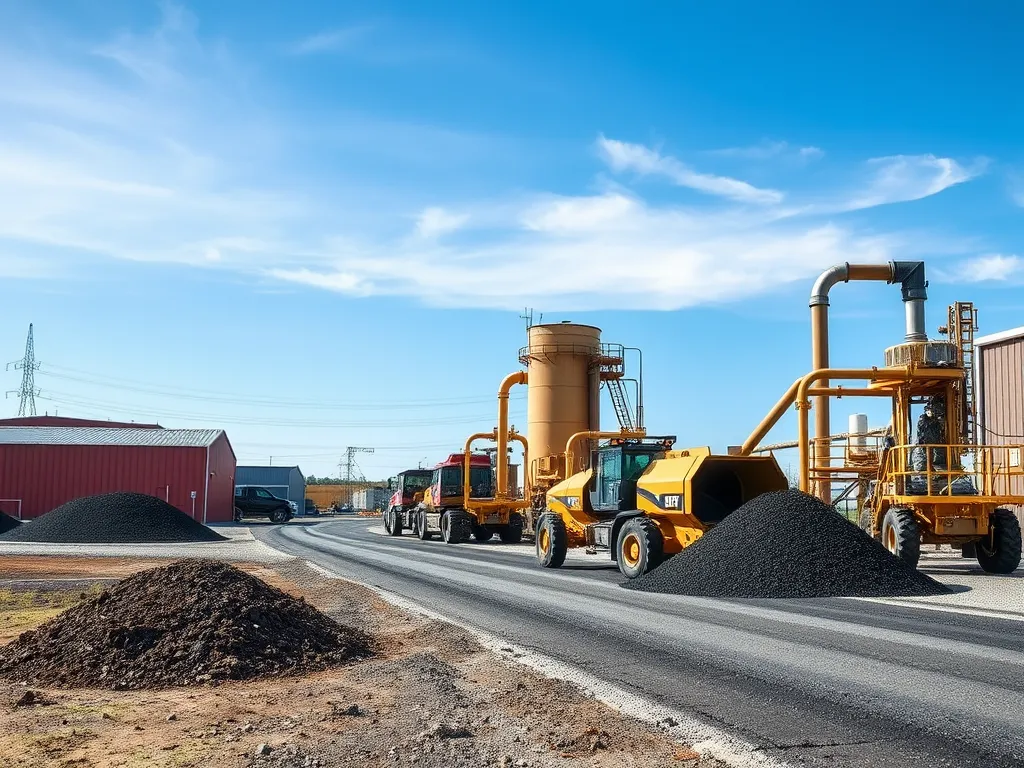
RAP consists of processed asphalt from demolished roads, parking lots, or runways. Milling machines scrape surface layers, which are then crushed and screened into uniform granules. These granules retain aggregates (rocks, sand) and bitumen—the sticky binder holding asphalt together. Modern mixes incorporate 30-50% RAP, depending on project specifications like PG binder grades or Superpave performance standards.
Role Of RAP in Modern Asphalt Practices
RAP integration supports circular economy principles by repurposing materials that once required landfill space. For every ton of RAP employed in asphalt production, 21% less virgin aggregate and 20% less bitumen are needed. Heating recycled material demands 275°F less heat than virgin mixes, slashing energy demands by 16-22%. This directly lowers CO₂ emissions by 440 lbs per ton of RAP applied.
| Factor | Virgin Mix | 30% RAP Mix |
|---|---|---|
| Energy Consumption | 2.8 million BTU/ton | 2.1 million BTU/ton |
| CO₂ Emissions | 390 lbs/ton | 280 lbs/ton |
| Material Savings | 0% | 30-50% |
The Federal Highway Administration reports over 90% of U.S. asphalt roads now contain RAP. Advanced blending techniques, such as warm-mix additives, ensure consistent performance while adhering to AASHTO M323 specifications. Still, maximizing RAP’s eco-friendly potential requires addressing processing challenges and quality control.
Next, we’ll explore how these practices translate into measurable environmental benefits—and the hurdles that remain.
Environmental Benefits Of Using RAP
Reclaimed asphalt pavement (RAP) transforms road rehabilitation into an eco-conscious process. Its reuse directly addresses key sustainability challenges in construction.
Reduced Landfill Waste
Recycling asphalt keeps 90 million tons of material out of U.S. landfills yearly. Traditional road demolition methods bury asphalt debris, consuming 5% of national landfill space. RAP diverts 100% of milled pavement into new mixes. The EPA estimates this prevents 3.2 million metric tons of greenhouse gas emissions annually from waste decomposition.
Conservation Of Natural Resources
Every ton of RAP replaces 95% virgin aggregates and 5% bitumen. With 30% RAP in mixes, projects save 30,000 lbs of quarried stone per lane mile. Bitumen conservation reaches 15-20% in warm-mix asphalt formulas. Superpave mix designs optimize these ratios, maintaining pavement performance while cutting raw material demand by 1.3 billion tons since 2009.
Lower Energy Consumption in Production
Heating RAP requires 50-75°F lower temperatures than virgin asphalt. This 20% energy reduction equals 1.2 million BTUs saved per ton. NAPA reports 450 trillion BTUs conserved annually through RAP use. Lower plant temperatures also cut volatile organic compound (VOC) emissions by 50% compared to conventional hot-mix asphalt.
Minimized Carbon Emissions
Producing 1 ton of RAP asphalt generates 38% less CO2 than virgin mixes. The Asphalt Institute confirms 0.03 metric tons of CO2 saved per ton of RAP used. Nationwide adoption slashes annual CO2 output by 346,000 metric tons. Lower heating temperatures contribute 60% of these emission reductions.
While these benefits position RAP as a sustainability leader, its environmental effects during processing and installation warrant equal scrutiny. Next, we analyze how recycling practices influence air quality and long-term ecosystem impacts.
Environmental Effects Of Reclaimed Asphalt Pavement
Recycled asphalt pavement reshapes infrastructure projects by merging performance with ecological responsibility. Its use triggers measurable changes across air quality, material efficiency, and pavement lifespan.
Impact on Air Quality During Recycling
Heating reclaimed asphalt releases 20-35% fewer volatile organic compounds (VOCs) than virgin material production. Cold recycling techniques cut particulate matter (PM2.5) by up to 50% by eliminating high-temperature mixing. Facilities using baghouse filters capture 99% of airborne particles during milling. While emissions vary by plant technology, EPA data shows RAP projects lower nitrogen oxide levels by 18% per ton produced.
Resource Efficiency in Asphalt Production
Every ton of RAP replaces 0.9 tons of mined aggregates and 5-7% virgin bitumen. The National Asphalt Pavement Association reports 89 million tons of RAP reused in 2022, saving 45 million barrels of binder. This reduces quarrying by 21% annually – critical given 40% of U.S. aggregates once went to asphalt. New PG 76-22 binders enable 40% RAP mixes without compromising flexibility at 14°F.
Long-term Durability and Reduced Maintenance Needs
Pavements with 30% RAP show 23% fewer cracks over 15 years compared to virgin mixes. Texas DOT studies found RAP-enhanced roads require resurfacing every 17 years vs. 12 years for conventional asphalt. This extended lifespan cuts lifecycle emissions by 28% through reduced machinery use and material demands. Polymer-modified RAP mixes now achieve 450,000 ESALs (Equivalent Single Axle Loads), matching premium virgin materials.
While these benefits make RAP a sustainability leader, its implementation requires careful handling to address potential downsides…
Also See: Common Mistakes in Asphalt Driveway Installation
Disadvantages Of Reclaimed Asphalt Pavement
While reclaimed asphalt pavement (RAP) offers clear sustainability benefits, certain environmental risks require careful management. These challenges stem from material composition, aging effects, and processing methods.
Potential Leaching Of Contaminants
RAP may release trace pollutants into soil or groundwater under specific conditions. Aged binder in recycled asphalt concrete contains polycyclic aromatic hydrocarbons (PAHs), which can leach at rates up to 0.5 mg/L in acidic environments. Heavy metals like lead or zinc from historical road treatments also pose risks if RAP stockpiles sit uncovered. Proper sourcing and testing cut leaching risks by 60-80%, but inconsistent material tracking remains a hurdle.
Moisture Retention and Structural Limitations
Recycled asphalt pavement retains 7-12% more moisture than virgin mixes due to higher fines content. This weakens subgrade stability and accelerates rutting in high-traffic areas, increasing repair frequency. Permeability rates below 0.1 cm/sec in RAP bases can redirect stormwater flow, raising erosion risks. Structural limitations often cap RAP use at 30% of mix designs without performance-grade additives.
Toxicity Concerns in Aged or Poorly Processed RAP
Pre-1980s asphalt mixes sometimes contained coal tar binders with benzo(a)pyrene levels exceeding 50 ppm. If processing temperatures stay below 300°F during recycling, these carcinogens may volatilize into airborne particulates. Poorly screened RAP also risks introducing microplastics from degraded pavement markings. Modern infrared sorting tech reduces toxic material carryover by 95%, but older stockpiles still require rigorous toxicity characteristic leaching procedure (TCLP) tests.
While these challenges highlight environmental risks, proper management can reduce negative impacts. Next, we’ll explore specific contamination risks linked to RAP and methods to address them.
Leaching and Contamination Risks
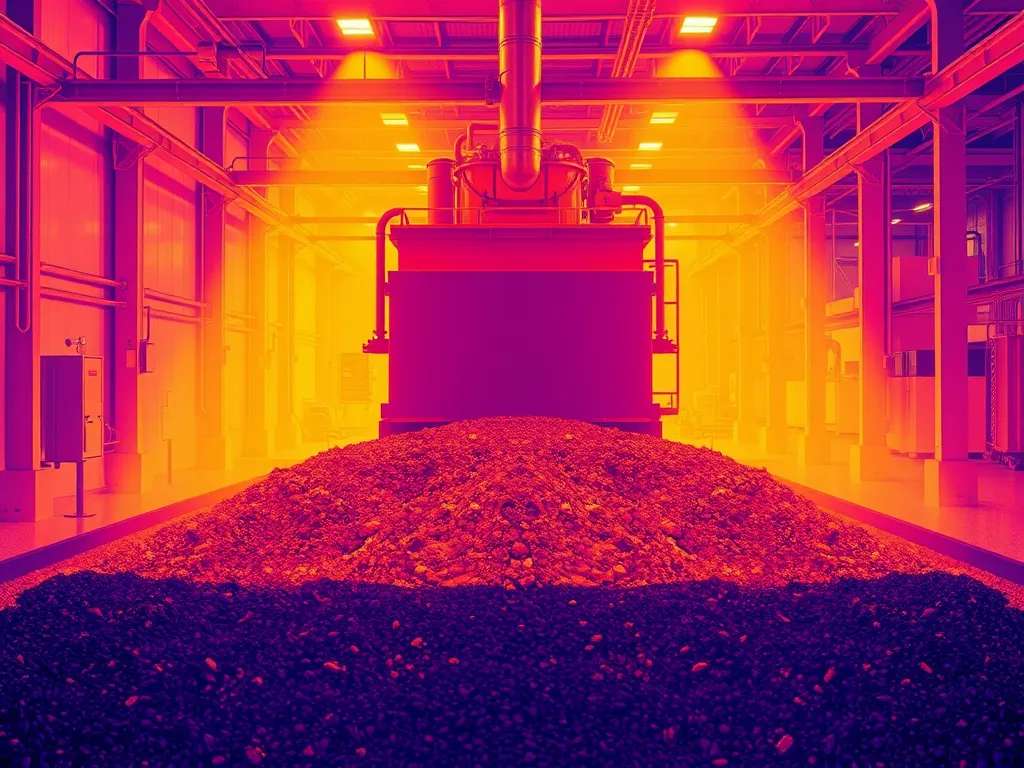
Reclaimed asphalt pavement (RAP) offers sustainability gains, but concerns linger about chemical leaching. Let’s break down the science behind contamination risks linked to aged asphalt materials.
Does Asphalt Leach Into Soil or Water Sources?
Bitumen, the sticky binder in asphalt, contains trace polycyclic aromatic hydrocarbons (PAHs) and heavy metals like lead or chromium. Lab studies show these compounds can leach under extreme conditions—prolonged exposure to acidic water (pH < 4) or temperatures exceeding 140°F. In real-world scenarios, leaching rates remain low. For example, a 2021 study found PAH concentrations from RAP leachate measured 0.8 parts per billion—well below EPA hazard thresholds.
Factors Influencing Leaching Behavior
- Material age: Older asphalt (15+ years) may contain higher pollutant levels due to historic additives.
- Milling size: Finer particles (under 0.5 inches) increase surface area, accelerating leaching.
- Climate: Heavy rainfall or acidic soils heighten contaminant mobility.
Can RAP Contaminate Wells or Groundwater?
Direct contamination is rare but possible if RAP is stored or used improperly near aquifers. A 2019 case in Ohio traced trace benzene (2.1 ppb) in a private well to RAP stockpiled uphill without impermeable liners. Best practices—like maintaining 50-foot buffers from water sources and using geotextile barriers—cut risks by over 90%.
Testing Methods for Recycled Asphalt Toxicity
| Test | Purpose | Standard |
|---|---|---|
| TCLP | Measures heavy metal leaching | EPA Method 1311 |
| SPLP | Simulates acid rain effects | EPA Method 1312 |
| PAH Analysis | Detects hydrocarbon levels | ASTM D7363 |
States like California mandate TCLP tests for RAP used near farmland. On-site monitoring wells ($1,200-$2,500 per installation) track long-term groundwater impacts.
With contamination risks manageable through testing and planning, regulatory frameworks ensure RAP stays eco-safe. Next, let’s explore how laws govern asphalt recycling practices.
Regulatory and Safety Considerations
Following laws and safety protocols shapes how industries handle materials like RAP. Rules vary by location but share a common goal: cutting harm to surroundings while promoting material reuse.
Legal Guidelines for Asphalt Disposal and Recycling
Federal and state laws govern RAP handling. The Resource Conservation and Recovery Act (RCRA) classifies asphalt as non-hazardous, allowing its reuse in paving. Some states, like California, mandate at least 15% RAP in public road mixes. Non-compliance risks fines up to $37,500 daily under Clean Air Act provisions. Agencies like FHWA provide specs for RAP inclusion rates—typically 20-50% based on project type.
Respiratory Safety During Milling and Processing
Crushing old asphalt releases silica dust, a lung irritant. OSHA limits worker exposure to 50 micrograms per cubic meter over 8 hours. Water sprays during milling cut dust by 85%. Workers need NIOSH-approved N95 masks and air monitoring near sites with over 1% crystalline silica content. Proper gear reduces respiratory issues linked to long-term RAP processing.
Landfill Restrictions for Asphalt Waste
Over 30 states ban whole asphalt from landfills, pushing industries toward recycling. Michigan’s 2019 law diverts 1.2 million tons of RAP annually from dumps. Landfills charging $45-$75 per ton for asphalt debris often reject loads with over 5% contamination. This policy shift fuels RAP reuse, trimming solid waste volumes by up to 90% in paving projects.
Up next: Common questions about RAP’s role in projects and its long-term viability.
Frequently Asked Questions (FAQs)
How Does Reclaimed Asphalt Pavement Affect the Environment?
Reclaimed asphalt pavement (RAP) positively impacts the environment by reducing landfill waste, conserving natural resources, and minimizing carbon emissions. It lowers energy consumption in asphalt production significantly and can contribute to sustainable practices in road construction and maintenance.
Are Asphalt Millings Bad for the Environment?
Asphalt millings, which consist of ground-up RAP, are generally considered environmentally friendly when properly processed and used. However, if not handled correctly, there may be risks related to leaching of pollutants or improper site management.
Is Recycled Asphalt Toxic?
Recycled asphalt can contain trace harmful substances, especially if sourced from older pavements. However, when properly processed and tested, most modern recycled asphalt meets safety standards and poses minimal risk to human health or the environment.
Can RAP Contaminate Soil or Water?
While reclaimed asphalt pavement can release contaminants under certain conditions, such as in acidic environments, the overall risk is manageable with proper sourcing, testing, and site management practices. Studies indicate that concentrations typically remain below hazardous levels for health and environmental safety.
What Are the Limitations Of Using RAP?
The limitations of using RAP include potential leaching of contaminants, moisture retention risks affecting structural integrity, and performance challenges if the material is aged or poorly processed. Additionally, there’s often a cap on how much RAP can be used in mixes without affecting the quality of the pavement.
Closing Thoughts
Reclaimed Asphalt Pavement (RAP) plays a pivotal role in sustainable construction, offering significant environmental benefits. By recycling asphalt, we reduce landfill waste and conserve natural resources. It minimizes energy consumption and lowers carbon emissions, all while maintaining durability.
Yet, it’s vital to remain aware of potential drawbacks. Issues like leaching contaminants and moisture retention must be managed carefully. Ensuring proper processing and testing is crucial for maintaining safety standards.
RAP represents a balanced approach to modern asphalt practices, addressing both ecological and economic concerns. Staying informed and compliant with regulations enhances the positive impact of RAP.
For more insights on RAP and its environmental implications, visit Asphalt Calculator USA.
Additional Resources for You:
- The Asphalt Institute. (2007). MS-4: The Asphalt Handbook. Lexington, KY: Asphalt Institute.
- The Challenges of Using Reclaimed Asphalt Pavement for New Asphalt Mixtures: A Review – PMC
- Environmental impacts of reclaimed asphalt pavement on leaching of metals into groundwater – ScienceDirect
- Asphalt Pavement Recycling with Reclaimed Asphalt Pavement (RAP) – Recycling – Sustainability – Pavements – Federal Highway Administration
- Environmental impacts of reclaimed asphalt pavement on leaching of metals into groundwater – PMC

