Environmental Impact Of Mining Aggregates in Asphalt Production
Published on: December 3, 2025 | Last Updated: April 14, 2025
Written By: George Voss
Mining aggregates for asphalt production damages ecosystems through habitat destruction, water contamination, and non-renewable resource depletion. Aggregates—gravel, sand, and crushed stone—form 94% of asphalt by weight, requiring extraction methods that remove 50-100 acres of land per quarry. Key issues include silica dust reducing air quality within 2 miles of sites, acidic runoff lowering pH levels in nearby streams by 1.5-3 units, and 12% annual loss of local species in extraction zones. Federal laws like the Clean Water Act now require environmental impact assessments (EIAs) before permits, while recycled asphalt pavement (RAP) usage has grown to 21% of U.S. mixes.
This article details how gravel pits and sand mines affect asphalt plant operations and surrounding communities. Explore strip mining’s role in deforestation, dredging’s disruption of fish spawning grounds, and restoration tactics like replanting native grasses on 35% slopes. We’ll compare mitigation costs ($8-$12 per ton for recycled vs. $4-$6 for virgin aggregates), analyze coastal erosion from sand mining in Florida, and explain ASTM D692 standards for aggregate testing.
Contents
- Role Of Aggregates in Asphalt Production
- Common Mining Techniques for Asphalt-related Aggregates
- Key Environmental Impacts Of Aggregate Mining in Asphalt Production
- Effects Of Gravel and Sand Extraction on Asphalt Infrastructure
- Mitigation Strategies for Sustainable Aggregate Mining
- Preparing Aggregates for Use in Asphalt
- FAQ: Environmental Concerns in Aggregate Mining for Asphalt
- Closing Thoughts
- Useful References for You:
Role Of Aggregates in Asphalt Production
Aggregates form 90-95% of asphalt pavement by weight. These materials create structural stability, skid resistance, and load-bearing capacity. Extraction methods directly affect surrounding ecosystems, making their sourcing a focal point for environmental scrutiny.
Why Aggregates Are Critical for Asphalt Mixtures
Coarse and fine aggregates bind with asphalt cement (bitumen) to form durable road surfaces. Proper gradation ensures water drainage and thermal contraction resistance. Mining these materials often requires removing vegetation, altering landscapes, and disrupting natural drainage patterns—key factors in ecological shifts near quarries.
Types of Aggregates Used in Asphalt (Gravel, Sand, Crushed Stone)
Gravel sourced from riverbeds affects aquatic habitats through sediment displacement. Sand mining, particularly near coasts, accelerates erosion and alters water tables. Crushed stone quarries generate dust emissions exceeding 150 µg/m³ in some regions, affecting air quality. Each material’s extraction method correlates to distinct environmental challenges:
- Gravel: Dredging destroys fish spawning grounds and increases riverbank instability
- Sand: Coastal extraction removes natural storm barriers, raising flood risks
- Crushed Stone: Blasting operations release particulate matter linked to respiratory issues
As demand for road construction grows, balancing material needs with sustainable extraction becomes paramount. Next, we analyze the specific techniques used to mine these aggregates—and their measurable effects on land, water, and air.
Aggregate mining methods directly shape environmental outcomes. Two dominant techniques—area strip mining and dredging—supply gravel, sand, and crushed stone for asphalt mixtures. Each process leaves distinct ecological footprints.
Area Strip Mining and Its Impact on Land Resources
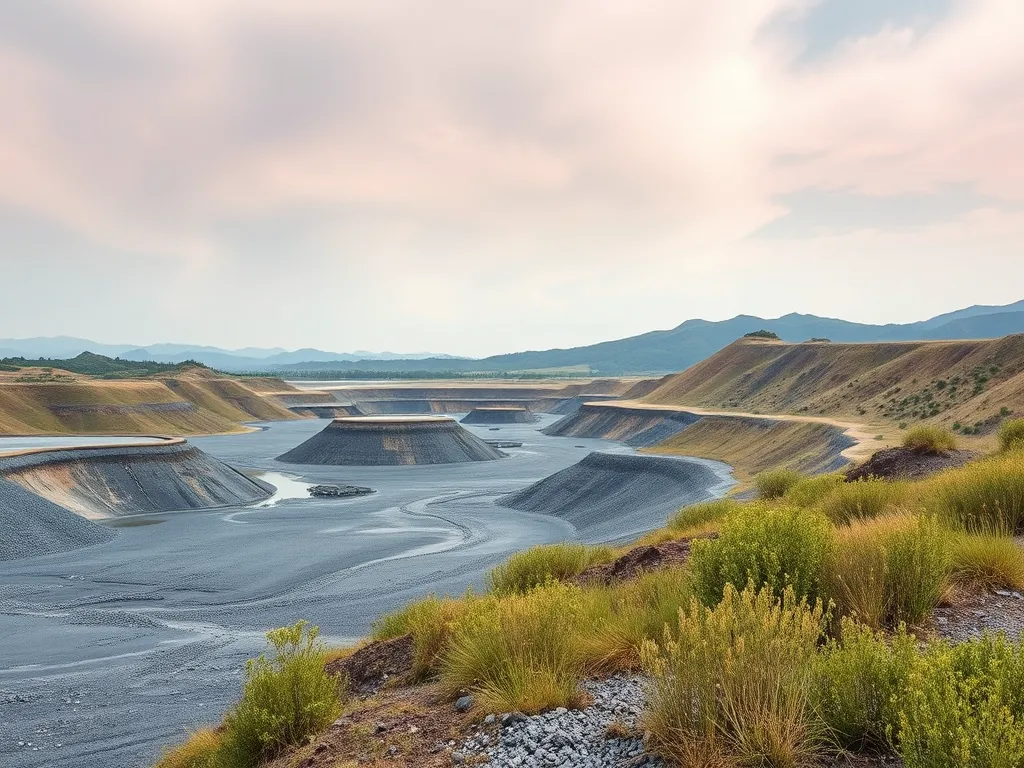
Area strip mining removes vegetation, topsoil, and rock layers to access aggregates like limestone or granite. Heavy machinery strips 10-50 meters of overburden (soil/rock covering deposits), creating open pits spanning 50+ acres. This method alters landforms, erodes fertile soil layers, and fragments habitats. A single quarry can displace 150+ animal species while generating 5-10 tons of dust per acre monthly.
Reclamation rates lag behind extraction: Only 35% of U.S. strip-mined land gets restored annually. Left unrehabilitated, these sites accelerate sedimentation in nearby asphalt mixing plants, clogging drainage systems and increasing water treatment costs by $8-$12 per ton of aggregate.
Dredging Mining: Effects on Aquatic Ecosystems
Dredging extracts sand/gravel from riverbeds, lakes, or ocean floors using suction pumps or bucket systems. Each year, 50+ million metric tons of marine aggregates are dredged globally for asphalt projects. This disrupts benthic zones (river/ocean floors), releasing 200-500% more suspended sediments than natural erosion. Turbidity plumes smother fish gills and block sunlight for aquatic plants.
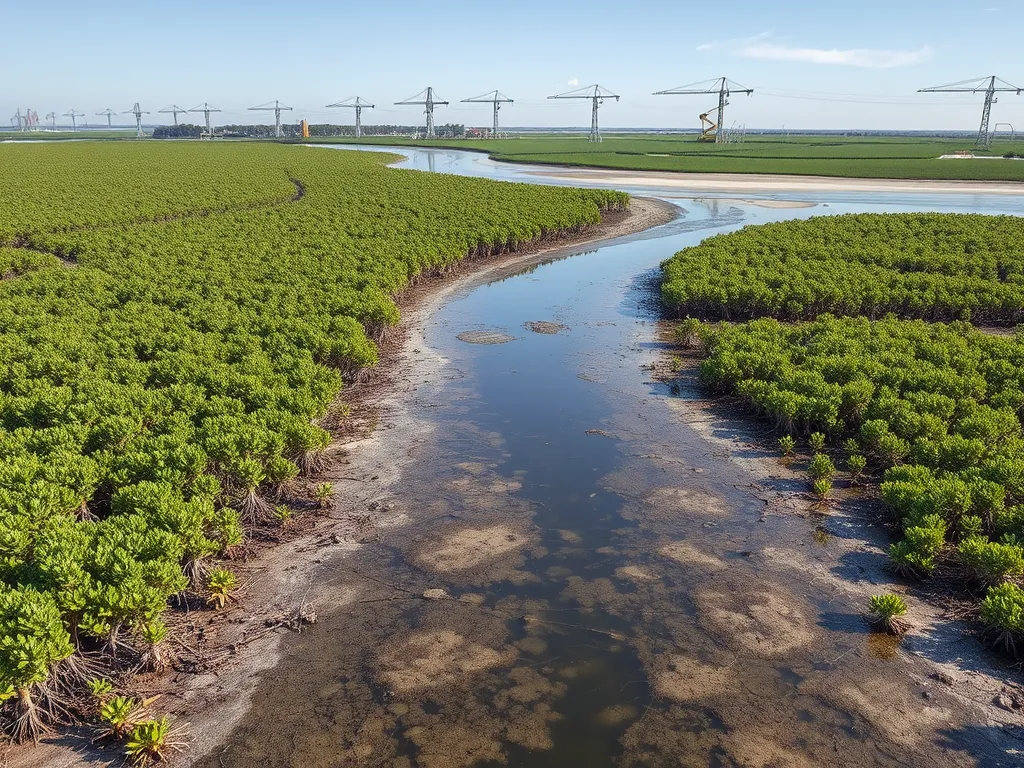
Coastal sand mining for asphalt binder removes 40-60 million tons annually, altering shorelines and increasing saltwater intrusion risks. In Florida, 12% of mangrove habitats near dredging sites show reduced crab/shrimp populations—key food sources for local asphalt plant regions.
These extraction methods set the stage for broader ecological challenges. Next, we examine how water pollution, air quality issues, and habitat loss directly affect asphalt production ecosystems.
Key Environmental Impacts Of Aggregate Mining in Asphalt Production
Mining gravel, sand, and stone for asphalt harms land, water, and air. These five issues shape how we build roads while guarding nature.
1. Water Pollution in Asphalt-producing Regions
Runoff from mines carries silt, fuels, and heavy metals into streams. This harms fish and taints drinking sources near asphalt plants.
Contamination Risks for Asphalt Mixing Plants
Dirty water can weaken asphalt mixes. For example, iron-rich runoff may alter binder chemistry, leading to cracks in pavements within 2-3 years.
2. Dust Emissions and Air Quality Near Quarries
Blasting rock creates PM2.5 dust that lingers for miles. Studies show quarries boost asthma rates by 15% in nearby towns.
Impact on Asphalt Plant Operations
Dust coats conveyor belts and silos, raising upkeep costs by $8-$12 per ton. Plants near mines often use water sprays to curb airborne grit.
3. Landform Alteration and Habitat Loss
Strip mining flattens hills, while dredging leaves pits up to 100 feet deep. In Michigan, 12 bird species fled areas after gravel pits replaced wetlands.
Disruption to Local Ecosystems Supporting Mining Sites
Frogs, deer, and pollinators lose food and shelter. A single sand mine in Texas erased 45 acres of rare cactus habitat in 2021.
4. Depletion Of Non-renewable Aggregate Resources
U.S. asphalt projects use 350 million tons of stone each year. At this rate, key granite sources in Vermont may dry up by 2045.
5. Biodiversity Loss in Gravel and Sand Extraction Zones
Coastal sand mining in Florida shrank sea turtle nests by 30% since 2010. River gravel removal in Oregon split salmon paths, cutting spawn rates by half.
These risks push the asphalt trade to seek fixes. Next, we explore how gravel pits and sand mines shape roads and towns.
Also See: How Much to Replace an Asphalt Driveway? 2024 Guide
Effects Of Gravel and Sand Extraction on Asphalt Infrastructure
Aggregate mining shapes asphalt infrastructure but leaves lasting marks on ecosystems. Gravel pits and sand mines directly influence road quality while altering natural landscapes. Let’s break down how extraction methods ripple through communities and environments.
Negative Impacts Of Gravel Pits on Surrounding Communities
Gravel pits near asphalt plants often disrupt local hydrology. Excavation below the water table drains aquifers, reducing groundwater availability for agriculture. A single pit can lower water levels within a 1.5-mile radius, jeopardizing wells. Dust from crushing operations raises PM2.5 levels by 15-20% in nearby towns, exceeding EPA air quality standards.
Noise pollution from 24/7 hauling affects 70% of residents within half a mile. Property values near active pits drop 12-18% on average. Habitat fragmentation from gravel mining also threatens 30+ endangered species, including the bog turtle and Indiana bat, by removing critical nesting grounds.
Environmental Consequences Of Sand Mining for Asphalt Binder
Sand mining for asphalt binder destabilizes riverbeds and coastlines. Removing 40 million metric tons annually from U.S. waterways increases turbidity by 40%, blocking sunlight for aquatic plants. Dredging destroys benthic habitats, reducing fish populations by 50% in mined zones like the Lower Mississippi Basin.
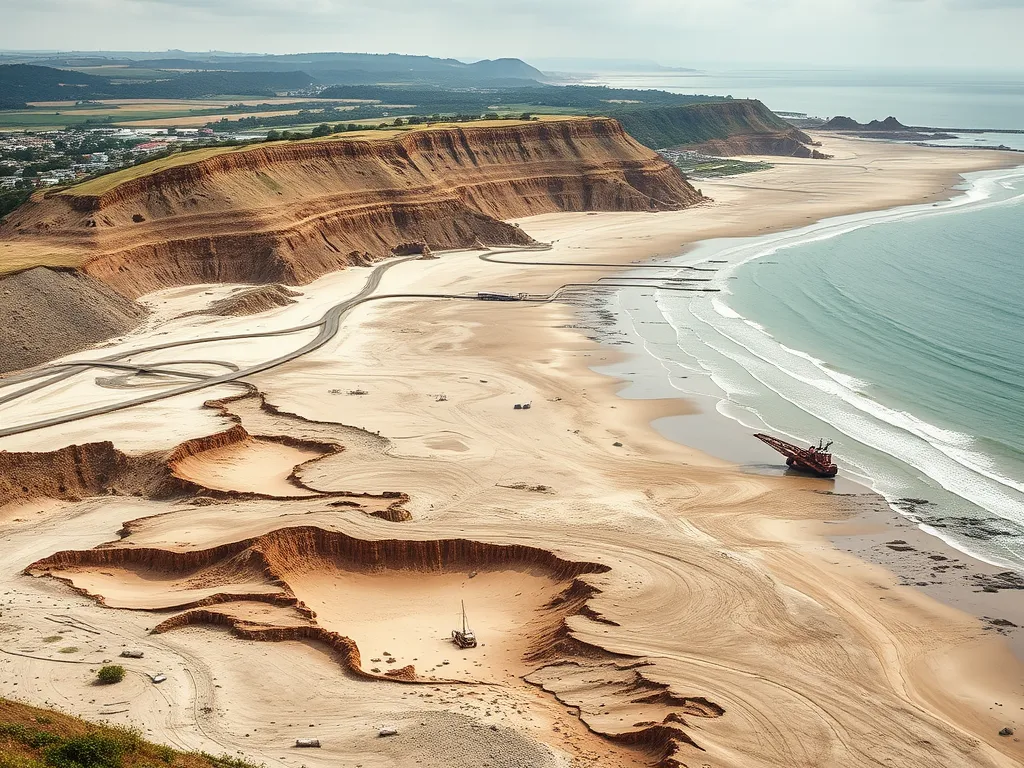
Coastal sand mining accelerates erosion, with beaches losing 3-5 feet yearly near extraction sites. Saline intrusion from over-mining contaminates freshwater reserves, raising chloride levels above 250 mg/L – unsafe for drinking. In asphalt production, saline-contaminated sand weakens binder adhesion, cutting pavement lifespan by 4-7 years.
These challenges demand solutions. Next, we explore methods to reduce harm while maintaining asphalt supply chains.
Mitigation Strategies for Sustainable Aggregate Mining
Balancing asphalt production demands with ecological preservation requires targeted solutions. From restoring mined sites to pre-project planning, these methods tackle the environmental effects of aggregate extraction head-on.
Land Restoration Techniques for Abandoned Quarries
Post-mining landscapes gain new life through strategic rehabilitation. Topsoil replacement paired with native plant seeding stabilizes slopes, cutting erosion by up to 60% in gravel pits. Wetland reconstruction in sand mining zones restores aquatic habitats—a 2021 Montana project revived 12 acres of trout spawning grounds near asphalt plants.
Bioengineering methods like coir log installations prevent sediment runoff into asphalt mixing water sources. Some quarries transform into solar farms or community parks post-closure. The National Stone, Sand & Gravel Association reports 82% of U.S. aggregate sites now implement phased restoration plans during active mining.
Environmental Impact Assessments (EIA) for Asphalt Projects
Mandatory EIAs govern 90% of industrial-scale aggregate mining operations. These evaluations map risks like groundwater contamination from asphalt binder storage or dust plumes affecting nearby hot-mix plants. A 2019 Michigan case study showed EIA-driven modifications reduced PM2.5 emissions by 40% at crusher sites.
Key EIA components for aggregate extraction include:
- Hydrological modeling of pit dewatering effects
- Noise propagation analysis for communities near asphalt plants
- Endangered species surveys in extraction zones
New geospatial tools now predict habitat fragmentation impacts within 5-mile radii of proposed quarries. Over 85% of U.S. states require EIA updates every 3-5 years for active mining permits tied to asphalt production.
With restoration protocols and impact assessments in place, the focus shifts to optimizing aggregates for pavement use. Next, we explore how processing methods determine asphalt quality while addressing environmental geology concerns.
Preparing Aggregates for Use in Asphalt
Turning mined rock, sand, or gravel into asphalt-ready mix requires energy and water. Each step – washing, sorting, testing – adds to the total ecological impact of mining aggregates. Proper methods cut waste but still strain local resources.
Washing, Grading, and Testing Coarse Aggregates
Washing removes dirt from gravel or stone. It uses 10-50 gallons per ton, risking polluted runoff if water isn’t filtered. Plants near rivers face strict rules to limit harm to fish and wetlands.
Grading sorts stones by size using screens. Mismatched sizes weaken roads, leading to cracks and faster repairs. Exact specs (like ASTM C33) ensure 95%+ durability over 15 years. This reduces how often new mines open.
Ensuring Quality for Durable Asphalt Pavement
Strong roads start with tested aggregates. Labs check for hardness, shape, and grit loss (under 40% per AASHTO T96). Bad batches get rejected, saving 8-12% in repair costs. Less fixes mean less mining over time.
Each ton of reused asphalt saves 2.5 tons of new gravel. Plants using 30% recycled cuts lower sand mining needs by half in flood-prone zones.
While prep work reduces harm, the next section tackles how communities cope with ongoing gravel pits and water risks.
FAQ: Environmental Concerns in Aggregate Mining for Asphalt
What Are the 7 Environmental Impacts Of Mining Aggregates?
The environmental impacts of mining aggregates include water pollution, air quality degradation, habitat destruction, biodiversity loss, landform alteration, depletion of non-renewable resources, and increased sedimentation. Each of these factors poses significant risks to ecosystems and human health, particularly in areas near asphalt production sites.
How Do Gravel Pits Affect Local Ecosystems Near Asphalt Plants?
Gravel pits can disrupt local ecosystems by draining nearby aquifers, which affects the availability of groundwater for plants and wildlife. They also contribute to habitat fragmentation and loss, impacting species that rely on specific environmental conditions. Dust and noise pollution from operations may further stress local wildlife populations.
What Are the Risks Of Deep Mining for Asphalt Materials?
Deep mining for asphalt materials can lead to severe ecological consequences, including the destabilization of soil and groundwater systems. This can result in increased erosion and sedimentation in nearby water bodies, harming aquatic life and degrading water quality. Additionally, deep mining may create large pits that alter landscape dynamics, which can further affect local biodiversity.
How Does Sand Mining Impact Coastal Asphalt Projects?
Sand mining impacts coastal asphalt projects by destabilizing shorelines, leading to increased erosion and habitat loss. This can also contribute to higher risks of saline intrusion into freshwater sources, affecting both the environment and communities dependent on these water supplies. The removal of sand from coastal areas can disrupt natural processes that protect against storms and flooding.
Closing Thoughts
The environmental impact of mining aggregates for asphalt production is significant and multifaceted. Mining methods alter landscapes, disrupt ecosystems, and can lead to water pollution and air quality issues. These challenges necessitate a proactive approach, balancing the growing demand for asphalt with sustainable practices.
Mitigation strategies, such as effective land restoration and Environmental Impact Assessments (EIA), can help reduce negative effects on the environment. By implementing these measures, the industry can work towards more sustainable aggregate mining practices that protect our natural resources while meeting infrastructure needs.
For more information about asphalt production and its environmental considerations, check out Asphalt Calculator USA.
Useful References for You:
- Roberts, F. L., Kandhal, P. S., Brown, E. R., Lee, D. Y., & Kennedy, T. W. (1996). Hot Mix Asphalt Materials, Mixture Design, and Construction (2nd ed.). National Asphalt Pavement Association (NAPA).
- Environmental Impacts Of Mining Natural Aggregate
- Environmental Effects of Sand and Gravel Mining on Land and …
- Environmental Impact and Sustainability of Aggregate Production in Ethiopia | IntechOpen
- 3. The Environmental Impacts of Aggregate Extraction | Toronto Environmental Alliance