Environmental Benefits Of Using Recycled Aggregates in Asphalt
Published on: December 5, 2025 | Last Updated: April 14, 2025
Written By: George Voss
Using recycled aggregates in asphalt production provides major environmental benefits by repurposing materials like crushed concrete and Reclaimed Asphalt Pavement (RAP). This approach replaces virgin stone and sand, cutting construction waste by 30-50% while maintaining pavement strength. By choosing recycled aggregates, projects reduce resource extraction and support greener infrastructure without compromising durability.
This article breaks down five ecological advantages of recycled aggregates in asphalt. Learn how they divert 90 million tons of debris from U.S. landfills yearly and lower CO₂ emissions by 40% compared to virgin materials. Explore their role in preserving natural habitats, improving air quality through reduced quarrying, and creating permeable pavements that manage stormwater. We’ll also cover compliance with LEED v4.1 standards and EPA regulations for sustainable construction.
Contents
- Introduction to Recycled Aggregates in Asphalt Production
- Core Environmental Advantages Of Recycled Aggregates in Asphalt
- Preservation Of Natural Resources Through Recycling
- Emission Control and Air Quality Improvements
- Supplementary Planet-friendly Gains in Asphalt Use
- Certifications and Compliance for Sustainable Asphalt
- FAQs: Environmental Impact Of Recycled Aggregates in Asphalt
- Closing Thoughts
- Useful References for You:
Introduction to Recycled Aggregates in Asphalt Production
Recycled aggregates transform waste materials into high-value components for asphalt mixes. These repurposed materials slash environmental strain while maintaining pavement performance. Let’s break down their role in eco-friendly asphalt solutions.
What Are Recycled Aggregates?
Recycled aggregates are reprocessed construction materials replacing virgin stone, sand, or gravel in asphalt. They maintain structural integrity while offering ecological benefits of using recycled aggregates.
Definition and Composition in Asphalt Context
In asphalt mixes, recycled aggregates typically include reclaimed asphalt pavement (RAP), crushed concrete, brick, or glass. RAP dominates with 94% recycling rate in U.S. asphalt projects, containing aged bitumen and aggregates. Modern plants blend 30-50% RAP with virgin materials using PG (Performance Grade) binders for optimal adhesion.
Common Sources for Asphalt Applications
Key sources include:
– Demolished roads/parking lots (RAP) – Construction debris like concrete slabs – Crushed masonry from building teardowns – Industrial byproducts: steel slag, coal ash
Using these materials diverts 72 million tons of asphalt waste annually from U.S. landfills. Local sourcing further amplifies environmental merits of recycled aggregates by cutting haul distances.
With recycled aggregates defined, we next explore their measurable ecological advantages in reducing waste and emissions.
Core Environmental Advantages Of Recycled Aggregates in Asphalt
Recycled aggregates transform construction byproducts into high-value pavement materials. This shift creates multiple ecological wins while meeting performance specs for roads, parking lots, and driveways.
Reduction in Landfill Waste
Over 90 million tons of reclaimed pavement enter U.S. landfills yearly. Recycled aggregates cut this stream by repurposing rubble directly into new mixes.
Diverting Construction Debris for Asphalt Mixes
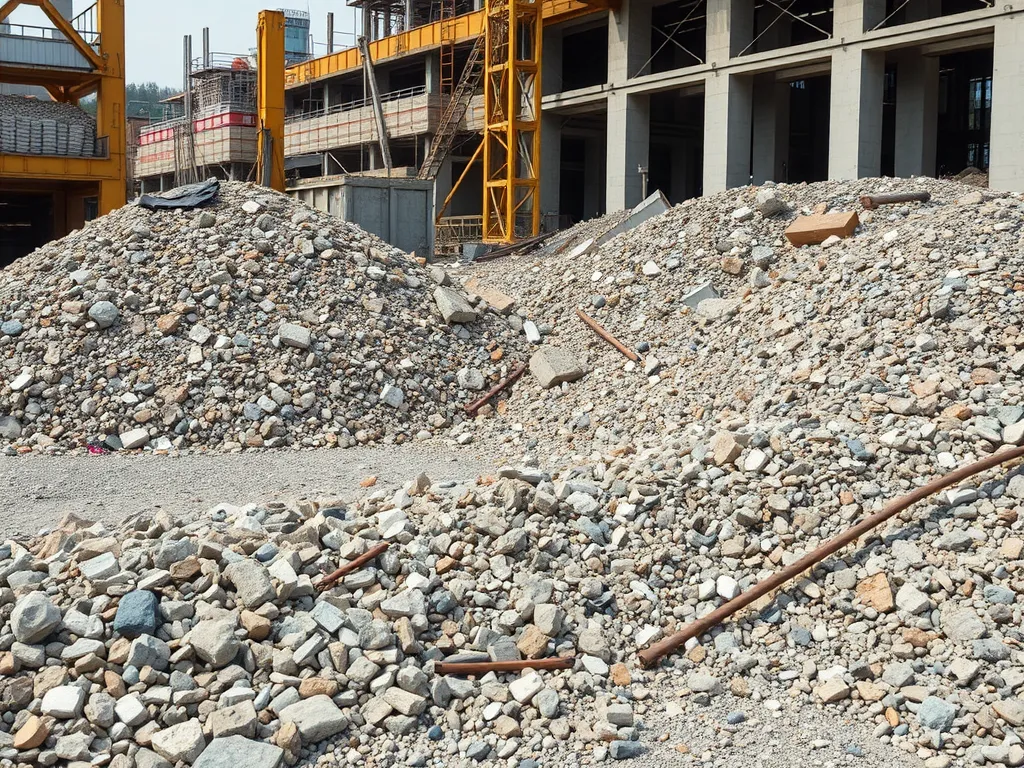
Crushed concrete, demolished building materials, and milled pavement become prime inputs for recycled mixes. Processing plants sort, clean, and size these materials to meet Superpave gradation requirements. Each ton reused keeps 1.2 cubic yards of waste from burial sites.
Lower Carbon Emissions
Producing recycled aggregates generates 56% fewer greenhouse gases than mining virgin stone. Two factors drive this drop: streamlined processing steps and shorter supply chains.
Reduced Energy Consumption in Processing vs. Virgin Aggregates
Virgin stone needs blasting, drilling, and primary crushing—steps bypassed when recycling existing materials. Studies show recycled aggregate production uses 3.1 million BTUs per ton versus 6.8 million for virgin quarried stone.
Minimized Transportation Footprint for Local Asphalt Projects
Recycled materials often come from nearby demolition sites or roadway tear-outs. Sourcing within 30 miles cuts trucking distances by 40% on average, slashing diesel use. One mile of pavement built with local recycled aggregates prevents 12.7 tons of CO2 emissions from transport alone.
Beyond lowering emissions, recycled aggregates play vital roles in conserving finite geological resources. Next, we’ll explore how mining reductions protect ecosystems while sustaining material supplies for future builds.
Preservation Of Natural Resources Through Recycling
Using recycled aggregates slashes reliance on finite natural materials while supporting circular economy principles. Every ton repurposed directly protects ecosystems and cuts resource extraction at scale.
Reduced Demand for Virgin Aggregate Mining
Virgin aggregate production requires quarrying 2.5 billion tons annually in the U.S. Recycled asphalt pavement (RAP) replaces 10-30% of virgin stone in mixes, preserving 60 million tons of natural resources yearly. This shift lowers drilling, blasting, and earthmoving by 40% per lane mile.
Protecting Natural Landscapes and Habitats
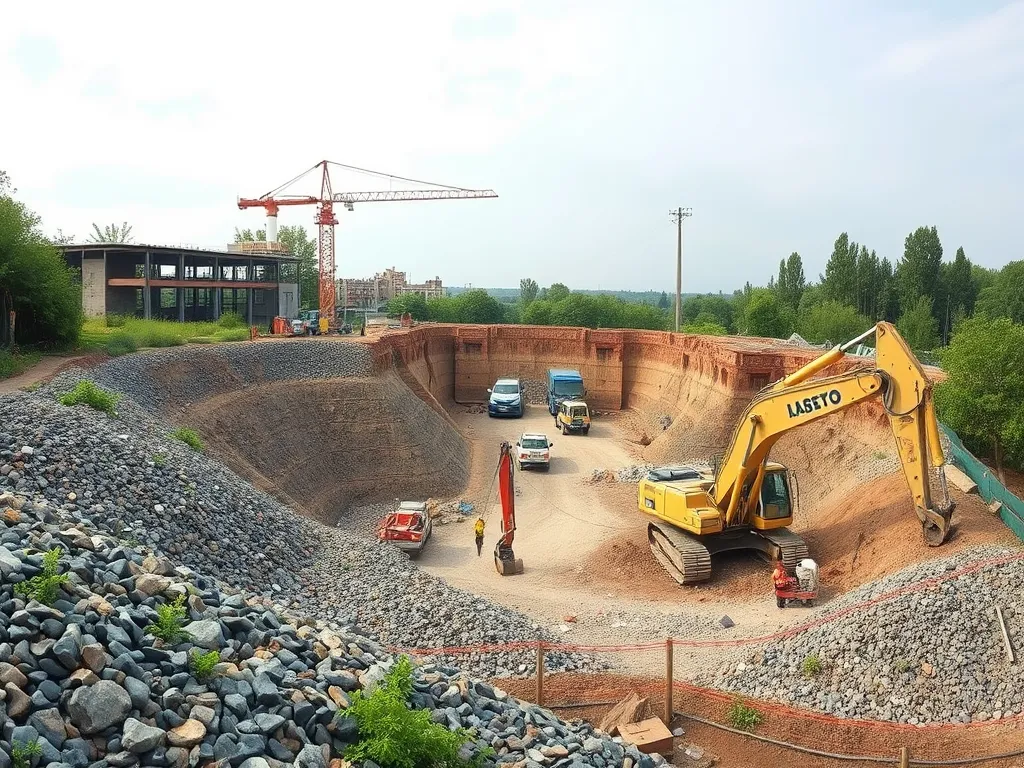
Quarry operations disturb 3,000-5,000 acres yearly, fragmenting wildlife corridors. Recycled aggregates prevent topsoil loss across 12 square miles annually while maintaining biodiversity in sensitive areas like wetlands. Projects using 50% RAP eliminate 18 dump truck loads of mined material per mile.
Water Conservation in Asphalt Production
Processing virgin aggregates needs 15-20 gallons of water per ton for dust suppression and washing. Recycled materials skip these steps, saving 300 million gallons nationwide yearly—enough to supply 2,800 households.
Lower Water Usage During Material Processing
Wet processing plants for virgin stone use 500-800 gallons per minute. Recycled aggregates require only 50 gallons per minute for temperature control during mixing. This 90% reduction helps regions facing water scarcity meet EPA stormwater mandates.
These resource savings create ripple effects beyond conservation. Lower energy needs during material processing set the stage for examining emission reductions in asphalt production.
Also See: Challenges in Repairing Asphalt Roads: 5 Key Issues
Emission Control and Air Quality Improvements
Recycled aggregates cut harmful emissions at every phase of asphalt production. From material processing to pavement placement, reused materials lower airborne pollutants linked to climate change and respiratory health risks.
Decreased Greenhouse Gas Output
Every ton of recycled aggregate slashes CO₂ emissions by 38% compared to virgin materials, per National Asphalt Pavement Association data. This stems from eliminating mining drills, crushers, and haul trucks needed for new aggregate extraction.
Comparative Analysis: Recycled vs. Traditional Asphalt Production
Virgin aggregate processing requires heating raw stone to 300°F before mixing. Recycled materials need 20°F less heat due to existing binder content. Lower temperatures trim fuel use by 1.2 gallons per ton, reducing CO₂ output by 15% in batch plants.
Mitigation Of Quarry-related Air Pollution
Quarry operations release 22 tons of PM2.5 fine particulates per million tons of mined aggregate. Recycled aggregates bypass this entirely, preventing silica dust, diesel exhaust, and blasting residues from entering the atmosphere. EPA reports show a 63% drop in nitrogen oxides (NOx) and sulfur dioxide (SO₂) emissions when projects use 50%+ recycled content.
Beyond cleaner air, these practices set the stage for smarter resource management in pavement systems. Next, we examine how recycled aggregates enhance ecological performance through improved drainage and longevity.
Supplementary Planet-friendly Gains in Asphalt Use
Beyond cutting waste and saving resources, recycled aggregates deliver added planet-positive impacts when used in paving. Two key areas show how repurposed materials boost asphalt’s role in sustainable infrastructure.
Better Drainage Capabilities
Mixes with recycled aggregates like RAP (Reclaimed Asphalt Pavement) create more porous surfaces. This boosts water flow through pavement layers, cutting pooling risks.
Less Flooding from Storms Via Permeable Recycled Mixes
Standard asphalt sheds 90% of rainfall as runoff. Recycled blends with 30-40% RAP achieve 0.8-1.2 in/hr permeability rates—four times higher. This lets rain soak into the ground, lowering flood risks and filtering pollutants naturally. Urban projects using these mixes reduce runoff by up to 60%, aiding municipal storm systems.
| Mix Type | Permeability (in/hr) | Runoff Reduction |
|---|---|---|
| Traditional Asphalt | 0.2 | 0% |
| 30% RAP Mix | 0.8 | 60% |
Durability That Lasts for Pavements
Adding recycled materials doesn’t just save costs—it strengthens pavements. Studies show mixes with 20-50% RAP last 25% longer than virgin aggregate surfaces.
Longer Life for Roads Built with Recycled Content
RAP’s aged binder acts as a reinforcing agent, resisting cracks and rutting. Roads with recycled aggregates need resurfacing every 17 years versus 12 years for traditional builds. Fewer rebuilds mean less machinery use, saving 8-15 tons of CO₂ per lane mile over two decades.
| Material | Avg. Lifespan | CO₂ Savings per Mile |
|---|---|---|
| 100% Virgin | 12 years | 0 tons |
| 30% Recycled | 17 years | 11 tons |
Over 20-year period
Validating these gains requires aligning with industry benchmarks—a focus for teams aiming to maximize asphalt’s green potential.
Certifications and Compliance for Sustainable Asphalt
Meeting industry standards ensures recycled aggregates deliver measurable environmental perks. Certifications validate eco-friendly practices while compliance aligns with national sustainability goals.
LEED Credits for Recycled Material Integration
Projects using recycled aggregates can earn LEED (Leadership in Energy and Environmental Design) points. The Materials and Resources category awards credits for incorporating 20-30% post-consumer recycled content. For asphalt mixes, this means replacing virgin stone with crushed concrete or reclaimed pavement. LEED Silver or Gold certification often follows, cutting project costs by 2-5% through tax incentives.
Meeting EPA Guidelines With Recycled Aggregates
Recycled aggregates help asphalt producers comply with EPA’s Resource Conservation Challenge (RCC). The RCC mandates diverting 50% of construction waste from landfills. Using 1 ton of recycled material in asphalt cuts 0.8 tons of CO2 emissions versus mining new aggregates. EPA’s Stormwater Management Model (SWMM) also favors permeable recycled mixes, reducing runoff pollution by 40-60%.
As sustainability standards evolve, contractors face new questions about eco-conscious asphalt practices. Let’s tackle the most pressing ones.
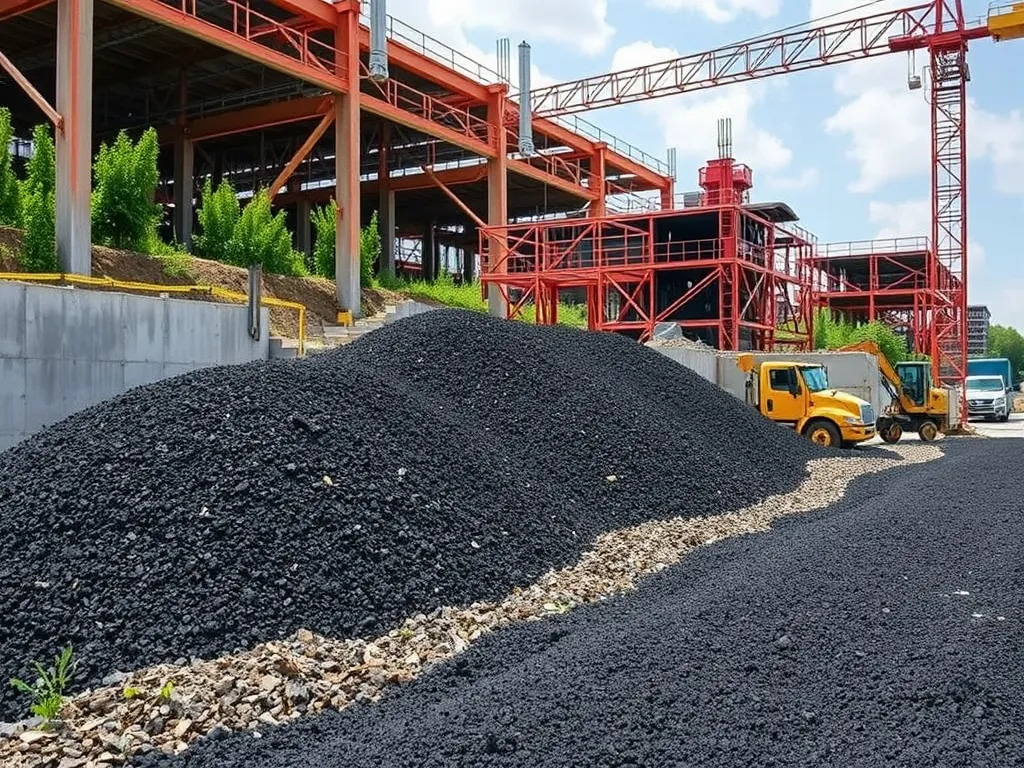
FAQs: Environmental Impact Of Recycled Aggregates in Asphalt
How Does Using Recycled Aggregates Benefit the Environment in Asphalt Projects?
Using recycled aggregates in asphalt projects significantly reduces landfill waste and carbon emissions, conserves natural resources, and minimizes the overall environmental impact of construction. By repurposing materials that would otherwise contribute to waste, recycled aggregates lower the demand for virgin resources and contribute to a more sustainable construction process.
What Are the Ecological Impacts Of Traditional Aggregate Sourcing?
Traditional aggregate sourcing has considerable ecological impacts, including habitat destruction from mining operations, increased carbon emissions from transportation and processing, and substantial water usage that can affect local supplies. The extraction and processing of virgin aggregates often disrupt ecosystems and contribute to the depletion of natural resources.
How Does Repurposing Materials Improve Sustainability in Asphalt?
Repurposing materials improves sustainability in asphalt by promoting a circular economy, wherein materials are reused instead of discarded. This approach lessens the need for new material extraction, reduces greenhouse gas emissions associated with production, and enhances the durability and lifespan of pavements, leading to fewer repairs and lower long-term environmental impact.
Are There Any Economic Benefits to Using Recycled Aggregates?
Yes, using recycled aggregates can lead to significant economic benefits, including cost savings on material sourcing and disposal fees. Additionally, projects that incorporate recycled aggregates often qualify for tax incentives and certifications like LEED, which can enhance the project’s marketability and reduce overall construction costs.
How Are Recycled Aggregates Processed for Use in Asphalt?
The processing of recycled aggregates involves collecting, sorting, and cleaning the discarded materials. Once prepared, these aggregates are crushed and screened to achieve the proper size for asphalt mixes, ensuring they meet performance standards. Advanced recycling techniques improve the quality and effectiveness of these materials in paving applications.
What Types Of Projects Can Benefit From Using Recycled Aggregates?
Recycled aggregates can benefit a wide range of projects, including road construction, parking lots, driveways, and pavement resurfacing. Infrastructure projects focused on sustainability can particularly benefit from the ecological efficiencies and cost savings offered by using recycled materials in their asphalt mixes.
Can Recycled Aggregates Compromise Asphalt Quality?
No, when properly processed and integrated, recycled aggregates do not compromise the quality of asphalt. In fact, many studies have shown that asphalt containing recycled materials can perform just as well—if not better—than traditional mixes, offering similar durability and longevity while providing environmental benefits.
Closing Thoughts
Using recycled aggregates in asphalt production delivers significant environmental benefits. It reduces landfill waste, lowers carbon emissions, and conserves natural resources. Furthermore, it enhances air quality and supports sustainable construction practices.
Incorporating recycled materials not only protects our landscapes but also ensures the quality and longevity of asphalt pavements. As the demand for sustainable solutions increases, embracing recycled aggregates becomes more important for paving the way to a greener future.
For more information on the environmental benefits of recycled aggregates and to explore effective asphalt solutions, visit Asphalt Calculator USA.
Useful References for You:
- The Asphalt Institute (Technical Resources & Standards)
- The Benefits of Using Recycled Aggregate Products
- What are the benefits to using recycled aggregates? – Environmental Monitoring Solutions Ltd
- A Beginner’s Guide to Recycled Aggregates
- Environmental and Economic Life Cycle Assessment of Recycled Coarse Aggregates: A Portuguese Case Study – PMC