How Sealcoating Protects Your Pavement and the Planet
Published on: December 1, 2025 | Last Updated: April 14, 2025
Written By: George Voss
Sealcoating shields asphalt surfaces with a protective layer of coal tar or asphalt-based emulsions while delivering measurable environmental benefits. This maintenance process prevents cracks and oxidation, cutting material waste by up to 50% over 15 years compared to unsealed asphalt. Modern formulas now feature low-VOC (volatile organic compound) blends and coal-tar-free options that meet EPA stormwater regulations, making sealcoating both a preservation tactic and eco-choice.
This article breaks down how sealcoating supports sustainable infrastructure. You’ll learn how extending pavement life reduces aggregate mining needs, how waterproofing prevents toxic runoff, and why newer plant-based sealers outperform traditional options. We’ll analyze energy savings from recycling protected asphalt, compare emission rates across sealer types, and share application techniques that safeguard local ecosystems.
Contents
- Introduction to Sealcoating and Asphalt Sustainability
- Primary Environmental Benefits Of Sealcoating Asphalt
- Asphalt’s Innate Environmental Advantages
- Environmental Considerations in Sealcoating Practices
- Addressing Environmental Concerns About Sealcoating
- FAQs: Sealcoating and Environmental Protection
- Final Thoughts
- Additional Resources for You:
Introduction to Sealcoating and Asphalt Sustainability
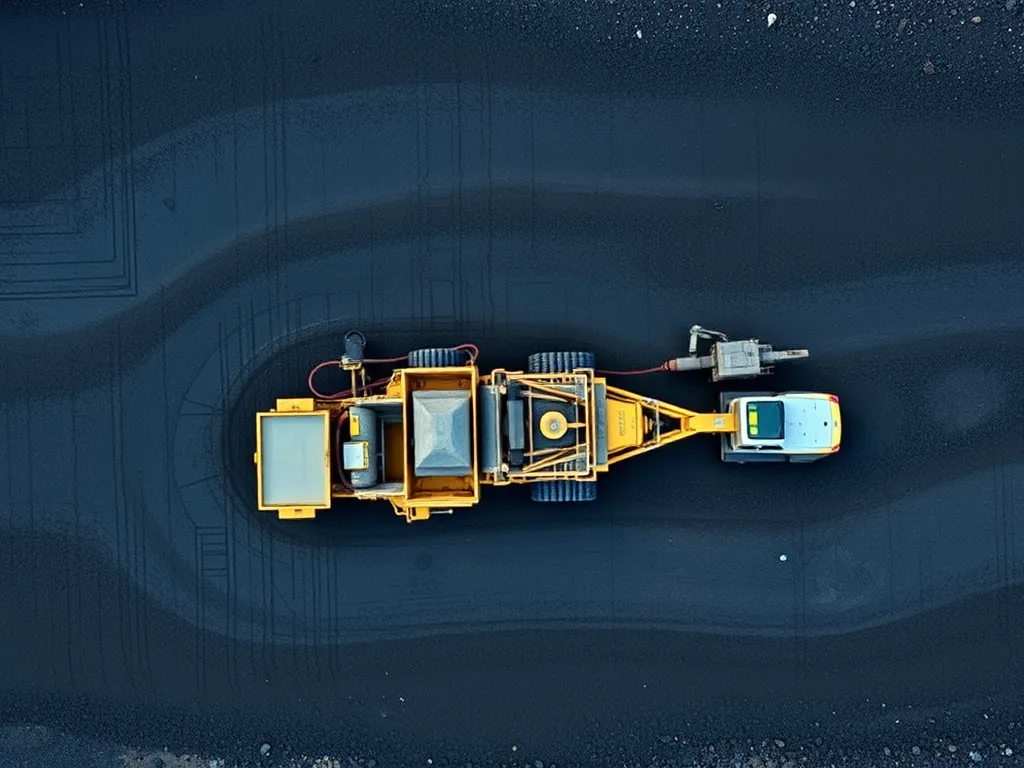
Sealcoating protects asphalt surfaces with a thin layer of bitumen-based emulsion mixed with water, sand, and additives. This treatment acts as a shield against sun exposure, rain, oil spills, and de-icing chemicals. By blocking these elements, it slows oxidation – the process that makes asphalt brittle and prone to cracks.
Regular sealcoating extends pavement life by 2-3 times compared to untreated surfaces. This directly reduces demand for virgin asphalt materials. Every ton of asphalt saved prevents 0.03 tons of CO2 emissions from hot-mix production. The practice aligns with circular economy principles by delaying pavement replacement cycles.
Modern sealcoat formulas now incorporate eco-friendly upgrades. Many contractors use low-VOC (volatile organic compound) sealers or coal-tar-free alternatives containing acrylic polymers. Some blends include biodegradable stabilizers like soy or plant-derived resins. These innovations maintain performance while addressing historical concerns about pavement sealants.
Up next: How these protective measures translate into measurable environmental benefits through reduced resource extraction and landfill avoidance.
Primary Environmental Benefits Of Sealcoating Asphalt
Sealcoating plays a key role in sustainable pavement maintenance. Applying this protective layer delivers measurable ecological advantages of sealcoating while preserving asphalt integrity.
Extended Asphalt Lifespan Reduces Resource Consumption
Properly sealed asphalt lasts 2-3 times longer than unsealed surfaces. This durability directly ties to environmental benefits of sealcoating by lowering demand for raw materials.
Minimizing Frequent Repairs and Material Waste
Each sealcoat application prevents 300-500 lbs of aggregate loss per 1,000 sq ft annually. Fewer pothole repairs mean less asphalt production – saving 1.2 tons of virgin aggregates per avoided reconstruction project.
Lowering Carbon Footprint Through Reduced Reconstruction
Delaying pavement replacement by 5-7 years cuts CO₂ emissions by 18-22 tons per lane mile. Heavy machinery for asphalt production emits 35-40 kg CO₂ per ton – sealcoating eliminates 85% of these emissions through preservation.
Protection Against Weather-related Environmental Damage
Sealcoating creates a shield against nature’s wear. This protection addresses critical environmental aspects of sealcoating through targeted defense mechanisms.
UV Resistance Prevents Asphalt Degradation
Oxidation from sunlight breaks down asphalt binders at 3-5% annual rate. Quality sealcoats block 95% of UV rays, preventing 200-400 lbs of bitumen erosion per parking space yearly.
Waterproofing Reduces Erosion and Runoff Pollution
Sealed surfaces reduce water infiltration by 80-90%. This waterproofing stops 70% of hydrocarbon runoff from reaching waterways, protecting aquatic ecosystems from pavement-derived toxins.
Eco-friendly Sealcoat Formulations
Modern sealers now align with environmental seal coating advantages through advanced chemistry. Manufacturers prioritize both performance and ecological safety.
Low-VOC and Coal-Tar-Free Asphalt Sealers
Water-based acrylics emit 90% fewer volatile organic compounds (VOCs) than traditional options. Coal-tar-free formulas eliminate polycyclic aromatic hydrocarbons (PAHs) – known carcinogens banned in 15 states.
Biodegradable Additives in Modern Sealcoating Products
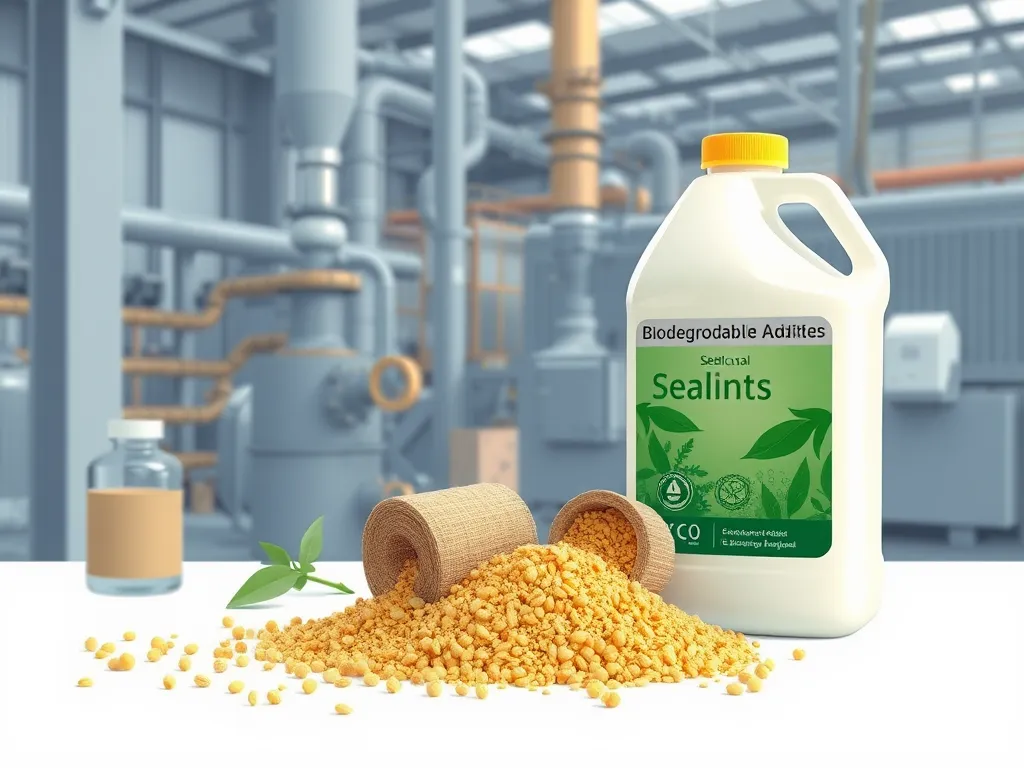
New soy-based plasticizers and plant-derived polymers break down naturally within 18-24 months. These additives maintain flexibility without leaving persistent microplastics in soil or groundwater.
With sustainable materials and methods now standard, let’s examine how asphalt’s natural properties complement these protective measures.
Asphalt’s Innate Environmental Advantages
Built-in sustainability makes asphalt the top choice for eco-conscious paving. Its core components work with sealcoating to multiply ecological benefits over decades.
100% Recyclability Of Asphalt Materials
Every ton of old pavement gets new life through full-cycle reuse. This circular system eliminates waste while supporting sealcoating’s protective role.
Closed-Loop Recycling Process for Old Pavement
Crushed pavement becomes Recycled Asphalt Pavement (RAP) for new mixes. Over 90 million tons get reused yearly in the US alone. Mills grind worn surfaces during road repairs, feeding material directly into fresh batches. Sealcoating preserves these recycled layers longer between replacements.
Energy Conservation Through Recycled Asphalt Use
RAP cuts heating needs by 20% during production. Less virgin bitumen means fewer emissions – 21 pounds of CO2 saved per ton. With sealcoating stretching service life, reconstruction cycles lengthen from 12 to 20+ years.
Natural Material Composition
Bitumen bonds stone/sand without synthetic additives. Unlike concrete’s cement (8% global CO2 output), asphalt’s petroleum base gets reused endlessly. Modern mixes incorporate recycled tires or shingles for enhanced green performance.
Reduced Toxicity Compared to Alternative Materials
Coal-tar sealants release 1,000x more PAHs than asphalt-based options. Water-based sealers now dominate, slinking VOC levels below 150g/L. Properly cured layers pose zero risk to soil or groundwater quality.
With these inherent green traits amplified through strategic sealcoating, paved surfaces become partners in ecological stewardship. Next, we’ll examine how application methods maximize protection while minimizing ecosystem effects.
Also See: Asphalt Applications in Renewable Energy Projects
Environmental Considerations in Sealcoating Practices
Sealcoating protects asphalt but needs care to keep earth safe. Smart methods cut harm while keeping roads strong.
Responsible Application Techniques
How crews apply sealcoat matters for soil and streams. Right steps stop spills and leaks.
Controlled Runoff Management During Sealing
Wet sealcoat can wash into drains if not contained. Pros use berms, silt fences, and drip pans. These tools trap 95% of runoff during jobs.
| Runoff Control | Impact |
|---|---|
| Drop cloths | Collect drips |
| Straw waddles | Filter silt |
| Quick cleanup | Stop spills |
Preventing Groundwater Contamination Risks
Sealers with coal tar have PAHs – toxins that seep into wells. Water-based sealants cut PAHs by 90%. Crews avoid spraying near drains or bare soil.
Balancing Protection With Ecological Safety
New sealcoat blends fight wear without hurting plants or animals. Green choices work as well as old formulas.
Selecting Eco-Certified Asphalt Sealers
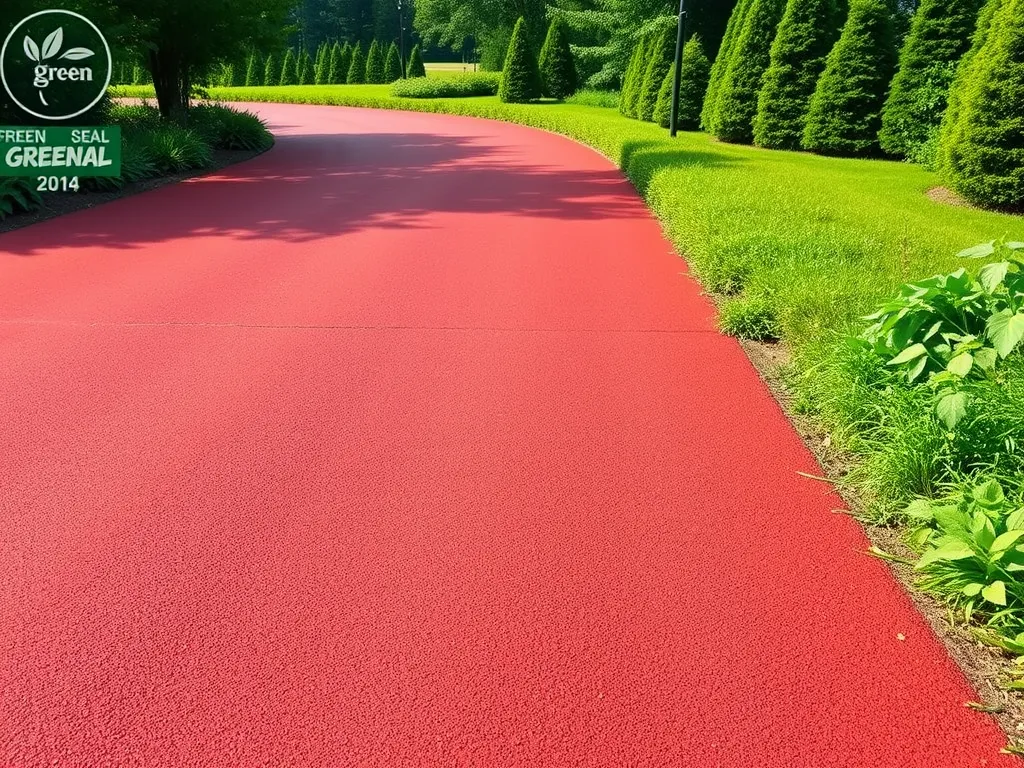
Look for Green Seal or EcoLogo stamps. These mean low-VOC (volatile organic compounds) and no heavy metals. A 5-gallon pail covers 300 sq.ft., lasting 3 years.
Optimal Re-Application Intervals for Sustainability
Too much sealcoat wastes goods. Too little lets cracks form. Test driveways each spring. Most need new coats every 2-4 years based on wear.
While smart methods lower risks, some still worry about fumes and waste. Next, we tackle common eco-concerns head-on.
Addressing Environmental Concerns About Sealcoating
While sealcoating offers clear ecological advantages, some question its environmental impact. Modern practices directly address these concerns through advanced formulations and responsible protocols.
Mitigating Potential VOC Emissions
Volatile organic compounds (VOCs) – gases emitted from certain sealers – once raised air quality concerns. Today’s low-VOC asphalt sealers slash emissions by 60-80% compared to traditional coal-tar variants. Water-based acrylic formulas dominate the market, meeting strict EPA Air Quality Standards (under 250 grams VOC per liter). Contractors further reduce emissions by applying sealcoats during moderate temperatures (50-85°F) to minimize evaporation.
Proper Disposal Of Sealer Residues
Leftover sealcoat requires careful handling to protect ecosystems. EPA guidelines mandate curing unused material in sealed containers before landfill disposal. Progressive companies use vacuum recovery systems to capture 98% of residual sealer during equipment cleaning. Many municipalities now accept polymer-modified sealcoat wastewater through hazardous waste programs, preventing storm drain contamination. Some plants even reprocess collected residues into patching compounds, creating closed-loop recycling systems.
These protocols ensure sealcoating’s environmental benefits outweigh operational impacts. For property owners seeking clarity, industry certifications like GreenPave® simplify eco-friendly choices.
Beyond addressing concerns, certified sealcoating enhances asphalt’s natural green advantages – a balance we’ll explore through common environmental questions.
FAQs: Sealcoating and Environmental Protection
How Does Sealcoating Benefit the Environment for Asphalt Surfaces?
Sealcoating extends the life of asphalt surfaces, leading to reduced resource consumption and lower carbon emissions by delaying the need for new materials and construction. This preservation effectively safeguards the environment by minimizing waste and energy usage associated with asphalt production.
Why is Asphalt Considered More Eco-friendly Than Other Pavement Materials?
Asphalt is highly recyclable and can be reused multiple times without compromising its strength or performance. Unlike many alternatives, asphalt’s production and maintenance processes generate fewer harmful emissions and consume less energy, making it a better choice for environmentally conscious paving.
Are There Environmentally Safe Sealcoating Options for Driveways?
Yes! Many modern sealcoating products are designed to be eco-friendly, featuring low-VOC and coal-tar-free formulations that meet stringent environmental regulations. These options provide effective protection for your driveway while minimizing ecological impact.
What’s the Ideal Frequency for Eco-conscious Driveway Sealing?
The ideal frequency for sealing a driveway typically ranges from every 2 to 4 years, depending on the wear and tear of the surface. Regular inspections each spring can help determine if a new coat is needed, ensuring that the driveway remains protected while avoiding unnecessary waste.
Final Thoughts
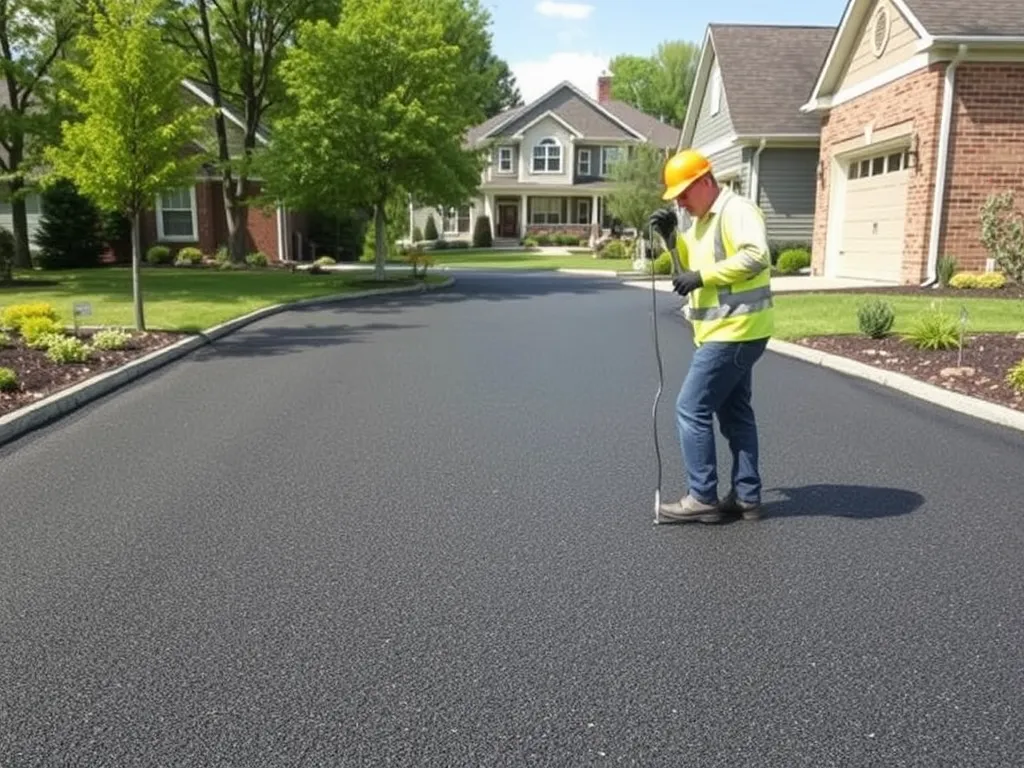
Sealcoating offers significant environmental advantages for asphalt surfaces. By extending the lifespan of asphalt, it minimizes the need for repairs and reduces overall resource consumption. This translates to less material waste and a lower carbon footprint, making sealcoating a sustainable choice.
Moreover, sealcoating protects against weather-related damage. It enhances UV resistance, preventing asphalt degradation, and waterproofing reduces erosion and runoff pollution. With the availability of eco-friendly formulations—like low-VOC and biodegradable additives—sealcoating continues to be a green option for property owners.
Asphalt itself is inherently sustainable. Its 100% recyclability and energy conservation through recycled materials underscore its status as an environmentally sound building choice. Responsible sealcoating practices further ensure that ecological safety is prioritized, minimizing risks associated with runoff and contamination.
To explore more about how sealcoating contributes to sustainable asphalt maintenance, check out Asphalt Calculator USA for detailed information.