Enhancing Asphalt Parking Lots With Landscaping
Published on: December 3, 2025 | Last Updated: April 14, 2025
Written By: George Voss
Enhancing asphalt parking lots with landscaping merges durable pavement with greenery to boost functionality and visual appeal. This method integrates plants, trees, and green zones within or around asphalt surfaces. Benefits include improved safety through clearer traffic flow, higher property values (up to 20% in some cases), and reduced environmental strain. Design options range from parking lot islands with drought-tolerant species to shaded walkways using canopy trees. Costs vary from $3-$15 per square foot based on plant types and irrigation needs. Strategic planting cuts stormwater runoff by 30-50% and lowers asphalt surface temperatures by 10°F.
This article breaks down how to blend greenery with asphalt effectively. Learn which plants survive salt and shade near pavement. Compare upfront costs versus long-term savings from energy efficiency and asphalt preservation. Explore designs that balance aesthetics with parking capacity. Get maintenance tips for root management and debris control. See how proper landscaping extends asphalt lifespan while supporting local ecosystems.
Contents
- Benefits Of Landscaping Asphalt Parking Lots
- Design Strategies for Asphalt Parking Lot Landscaping
- Cost Considerations for Asphalt Parking Lot Landscaping
- Plant Selection for Asphalt-adjacent Landscaping
- Maintenance Practices for Landscaped Asphalt Lots
- Environmental Considerations for Paved Landscapes
- FAQ: Asphalt Parking Lot Landscaping
- Closing Thoughts
- Useful References for You:
Benefits Of Landscaping Asphalt Parking Lots
Pairing asphalt with greenery transforms sterile lots into functional ecosystems. Strategic planting boosts performance beyond basic pavement needs.
Improved Aesthetic Appeal for Asphalt Surfaces
Greenery softens asphalt’s industrial appearance. A study by the National Asphalt Pavement Association shows parking lots with 15-20% landscaped areas increase user satisfaction scores by 38%. Try these eye-catching options:
- Seasonal color: Crepe Myrtles (6-8′ height) or Daylilies along borders
- Textural contrast: Blue Fescue grass clusters in parking islands
- Architectural forms: Columnar Oak trees at lot entries
Enhanced Safety for Drivers and Pedestrians
Landscaping creates natural traffic guides. The Federal Highway Administration reports a 40% reduction in parking lot accidents with proper green buffers. Key implementations:
- 24″-tall Boxwood hedges along pedestrian paths
- Reflective marker plants (Silver Mound Artemisia) near parking stalls
- 36″ clear visibility zones maintained at intersections
Increased Property Value With Strategic Greenery
Appraisal Institute data shows commercial properties gain $0.25-$0.75 per square foot value with quality parking lot landscaping. High-ROI features include:
- Shade trees reducing asphalt surface temps by 35°F (White Oak, Red Maple)
- Permeable planting strips cutting stormwater fees by 18-22%
- LED-lit specimen trees boosting nighttime visibility
These benefits set the stage for smart design choices. Next, we’ll break down layout strategies that merge asphalt durability with plant viability.
Design Strategies for Asphalt Parking Lot Landscaping
Smart landscape design transforms plain asphalt lots into functional, eco-friendly spaces. Proper planning balances aesthetics with pavement protection while tackling urban heat and stormwater runoff.
Functional Parking Lot Island Designs
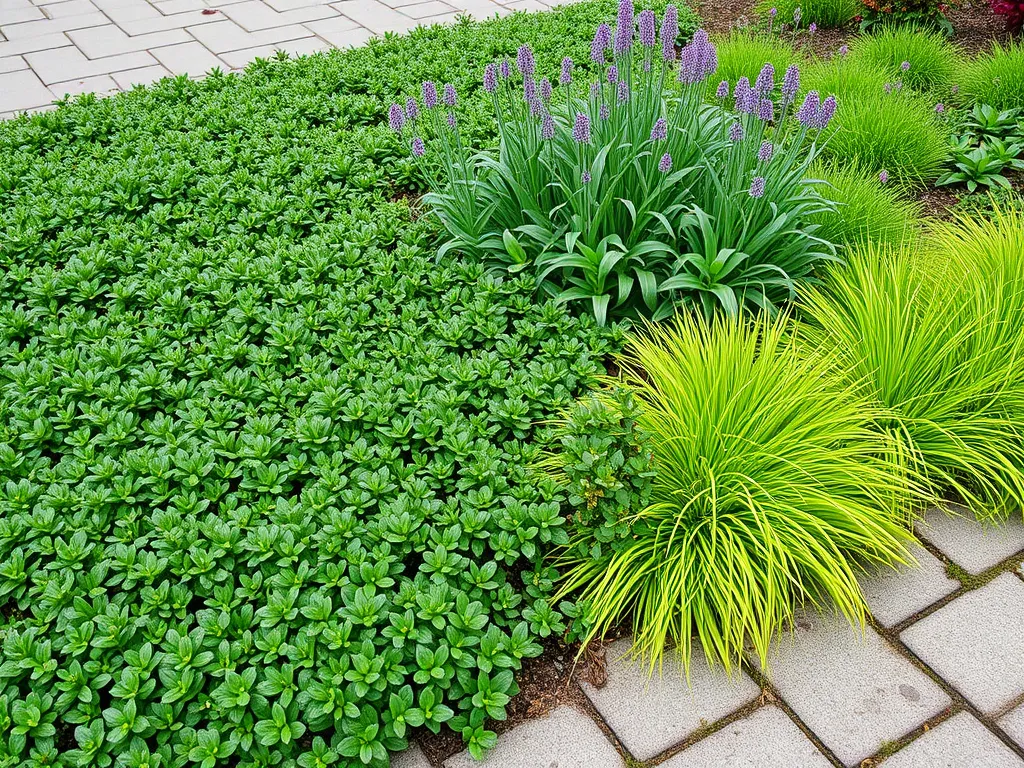
Parking lot islands serve as green anchors within asphalt seas. Optimal designs use 8×20 ft minimum dimensions for root growth and vehicle protection. Drought-resistant shrubs like juniper or spirea thrive in these zones. Permeable pavers around islands allow water infiltration, reducing puddle formation on adjacent asphalt surfaces.
Green Buffer Zones Along Asphalt Edges
6-10 ft wide planted strips between asphalt and property lines create natural barriers. Ornamental grasses like switchgrass or feather reed grass filter runoff while hiding curb lines. Bioswales with 2-3% slope gradients channel stormwater away from pavement edges, cutting erosion risks by up to 40%.
Shade Trees to Reduce Asphalt Heat Retention
Deciduous trees with 30-50 ft canopies lower asphalt surface temps by 20-40°F. Species like red maple or London planetree planted 15-20 ft from pavement edges provide summer shade while allowing winter sun. Tree wells with root barriers protect asphalt from uplift damage, extending pavement life 5-7 years.
Low-maintenance Ground Cover Solutions
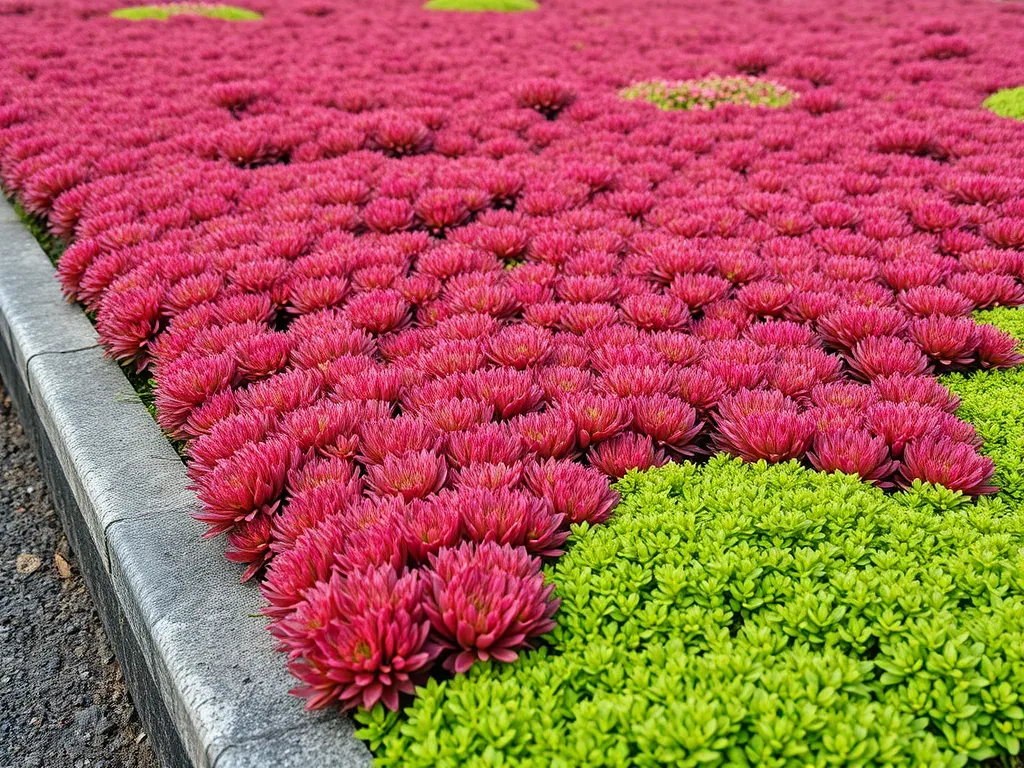
Sedum mats or creeping thyme handle foot traffic and reflect heat better than mulch. These plants need only 4″ soil depth, making them ideal for narrow asphalt borders. For high-traffic zones, microclover withstands compaction and adds nitrogen to soil, reducing fertilizer needs by 25%.
Smart plant selection and placement make asphalt landscapes work harder. Next, let’s break down budget factors for green parking lot upgrades.
Cost Considerations for Asphalt Parking Lot Landscaping
Smart plans mix hardscapes with green spaces. Balance costs with gains for best results.
Initial Investment in Asphalt-compatible Plants
Start costs range $3-$15 per square foot. Pick plants that handle heat and salt. Juniper, sedum, and switchgrass thrive near asphalt. Add soil prep ($1.50-$4/sf) for root health. Use drip lines ($2.50-$6.50/ln ft) to keep roots from cracking pavement. Skip plants with wide-spread roots like willows.
Long-term Maintenance Costs for Integrated Landscapes
Yearly care runs 15-30% of first costs. Native plants cut water use by 30%. Prune trees 6-8 ft high for truck clearance. Fix irrigation leaks fast to guard asphalt bases. Permeable pavers in islands cut drain fees by 40%. Plan $500-$1,200 yearly per 10,000 sf for care.
ROI Of Landscaping in Asphalt Parking Environments
Green lots boost property value 5-7%. Shade trees cut pave temps by 35°F, extending asphalt life 3-5 years. Stores with plant islands see 12-18% higher customer stay rates. Some towns offer tax breaks for rain gardens or tree cover over lots.
Smart plant selection builds on these cost plans. Next, we break down top picks for tough pave-side growth.
Also See: Causes Of Asphalt Driveway Cracking
Plant Selection for Asphalt-adjacent Landscaping
Smart vegetation choices boost asphalt longevity while elevating curb appeal. Focus on species that tolerate reflected heat, compacted soil, and urban stressors.
Drought-tolerant Trees for Parking Lot Islands
Parking lot islands demand trees with deep root systems (non-invasive) and low water needs. Top performers:
- Texas Red Oak (Quercus buckleyi): Thrives in zones 7-9, grows 30-50 ft tall, handles alkaline soils common near asphalt
- Desert Willow (Chilopsis linearis): Needs 15-20 ft spacing, survives on 12″ annual rainfall, reduces surface temps by 8-10°F
- Japanese Zelkova (Zelkova serrata): Tolerates salt spray, grows 2 ft/year, $200-$400 installed
Hardy Shrubs for Asphalt Border Protection
Border shrubs shield pavement edges from tire overhang. Prioritize compact growth (under 4 ft) and debris resistance:
- Dwarf Yaupon Holly (Ilex vomitoria ‘Nana’): Salt-tolerant, requires pruning once yearly, $25-$40 per plant
- Blue Star Juniper (Juniperus squamata): Spreads 3-4 ft wide, survives -30°F to 110°F, prevents soil migration
- Ruby Carousel Barberry (Berberis thunbergii): Deer-resistant, adds color contrast to gray asphalt
Flowering Plants for Visual Impact on Pavement
Introduce seasonal color without compromising pavement integrity:
- Blanket Flower (Gaillardia): Blooms May-October, 6-8″ height, $3-$7 per plant
- Mexican Feather Grass (Nassella tenuissima): Drought-resistant, sways in wind to soften asphalt lines
- Ice Plant (Delosperma): Handles foot traffic, reduces heat absorption with light-colored blooms
Ground Cover to Prevent Asphalt Erosion
Low-growing plants combat water runoff that undermines pavement edges:
- Creeping Thyme (Thymus serpyllum): Covers 12-18″ annually, thrives in zones 4-9
- Dwarf Mondo Grass (Ophiopogon japonicus): Tolerates shade from parked vehicles, $0.50-$1 per plant
- Sedum Spurium: Requires 4″ soil depth, prevents erosion on 2:1 slopes near asphalt
Strategic vegetation creates functional beauty in paved areas. Next, explore maintenance tactics to protect both plants and pavement.
Maintenance Practices for Landscaped Asphalt Lots
Proper upkeep ensures greenery thrives while protecting paved surfaces. Balance plant health with pavement integrity through targeted methods.
Irrigation Systems Compatible With Asphalt Foundations
Use drip systems or soaker hoses with flow rates below 0.5 GPH to prevent water pooling. Root barriers (18-24″ depth) shield pavement from moisture intrusion. Smart controllers with soil sensors cut water use by 30% while keeping plants hydrated.
| System Type | Best Use | Cost Range |
|---|---|---|
| Drip Irrigation | Tree wells | $0.50-$2.50/sq ft |
| Rotary Nozzles | Shrub zones | $1.20-$3.00/sq ft |
Pruning Techniques Near Paved Surfaces
Trim tree limbs 8-10 feet above pavement using pole pruners. Cut shrubs 6″ from curb lines to prevent root spread. Remove branches over 2″ diameter in late winter to minimize sap drips on parked vehicles.
Debris Management for Asphalt Longevity
Clear fallen leaves within 48 hours to prevent tannin stains. Use backpack blowers set below 200 MPH to avoid aggregate displacement. Schedule quarterly power washing with 1,500 PSI max to remove pollen buildup without damaging sealcoating.
Seasonal Care for Integrated Landscapes
Spring: Apply 2-3″ mulch rings to suppress weeds. Summer: Inspect for root heaving near pavement edges. Fall: Replace 15% of soil in planters to reduce compaction. Winter: Wrap tree trunks with burlap below 20°F to prevent root frost heave.
Effective upkeep preserves both greenery and pavement. Next, we’ll explore how these methods intersect with broader ecological impacts.
Environmental Considerations for Paved Landscapes
Landscaping for parking lots does more than boost looks. It solves key eco-issues tied to paved spaces. Smart plans cut harm while keeping lots working.
Stormwater Management Through Strategic Planting
Asphalt sheds rain fast, which can flood drains. Add plants that soak up water. Use bioswales (shallow dips with plants) in lot corners. Rain gardens near edges catch runoff. These steps cut flow by 40-60%. Permeable pavers in walk zones let water seep through. Pick plants like sedges or willows that handle wet roots.
Heat Island Mitigation With Canopy Coverage
Blacktop soaks heat, making lots 10-15°F hotter than grass zones. Trees block sun rays. Aim for 30% shade cover in 10 years. Oaks and maples work well in isles. Their wide tops cool cars and walk paths. Less heat stress means asphalt lasts 2-3 years longer. White or gray pavers in walk zones reflect light, cutting surface temps.
Biodiversity Enhancement in Urban Parking Areas
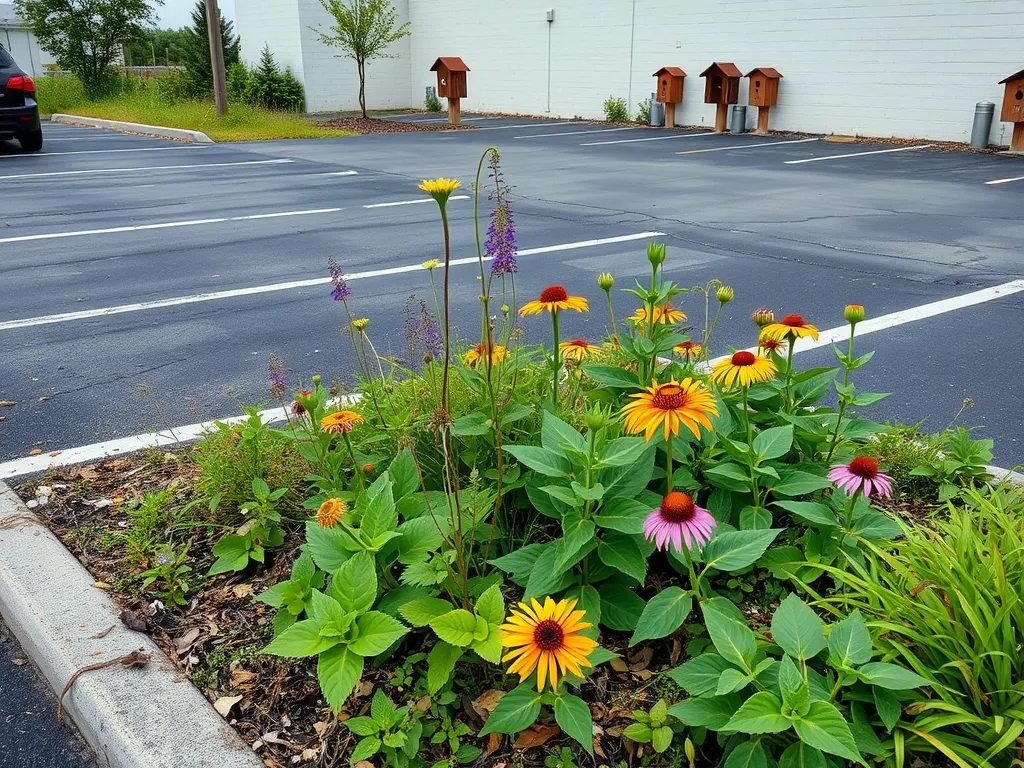
Paved zones often lack life. Add native plants to feed bugs and birds. Milkweed in isles helps monarchs. Coneflowers draw bees. Leave leaf litter in plant beds for small critters. Use bird boxes on light poles. Bat homes in buffer zones eat pests. Even small green patches link to bigger wild zones nearby.
These eco-fixes show how asphalt parking lot landscaping balances use and care for land. Next, we’ll break down costs to plan smart upgrades.
FAQ: Asphalt Parking Lot Landscaping
How Much Does It Cost to Enhance an Asphalt Parking Lot With Landscaping?
The cost of enhancing an asphalt parking lot with landscaping usually ranges from $3 to $15 per square foot, depending on the types of plants chosen and the complexity of the irrigation systems installed.
What Are Effective Ideas to Beautify Asphalt Parking Areas?
Some effective ideas to beautify asphalt parking areas include incorporating parking lot islands with shade trees, using low-maintenance ground covers, and creating green buffer zones along the edges of the asphalt.
Which Plants Thrive in Parking Lot Island Conditions?
Plants that thrive in parking lot island conditions include drought-tolerant varieties such as Texas Red Oak, Desert Willow, and hardy flowering plants like Blanket Flower. These species are well-suited to withstand heat, compacted soil, and limited water.
What Lifespan Can Be Expected From Properly Maintained Asphalt?
With proper maintenance, the lifespan of asphalt can be extended by approximately 5-7 years. Landscaping can aid in this by reducing heat retention and controlling stormwater runoff.
What Maintenance Practices Are Essential for Landscaped Asphalt Lots?
Essential maintenance practices for landscaped asphalt lots include implementing efficient irrigation systems, regular pruning to maintain clearances, managing debris to protect the asphalt, and seasonal care to promote healthy growth and prevent damage.
How Does Landscaping Contribute to Stormwater Management?
Landscaping contributes to stormwater management by utilizing plants and bioswales that absorb runoff, reducing the speed and amount of water flowing into drainage systems. This can significantly decrease flooding and erosion risks associated with paved surfaces.
What Role Does Landscaping Play in Heat Island Mitigation?
Landscaping plays a crucial role in heat island mitigation by providing shade and cooling effects through tree canopies, which can lower surface temperatures by 10-15°F compared to surrounding asphalt areas.
Can Landscaping Help Enhance Biodiversity in Urban Areas?
Yes, landscaping can help enhance biodiversity in urban areas by introducing native plant species that support local wildlife, including pollinators like bees and butterflies. Additionally, creating habitats such as bird boxes or insect hotels can further promote ecological balance.
Closing Thoughts
Landscaping asphalt parking lots creates a harmonious blend of functionality and aesthetics. By incorporating greenery, you enhance the visual appeal and promote safety for drivers and pedestrians alike. Thoughtful design strategies not only improve the environment but also contribute to increased property value.
Cost considerations should be balanced with the long-term benefits of investing in asphalt-compatible plants and maintenance practices. Drought-tolerant and hardy plant selections ensure landscapes thrive while minimizing upkeep. This approach promotes biodiversity and mitigates urban heat, enhancing the overall ecosystem.
As you explore the many possibilities for asphalt parking lot landscaping, remember the potential for ROI through improved appearance and reduced erosion. For more detailed insights into asphalt and landscaping solutions, visit Asphalt Calculator USA.
Useful References for You:
- American Association of State Highway and Transportation Officials (AASHTO). (2008). Mechanistic-Empirical Pavement Design Guide (MEPDG). Washington, DC: AASHTO.
- Cost to Pave a Parking Lot Price Guide [2025 Data] | Angi
- Parking Lot Landscaping Ideas: Innovative Designs for Eco-Friendly and Attractive Lots
- Should I Expand My Parking Lot? – Leritz Busy Bee Asphalt Paving
- 7 Landscaping Tips for Parking Lots, Walkways, & Roadsides in Washington DC