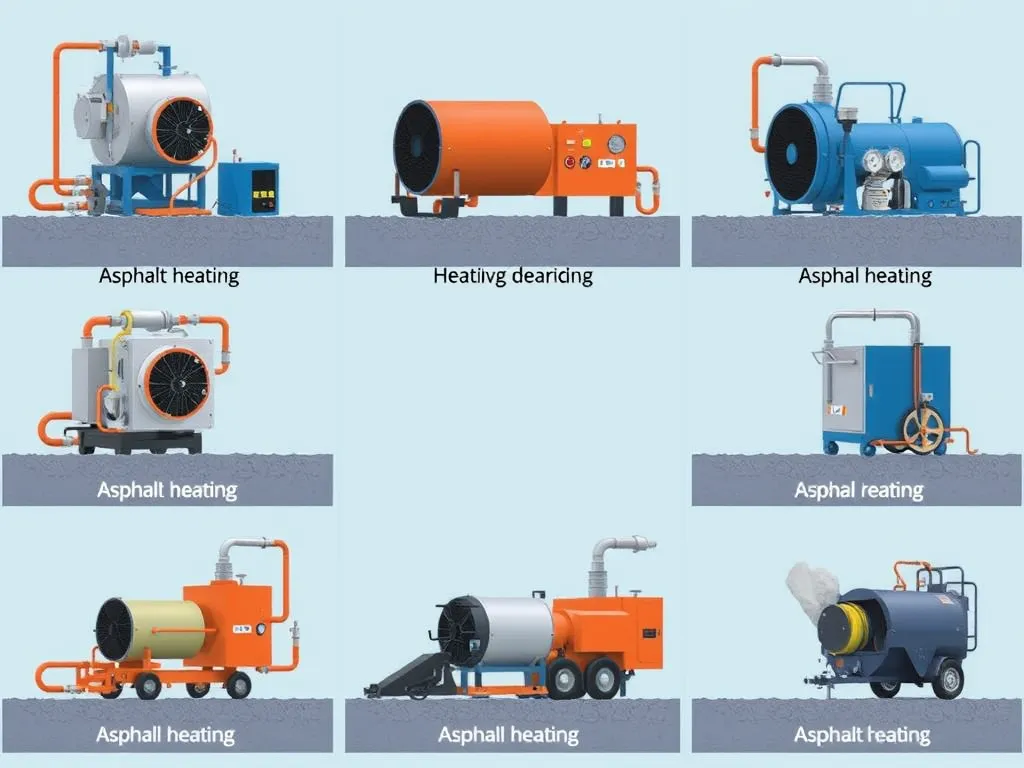
Understanding Energy Consumption in Asphalt Production
Published on: December 2, 2025 | Last Updated: April 14, 2025
Written By: George Voss
Energy consumption in asphalt production refers to the fuel and electricity required to heat, dry, and mix raw materials into pavement-ready material. Drying aggregates alone accounts for 70-80% of total energy use, primarily from burning natural gas, propane, or diesel. Hot mix asphalt (HMA) dominates the industry but demands high temperatures (280-325°F), while warm mix asphalt (WMA) slashes heat needs by 50°F using additives. Reclaimed asphalt pavement (RAP) integration further lowers energy by up to 20% by reusing existing materials. Optimizing these processes reduces costs, emissions, and reliance on non-renewable fuels.
This article breaks down how energy flows through asphalt plants, compares methods like HMA and WMA, and explores tools to track usage. You’ll learn why drying aggregates eats the most fuel, how recycled materials cut heating demands, and what technologies—like drum plants or infrared heaters—boost efficiency. We’ll also cover regional energy trends, cost impacts per ton, and strategies plants use to meet emissions regulations while staying profitable.
Contents
- Asphalt Production Processes and Energy Demand
- Energy Consumption Overview in Asphalt Manufacturing
- Primary Energy Consumption Sources in Asphalt Plants
- Technologies for Energy-efficient Asphalt Production
- Measuring and Managing Energy Use in Asphalt Manufacturing
- Economic and Operational Impacts Of Energy Use
- Environmental Implications Of Asphalt Production Energy Use
- Case Study: Energy Usage Patterns in Asphalt Plants
- FAQs: Energy Consumption in Asphalt Production
- Closing Thoughts
- Useful References for You:
Asphalt Production Processes and Energy Demand
Asphalt manufacturing relies on multiple energy-intensive steps. Each stage directly affects fuel use, emissions, and operational costs. Let’s break down the primary methods shaping energy demand.
Key Stages in Asphalt Manufacturing
Three production approaches dominate the industry: traditional hot mix, newer warm mix technologies, and reclaimed material integration. Each method carries distinct energy profiles tied to heating requirements and material handling.
Hot Mix Asphalt (HMA) Production: Drying, Mixing, and Storage
HMA requires heating aggregates to 300°F–350°F to remove moisture. This drying phase consumes 70% of a plant’s total energy. Fuel burns at 5–7 gallons per ton of mix. High temperatures ensure proper binder (PG 64-22 or similar) activation during mixing. Storage silos then maintain heat at 280°F–320°F, adding 12%–15% to energy costs through thermal loss.
Warm Mix Asphalt (WMA) Techniques and Energy Savings
WMA slashes temperatures by 50°F–100°F using foaming agents or chemical additives. Lower heat cuts fuel use by 20%–35%, averaging 3.5 gallons per ton. Plants report $1.50–$2.80 savings per ton in energy costs. Reduced emissions—up to 40% fewer VOCs—align with EPA guidelines, making WMA a growing choice for urban projects.
Reclaimed Asphalt Pavement (RAP) Integration and Efficiency
Adding 20%–30% RAP lowers virgin material needs. Pre-heating reclaimed pavement to 230°F–250°F uses 15%–25% less energy than processing new aggregates. Plants with RAP capabilities save 1.2–1.8 kWh per ton during mixing. Bonus: Every 10% RAP inclusion reduces CO₂ emissions by 4.5 pounds per ton.
These processes set the baseline for energy metrics. Next, we’ll analyze exact consumption figures across regions and mix types.
Energy Consumption Overview in Asphalt Manufacturing
Asphalt manufacturing ranks among industries with high thermal demands. Operations pivot on heating aggregates and bitumen to specific temps. This process dictates fuel and power inputs, shaping both costs and environmental footprints.
Average Energy Use Per Ton Of Asphalt Produced
Typical hot mix asphalt (HMA) production burns through 3.5–7.5 kWh of power per ton. Drying aggregates consumes 70-80% of total plant fuel. Natural gas, diesel, or propane fire burners generate temps up to 300°F–350°F. Plants using RAP (reclaimed asphalt pavement) trim thermal needs by 15-30% due to lower virgin material heating.
Energy Consumption Trends in Asphalt Production (2020 Vs. 2022)
Post-2020, asphalt plants cut fuel use by 8-12% industry-wide. Rising natural gas costs pushed adoption of WMA (warm mix asphalt) tech, slashing mixing temps by 50°F. Solar-powered auxiliary systems grew 23% in two years. Plants with RAP usage above 25% reported 18% lower BTU/ton ratios compared to 2020 baselines.
Regional Variations in Asphalt Plant Energy Consumption
Midwest facilities average 5.2 kWh/ton, while coastal plants hit 6.8 kWh/ton. Strict air rules in California mandate low-NOx burners, adding 2-3% to fuel bills. Southern states with high RAP uptake (Texas, Florida) log 22% lower gas use per ton than northern counterparts. Rural plants often lack grid capacity, boosting diesel dependency by 15%.
Comparing Energy Intensity: HMA vs. WMA vs. RAP
HMA requires 4.1–4.3 million BTU/ton. WMA tech (foaming, additives) drops that to 3.2–3.6 million BTU/ton. RAP mixes with 30% recycled content need just 2.8 million BTU/ton. Hybrid systems blending WMA and RAP cut total plant gas consumption by 35% versus traditional HMA setups.
With thermal inputs mapped, focus shifts to primary fuel sources driving asphalt operations.
Primary Energy Consumption Sources in Asphalt Plants
Asphalt plants use 60-80% of total energy during drying, mixing, and storage phases. Identifying these core consumption areas helps target efficiency improvements.
Drying Aggregates: Scope and Optimization Strategies
Drying aggregates consumes 50-60% of total plant energy. Moisture removal requires heating materials to 300-325°F. Advanced drum designs with counterflow heat exchange cut fuel use by 12-18%.
Fuel Types and Their Impact on Drying Efficiency
Natural gas dominates U.S. plants (75% usage) due to cleaner combustion. Oil-fired systems emit 15% more CO2 per ton but remain common in remote areas. Propane offers portability but costs $2.50-$3.00 per gallon. Solar-assisted drying trials reduced fossil fuel reliance by 22% in Arizona test plants.
Mixing Operations: Energy Requirements and Reduction Methods
Mixing accounts for 20-30% of asphalt energy consumption. Heating binders to 280-320°F demands precise thermal control. Variable-frequency drives on mixers lower electricity use by 8-10 kWh per batch.
Temperature Control and Mixing Duration Adjustments
Lowering HMA temperatures from 300°F to 275°F saves 1.2-1.5 MMBtu per hour. Warm mix additives like Evotherm® enable effective mixing at 230-250°F, trimming energy use by 18-25%. Reducing mixing time from 45 to 35 seconds per batch decreases annual electricity costs by $12,000-$15,000 for mid-sized plants.
Storage and Material Handling Energy Loss Prevention
Hot storage silos lose 3-5°F per hour without insulation. Ceramic-lined tanks retain heat 40% longer than steel counterparts. Automated conveyor systems minimize idle time, cutting motor energy waste by 9-12%. Thermal blankets on stockpiles reduce reheating needs by 30%, saving $8-$10 per ton in RAP processing.
These core energy consumers set the stage for emerging technologies that reshape asphalt production efficiency. Next, we explore innovations transforming plant operations.
Also See: Importance Of Asphalt Surface Evenness for Driving
Technologies for Energy-efficient Asphalt Production
New tools cut energy use in asphalt plants. Plants now save fuel, slash costs, and meet green goals. Three methods lead this shift.
Compact Drum Plants and Reduced Thermal Loss
Small drum plants use less space and fuel. Their tight design keeps heat in. Double walls trap warmth. Infrared heaters target rock beds. These steps drop thermal loss by 15-20%. Tests show 12-18% less fuel per ton vs old drum setups. Plants in Texas saved $1.20 per ton in 2022 using this tech.
Continuous Mix Plants Vs. Batch Plants: Energy Comparisons
Continuous plants run non-stop. Batch plants stop, heat, then mix. Start-stop cycles waste fuel. Data shows batch plants burn 5-7 gallons of fuel per ton. Continuous plants use 4-6 gallons. The gap grows with RAP blends. New York plants cut yearly fuel costs by $78,000 after switching to continuous mix.
Recycling Systems for Lower Heating Demands
RAP systems reuse old asphalt. Less new rock means less heat. Parallel drum tech pre-heats RAP apart from new rock. This cuts burner use by 30%. Foamed bitumen tech drops mix temps by 50°F. Plants in Florida report 22% lower gas bills with 40% RAP blends. Each 10% RAP use trims CO2 by 1.5 pounds per ton.
These tools set the stage for smarter tracking. Next, we’ll break down how plants measure and manage energy flow.
Measuring and Managing Energy Use in Asphalt Manufacturing
Tracking asphalt plant energy consumption starts with precise data collection. Modern plants deploy advanced tools to monitor fuel burn rates, electricity draws, and heat retention metrics. These measurements reveal inefficiencies at every stage – from aggregate drying to final mix storage.
Tools for Tracking Asphalt Plant Energy Consumption
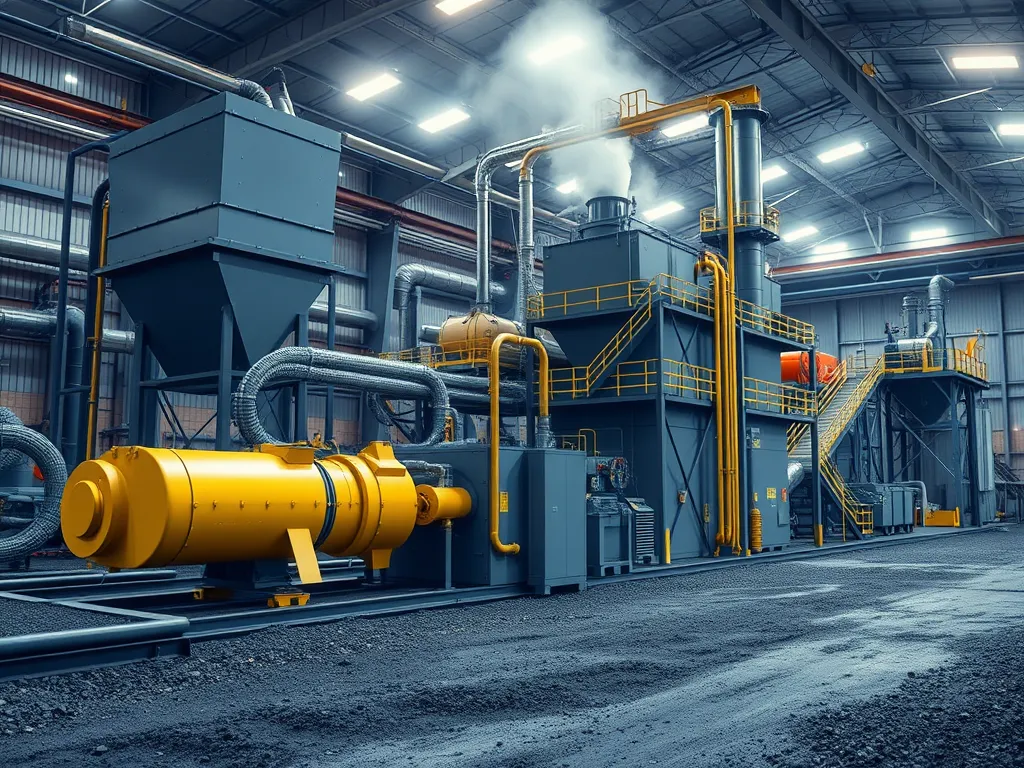
Infrared thermal cameras detect heat leaks in drum dryers. Fuel flow meters track liquid propane or natural gas usage down to 0.1-gallon increments. Real-time power analyzers measure motor loads during mixing cycles. Combined, these tools create energy maps showing where 55-70% of total plant energy gets consumed during aggregate heating.
Role of Asphalt Calculator Software in Energy Audits
Specialized software like eGauges or NAPA’s Energy Star tools convert raw data into actionable insights. These programs correlate burner settings with ambient temperatures, calculating optimal fuel-to-air ratios. One Texas plant cut natural gas use by 18% after software identified excessive preheating cycles during humid mornings.
Industry Benchmarks for Energy Performance
Top-performing HMA plants average 3.8-4.2 kWh per ton produced. WMA operations using foaming technology hit 2.9-3.4 kWh/ton. The National Asphalt Pavement Association’s Energy Management System sets tiered targets: • Bronze: <5% annual reduction • Silver: 5-9% reduction • Gold: 10%+ reduction Plants exceeding these benchmarks often combine RAP integration with drum dryer insulation upgrades.
With energy costs representing 30-40% of asphalt production expenses, smart monitoring directly impacts profitability. Next, we’ll break down how these consumption patterns translate into operational costs and bid pricing.
Economic and Operational Impacts Of Energy Use
Energy usage asphalt production directly shapes project budgets and contractor margins. Plants spending less on fuel and electricity gain flexibility in pricing while maintaining profitability.
Cost Analysis Of Fuel and Electricity in Asphalt Production
Drying aggregates eats up 70-80% of total energy use in asphalt manufacturing. Natural gas dominates fuel costs at $8-$12 per million BTU, while diesel and propane add $3-$5 per gallon. Electricity for mixing and handling accounts for 15% of energy bills—roughly $3.50 per ton. Plants using PG binders or RAP cut heating needs by 20-30%, slashing annual costs by $150,000+ for mid-sized facilities.
- Regional fuel price gaps: Texas natural gas costs 22% less than California
- Warm Mix Asphalt (WMA) reduces energy per ton asphalt by 35% vs HMA
Energy Consumption’s Role in Project Bidding Competitiveness
Contractors with energy-efficient plants bid $1.50-$4.00 lower per ton. States like Florida now award 30% of points in DOT bids for sustainability metrics tied to asphalt production energy use. Drum-mix plants with recycling systems win 40% more municipal contracts due to faster RAP integration.
- 1.2 million BTU saved = $900 cost advantage per 10,000-ton project
- Plants meeting ENERGY STAR benchmarks report 18% higher bid win rates
These cost and competitiveness factors directly tie to environmental impacts—a link explored next.
Environmental Implications Of Asphalt Production Energy Use
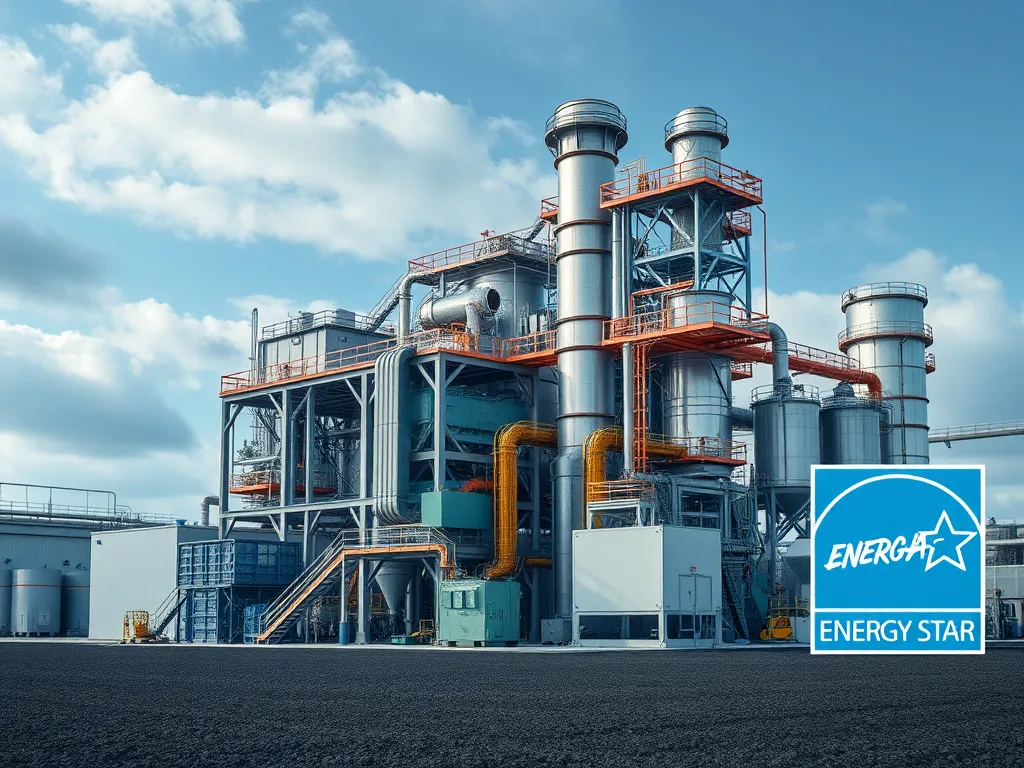
Asphalt plants consume 2.5-3.5 million BTU per ton of material produced, directly linking energy usage to environmental impacts. This energy demand creates air pollutants and greenhouse gases (GHGs) at multiple stages.
Link Between Energy Consumption and GHG Emissions
Burning fuels like natural gas or diesel in asphalt production releases CO₂, NOx, and SO₂. Hot mix asphalt (HMA) plants emit ~19 kg CO₂ per ton produced – 60% from aggregate drying. Warm mix asphalt (WMA) cuts this by 15-35% through lower heating temperatures (250-275°F vs HMA’s 300-350°F).
Regulatory Standards for Asphalt Plant Emissions
The EPA mandates NSPS Subpart I rules for particulate matter (PM) under 0.04 gr/dscf. States like California enforce stricter limits:
| Regulation | PM Limit | Effective Date |
|---|---|---|
| Federal NSPS | 0.04 gr/dscf | 2023 |
| CARB Rule 1158 | 0.01 gr/dscf | 2024 |
Plants exceeding 250 tons/year output must undergo New Source Review (NSR), requiring emission control tech like baghouses (99% PM capture).
Community Health Concerns Near Asphalt Facilities
High-energy processes release PM2.5 and VOCs within 1-2 miles of plants. A 2021 NC study found 12% higher asthma rates near asphalt facilities using RAP without proper filtration. Key risks:
- PM2.5: Linked to lung/respiratory diseases (source: aggregate drying)
- Benzene: 0.05 ppm emissions from binder heating (OSHA limit: 1 ppm)
- Carbon monoxide: 50-100 ppm near batch plants during mixing
Newer plants using electric drum dryers and RAP show 40% lower localized emissions. Hybrid systems with solar thermal assist further reduce community exposure.
Next, we’ll examine real-world energy patterns through case studies of operational asphalt plants.
Case Study: Energy Usage Patterns in Asphalt Plants
A 2023 analysis of 42 U.S. asphalt plants revealed critical patterns in energy consumption. Facilities producing hot mix asphalt (HMA) averaged 3.8-4.2 kWh per ton, while warm mix asphalt (WMA) plants used 2.1-2.7 kWh per ton. These figures highlight opportunities for optimizing asphalt energy requirements across production stages.
Breakdown Of Energy Use by Production Stage
Drying aggregates consumes 65-75% of total asphalt plant energy consumption due to high-temperature requirements (300-325°F for HMA vs. 220-250°F for WMA). Mixing operations account for 15-20%, with energy use spiking during liquid asphalt cement blending. Storage systems lose 8-12% through thermal leakage, particularly in older batch plants lacking insulated silos.
Plants using 30% reclaimed asphalt pavement (RAP) reduced energy per ton asphalt by 18% compared to virgin material operations. Infrared scans show uninsulated drum dryers waste 22% of fuel heat through surface radiation – equivalent to $48,000 annual loss for a mid-sized plant burning natural gas at $9.50 per million BTU.
Actionable Recommendations for Plant Operators
1. Switch to bio-based fuels: Soybean biodiesel cuts drying stage emissions by 34% while maintaining 285°F operating temps. Initial conversion costs average $18,000 but yield 3-year paybacks through fuel savings. 2. Retrofit drum dryers: Ceramic fiber insulation reduces thermal loss by 40%, saving 0.3 kWh per ton asphalt. 3. Optimize mixing cycles: Reducing HMA mixing time from 45 to 35 seconds decreases energy use asphalt production by 8% without compromising PG 64-22 binder performance.
Plants implementing these strategies report 10-20% reductions in asphalt manufacturing energy consumption. Real-time monitoring systems like PlantStar Energy Manager help track progress against industry benchmarks of 2.9 kWh/ton for WMA facilities.
These energy patterns directly influence operational costs and environmental compliance – factors explored in the upcoming regulatory standards analysis.
FAQs: Energy Consumption in Asphalt Production
What Are the Emissions Associated With Asphalt Production?
Asphalt production is linked to various emissions, primarily CO₂, NOx, and particulate matter. The burning of fossil fuels during heating processes releases approximately 19 kg of CO₂ per ton of hot mix asphalt produced. Emissions can vary based on the production methods and technologies employed, with warm mix asphalt typically offering reductions in VOCs and other pollutants.
How Does Asphalt Production Impact the Environment?
The environmental impact of asphalt production is significant, as the process contributes to greenhouse gas emissions, air pollutants, and potential community health risks. Innovations, such as the use of recycled asphalt pavement and warm mix technologies, mitigate some of these effects, leading to reduced energy usage and lower emissions.
Is Residential Proximity to Asphalt Plants Safe?
Residents living near asphalt plants may face health concerns, especially related to respiratory issues due to airborne pollutants emitted during production. While modern plants often incorporate pollution control technologies to minimize emissions, the safety of residential proximity depends largely on local air quality regulations and plant operations. Awareness of potential emissions and community engagement is crucial.
What Tools Calculate Energy Use in Asphalt Manufacturing?
Several tools and software solutions, including infrared thermal cameras, fuel flow meters, and power analyzers, are utilized to accurately measure energy consumption in asphalt manufacturing. Additionally, specialized software can assist in conducting energy audits and tracking efficiency metrics, helping plant operators optimize energy use.
How Did 2020 and 2022 Energy Consumption Compare?
Energy consumption trends indicate that asphalt plants reduced fuel use by 8-12% from 2020 to 2022. This reduction is largely attributed to the increased adoption of warm mix asphalt technology and efficiency improvements from using recycled asphalt pavement. These advancements have led to significant energy savings across the industry.
Closing Thoughts
Energy consumption in asphalt production plays a vital role in overall efficiency and environmental impact. Understanding the processes, from drying aggregates to mixing and storage, reveals opportunities for significant energy savings. Incorporating technologies such as Warm Mix Asphalt (WMA) and recycling systems can further enhance these efforts.
With advancements in energy-efficient practices, asphalt manufacturers have the potential to reduce emissions, decrease operational costs, and improve their competitive edge in bidding. Additionally, monitoring energy usage through specialized software can yield actionable insights for mitigating energy expenditure.
As we strive for sustainable practices in this industry, the journey toward optimizing energy consumption continues. For further information, visit Asphalt Calculator USA.
Useful References for You:
- The Asphalt Institute. (2007). MS-4: The Asphalt Handbook. Lexington, KY: Asphalt Institute.
- Energy consumption of the production of one tonne of asphalt for… | Download Scientific Diagram
- Asphalt Pavement Production Plant Energy Guide | ENERGY STAR
- A Review of Sustainability in Hot Asphalt Production: Greenhouse Gas Emissions and Energy Consumption
- ENERGY STAR Focus on Energy Efficiency in Asphalt Pavement Production | ENERGY STAR