
How Weather Conditions Influence Asphalt Curing Time
Published on: November 30, 2025 | Last Updated: April 14, 2025
Written By: George Voss
Asphalt curing time directly depends on weather conditions during installation, including temperature, humidity, and precipitation. Optimal curing occurs between 70°F and 80°F with low humidity, allowing the liquid asphalt binder to evaporate slowly and bind aggregates properly. Extreme heat above 95°F evaporates binders too fast, creating brittle surfaces, while temperatures below 50°F can stretch curing from 2 days to over 3 weeks. Rain within 24 hours of pouring washes away essential oils, causing cracks or potholes.
This article explains how temperature swings, rain, humidity, and wind speed alter asphalt curing rates. Find data-backed strategies for scheduling paving projects around 5-day forecasts, using cold-weather mixes with PG 58-28 binders, and applying polymer-modified emulsions in humid climates. Get actionable tips for protecting fresh asphalt with insulated tarps or temporary sealants and answers to common curing challenges.
Contents
Understanding Asphalt Curing
Asphalt curing transforms liquid asphalt into a solid, load-bearing surface. This hardening process depends on chemical reactions between aggregates (crushed stone/sand) and bitumen binder. Weather conditions directly control how quickly or effectively these changes occur.
What is Asphalt Curing?
Curing involves two phases: initial setting (24-72 hours) and full strength development (6-12 months). During this time, volatiles evaporate while bitumen binds aggregates. The asphalt curing time weather effects stem from temperature shifts, moisture levels, and air circulation altering these processes.
The Role of Evaporation and Binding in Asphalt Hardening
Heat drives off light oils in bitumen, accelerating evaporation. Ideal temperatures (70-85°F) balance rapid drying with proper bonding. High humidity slows oil evaporation, extending cure times by 30-50% in coastal regions. Wind aids drying but risks uneven hardening at speeds above 15 mph.
Binding relies on oxidation – a chemical reaction where bitumen thickens as it interacts with oxygen. Cold weather (<50°F) stalls oxidation, requiring cold-weather asphalt mixes with lower viscosity grades like PG 58-28. Rainwater infiltration during curing weakens bonds, creating potholes or raveling.
These chemical and physical reactions set the stage for exploring how specific weather factors directly impact curing timelines.
With evaporation and oxidation as the foundation, let’s examine how temperature extremes, moisture, and wind speed dictate real-world curing schedules.
Key Weather Factors Affecting Asphalt Curing Time
Weather patterns dictate how quickly asphalt reaches full strength. Temperature, humidity, rain, wind, and cold each alter chemical processes during curing. Contractors monitor these variables to ensure lasting pavement.
Temperature Effects on Asphalt Curing
Heat directly impacts bitumen viscosity and aggregate bonding. Ideal temperatures ensure even hardening, while extremes create weaknesses.
Best Temperature Range for Asphalt Curing
Asphalt cures fastest between 70°F and 85°F. Performance-grade (PG) binders—engineered for thermal stability—maintain workability in this zone. Below 50°F, binders stiffen prematurely, risking incomplete compaction. Above 90°F, rapid surface cooling traps soft layers beneath.
How Extreme Heat Accelerates or Disrupts Curing
At 95°F+, asphalt loses 2-3% moisture per hour through flash evaporation. This creates brittle surfaces prone to raveling. Nighttime temperature drops below 60°F worsen thermal stress, causing shrinkage cracks. Infrared thermometers help crews track pavement temps, adjusting rolling schedules to prevent damage.
Humidity and Moisture Impact
Water vapor slows solvent evaporation, delaying binder activation. Relative humidity above 70% adds 12-24 hours to curing timelines in summer.
Why High Humidity Prolongs Asphalt Drying
Humid air (≥80% RH) reduces evaporation rates by 40% compared to arid conditions. Moisture-saturated atmospheres prevent bitumen from shedding light oils needed for binding. Hygrometers guide crews to pause work when RH exceeds 90%, common in coastal or rainy regions.
Managing Moisture During Curing
Dehumidifiers lower ambient RH by 15-20% in enclosed areas. For driveways, applying cationic emulsifiers repels surface water, cutting cure time by 30%. Avoid morning pours when dew points peak—schedule asphalt placement after 10 AM when humidity dips.
Rainfall and Wet Conditions
Water infiltration before curing weakens asphalt’s structural integrity. Even 0.1” rain within 6 hours of paving can reduce load-bearing capacity by 50%.
Risks of Rain on Fresh Asphalt
Rainwater creates steam pockets under hot asphalt layers (140-160°F), leading to fissures. Hydroplaning during compaction leaves air voids exceeding 8%—beyond ASTM D7064 standards. Seal failures from early storms increase pothole risks within 6 months.
How Long Asphalt Needs to Dry Before Rain
Fresh pavement requires 4-6 hours to resist light drizzle. For heavy downpours, wait 48 hours. If storms threaten, deploy polyethylene tarps (6 mil thickness) anchored 10 feet beyond edges. Check NOAA precipitation forecasts—delay pours if >20% rain probability exists within 8 hours.
Wind Influence on Curing
Breezes aid curing; gusts hinder it. Wind speeds above 20 mph demand countermeasures.
Balancing Wind Speed for Evaporation
Moderate wind (10-15 mph) boosts evaporation rates by 25%, ideal for thin lifts. Above 20 mph, crosswinds cool asphalt unevenly—temperature differentials exceed 15°F across the mat, causing warping. Erect temporary windbreaks or schedule pours during calm periods (5-8 mph).
Cold Weather Challenges
Sub-50°F temperatures demand specialized mixes. Standard asphalt loses 1.5% density per 10°F drop below 60°F.
Lowest Temperature Limits for Proper Curing
PG 58-28 binders allow paving down to 40°F but require heated screeds (260-300°F) to maintain mix temps. Below 35°F, thermal segregation occurs—aggregates cool faster than binder, creating weak spots. Infrared curing blankets retain heat, adding 2-3 hours of workable time in frost conditions.
Mastering these weather factors sets the stage for exploring proactive strategies to enhance curing outcomes in unpredictable conditions.
Optimizing Asphalt Curing in Variable Weather
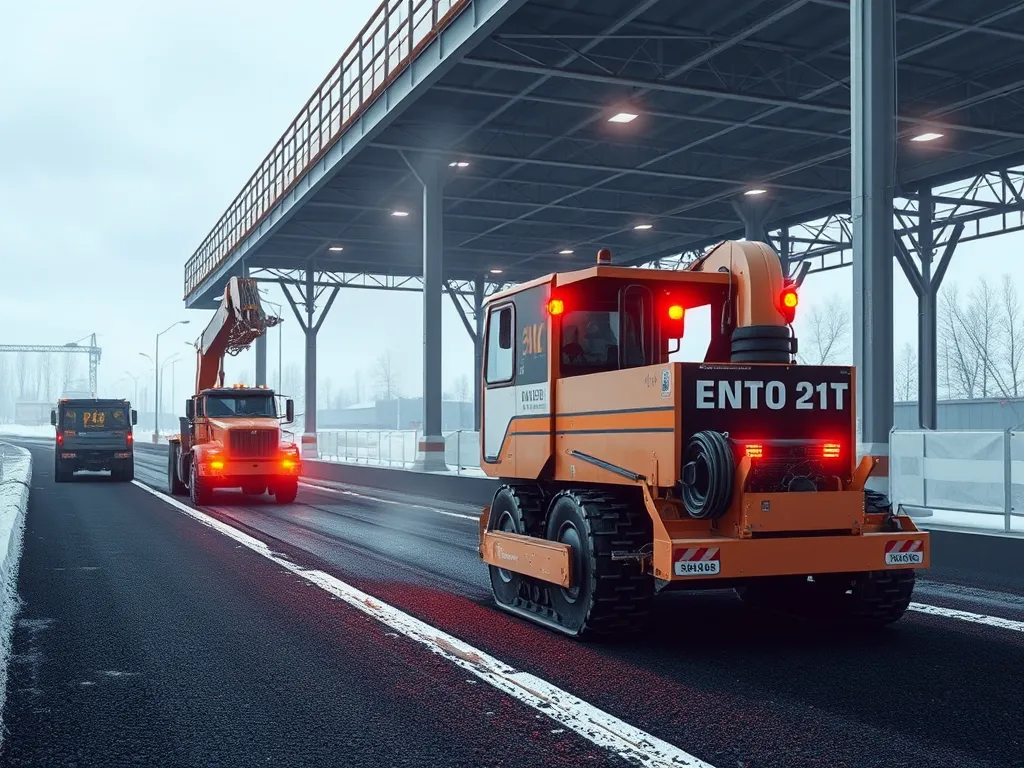
Weather shifts can disrupt asphalt curing timelines. Strategic planning and material science help contractors counter these challenges.
Timing Asphalt Installation With Weather Forecasts
Check 72-hour forecasts before paving. Aim for 50-85°F surface temperatures – the sweet spot for curing. Avoid rain within 48 hours of installation. Use infrared thermometers to verify ground temps. Nighttime lows below 40°F? Postpone work. High humidity above 80%? Expect 30% longer cure times.
Protective Measures Against Adverse Conditions
Sudden storms demand quick action. Untreated asphalt remains vulnerable for 8-12 hours post-application.
Using Tarps or Temporary Coatings
Heavy-duty tarps block 95% of rainwater when secured properly. Leave 6″ air gaps to permit vapor escape. Temporary bitumen-based coatings create water-resistant skins, cutting curing delays by 4-6 hours. Remove protectors once ambient humidity drops below 65%.
Material Adjustments for Weather Resilience
Mix designs combat weather extremes. PG (Performance Graded) binders adapt to temperature swings. Additives modify cure chemistry.
Cold-Weather Asphalt Mixes
PG 58-28 binders flow at 28°F, enabling winter paving. Warm-mix asphalt technologies lower application temps by 50°F. RAP (Recycled Asphalt Pavement) percentages above 20% improve cold-weather bonding.
Additives to Mitigate Humidity Effects
Liquid anti-stripping agents (1-2% by weight) repel moisture in humid climates. Polymer modifiers like SBS (Styrene-Butadiene-Styrene) strengthen binder cohesion during damp curing. Silica fume additives reduce cure time by 18% at 70% relative humidity.
These weather adaptations influence more than schedules – they shape regional paving practices. Next, we examine how climate patterns dictate material choices and environmental safeguards.
Also See: Acoustic Properties Of Porous Asphalt: Noise Reduction
Environmental Considerations in Asphalt Curing
Pavement longevity depends on managing curing under shifting weather patterns. Coastal fog, desert heat, or mountain frost each demand tailored strategies to ensure structural integrity.
Impact Of Seasonal Temperature Extremes
Regions with summer highs over 95°F face rapid binder evaporation, triggering surface cracks within hours. Winter lows under 50°F delay molecular bonding, requiring 2-3x longer curing periods. Spring/fall temp swings exceeding 35°F daily cause thermal contraction cracks, reducing pavement life by up to 40%.
Contractors combat extremes using PG 64-22 binders in heat or PG 58-34 grades in cold. Infrared thermography monitors surface temps, ensuring compaction stays between 275°F-300°F. Night paving gains traction in deserts, leveraging cooler temps for controlled curing.
Humidity Management in Coastal Regions
Coastal zones with 80%+ humidity trap moisture in fresh mixes, extending cure times by 50%. Prolonged exposure risks stripping—water severs bonds between bitumen and stone. Modified mixes with 1.5-3% hydrated lime or liquid anti-strip agents combat this.
Dew point tracking dictates paving schedules: work stops when pavement temps fall within 5°F of dew points. Warm-mix tech lowers production temps from 300°F to 250°F, cutting moisture absorption by 30% in humid climates.
These variables underscore why precise weather tracking remains vital—leading to frequent queries about optimizing timelines.

Frequently Asked Questions (FAQs)
Does Asphalt Cure Faster in Hot or Cold Weather?
Asphalt typically cures faster in hot weather, ideally between 70°F and 85°F. Extremes in temperature, especially high heat, can lead to faster evaporation, creating brittleness. Cold weather slows the curing process significantly, often causing delays.
How Long Before Driving on a New Asphalt Driveway?
Generally, it is recommended to wait at least 24 to 48 hours before driving on a new asphalt driveway. However, this may vary depending on the weather conditions during the curing period. Always consult with your contractor for specific recommendations based on local conditions.
Does Humidity Affect Asphalt Cure Time?
Yes, high humidity levels can prolong the curing time of asphalt. Humid air slows the evaporation of solvents in the asphalt, which can add 12 to 24 hours to the curing process compared to drier conditions.
Can Rain Help New Asphalt Cure?
No, rain can be detrimental to new asphalt. It can weaken the asphalt’s structural integrity by washing away essential oils, leading to potential cracks or potholes. It is crucial to ensure that asphalt is adequately cured and dried before any rain is expected.
How Can I Speed Up Asphalt Curing in Cold Weather?
To speed up asphalt curing in cold weather, consider using cold-weather asphalt mixes that are designed to maintain workability at lower temperatures. Employing infrared heaters or curing blankets can also help retain heat and moisture for effective curing.
Closing Thoughts
Weather greatly influences asphalt curing time, affecting everything from temperature to humidity. Proper understanding of these conditions is vital for achieving durable pavement. Warm temperatures can speed up curing, while excessive heat or cold can hinder it. Humidity levels also play a critical role, with high moisture delaying drying times. Rain poses an additional concern, requiring careful planning before installation.
To optimize asphalt curing, consider weather forecasts and employ protective measures. Using tarps or temporary coatings can shield fresh asphalt from unpredictable conditions. Additionally, utilizing cold-weather mixes and moisture-resistant additives can enhance performance in challenging climates.
Whether you’re laying a driveway or constructing a roadway, understanding these weather-related effects ensures quality work and longevity of the pavement. For more information on asphalt practices, be sure to visit Asphalt Calculator USA.

