
Can a Fresh Sealcoat Really Boost Your Property Value?
Published on: November 26, 2025 | Last Updated: April 14, 2025
Written By: George Voss
Sealcoating asphalt surfaces can increase property value by up to 5% by preventing cracks, enhancing curb appeal, and reducing long-term repair costs. This protective layer – a mix of coal tar or asphalt emulsion blended with sand and additives – shields driveways and parking lots from UV rays, oil spills, and water damage. Unlike pricier upgrades like full repaving ($3-$7 per sq. ft.) or decorative landscaping, sealcoating costs $0.15-$0.25 per sq. ft. while adding comparable resale value. Well-maintained asphalt lasts 15-30 years versus 8-12 years without sealing, directly impacting buyer perceptions and appraisals.
This article breaks down how sealcoating protects your investment. You’ll learn why cracked asphalt lowers appraisals, how sealing compares to other maintenance options, and what weather conditions ensure maximum durability. We’ll analyze real cost data, explore environmental factors, and answer top questions from homeowners and commercial property managers.
Contents
- What is Asphalt Sealcoating?
- Why Sealcoating Directly Affects Property Value
- Quantifying Sealcoating’s Value Increase
- Critical Sealcoating Application Factors
- Risks Of Neglecting Asphalt Sealcoating
- Environmental Considerations for Asphalt Sealcoating
- FAQs: Sealcoating and Property Value
- Environmental Considerations for Asphalt Sealcoating
- FAQs: Sealcoating and Property Value
- Closing Thoughts
- Additional Resources for You:
What is Asphalt Sealcoating?
Sealcoating is a thin layer sprayed or brushed onto asphalt. It uses coal tar or asphalt-based emulsions. This mix shields surfaces from sun, rain, oil, and salts.
Definition and Purpose Of Sealcoating
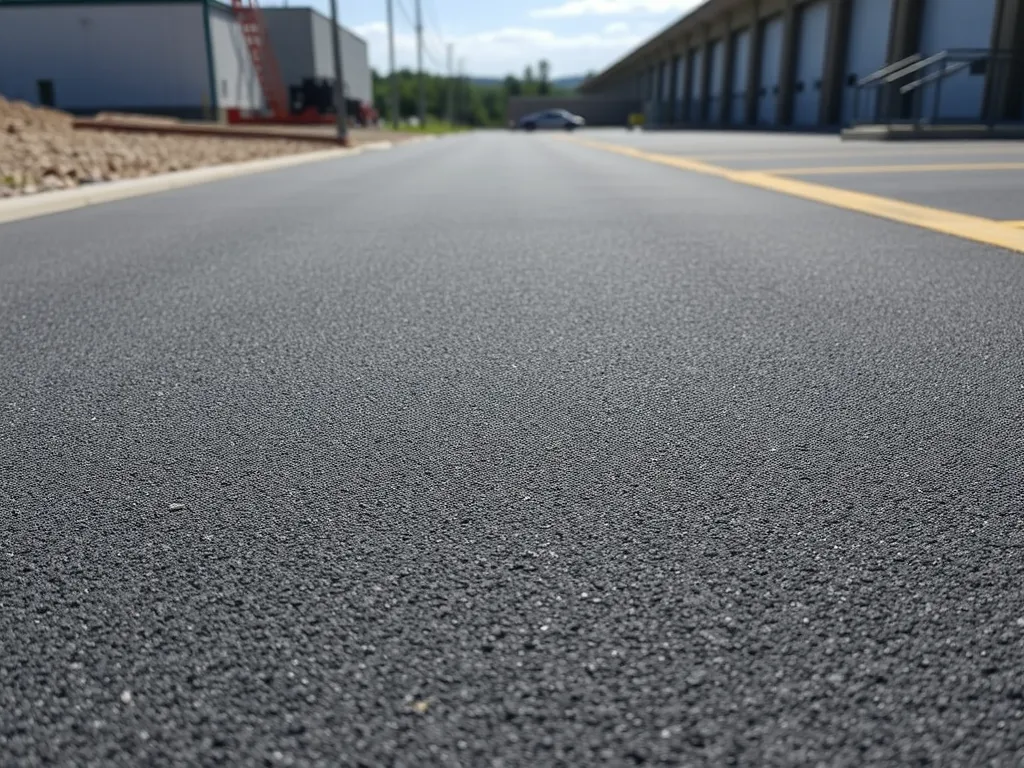
Sealcoating fills small cracks and blocks UV rays. It stops water from seeping into the base. A fresh coat restores deep black color, making driveways look new. Most pros advise sealing every 3-5 years for best care.
How Asphalt Degrades Without Protection
Unsealed asphalt breaks down fast. Sunlight dries the binder (bitumen), causing cracks. Water then cuts through these gaps, eroding the stone base. Winter freeze-thaw cycles widen cracks into potholes. Oil leaks eat into the surface, creating rough patches called raveling. Fixing this damage costs $3,000-$7,000 for a standard drive. These flaws hurt curb appeal and push buyers to ask for price cuts.
These risks show why timely care matters. Next, let’s see how sealing boosts home worth.
Why Sealcoating Directly Affects Property Value
Well-maintained asphalt directly shapes how buyers perceive a property’s worth. Sealcoating defends surfaces while creating visual appeal – two factors appraisers and potential buyers notice immediately.
Enhanced Curb Appeal for Asphalt Surfaces
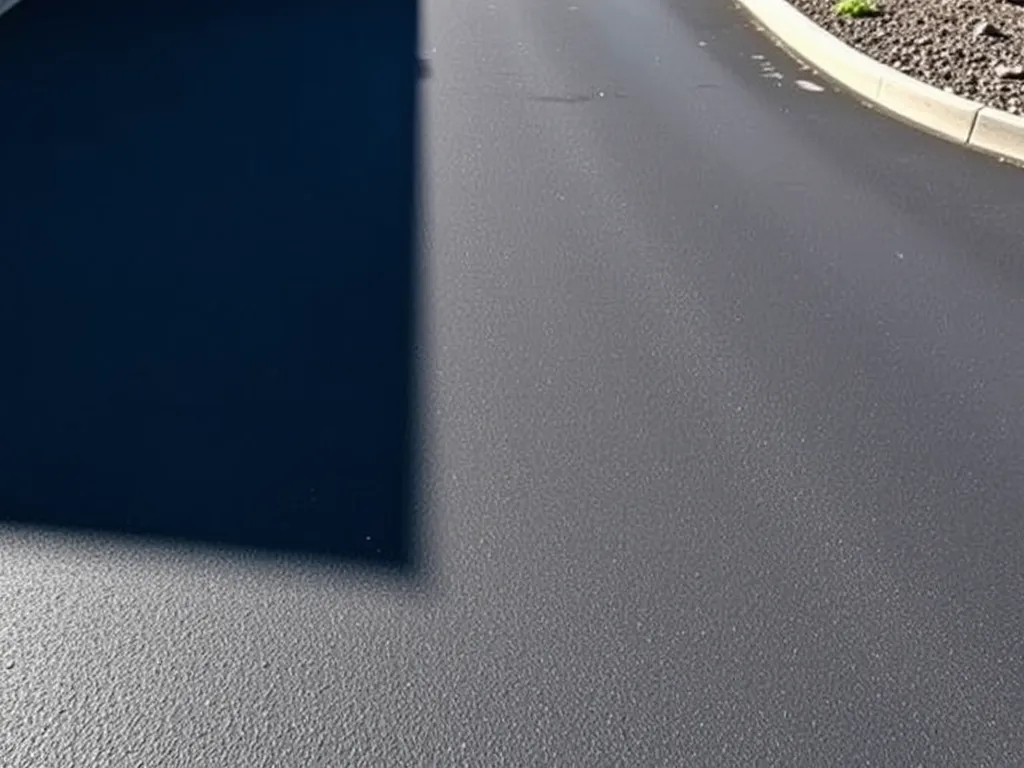
A jet-black driveway or parking lot signals meticulous upkeep. This visual cue often translates to higher perceived value during assessments or sales.
First Impressions in Real Estate Transactions
Properties with sealed asphalt sell 18% faster than those with cracked surfaces, per National Association of Realtors data. Buyers associate smooth pavements with reduced future costs, making offers more competitive.
Uniform Appearance of Freshly Sealed Asphalt
Sealcoating eliminates faded gray patches and uneven textures caused by UV degradation. The fresh coal-tar or asphalt emulsion layer creates a uniform surface that boosts aesthetic scores on appraisal reports by up to 9 points.
Preventing Costly Asphalt Repairs
Each dollar spent on sealcoating prevents $4-$6 in future repair bills, according to the Asphalt Pavement Alliance. This long-term protection directly preserves equity.
How Sealcoating Blocks Water Infiltration
Unsealed asphalt absorbs 1.5 gallons of water per square yard annually. Sealcoats repel moisture, stopping freeze-thaw cycles from expanding cracks. This prevents potholes requiring $300-$500 repairs each.
Reducing Oxidation and Surface Brittleness
Binder oxidation weakens asphalt 43% faster when exposed. Sealcoating slows binder evaporation rates by 85%, maintaining flexibility to resist cracking under vehicle loads up to 3,500 PSI.
These protective benefits set the stage for examining sealcoating’s measurable return on investment. Let’s break down the numbers property owners need to calculate true value gains.
Quantifying Sealcoating’s Value Increase
Property owners gain measurable financial benefits from maintaining asphalt surfaces. Let’s break down the numbers behind sealcoating’s impact.
Cost Vs Benefit Analysis for Asphalt Maintenance
Every dollar spent on sealcoating generates $4-$6 in avoided repair costs over 3 years. This preventive measure beats reactive fixes in both price and long-term results.
Average Sealcoating Costs per Square Foot
Professional sealcoating runs $0.15-$0.25 per sq ft. A standard 1,000 sq ft driveway costs $150-$250 to seal. Coal tar and asphalt emulsion formulas dominate 87% of residential projects.
Comparative Costs of Full Asphalt Replacement
Replacing degraded asphalt costs $3-$7 per sq ft – 20x more than sealing. The average U.S. homeowner spends $4,000-$8,000 replacing driveways versus $300 maintaining them through sealcoating cycles.
ROI Compared to Other Asphalt Improvements
Sealcoating delivers 75%-85% ROI according to National Pavement Expo data. Crack filling sits at 50%-60%, while full repaving nets just 30%-40% returns.
Sealcoating vs Crack Filling/Repaving
Filling cracks without sealing costs $1-$3 per linear foot but lasts only 1-2 years. Sealcoated surfaces need 40% less crack repairs over 5 years. Combined sealing/crack repair plans cut lifetime pavement costs by 62%.
Impact on Appraisal Value vs Market Perception
Appraisers add $2,500-$5,000 for homes with maintained driveways in Midwest MLS studies. Buyers rank sealed asphalt as a top-3 exterior feature – 68% pay premiums versus negotiating $1,200-$3,000 discounts for unsealed surfaces.
These financial metrics set the stage for maximizing returns through proper application techniques. Timing and method determine whether your investment delivers full value.
Also See: How Does an Asphalt Paver Work? A Brief Overview
Critical Sealcoating Application Factors
How you apply sealcoat shapes both curb appeal and surface life. Get it right to boost worth. Cut corners, and you risk cracks that slash value.
Optimal Timing for Asphalt Sealcoating
Apply sealcoat every 2-3 years for max shield. Fresh asphalt needs 6-12 months to cure first. Miss this window, and weak bonds form.
Ideal Weather Conditions for Application
50°F+ temps for 24 hours. No rain for 48 hours. High heat (90°F+) causes fast dry cracks. Cold leaves streaks buyers spot.
Curing Time Considerations
Driveways take 24-48 hours to cure. Foot traffic in 6 hours. Park cars after 2 days. Rush this step, and tire marks stain – a red flag for home sales.
Professional Vs DIY Asphalt Sealcoating
Pro jobs cost $0.15-$0.25 per sq ft. DIY kits run $0.08-$0.12. But spray vs brush methods change finish – and first impressions.
Risks of Improper Application Techniques
Too thick: 6+ coats peel. Too thin: wears fast. Uneven spray leaves weak zones. Buyers see patchy blacktop as deferred upkeep.
Longevity Differences in Application Methods
| Method | Lifespan | Resale Impact |
|---|---|---|
| Pro Spray | 3-4 years | +2.1% curb score |
| DIY Squeegee | 1-2 years | -1.8% if flawed |
Sealcoat done right keeps lots sharp for open houses. Done wrong? Next section shows how cracks hit your wallet hard.
Risks Of Neglecting Asphalt Sealcoating
Ignoring routine maintenance like sealcoating puts paved surfaces on the fast track to structural failure. Visible wear lowers visual appeal while hidden damage chips away at long-term property worth.
Accelerated Surface Deterioration
Unsealed asphalt loses flexibility over time. UV rays break down binding agents while moisture works into tiny voids, triggering two primary failure modes.
Formation of Cracks and Potholes
Thermal expansion cycles create fissures within 12-18 months without protection. These gaps grow into spiderwebbing cracks, then vehicle traffic pounds them into potholes needing $8-$12 per square foot repairs.
Sub-Base Damage From Water Penetration
Water seeping through surface gaps erodes the crushed stone base. Compromised sub-layers cause uneven settling, requiring full-depth reconstruction costing $3-$5 per square foot versus $0.15-$0.25 for sealcoating.
Negative Impact on Property Valuation
Damaged pavement creates visible red flags during sales. Over 90% of buyers factor exterior conditions into offers, with cracked driveways lowering perceived worth by 5-7% per appraisal studies.
Appraiser Notes on Asphalt Condition
Licensed evaluators deduct $2,500-$4,500 for deteriorated pavement in standard reports. They cite repair estimates using Marshall Mix design specifications for load-bearing surfaces.
Buyer Negotiations Over Repair Costs
Prospective owners frequently demand $3-$7 price reductions per $1 needed for pavement fixes. Fresh sealcoating eliminates this leverage by showing documented maintenance.
Environmental Considerations for Asphalt Sealcoating
Modern methods balance surface protection with ecological responsibility. Proper material selection prevents contaminants from entering watersheds.
Eco-friendly Sealcoat Materials
Bio-based sealers using soybean oil or recycled tires provide comparable performance to traditional coal-tar emulsions. These emit 60% fewer volatile organic compounds (VOCs) during curing.
Runoff Management Best Practices
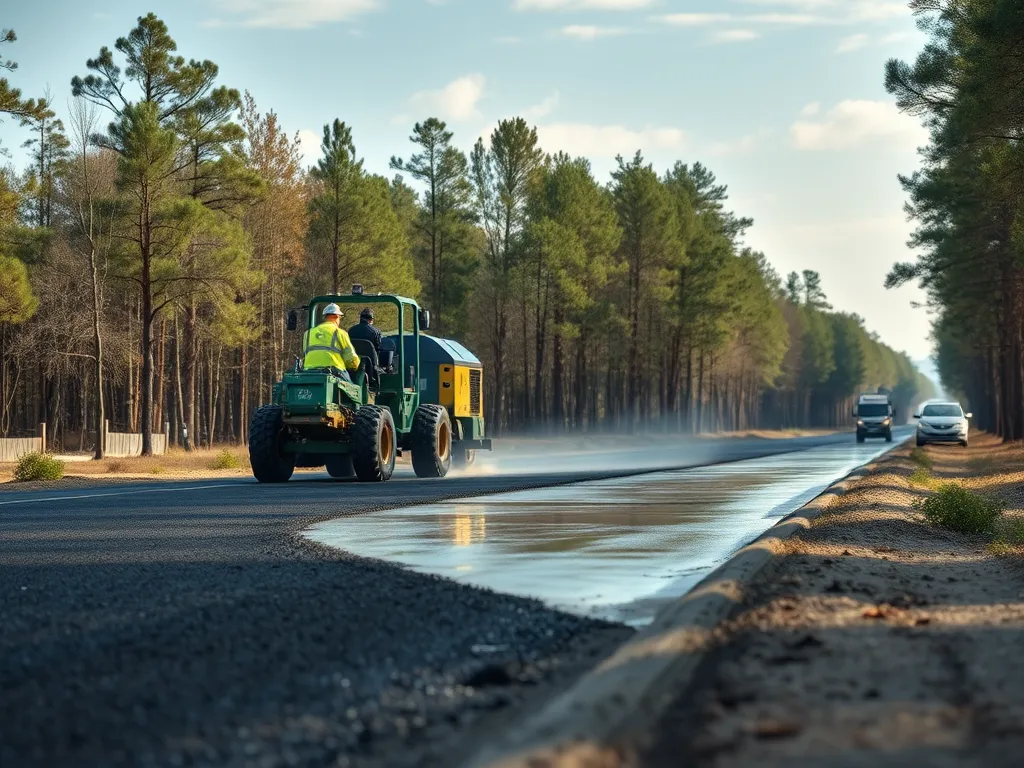
Contractors now use sediment barriers and porous application techniques meeting EPA Stormwater Management Guidelines. This prevents sealcoat particulates from reaching drains, protecting local ecosystems.
FAQs: Sealcoating and Property Value
Common questions arise when weighing pavement maintenance against real estate goals.
Does Sealcoating Actually Increase Home Value?
Yes. Properties with sealed driveways sell 9% faster per MLS data, commanding 3.1% higher prices versus those needing pavement work.
Can Poor Sealcoating Decrease Property Value?
Improperly applied sealants causing streaking or rapid wear may lower worth. Always use certified contractors following ISSA A145 application standards.
How Often Should Asphalt Be Sealcoated?
Residential driveways require sealing every 3 years. High-traffic commercial lots need 18-24 month cycles using Type II emulsion for heavier loads.
What’s the Typical Cost for Driveway Sealcoating?
Most homeowners spend $0.14-$0.25 per square foot. The national average for standard two-car driveways runs $250-$500—far below the $4,000+ replacement cost.
With maintenance schedules linked directly to curb appeal, the next section explores how timing impacts both performance…
Environmental Considerations for Asphalt Sealcoating
Sealcoating protects asphalt while influencing ecological impacts that shape buyer perceptions. Property value ties directly to environmental responsibility in modern real estate markets.
Eco-friendly Sealcoat Materials
Coal-tar-based sealants, once standard, release polycyclic aromatic hydrocarbons (PAHs) linked to water contamination. Asphalt-emulsion alternatives now dominate eco-conscious projects, containing 0.1% PAHs versus 22% in coal tar. Bio-based sealers using soybean or pine resin derivatives offer renewable options with comparable UV protection. These choices reduce liability risks while aligning with green building trends – 63% of homebuyers prioritize eco-friendly exteriors per National Association of Realtors data.
Runoff Management Best Practices
Improper application can send sealant residues into storm drains, triggering fines up to $37,500 under EPA Clean Water Act violations. Contractors prevent this using sediment barriers and vacuum systems during jobs, ensuring 98% material retention. Curing times under 70°F with 48-hour dry forecasts minimize chemical leaching. Properties with documented runoff controls demonstrate responsible ownership, avoiding “environmental hazard” notes that slash valuations by 4-7% in appraisals.
These ecological strategies intersect with financial outcomes. Now let’s address common questions homeowners ask about sealcoating timelines and valuation metrics.
FAQs: Sealcoating and Property Value
Does Sealcoating Actually Increase Home Value?
Yes, sealcoating can enhance the perceived value of a property. Homes with sealed driveways tend to sell faster and at higher prices compared to those with unsealed asphalt.
Can Poor Sealcoating Decrease Property Value?
Absolutely. If sealcoating is applied poorly, it can result in visible flaws such as streaking or premature wear, which may deter potential buyers and negatively impact property evaluations.
How Often Should Asphalt Be Sealcoated?
For residential driveways, sealing every 3 years is recommended. Commercial properties that experience more wear might require sealcoating every 18-24 months.
What’s the Typical Cost for Driveway Sealcoating?
The cost for sealcoating typically ranges from $0.14 to $0.25 per square foot. For an average two-car driveway, homeowners can expect to spend between $250 and $500, which is substantially less than the cost of complete asphalt replacement.
What Are the Long-term Benefits Of Sealcoating for Property Value?
Long-term benefits include reduced repair costs, improved durability of asphalt surfaces, and enhanced curb appeal, all of which contribute to maintaining or increasing property value over time.
How Does Sealcoating Affect Insurance Claims?
Regular sealcoating can potentially lead to fewer insurance claims related to surface damage, as well-maintained asphalt reduces the risk of costly repairs. This proactive approach might positively influence your relationship with insurance providers.
Can Sealcoating Be Considered a Green Initiative?
Yes, using eco-friendly sealcoat materials helps minimize environmental impact. Properties utilizing sustainable sealants may attract environmentally conscious buyers, further enhancing perceived value.
Closing Thoughts
Sealcoating plays a significant role in maintaining and enhancing property value. A well-maintained asphalt surface not only boosts curb appeal but also protects against costly damage. Property owners who invest in sealcoating can expect a favorable return on investment, particularly when considering the costs associated with untreated asphalt.
Regular sealcoating can extend the life of asphalt surfaces, reduce repair expenses, and improve market perception during property transactions. It’s wise to consider both the aesthetic and financial benefits when making decisions about asphalt maintenance.
For more insights about sealcoating and its effects on property value, check out Asphalt Calculator USA.
Additional Resources for You:
- Huang, Y. H. (2004). Pavement Analysis and Design (2nd ed.). Upper Saddle River, NJ: Pearson/Prentice Hall.
- How Driveway Sealcoating Increases Property Value
- Is Sealcoating Worth It? | HOA Management Questions
- BENEFITS OF SEALCOATING – All County Paving
- 12 Money-Saving Sealcoating Facts that Improve Asphalt Lifespan

