Effective Sealcoating Techniques for Durability
Published on: November 27, 2025 | Last Updated: April 14, 2025
Written By: George Voss
Effective sealcoating techniques for durability involve applying a protective asphalt layer using methods that maximize surface lifespan. Unlike basic sealing, these methods focus on proper surface prep, precise application, and controlled curing to shield against UV rays, water, and chemicals. When done right, a quality sealcoat can extend pavement life by 2-3 years. DIYers can achieve professional results by selecting high-grade sealants, timing applications during 70-80°F weather, and using squeegees or sprayers for even coverage.
This guide covers material selection tips, surface preparation steps, spray vs. roller application methods, and curing best practices. Learn how to repair cracks before sealing, choose between coal tar and asphalt-based products, and maintain sealed surfaces for 3+ years of protection. We’ll break down cost comparisons, eco-friendly options, and answers to common questions about long-lasting results.
Contents
- Understanding Sealcoating and Its Importance
- Choosing the Right Sealcoating Materials
- Preparing Asphalt for Sealcoating
- Sealcoating Application Techniques for Maximum Durability
- Essential Tools for Effective Sealcoating
- Curing and Drying Processes
- Maintaining Sealcoated Surfaces
- Cost Considerations for Durable Sealcoating
- Environmental and Safety Best Practices
- Frequently Asked Questions
- Closing Thoughts
- Additional Resources for You:
Understanding Sealcoating and Its Importance
Sealcoating shields pavement surfaces from wear while boosting visual appeal. This process involves putting on protective layers using specialized mixtures, forming barriers against weather, chemicals, and traffic.
What is Sealcoating?
Sealcoating uses coal tar or emulsion-based mixtures blended with sand, polymers, or other enhancers. These components bond to form flexible shields over pavement. Common options include polymer-modified sealants (enhanced with plastics for elasticity) and refined coal tar (known for resisting oil). Contractors typically apply it via spray systems or squeegees, ensuring even coverage.
- Base Materials: Coal tar, petroleum-based emulsions
- Enhancers: Silica sand, polymer fibers, slip-resistant additives
- Coverage: 1 gallon covers 80-100 sq ft, depending on porosity
Benefits Of Sealcoating for Pavement Longevity
Regular sealcoating extends pavement life by 5-7 years by blocking UV rays, stopping water penetration, and resisting oil spills. Untreated surfaces lose flexibility over time, leading to cracks up to 1/4″ wide yearly. Properly sealed lots show 50% less cracking versus unsealed ones.
- UV Protection: Blocks oxidation, preserving binder integrity
- Water Resistance: Reduces freeze-thaw damage by 70%
- Cost Efficiency: Saves $0.15-$0.25 per sq ft in long-term upkeep
- Surface Renewal: Restores dark color, improving heat absorption
Properly shielding pavement requires not just technique but selecting the right products. Let’s explore how material choices impact performance.
Choosing the Right Sealcoating Materials
Pick the best sealcoating stuff to keep your asphalt safe. Good picks block water, sun rays, and car fluids. This keeps cracks away and adds years to your pavement.
Types Of Asphalt Sealants
Three main types work for driveways and lots: coal tar, asphalt-based, and acrylic. Coal tar costs $0.15-$0.25 per sq.ft. and fights oil spills well. Asphalt-based sealers (like SS-1 or CSS-1) blend with old pavement for a smooth coat. Acrylic costs more ($0.30-$0.50 per sq.ft.) but gives a shiny finish that lasts 5+ years.
Selecting Durable Sealcoat Products
Check the label for solids content—35-45% is best. More solids mean less water and a thicker shield. Pick sealers with sand or polymers to stop tire marks. Brands like GemSeal or SealMaster add latex to stick better and flex in hot/cold temps.
| Product Type | Solids % | Key Features | Best Use |
|---|---|---|---|
| Coal Tar | 40-45% | Oil-proof, fast dry | Gas stations |
| Asphalt Emulsion | 35-40% | Easy to apply | Driveways |
| Acrylic | 30-35% | UV-safe | Hot climates |
Once you pick the right mix, the next step is getting the asphalt ready for the sealant. Clean surfaces and fix cracks first to lock in the coat.
Preparing Asphalt for Sealcoating
Good prep sets the base for sealcoating that lasts. Skip this step, and the sealcoat may fail fast.
Cleaning and Degreasing Surfaces
Start with a clean slate. Remove leaves, dirt, and oil spots. Use a stiff brush or pressure washer. For oil stains, apply a degreaser. Let it sit, then scrub. Rinse well. Dry the surface fully. Moisture stops the sealcoat from sticking right.
Repairing Cracks and Potholes
Fix flaws before sealing. Cracks let water seep in. Potholes break down fast under stress. Sealcoating won’t hide these issues – fix them first.
Proper Crack Filling Techniques
Clean cracks with air or a wire brush. Pour hot rubber filler into dry gaps. Overfill slightly, then level. Let cure for 2-4 hours. This bonds tight and blocks water.
Patching Methods for Long-Lasting Results
Cut edges of potholes square. Remove loose bits. Fill with cold mix asphalt. Pack down in layers. Top with a tamper. Add 1-2 inches above the surface. Compact again. This stops sinking and keeps patches firm.
A smooth, fixed base lets sealcoat layers bond strong. Next up: how to apply the sealant for max strength and life.
Also See: Why Choose Asphalt for Public Infrastructure Projects
Sealcoating Application Techniques for Maximum Durability
Applying sealcoat correctly makes the difference between surfaces lasting 2 years or 5+. Focus on method, thickness, and environmental factors for best results.
Spray Vs. Roller Application Methods
Contractors debate spray systems versus roller systems. Each affects cure time, material use, and surface resilience.
Pros and Cons of Spray Sealcoating
- Speed: Covers 10,000 sq ft/hour vs. 3,000 sq ft/hour with rollers
- Uniformity: Works well on textured or pitted asphalt
- Risks: Overspray wastes 5-8% material; requires $8,000+ spray rigs
Advantages of Roller-Based Techniques
- Precision: Achieves 18-22 mil thickness consistently
- Cost: $150 squeegee kits suffice for driveways
- Limitations: Labor-intensive for large lots; streaks if applied hastily
Achieving Optimal Sealcoat Thickness
Target 20-25 mils wet film thickness (12-15 mils dry). Thinner coats crack within 18 months; thicker layers above 30 mils form ripples. Use mil gauges during application – 90% of premature failures stem from improper thickness.
Ideal Temperature and Weather Conditions
Apply between 50°F and 85°F. Below 45°F, coal tar emulsions crystallize; asphalt-based sealants above 90°F cure too fast, creating weak bonds.
Impact of Humidity on Curing
High humidity above 70% slows water evaporation, extending cure time from 24 hours to 48+. This leaves surfaces vulnerable to rain damage or tire marks.
Avoiding Rain and Direct Sunlight
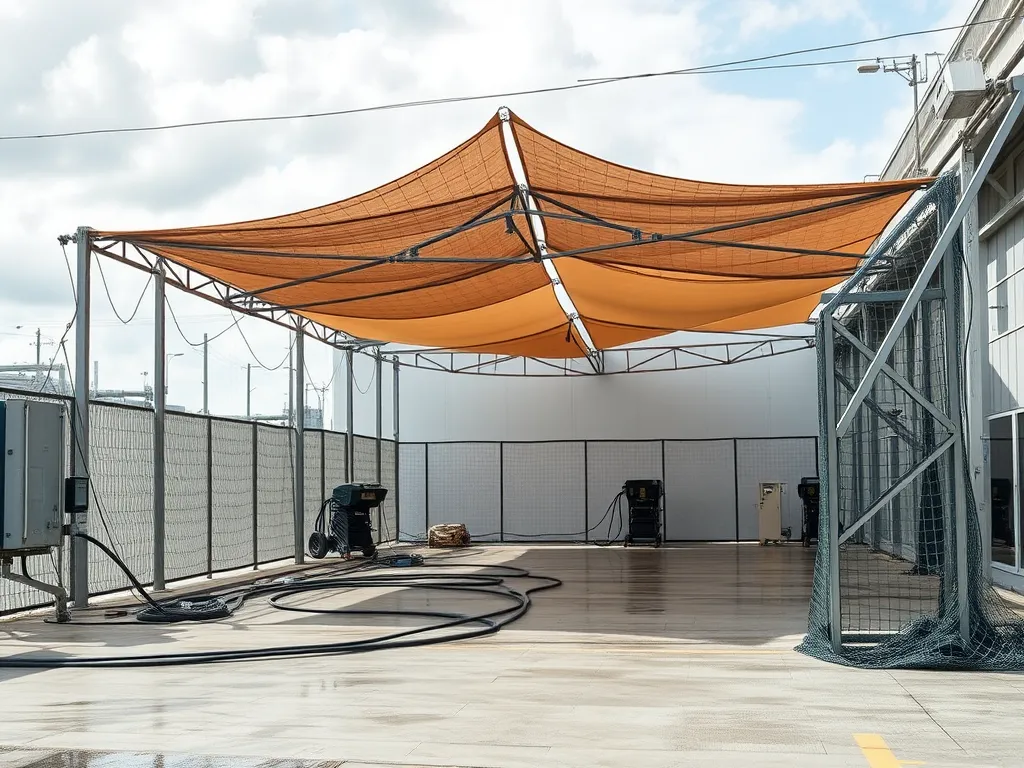
Check 48-hour weather forecasts. Morning applications beat afternoon storms – 0.1” rainfall within 6 hours washes off 40% of fresh sealcoat. Shade nets reduce surface temps by 15°F in peak sun.
With application methods mastered, let’s examine the gear needed to execute these techniques properly.
Essential Tools for Effective Sealcoating
Good tools make or break sealcoating jobs. The right gear ensures smooth, even coats that boost asphalt life. Poor tools leave thin spots, streaks, or gaps that cut durability.
Squeegees, Sprayers, and Brushes
Pick tools based on job size and surface type. Squeegees (12-24 inches wide) spread thick coats fast. Use poly blades for smooth drag. Sprayers (50-200 gal tanks) suit large lots. Adjust nozzles to 100-150 PSI for mist-free flow. Stiff brushes (steel or nylon) tackle edges and cracks. Pair tools: spray first, then back-brush for full fill.
| Tool | Use Case | Cost Range |
|---|---|---|
| Squeegee | Small drives, touch-ups | $20-$80 |
| Spray System | Parking lots, roads | $500-$2,000 |
| Brush | Edges, cracks | $15-$50 |
Equipment Maintenance Best Practices
Clean tools post-use to block sealant build-up. Flush sprayers with water or diesel fuel. Scrub squeegees with soap. Check hoses for splits. Store gear dry to stop rust. Replace spray tips every 50-75 uses for steady flow. Fix leaks fast to save up to 15% material waste per job.
Sharp tools lead to crisp results. Next, learn how curing times and traffic control lock in lasting coats.
Curing and Drying Processes
Proper curing determines how well sealcoat bonds with asphalt. Without adequate drying time, surfaces remain vulnerable to premature wear, cracking, or water infiltration. Let’s break down the factors that ensure lasting results.
Recommended Drying Times
Sealcoat typically needs 4-8 hours to dry under ideal conditions: 70°F with 50% humidity. Coal tar-based sealants cure faster (24-48 hours) than asphalt emulsions (48-72 hours). High-performance polymer-modified blends extend durability but may require 3 days to fully harden. Use infrared thermometers to verify surface temps stay above 55°F during curing. Cold weather? Add 50% more drying time per 10°F drop below 60°F.
Minimizing Traffic During Curing
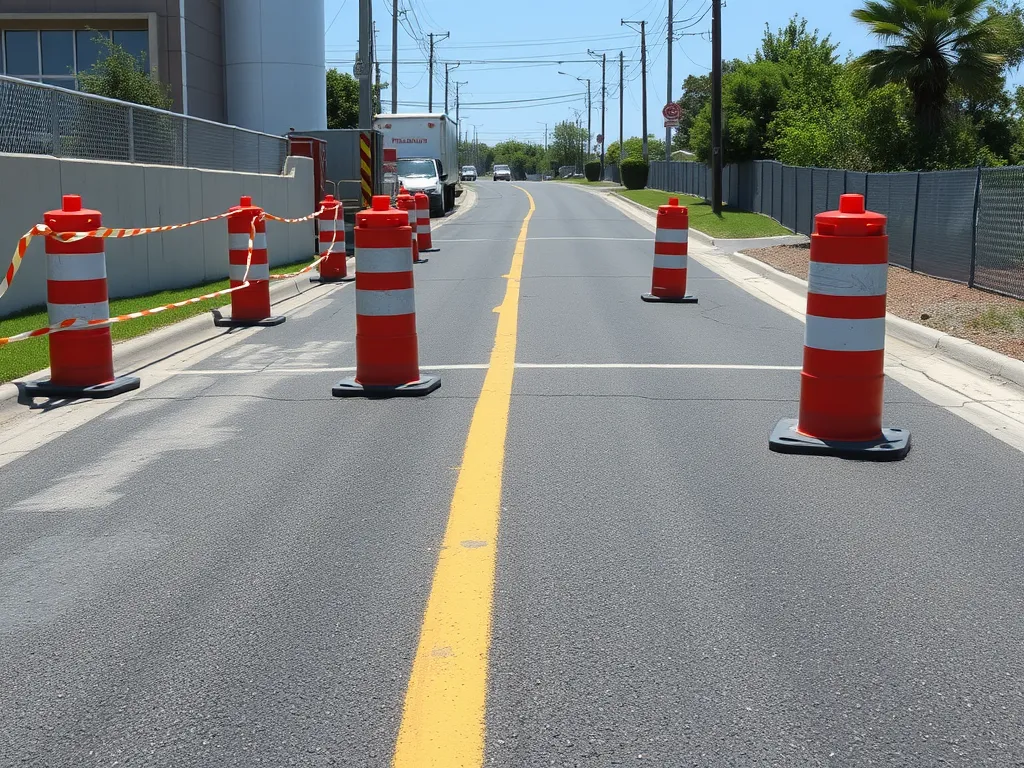
Keep vehicles off fresh sealcoat for 24-48 hours. Tire contact before full curing causes grooves, while sharp turns tear the semi-solid layer. For driveways, use temporary barriers like traffic cones or caution tape. Commercial lots? Schedule work during low-traffic periods and reroute vehicles. Emergency access? Apply fast-dry additives like ethylene glycol (5-10% mix ratio) to reduce downtime by 30%.
Consistent curing ensures sealcoating techniques that work yield 3-5 years of protection. Next, we’ll explore how regular maintenance preserves your investment after the curing phase.
Maintaining Sealcoated Surfaces
Preserving your asphalt’s protective layer requires consistent care after applying sealcoating techniques that work. A well-maintained sealcoat adds 3-5 years to pavement life while blocking water infiltration, UV damage, and chemical spills.
Regular Cleaning and Inspection
Pressure wash surfaces twice yearly at 2500 PSI minimum to remove dirt, oil stains, and debris. Inspect for hairline cracks (under 1/4 inch wide), fading, or raveling aggregate. Use infrared thermometers to check for uneven curing – temperature variances exceeding 15°F signal weak spots needing resealing. Track high-traffic zones like drive-thrus or loading docks; these areas degrade 30% faster than regular sections.
Addressing Wear and Tear
Act within 48 hours on new cracks using rubberized asphalt emulsions for gaps up to 1 inch. For alligator cracking, apply spray-injection patching with heated AC-20 binder – this method bonds 40% stronger than cold-pour alternatives. Reapply seal coat every 24-36 months in coastal regions or areas with freeze-thaw cycles. Mix silica sand (8-12 lbs per gallon) into sealant for slip resistance on slopes above 5% grade.
Consistent upkeep ensures sealcoating durability while cutting long-term repair costs. Let’s break down how material choices impact your budget next.
Cost Considerations for Durable Sealcoating
Balancing budget with performance requires knowing where to invest. Let’s break down key financial factors tied to long-lasting results.
DIY Vs. Professional Service Costs
Homeowners spend $0.15-$0.25 per sq ft on DIY sealcoating materials versus $0.30-$0.60 for pro services. While DIY seems cheaper, factor in squeegee kits ($50-$200), spray systems ($400+), or equipment rentals. Mistakes like uneven thickness or missed cracks force costly fixes within 1-2 years. Professionals ensure proper mix ratios, spray pressure (100-150 PSI), and cure times, reducing risk of premature wear.
Long-term Savings With Quality Materials
Premium coal-tar or polymer-modified sealants cost 20-30% more than budget options but extend service life by 2-3 years. For example, coal-tar blends last 3-5 years versus 1-3 for oil-based. Bulk purchases (5+ gallons) cut material costs by 10-15%. Pro contractors often include warranties up to 3 years, covering labor for touch-ups. Using high-grade products with UV inhibitors or flex additives prevents oxidation cracks, saving $1.50-$3 per sq ft in repairs over 5 years.
Smart spending on proven sealcoating techniques pays off. Next, let’s explore how eco-friendly practices merge durability with environmental care.
Environmental and Safety Best Practices
Balancing durability with environmental responsibility elevates your sealcoating results. Smart material choices paired with safe handling protocols protect surfaces while safeguarding ecosystems.
Eco-friendly Sealcoating Options
Bio-based sealants made from plant resins or recycled asphalt emulsion reduce reliance on fossil fuels. Low-VOC (volatile organic compound) formulas with under 100 g/L emissions minimize air pollution during application. Coal tar alternatives like asphalt-based sealants cut PAH (polycyclic aromatic hydrocarbon) levels by 95%, per EPA studies. These options maintain crack resistance while meeting stormwater runoff regulations in states like California and Washington.
Proper Disposal Of Sealcoating Waste
Sealcoat residues containing coal tar qualify as hazardous waste under RCRA guidelines. Contractors must use licensed disposal facilities for buckets, sprayer rinse water, or sludge with PAH concentrations exceeding 1,000 ppm. Solidify liquid waste with absorbents like kitty litter before landfill transport. Recycle rinse water through filtration systems to save 50-100 gallons per project. Never hose leftover material into storm drains – fines reach $37,500 per violation under the Clean Water Act.
Adopting these measures ensures your effective sealcoating techniques meet durability goals without compromising safety. With eco-practices handled, let’s tackle frequent questions about maximizing pavement life through sealcoating effective methods.
Frequently Asked Questions
What is the Longest Lasting Driveway Sealer?
The longest lasting driveway sealers are typically coal tar-based or high-performance polymer-modified sealants. Coal tar sealers can last between 3 to 5 years, while some premium polymer sealers can extend the longevity even further, depending on the application and environmental conditions.
Is It Better to Spray or Roll on Asphalt Sealer?
The choice between spray and roller application depends on the specific project needs. Spraying can cover large areas quickly and is ideal for textured surfaces, while rolling offers better control for achieving optimal thickness. Both methods have their pros and cons, so consider factors like the size of the area and your budget when deciding.
What Do Professionals Use to Seal a Driveway?
Many professionals prefer high-quality coal tar or polymer-modified sealants. They often use sprayers for large areas due to efficiency and even coverage. Professional-grade materials and equipment ensure durability and proper application techniques that minimize the risk of premature failure.
How Long Will Sealcoating Last?
Sealcoating typically lasts between 2 to 5 years, depending on factors such as the type of sealant used, environmental conditions, and maintenance practices. Regular inspections and timely reapplication can extend the life of the sealcoat significantly.
Closing Thoughts
Effective sealcoating techniques play a pivotal role in enhancing the durability of asphalt surfaces. Selecting the right sealants, applying them correctly, and maintaining the surfaces are all essential steps in ensuring longevity. Consider specific factors like temperature, humidity, and optimal thickness during the application to achieve maximum performance.
Regular inspection and maintenance after sealcoating can significantly extend the life of your asphalt. Addressing wear and tear promptly reduces the need for costly repairs later. Investing in high-quality materials yields long-term savings, making it a smart choice for homeowners and contractors alike.
For more detailed information on sealcoating or other asphalt-related topics, check out Asphalt Calculator USA. Your resource for all things asphalt!
Additional Resources for You:
- American Association of State Highway and Transportation Officials (AASHTO). (2008). Mechanistic-Empirical Pavement Design Guide (MEPDG). Washington, DC: AASHTO.
- r/HomeImprovement on Reddit: Is Seal Coating Asphalt Actually Effective?
- What Is Sealcoating and Why Is it Important? MAC
- Pavement Maintenance: Techniques and Best Practices for Longevity
- DIY vs Professional Sealcoating: Which Way Should You Go? – Top Gun Sealcoating