How Weather Shapes Your Asphalt Paving Results
Published on: November 27, 2025 | Last Updated: April 14, 2025
Written By: George Voss
Weather directly controls asphalt quality during installation. Temperature swings above 95°F or below 50°F, rain, humidity over 70%, and wind speeds exceeding 15 mph all impact how asphalt binds, compacts, and cures. Ideal conditions fall between 70°F and 90°F with dry skies – this range keeps liquid asphalt cement workable for proper density (92%+ compaction) and prevents thermal cracking. Even a 10°F shift outside this zone risks premature raveling or rutting.
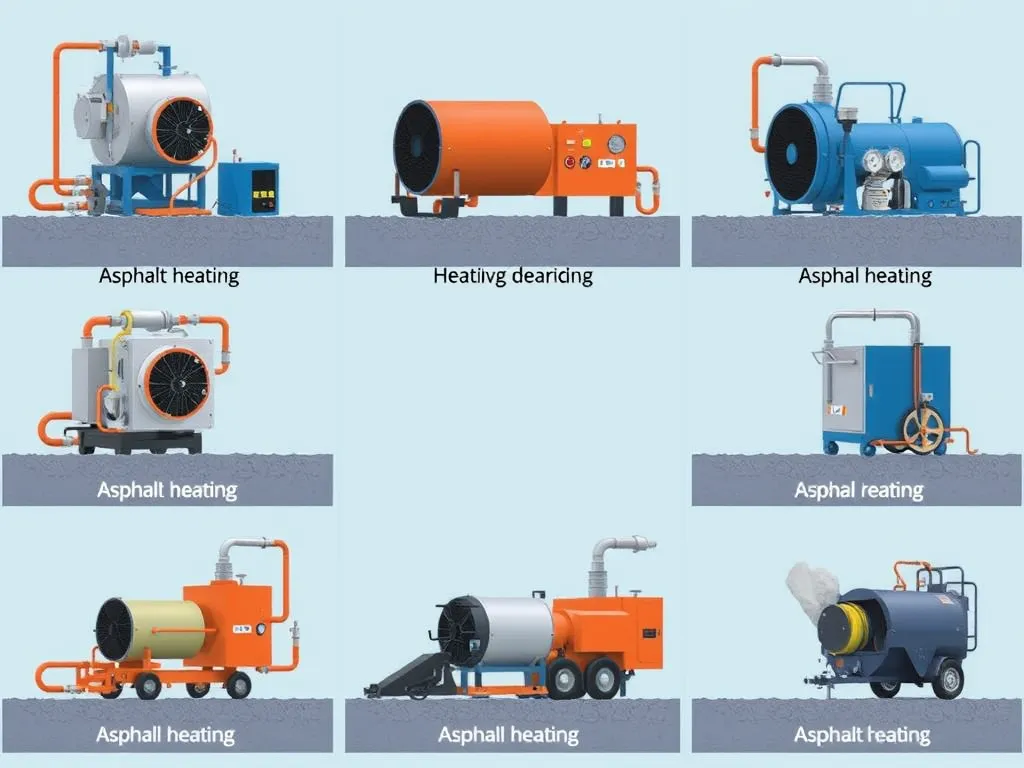
This article breaks down how specific weather factors affect fresh asphalt. You’ll learn why summer heat causes segregation in Superpave mixes, how winter cold demands PG 64-22 binders, and why rain within 48 hours of pouring washes away bitumen. We’ll also share proven fixes: infrared heaters for cold starts, mist sprays for 100°F days, and windbreak fencing for 20+ mph gusts. Data-driven solutions keep projects on track despite Mother Nature’s curveballs.
Contents
- Introduction to Weather Impacts on Asphalt Installation
- Effects Of Temperature on Asphalt Pouring
- Precipitation and Its Impact on Asphalt Outcomes
- Humidity and Wind Effects on Asphalt Quality
- Mitigating Weather-related Issues in Asphalt Projects
- Environmental and Seasonal Considerations
- Frequently Asked Questions
- Closing Thoughts
- Additional Resources for You:
Introduction to Weather Impacts on Asphalt Installation
Weather shapes every asphalt pour. From mix heat to rain threats, each factor alters how pavement sets and lasts. Even small shifts in air temp or wind speed can crack fresh asphalt or weaken its bond.
Four key elements rule asphalt outcomes: – Heat (mix cools too fast or slow) – Rain (washes away binders) – Humid air (slows curing) – Wind (cools surface unevenly)
PG binders (grades like PG 64-22 made for specific temps) fight thermal stress. Yet if rain hits within 24 hours, repair costs can spike by 10-15%. High humidity above 80% may double curing time, risking early cracks.
Let’s break down how heat and cold change the game.
Effects Of Temperature on Asphalt Pouring
Weather plays a key role in how asphalt sets and lasts. Temperature swings change how crews work, materials behave, and roads hold up over time.
Cold Weather Asphalt Installation Challenges
Cold air and frozen ground make paving tough. Asphalt cools too fast, losing work time and strength.
Temperature Limits for Cold Weather Asphalt Laying
Most crews stop work below 50°F for standard mixes. Modified PG binders (asphalt glue) allow pours down to 40°F. Ground temps must stay above freezing to avoid frost voids. See limits below:
| Mix Type | Min Air Temp | Min Ground Temp |
|---|---|---|
| Standard | 50°F | 32°F |
| Cold-Weather PG | 40°F | 28°F |
Impact on Asphalt Compaction and Curing
Cold slows compaction. Rollers must finish before mix drops below 185°F. If not, air pockets form, cutting pavement life by 30-50%. Curing takes 2-3x longer, raising risk of cracks or raveling.
Ideal Temperature Range for Asphalt Paving
The sweet spot? 50-85°F air temps. Warmth keeps asphalt pliable for 15-30 minutes, letting rollers hit 92-96% density. Infrared guns check surface heat—aim for 275°F during placement. Note: Blacktop cools 2-5°F per minute in shade.
Hot Weather Risks During Asphalt Application
High heat causes slump (sagging) and tender mix. Pavers fight rapid cooling in direct sun versus slow cooling in shade—both harm density.
Asphalt Temperature for Paving in Summer Heat
Mix leaves the plant at 275-300°F. On 90°F days, surface temps can hit 150°F. If ground exceeds 140°F, asphalt won’t bond right. Use thermal scanners to spot hot zones.
Cooling Techniques for High-Temperature Conditions
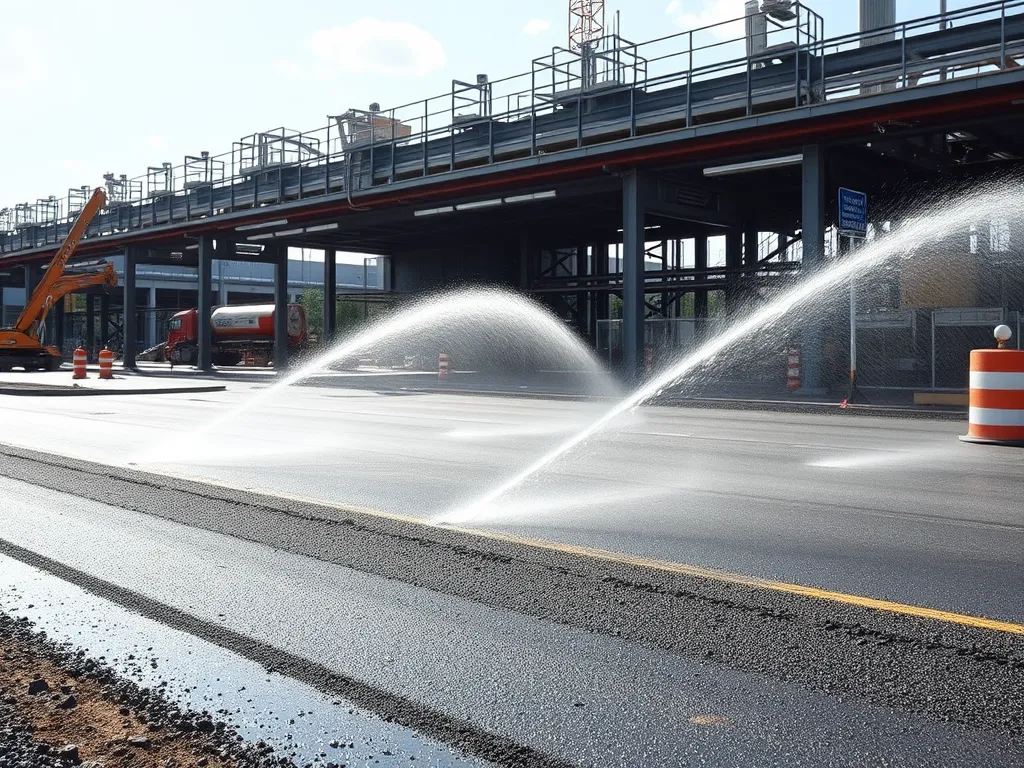
Water spray bars cool mix by 10-15°F. Night paving avoids sun glare, adding 20% work time. Shade sails cut surface temps by 25°F. See summer fixes below:
| Method | Temp Drop | Cost Per Sq Ft |
|---|---|---|
| Misting | 10-15°F | $0.05 |
| Night Work | 20-30°F | $0.12 |
While heat and cold pose clear threats, rain adds another layer of risk. Let’s explore how moisture changes the game.
Precipitation and Its Impact on Asphalt Outcomes
Rain, snow, or ice can harm asphalt from pour to cure. Water changes how the mix bonds, sets, and lasts. Even small drops in the first hours lead to weak spots, cracks, or dips.
Pouring Asphalt in Rainy Conditions
Never lay asphalt in rain. Wet ground or wet mix makes steam when hot asphalt hits it. This forms voids (air gaps) under the surface. These voids cause raveling (stone loss) or potholes fast. Most specs say to stop work if rain starts. If you must pour, use tarps or heaters. But these add $2-$5 per sq.ft. and cut speed by 30%.
Post-installation Rain Exposure and Damage Risks
Rain within 24 hours of paving is bad. Fresh asphalt needs time to cure (harden). Water soaks into the top layer, washing off fines (tiny stones) or bitumen. This leads to surface erosion or weak spots. A 0.1″ rain can lower strength by 15% if temps are below 70°F. Use sealants or covers if rain is due. Check forecasts—delay pours if storms are near.
While rain poses clear risks, other factors like damp air or wind speed also shape outcomes. Next, we break down how these elements alter asphalt quality.
Also See: Common Asphalt Joint Issues and Solutions
Humidity and Wind Effects on Asphalt Quality
Moist air and wind speed shape how well asphalt sets. Both can change work times, surface strength, and long-term wear.
High Moist Air’s Role in Asphalt Curing Delays
When the air holds too much wet, asphalt takes longer to dry. The glue in the mix (called bitumen) needs to bond with rocks and sand. High moist air slows this bond, adding hours or days to cure times. If crews roll the asphalt too late, it won’t pack tight. Weak spots may form, needing fixes that cost up to 30% more. Special mix glue (PG 64-22) made for damp zones can help.
Wind Speed and Asphalt Surface Cooling Rates
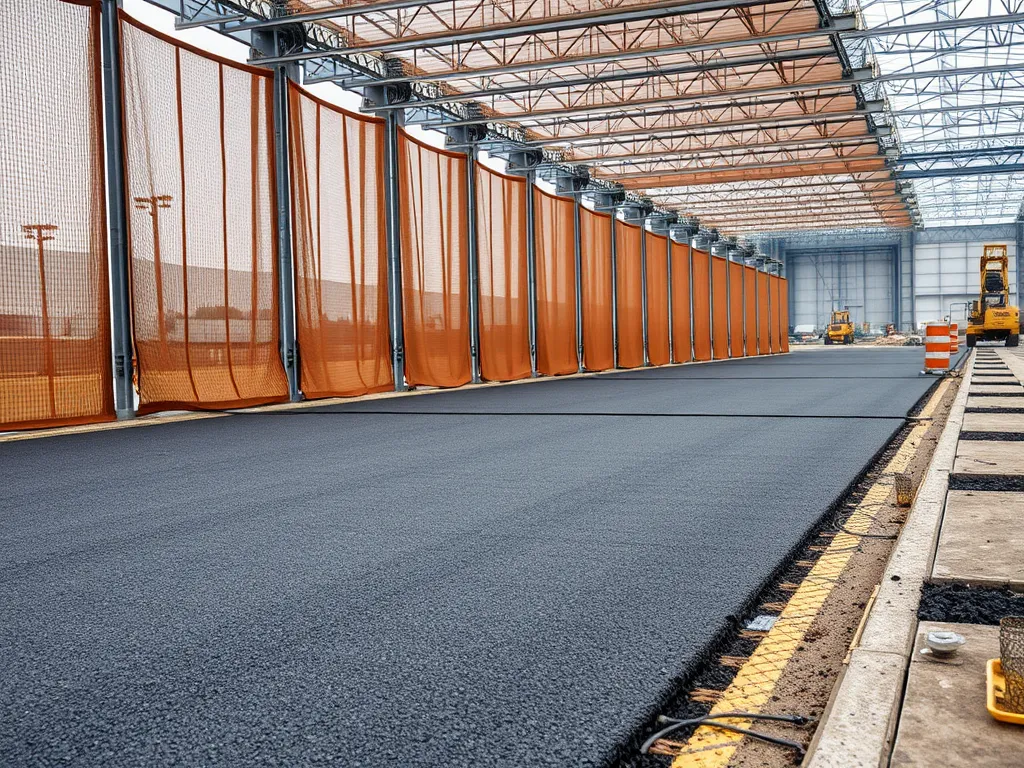
Fast winds cool hot asphalt fast. If wind blows over 15 mph, the top layer hardens in 10-15 mins. This leaves less time to roll it smooth. The base stays warm, causing cracks as layers shift. Crews use tall screens or plan work for low-wind hours. For each 5 mph wind rise, work time drops by 10-15 mins.
Handling moist air and wind issues is key, but other steps can shield your project from weather risks.
Weather challenges demand proactive strategies to protect asphalt quality during installation. Contractors use advanced planning, material science, and equipment upgrades to counter temperature swings, precipitation, and humidity.
Weather Forecasting and Scheduling Best Practices
Accurate forecasts dictate paving timelines. Teams monitor 72-hour weather windows using tools like the National Weather Service’s Climate Prediction Center or Weather Underground. Thermal imaging guns verify surface temperatures stay above 50°F for cold-weather pours or below 90°F in summer. Key steps include:
- Avoiding rain events within 24 hours of installation
- Scheduling midday pours in winter to leverage solar heat
- Planning night work in desert climates to avoid 100°F+ daytime heat
Material Adjustments for Extreme Temperatures
Asphalt mixes adapt to thermal extremes. In cold climates, contractors use PG (Performance Grade) binders like PG 58-28 with lower viscosity and additives such as warm mix asphalt (WMA) to improve workability at 40°F. Hot-weather mixes might include:
- Recycled asphalt pavement (RAP) up to 30% to reduce fresh binder needs
- Cool pavements with reflective coatings or high-albedo aggregates
- Polymer-modified binders that resist rutting above 90°F
Equipment Modifications for Adverse Weather
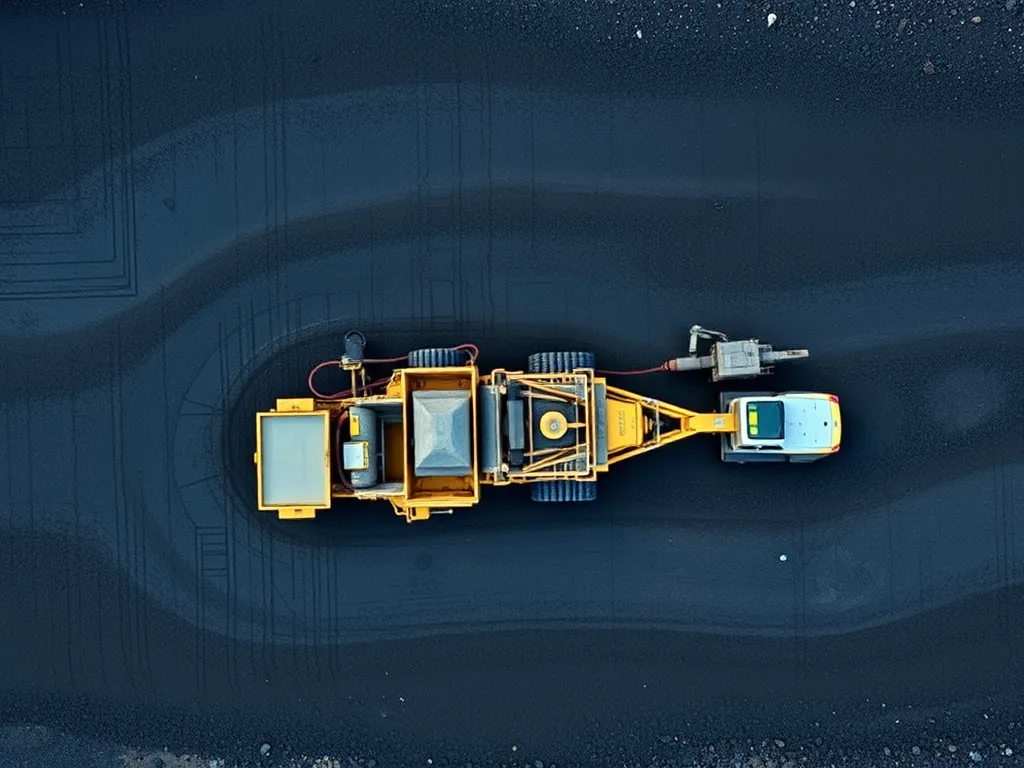
Specialized machinery maintains optimal asphalt temperature during placement. Cold-weather setups use heated screeds and infrared heaters to keep mats above 275°F. Hot climates require:
- Live-bottom trucks instead of dump beds to reduce heat loss
- Tracked pavers with material transfer vehicles (MTVs) to prevent segregation
- Water spray systems for roller drums to avoid mix sticking
Material transfer devices maintain mix temperatures within 275-325°F during transport, critical for summer paving.
These weather-proofing tactics set the stage for exploring how seasonal shifts influence long-term pavement performance.
Environmental and Seasonal Considerations
Weather impacts every phase of asphalt installation, but proactive strategies can balance durability with ecological responsibility. Contractors now prioritize methods that address climate shifts while reducing environmental footprints.
Sustainable Asphalt Practices for Weather Challenges
Warm-mix asphalt (WMA) cuts production temperatures by 30-50°F compared to traditional hot-mix asphalt. This reduces energy use by 20% and allows paving in colder conditions down to 35°F. Recycled asphalt pavement (RAP) reuse rates now reach 40% in mixes, lowering landfill waste while maintaining structural integrity in freeze-thaw cycles. Permeable asphalt systems combat heavy rainfall by draining 5-7 gallons of water per minute per square foot, minimizing flooding risks in wet climates.
Seasonal Adjustments in Asphalt Installation
Winter demands heated transfer equipment and polymer-modified binders rated for temperatures below 40°F. In summer, high-PG graded binders (PG 76-XX) resist rutting at surface temps exceeding 140°F. Spring and fall remain optimal seasons for most regions, with ambient temps between 50-85°F ensuring proper compaction densities above 93%. Northern states like Minnesota now use thermal blankets to extend paving windows by 6-8 weeks annually, preventing cold-weather cracking in new installations.
These strategies require precise coordination with weather patterns. Next, we’ll explore real-world solutions for timing projects around unpredictable conditions.
Frequently Asked Questions
How Does Weather Affect Asphalt Pouring Outcomes?
Weather plays a crucial role in asphalt pouring outcomes, influencing factors such as temperature, humidity, and precipitation. Extreme temperatures can compromise compaction and curing times, while rain can wash away essential materials, leading to weaker asphalt. Understanding these elements helps ensure successful installation.
Is It OK if It Rains After Pouring Asphalt?
It is generally not advisable for it to rain shortly after asphalt is poured. Rain within the first 24 hours can wash away the top layer of granular materials and bitumen, leading to surface erosion and weak spots in the asphalt. Precautions and planning around weather forecasts are essential to prevent damage.
At What Temperature Should You Not Lay Asphalt?
Most asphalt paving crews will stop work when the air temperature falls below 50°F. Cold-weather modified asphalt may allow for laying at temperatures as low as 40°F, but ground temperatures must also remain above freezing to ensure proper adhesion and bond strength.
What is the Effect Of Temperature on Asphalt Durability?
Temperature significantly affects asphalt durability. Higher temperatures can cause the asphalt to become too soft, leading to issues such as rutting and deformation. Conversely, extremely low temperatures can hinder compaction and curing, resulting in cracks and premature raveling. Maintaining proper temperature ranges is vital for long-lasting asphalt.
Closing Thoughts
Weather plays a pivotal role in asphalt pouring outcomes. Temperature variations, precipitation, humidity, and wind all influence the installation process and the final quality of asphalt surfaces. Understanding these factors enables better planning and execution of paving projects. Adapting techniques and materials to suit weather conditions is essential for longevity and durability, significantly reducing potential failures.
To ensure optimal results, consider utilizing weather forecasts, making equipment adjustments, and employing cooling or heating techniques as needed. These strategies will help mitigate adverse conditions and enhance the effectiveness of your asphalt projects.
For more insights, tips, and tools, visit Asphalt Calculator USA. Your success in asphalt installations begins with the right information!